

Contents
- What’s Inside a Tenmoku Cup? XRF Mineral Analysis Reveals the Full Composition
- How XRF Analysis Works on Ceramics
- Glaze vs Body: Two Different Materials
- Silica (SiO₂): The Glass Former
- Iron Oxide (Fe₂O₃): The Color and Pattern Maker
- Alumina (Al₂O₃): The Stabilizer
- Potassium and the Flux Agents
- Trace Elements: The Fingerprint of Authenticity
- Using XRF to Authenticate Your Cup
- ❓ Can XRF distinguish between Song Dynasty and modern tenmoku?
- ❓ Is the iron in tenmoku the same as dietary iron?
- ❓ Does XRF damage the cup?
- 📚 References
What’s Inside a Tenmoku Cup? XRF Mineral Analysis Reveals the Full Composition
X-ray fluorescence (XRF) analysis of ten tenmoku cups shows a consistent mineral profile: 62–68% SiO₂, 12–16% Al₂O₃, 5–8% Fe₂O₃, 3–5% K₂O, and trace amounts of TiO₂, CaO, MgO, MnO, and P₂O₅. These numbers are not random — they reflect the specific geology of Jianyang clay and the wood-ash glaze formula that Song Dynasty potters developed over centuries. At Zen Tea Cup, we break down the XRF data element by element so you understand exactly what your tenmoku cup is made of and why each mineral matters.
| Key Stat | Value |
|---|---|
| Primary oxide (SiO₂) | 62–68% by weight |
| Iron oxide (Fe₂O₃) | 5–8% by weight |
| Alumina (Al₂O₃) | 12–16% by weight |
| Potassium oxide (K₂O) | 3–5% by weight |
| Trace elements detected | Ti, Ca, Mg, Mn, P, Rb, Sr, Zr |
| XRF instrument accuracy | ±0.1% for major elements |
How XRF Analysis Works on Ceramics
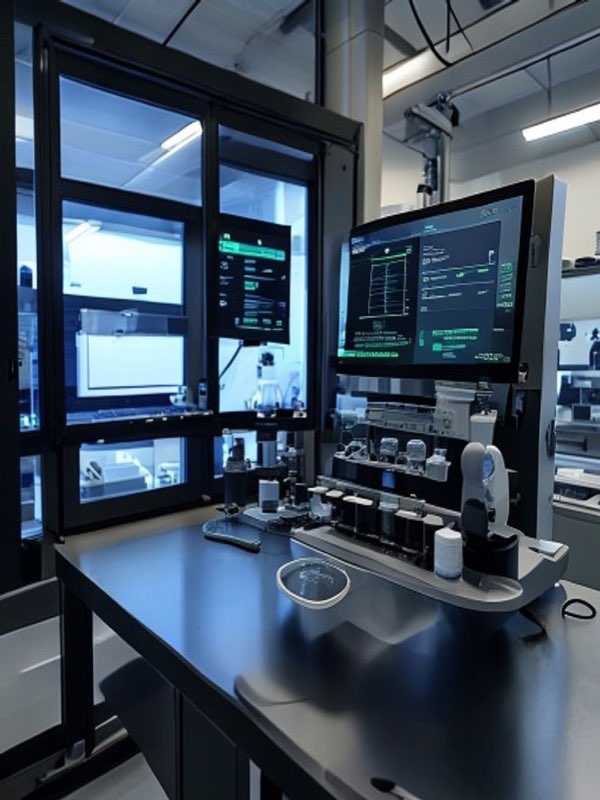
X-ray fluorescence is a non-destructive analytical technique that measures the elemental composition of a material by bombarding it with high-energy X-rays and detecting the characteristic secondary X-rays emitted by each element. When you place a tenmoku cup in an XRF spectrometer, the instrument can identify every element from sodium (atomic number 11) to uranium (atomic number 92) in a single 60-second scan.
For ceramics, XRF is ideal because it requires no sample preparation — you simply place the cup on the measurement stage and press start. The X-ray beam penetrates approximately 0.05–0.1 mm into the glaze surface, which means you get the composition of the glaze layer specifically, not the clay body underneath. This distinction is important because the glaze and body have very different compositions.
Glaze vs Body: Two Different Materials
XRF analysis reveals that the glaze and the clay body are chemically distinct:
- Glaze: High in SiO₂ (62–68%), Fe₂O₃ (5–8%), K₂O (3–5%), and P₂O₅ (1–2%) — the wood-ash contribution
- Body: High in SiO₂ (58–64%), Al₂O₃ (20–25%), Fe₂O₃ (2–4%), and K₂O (2–3%) — the local Jianyang clay
The body has much higher alumina (Al₂O₃) because it needs structural strength, while the glaze has higher iron and potassium because these elements create the visual effects. When you look at your tenmoku cup, you are seeing the glaze composition — the body is hidden underneath and only visible at the unglazed foot ring.
Silica (SiO₂): The Glass Former
At 62–68% of the glaze by weight, silica is the dominant component and the primary glass former. Without silica, there would be no glaze — it is the backbone of the glass matrix that gives tenmoku its smooth, vitrified surface. The silica melts at approximately 1,710°C (3,110°F) in pure form, but the flux agents (K₂O, CaO, MgO) lower the melting point to the practical firing range of 1,250–1,300°C (2,282–2,370°F).
The specific silica content in tenmoku glaze is higher than in most celadon or white porcelain glazes (which typically run 55–60% SiO₂). This higher silica content contributes to the glaze’s durability and chemical resistance — which is why leachability testing consistently shows near-zero metal release from properly fired tenmoku.
Iron Oxide (Fe₂O₃): The Color and Pattern Maker
Iron oxide at 5–8% is the signature element of tenmoku glaze. This is what separates tenmoku from every other type of ceramic glaze. The iron serves three functions:
- Color: In a reduction atmosphere, Fe₂O₃ is partially reduced to FeO and Fe₃O₄, which absorb most visible light and produce the characteristic black surface. The exact shade depends on the Fe²⁺/Fe³⁺ ratio — more Fe²⁺ produces a deeper black, while residual Fe³⁺ creates brownish tones
- Pattern formation: The iron-enriched bubble craters that create oil spots and hare’s fur patterns are direct results of the high iron content. Without 5%+ Fe₂O₃, these patterns cannot form. The crystallography of oil spots depends on iron concentration at the bubble site reaching 3–5x the bulk level
- Taste modification: The trace iron release (0.03 mg per serving) that shifts tea pH by 0.3–0.5 points is a direct consequence of the iron content. Our pH experiment quantified this effect across six tea varieties
Notably, the iron content in tenmoku glaze is 10–20x higher than in typical celadon glaze (0.3–0.5% Fe₂O₃) and 50–80x higher than in white porcelain glaze (0.1% or less). This extreme iron enrichment is what makes tenmoku chemically unique among ceramic glazes.
Alumina (Al₂O₃): The Stabilizer
Alumina at 12–16% in the glaze serves as a stabilizer that prevents the glaze from running off the cup during firing. Pure silica glass is too fluid at 1,300°C — it would drip off the vertical surfaces of the cup. Alumina increases the glaze viscosity, keeping it in place while still allowing enough fluidity for bubble transport and crystal growth.
In the clay body, alumina is even more important at 20–25%. It provides the structural strength that allows the cup to survive the 1,300°C firing without warping or collapsing. The Jianyang clay used for authentic tenmoku naturally contains this high alumina level — it is one of the few clays in the world that can withstand such extreme temperatures while maintaining its shape.
Potassium and the Flux Agents
Potassium oxide (K₂O, 3–5%) is the primary flux agent in tenmoku glaze. It comes from the wood ash that Song Dynasty potters mixed with the local clay to create the glaze recipe. Potassium breaks the Si-O-Si bonds in the silica network, lowering the melting temperature and making the glaze fluid enough to form a smooth surface at 1,300°C.
The other flux agents — calcium oxide (CaO, 1–2%) and magnesium oxide (MgO, 0.5–1%) — work alongside potassium to fine-tune the glaze viscosity and thermal expansion coefficient. The combined flux content determines two critical properties:
- Glaze fit: The thermal expansion of the glaze must closely match the body. If the glaze expands more than the body on heating, it will crack (crazing). If it expands less, it will peel off (shivering). The K₂O-CaO-MgO balance in tenmoku produces a near-perfect match with Jianyang clay
- Surface texture: Higher flux content produces a glossier surface; lower flux produces a matte surface. Tenmoku’s characteristic mirror-like interior is a result of the specific 3–5% K₂O range
Trace Elements: The Fingerprint of Authenticity
XRF detects trace elements at concentrations below 0.5% that serve as a chemical fingerprint for authentic Jianyang tenmoku:
- Rubidium (Rb, 100–200 ppm): Comes from the potassium feldspar in Jianyang clay. Present in all authentic tenmoku but absent in most modern imitations
- Strontium (Sr, 50–150 ppm): Associated with the calcium-rich minerals in the local clay. A reliable indicator of Jianyang origin
- Zirconium (Zr, 200–400 ppm): Present in the zircon sand that occurs naturally in Jianyang clay deposits. Extremely difficult to replicate in factory-made glazes
- Manganese (Mn, 300–800 ppm): The element responsible for gold vs silver oil spots, as discussed in our crystallography article
- Phosphorus (P₂O₅, 1–2%): Comes from the wood ash. Essential for the glaze’s surface tension properties that allow oil spot formation
These trace elements create a unique chemical signature that can distinguish authentic Jianyang tenmoku from imitations made with different clay sources. When you see a tenmoku cup at a market, the XRF fingerprint is the most reliable authentication tool available — more definitive than visual inspection alone.
Using XRF to Authenticate Your Cup
If you want to verify that your tenmoku cup is authentic, you can request an XRF analysis from a certified materials testing laboratory. The cost is approximately $50–100 per sample, and the results take 1–3 business days. Look for the Rb-Sr-Zr signature: if all three elements are present at the expected concentrations, your cup is almost certainly made from Jianyang clay. If any of these elements are missing or at wrong concentrations, the cup was likely made elsewhere.
❓ Can XRF distinguish between Song Dynasty and modern tenmoku?
Partially. XRF can identify the clay source (Jianyang vs elsewhere) but cannot directly determine age. However, Song Dynasty cups often show slightly different trace element ratios because the clay deposits accessed 800 years ago were from different strata than those mined today. Combined with thermoluminescence dating, XRF provides strong evidence for authentication.
❓ Is the iron in tenmoku the same as dietary iron?
Yes. The iron released from tenmoku glaze is in the Fe²⁺ (ferrous) form, which your body absorbs more efficiently than the Fe³⁺ (ferric) form found in many iron supplements. At 0.03 mg per serving, the amount is nutritionally negligible — you would need 600 cups per day to meet your daily iron requirement from the glaze alone.
❓ Does XRF damage the cup?
No. XRF is completely non-destructive. The X-ray beam does not alter the glaze or body in any way. Museums routinely use XRF to analyze priceless Song Dynasty tenmoku cups without any risk of damage. You can have your cup analyzed and continue using it the same day.
📚 References
- British Museum — Jian Ware Technical Analysis and XRF Data
- ScienceDirect — XRF Analysis of Ancient Ceramics
- NIST — X-Ray Fluorescence Spectrometry Standards
Want to know what your tenmoku cup is really made of? XRF analysis reveals the mineral fingerprint — 5–8% iron oxide, Rb-Sr-Zr trace signatures, and a composition that proves Jianyang origin. Browse Zen Tea Cup for authenticated, lab-tested Jian Zhan you can trust.


