

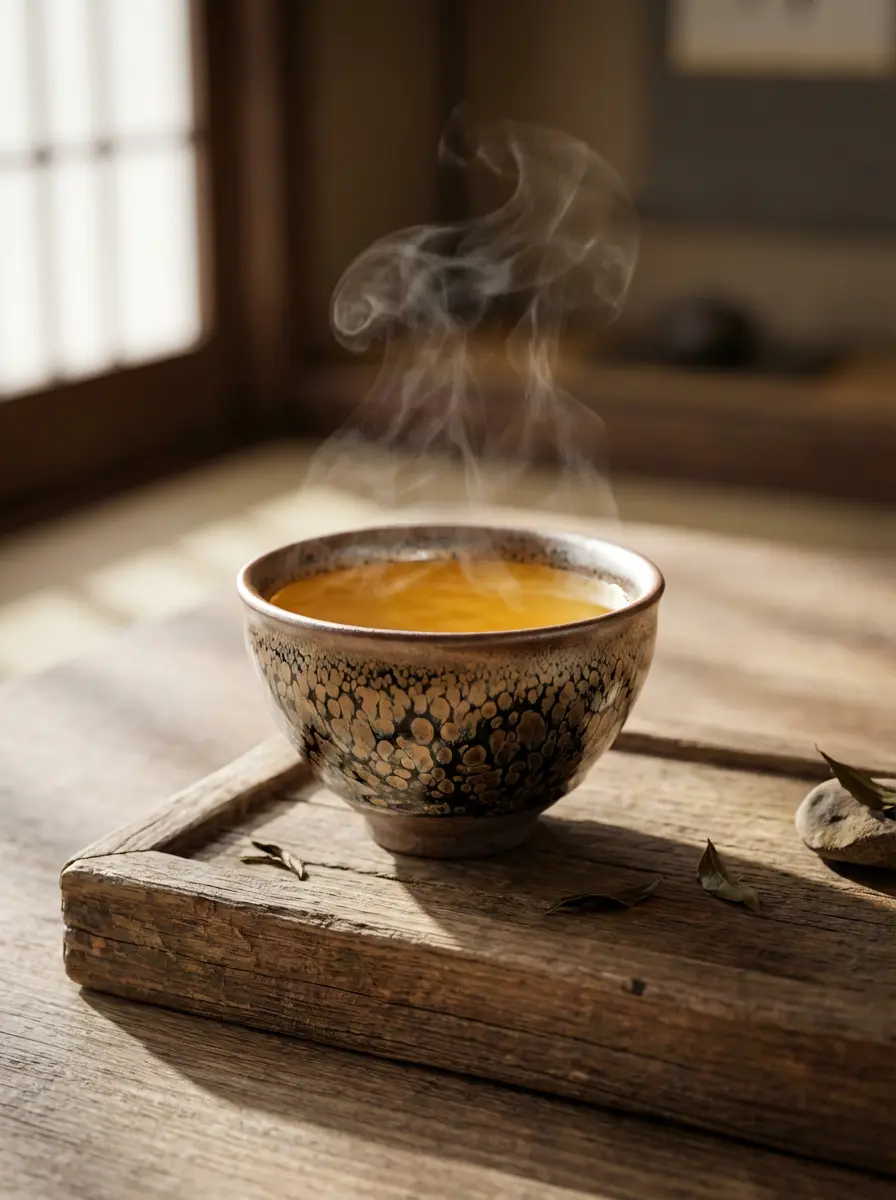
Discover authentic tenmoku at Zen Tea Cup.
Contents
- 7 Best Teas to Drink from a Tenmoku Cup: A Complete Pairing Guide
- What Makes Tenmoku Cups Special for Tea?
- Superior Heat Retention
- Mineral Interaction
- Visual Contrast
- 1. Matcha – The Traditional Choice
- Why Tenmoku and Matcha Are Perfect Together
- 2. Pu-erh Tea – The Earthy Companion
- How Heat Retention Elevates Aged Pu-erh
- 3. Wuyi Rock Oolong (Yancha) – The Mineral Match
- Rock Tea Meets Rock-Fired Glaze
- 4. Roasted Oolong & Hojicha – The Warm Toast
- Maximizing Roasted Notes with Tenmoku
- 5. Black Tea – The Bold Statement
- Taming Tannins with Iron-Rich Glaze
- 6. High-Mountain Oolong – The Delicate Dance
- Preserving Floral Notes Through Temperature Control
- 7. Gyokuro & Sencha – The Japanese Connection
- Honoring the Zen Tradition
- How to Get the Best Experience from Your Tenmoku Cup
- Brewing Tips for Maximum Enjoyment
- Caring for Your Tenmoku Cup
- Frequently Asked Questions
- What tea is best for a tenmoku cup?
- Can you drink any tea from a tenmoku cup?
- Why does tea taste better in tenmoku cups?
- Is tenmoku glaze safe for tea?
- What’s the difference between Jianzhan and Tenmoku?
- How do I know if my tenmoku cup is authentic?
- Finding Your Perfect Pairing
- ❓ How do I know if my tenmoku cup is authentic?
- ❓ Can I put my tenmoku cup in the dishwasher?
- ❓ What tea tastes best in a tenmoku cup?
- 📚 References
7 Best Teas to Drink from a Tenmoku Cup: A Complete Pairing Guide
How ancient Chinese teaware transforms your tea experience—and which teas benefit most.
“Tea is of light color and looks best in black cups. The cups made at Jianyang are bluish-black, marked like the fur of a hare. Being of rather thick fabric, they retain the heat so that when once warmed through, they cool very slowly.”
— Cai Xiang, Song Dynasty “Record of Tea” (Cha Lu)
But not all teas shine equally in a tenmoku cup. Some benefit dramatically from the cup’s unique properties. Others? Not so much. Let’s explore the seven teas that truly come alive when served in this remarkable vessel.
For more details, see the tenmoku for aged pu-erh.
What Makes Tenmoku Cups Special for Tea?
Before we dive into specific teas, you need to understand why tenmoku cups work the way they do. Three key properties make all the difference:
Superior Heat Retention
Tenmoku cups feature thick walls made from dense, iron-rich clay. This construction holds heat far longer than thin porcelain or glass. Your tea stays at optimal drinking temperature through multiple sips.
Mineral Interaction
The high iron content in tenmoku glaze interacts with your tea’s chemistry. This interaction improves water alkalinity, creating a softer, smoother mouthfeel. Many tea drinkers report their tea tastes sweeter and less astringent.
Visual Contrast
The dark glaze creates stunning contrast with lighter teas. Bright green matcha foam pops against the black surface. Golden oolong liquor glows like amber. This visual dimension adds to your enjoyment.
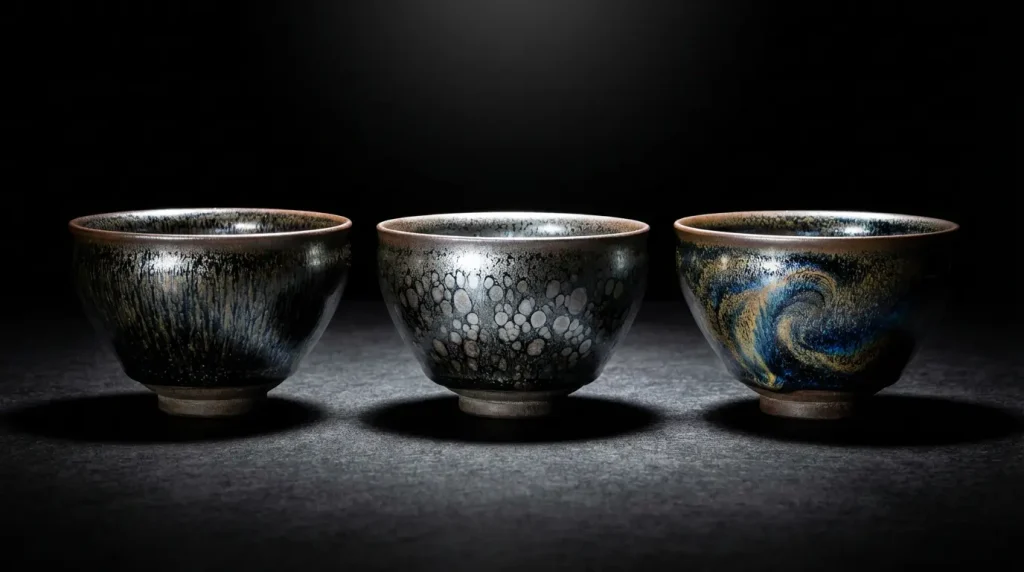
Three main glaze patterns exist on authentic tenmoku cups. Hare’s fur (兔毫) shows fine streaks radiating from rim to base. Oil spot (油滴) features silvery spots scattered across the surface. Yohen (曜変) displays rare cosmic patterns—so valuable that surviving Song Dynasty examples are designated Japanese National Treasures.

1. Matcha – The Traditional Choice
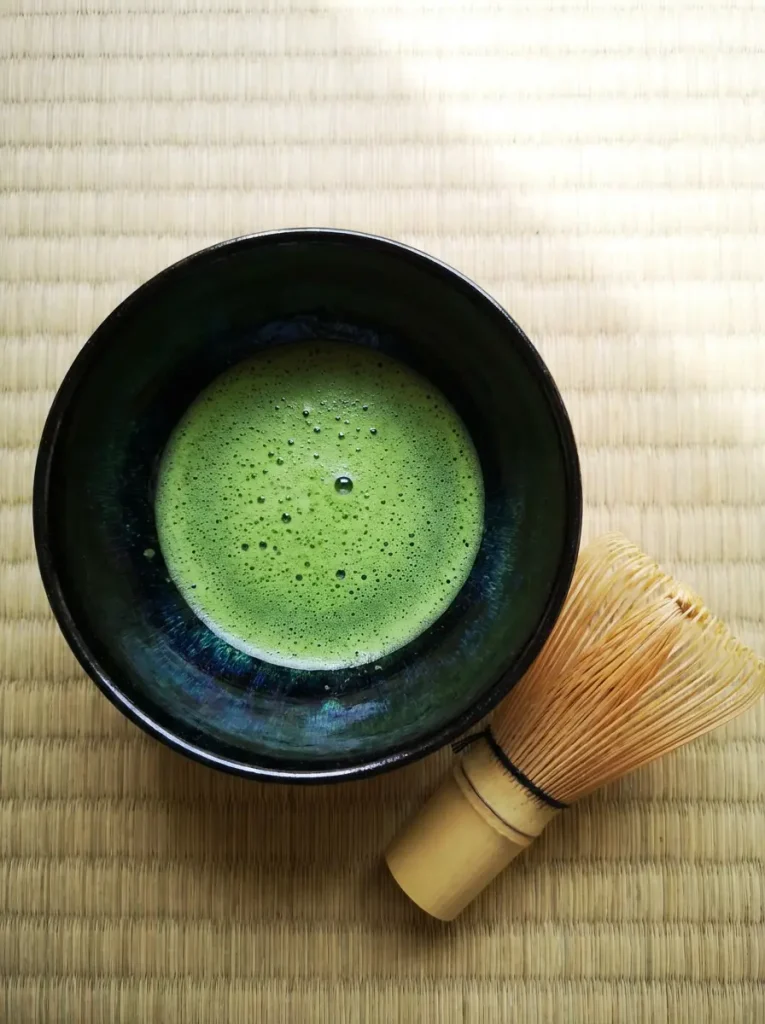
Matcha is powdered green tea whisked with hot water using a bamboo whisk. This preparation method has direct historical ties to tenmoku cups.
Why Tenmoku and Matcha Are Perfect Together
During the Song Dynasty, tea competitions judged matcha quality partly by observing the foam. White froth against a dark bowl showed the tea’s vibrancy. Tenmoku cups were literally designed for this purpose.
The connection runs deeper than looks. Song Dynasty emperor Huizong (1082–1135) was famous for his tea expertise. His court specifically preferred Jian ware bowls for whisking powdered tea.
- Brewing temperature: 70–80°C (158–176°F)
- Amount: 1–2 grams of matcha powder
- Tenmoku benefit: Visual contrast highlights foam quality; thick walls keep tea warm during the whisking process
When you pour bright green matcha into a tenmoku bowl, the contrast is striking. The dark glaze makes even subtle differences in foam density visible. Every bubble catches light differently against the shadowy depths.
Tenmoku bowls were originally crafted during China’s Song Dynasty for whisking powdered tea. The dark glaze creates dramatic visual contrast that highlights the quality of your matcha foam.
Try this: Prepare your matcha in a tenmoku bowl using the traditional method. Whisk in a “W” pattern until foam covers the surface. Notice how the dark background makes even fine bubbles visible. The bowl’s weight in your hands adds to the meditative quality of the experience.
2. Pu-erh Tea – The Earthy Companion
Pu-erh tea comes from Yunnan Province, China. It undergoes microbial fermentation that gives it distinctive earthy, smooth flavors. This tea benefits enormously from tenmoku’s heat retention.
How Heat Retention Elevates Aged Pu-erh
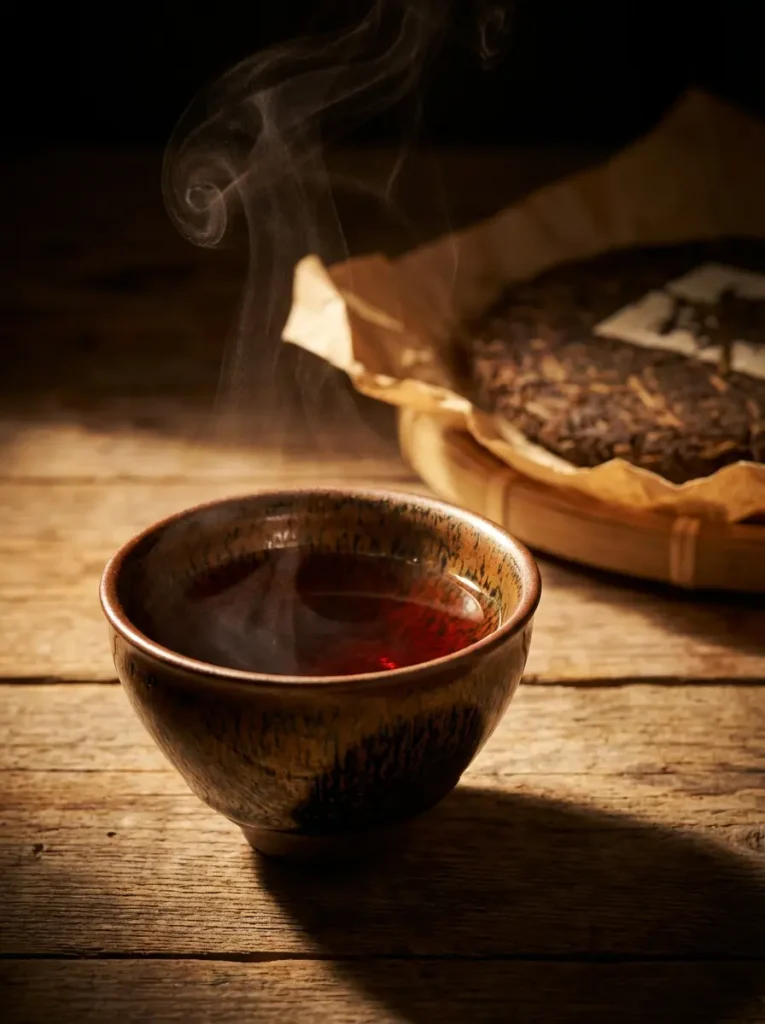
Pu-erh demands high water temperatures—typically 95–100°C (203–212°F). It also rewards patience. Good pu-erh can handle 10–20 or more steepings, each revealing different flavor notes.
The problem? Each steeping cools quickly in thin cups. By the third or fourth infusion, you’re drinking lukewarm tea. Tenmoku solves this beautifully.
| Pu-erh Type | Flavor Profile | Tenmoku Enhancement |
|---|---|---|
| Shou (Ripe) | Earthy, smooth, woody | Softened texture, extended warmth |
| Sheng (Raw) | Vegetal, astringent, complex | Mellowed bitterness, rounded finish |
| Aged Pu-erh | Deep, sweet, camphor notes | Preserved aromatic depth |
The mineral interaction between tenmoku glaze and pu-erh creates something special. Iron from the glaze interacts with the tea’s chemistry. Many drinkers notice their pu-erh tastes smoother and less harsh.
Pro tip: Pre-warm your tenmoku cup before brewing pu-erh. Pour hot water in, let it sit for 30 seconds, then discard. This brings the cup to temperature so your first sip stays hot.
3. Wuyi Rock Oolong (Yancha) – The Mineral Match
Wuyi rock oolong—also called Yancha (岩茶)—comes from the Wuyi Mountains in Fujian Province. This is the same region where tenmoku cups originated. The pairing feels almost fated.
Rock Tea Meets Rock-Fired Glaze
Wuyi teas are famous for their yan yun (岩韵), or “rock rhyme.” This mineral quality comes from iron-rich soil on rocky cliff faces. Sound familiar? Tenmoku cups draw from similar geological origins.
Learn more in our gongfu brewing method.
Popular Wuyi varieties include:
- Da Hong Pao (Big Red Robe) – roasted, complex, with honey sweetness
- Rou Gui (Cinnamon) – spicy, cinnamon-forward character
- Shui Xian (Water Sprite) – floral, honey notes, smooth texture
These roasted oolongs shine in tenmoku. The cup’s heat retention lets you appreciate subtle flavor changes as the tea cools. Each sip at a different temperature reveals new dimensions.
Wuyi rock teas and tenmoku cups share remarkable kinship—both are born from iron-rich Fujian earth, creating natural harmony between vessel and tea.
Brewing parameters for Wuyi oolongs:
- Water temperature: 95–100°C (203–212°F)
- Steep time: Start at 20–30 seconds, increase with each infusion
- Leaf amount: 5–7 grams per 100ml
4. Roasted Oolong & Hojicha – The Warm Toast
Roasted teas deliver warm, comforting flavors—think caramel, nuts, and toasted grain. Tenmoku cups amplify these cozy qualities beautifully.
Maximizing Roasted Notes with Tenmoku
Hojicha is a Japanese roasted green tea with a distinctive reddish-brown color. Unlike most Japanese teas, it’s roasted rather than steamed. The result is a tea with nutty, caramel notes and very low caffeine.
Hojicha in a tenmoku cup offers something special. The roasted character seems to deepen. The caramel notes become more pronounced. And because hojicha is traditionally brewed at lower temperatures (around 90°C), the tenmoku’s heat retention means every sip stays pleasantly warm.
Other roasted teas that excel in tenmoku:
- Phoenix Dan Cong – Guangdong oolongs with honey-orchid aromatics
- Dong Ding – Taiwanese oolong with roasted, creamy qualities
- Aged Tie Guan Yin – traditionally roasted Iron Goddess oolong
The dark tenmoku glaze creates beautiful contrast with hojicha’s amber-red color. Hold your cup up to the light and watch the liquid glow.
5. Black Tea – The Bold Statement
Black tea—called hong cha (红茶) or “red tea” in Chinese—is fully oxidized tea with robust, bold flavors. The tenmoku cup softens its tannic edge while preserving its strength.
Taming Tannins with Iron-Rich Glaze
Black tea can be astringent. Those mouth-drying tannins that make your tongue feel fuzzy? The mineral properties of tenmoku glaze seem to mellow them. Many drinkers report a rounder, gentler experience.
Best black teas for tenmoku:
- Lapsang Souchong – smoky black tea from Wuyi Mountains (another Fujian connection!)
- Keemun – wine-like Chinese black tea with orchid notes
- Dian Hong – Yunnan golden tips with malty, honey sweetness
The visual aspect matters too. Rich amber and burgundy tones of black tea look gorgeous against dark tenmoku glaze. Oil-spot patterns seem to shimmer beneath the liquid surface.
- Water temperature: 90–100°C (194–212°F)
- Steep time: 3–5 minutes for Western style; shorter for gongfu
- Tenmoku benefit: Reduced astringency, rounder mouthfeel
6. High-Mountain Oolong – The Delicate Dance
High-mountain oolongs from Taiwan represent some of the world’s finest tea. Grown at elevations above 1,000 meters, these lightly oxidized teas offer floral, buttery complexity.
Preserving Floral Notes Through Temperature Control
Taiwan’s prized high-mountain oolongs include:
- Ali Shan – buttery, floral, from 1,000–1,400 meters
- Li Shan – creamy, orchid notes, from 1,800+ meters
- Shan Lin Xi – refreshing, bamboo forest character
These delicate teas require careful temperature management. Too hot destroys subtle aromatics. Too cool fails to extract full flavor. Tenmoku’s gradual cooling lets you taste the tea at multiple temperatures within a single session.
The cream-colored liquor of high-mountain oolongs creates softer visual contrast than darker teas. But the interplay of light on the glaze surface adds dimension. Hare’s fur patterns seem to ripple beneath the pale tea.
- Water temperature: 85–90°C (185–194°F)
- Steep time: 45–90 seconds, adjusting by infusion
- Tenmoku benefit: Preserved floral notes; gradual temperature descent reveals flavor evolution
7. Gyokuro & Sencha – The Japanese Connection
The historical link between Japan and tenmoku cups makes Japanese green teas a fitting choice. These teas honor the Zen monks who first brought tenmoku to Japan.
Honoring the Zen Tradition
Gyokuro is Japan’s most prized green tea. Shade-grown for 20+ days before harvest, it develops intense umami and sweetness. Brewing temperature is critical—around 50–60°C (122–140°F).
This low temperature might seem unsuited to tenmoku’s heat retention. But consider: gyokuro’s precious umami dissipates quickly as the tea cools. Tenmoku keeps it in the sweet spot longer.
Sencha offers a more everyday option. This steamed green tea has grassy, vegetal notes with balancing sweetness. Brewed at 70–80°C, sencha benefits from tenmoku’s temperature stability.
Both teas connect to tenmoku’s history. When Japanese Zen monks studied at Chinese monasteries in the 13th century, they encountered whisked tea served in dark bowls. They brought both traditions home. The tea eventually evolved into matcha culture. The bowls became tenmoku.
Japanese Zen monks first discovered tenmoku cups at Mount Tianmu in China during the 13th century. They brought these bowls home along with the tea seeds that would become Japan’s matcha tradition.
- Gyokuro temperature: 50–60°C (122–140°F)
- Sencha temperature: 70–80°C (158–176°F)
- Tenmoku benefit: Extended optimal temperature; visual contrast with bright green liquor
How to Get the Best Experience from Your Tenmoku Cup
Brewing Tips for Maximum Enjoyment
- Pre-warm your cup. Pour hot water in, let sit 30 seconds, then discard. This ensures your first sip stays hot.
- Pour slowly. Watch the tea color against the dark glaze. This visual moment is part of the experience.
- Hold with both hands. Feel the warmth transfer through the thick walls. The tactile sensation enhances enjoyment.
- Take small sips. Notice how flavor evolves as the tea gradually cools.
- Observe the glaze. As you drink, watch how patterns appear differently under liquid versus air.
Caring for Your Tenmoku Cup
Proper care preserves your cup’s beauty and function:
- Rinse immediately after use with warm water
- Avoid soap—it can leave residue in the porous glaze
- Skip the dishwasher—hand wash only
- Let it air dry completely before storing
- Embrace the patina—with use, your cup will develop character
Over time, tea will season your tenmoku cup. The glaze may develop subtle color changes. Many tea enthusiasts consider this “raising” the cup—a mark of love and use rather than damage.
Frequently Asked Questions
What tea is best for a tenmoku cup?
Tenmoku cups excel with heat-loving teas like pu-erh, Wuyi rock oolong, and matcha. The iron-rich glaze enhances flavor while superior heat retention benefits teas brewed at higher temperatures. However, any tea you enjoy can work—the cup simply offers different advantages with different types.
Can you drink any tea from a tenmoku cup?
Yes. Tenmoku cups work with all tea types. They particularly enhance dark teas (pu-erh, black tea, roasted oolong) through heat retention and mineral interaction, while providing beautiful visual contrast for lighter teas like matcha and green tea.
Why does tea taste better in tenmoku cups?
The high iron content in tenmoku glaze improves water alkalinity, creating a softer, smoother tea texture. Superior heat retention keeps tea at optimal drinking temperature longer. These properties combine to enhance both flavor and mouthfeel.
Is tenmoku glaze safe for tea?
Authentic tenmoku cups with properly fired glazes are 100% food-safe. The glaze is made from natural iron ore and plant ash, fired at temperatures above 1,300°C. This high-temperature firing makes the glaze chemically inert and non-toxic.
What’s the difference between Jianzhan and Tenmoku?
They refer to the same ceramic tradition. “Jianzhan” (建盏) is the Chinese term meaning “Jian cup,” referencing Jianyang where the style originated. “Tenmoku” (天目) is the Japanese name, derived from Mount Tianmu where Japanese monks first encountered these bowls.
How do I know if my tenmoku cup is authentic?
Authentic tenmoku cups feature heavy, dense construction with thick walls. The glaze should show natural variation—no two are identical. The foot (base) often shows exposed dark clay. Quality pieces come with certificates of authenticity from recognized artisans.
Finding Your Perfect Pairing
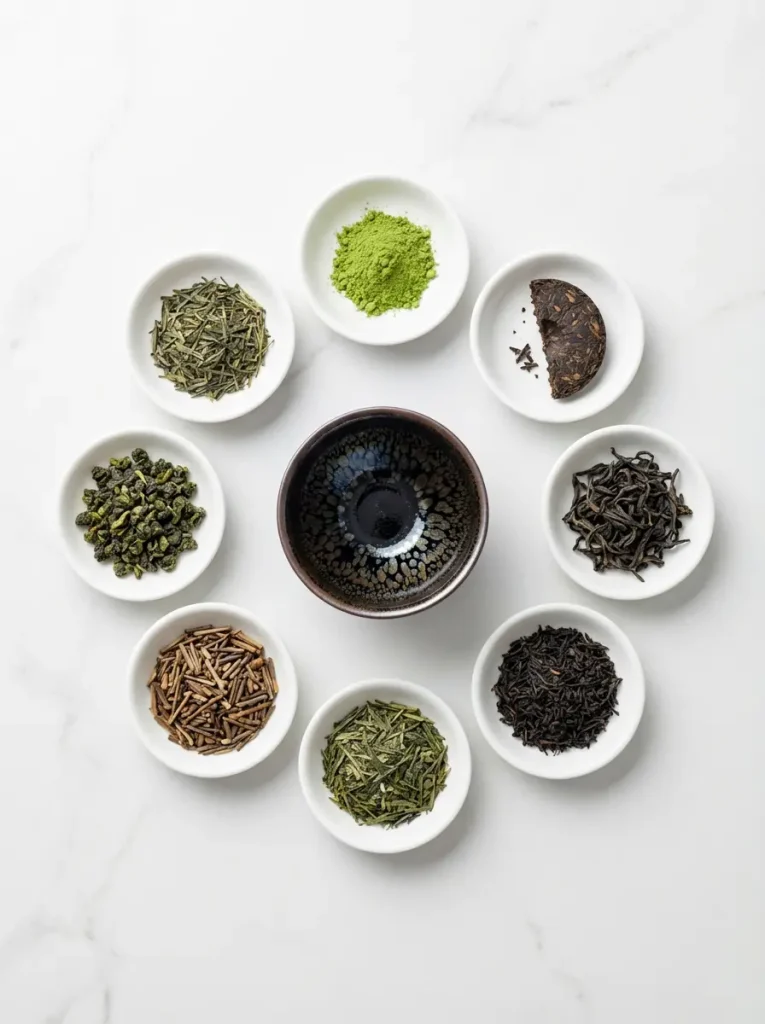
The seven teas we’ve explored each bring something unique to the tenmoku experience:
- Matcha – honors the historical connection with stunning visual contrast
- Pu-erh – benefits from sustained heat across multiple infusions
- Wuyi Oolong – shares mineral origins with the cup itself
- Hojicha & Roasted Oolongs – amplify warm, toasted character
- Black Tea – gains smoothness through mineral interaction
- High-Mountain Oolong – reveals flavor evolution through gradual cooling
- Gyokuro & Sencha – connect to Zen tradition and Japanese tea history
But here’s the truth: the best tea for your tenmoku cup is the one you love drinking. These ancient vessels enhance virtually any tea through their unique properties. The seven pairings above simply offer the most dramatic improvements.
The best tea for your tenmoku cup is ultimately the one you enjoy most. Let the ancient wisdom of Song Dynasty artisans guide your choice—but trust your own palate to make each cup truly yours.
Start with one of these seven teas. Pay attention to how the experience differs from your usual cup or mug. Notice the heat retention. Observe the visual interplay. Feel the weight in your hands.
A tenmoku cup isn’t just a drinking vessel. It’s an invitation to slow down, pay attention, and appreciate tea on a deeper level. That’s the real gift these thousand-year-old designs offer modern tea lovers.
Explore the tenmoku tea cup collection to find your perfect cup.
❓ How do I know if my tenmoku cup is authentic?
Look for an unglazed foot ring showing dark, iron-rich clay, metallic luster under light that shifts with viewing angle, and subtle asymmetry indicating hand-forming. See the handmade tenmoku identification guide for detailed authentication steps.
❓ Can I put my tenmoku cup in the dishwasher?
No. Always hand-wash with warm water only. Dishwasher detergent and high-pressure water can damage the glaze patina and may cause micro-cracking. The new tenmoku owner guide provides complete care instructions.
❓ What tea tastes best in a tenmoku cup?
Oolong and aged pu-erh are the classic pairings. The iron-rich glaze softens tannins and enhances aroma. Read the oolong-tenmoku pairing guide for the science behind this.
📚 References
- Song Dynasty Jian Ware Collection: The Metropolitan Museum of Art houses Song Dynasty tenmoku tea bowls with hare’s fur glaze, providing scholarly documentation on Jian ware history and characteristics.
- Smithsonian Asian Art Collection: The Smithsonian National Museum of Asian Art maintains extensive Jian ware tea bowl collections with detailed provenance and historical context.
- UNESCO Intangible Cultural Heritage: In 2022, traditional Chinese tea processing techniques were added to UNESCO’s Representative List of the Intangible Cultural Heritage of Humanity, recognizing the cultural significance of tea practices.
- Jian Ware Historical Documentation: Wikipedia’s Jian Ware entry provides comprehensive sourced information on manufacturing techniques, historical context, and the relationship between Chinese Jianzhan and Japanese Tenmoku traditions.
Ready to find your perfect tenmoku tea cup? Explore Zen Tea Cup and discover handcrafted pieces that elevate every sip.


