

Contents
- Why Tenmoku Makes a Meaningful Gift
- The Deep Significance Behind Every Tenmoku Cup
- What Makes Tenmoku Different From Other Gift Options
- Which Occasions Call for a Tenmoku Gift
- How to Match the Cup to the Recipient
- Why Handmade Matters More Than Price
- The Artisan Story Adds Emotional Weight
- What Happens When Someone Receives a Tenmoku Gift
- Practical Tips for Giving a Tenmoku Cup
- Presentation and Packaging
- Care Instructions to Include
- Addressing Common Gift-Giver Concerns
- ❓ Will They Actually Use It?
- ❓ Is Tenmoku Glaze Food Safe?
- ❓ What If They Already Have One?
- ❓ How Do I Know It Is Authentic?
- 📚 References
Why Tenmoku Makes a Meaningful Gift
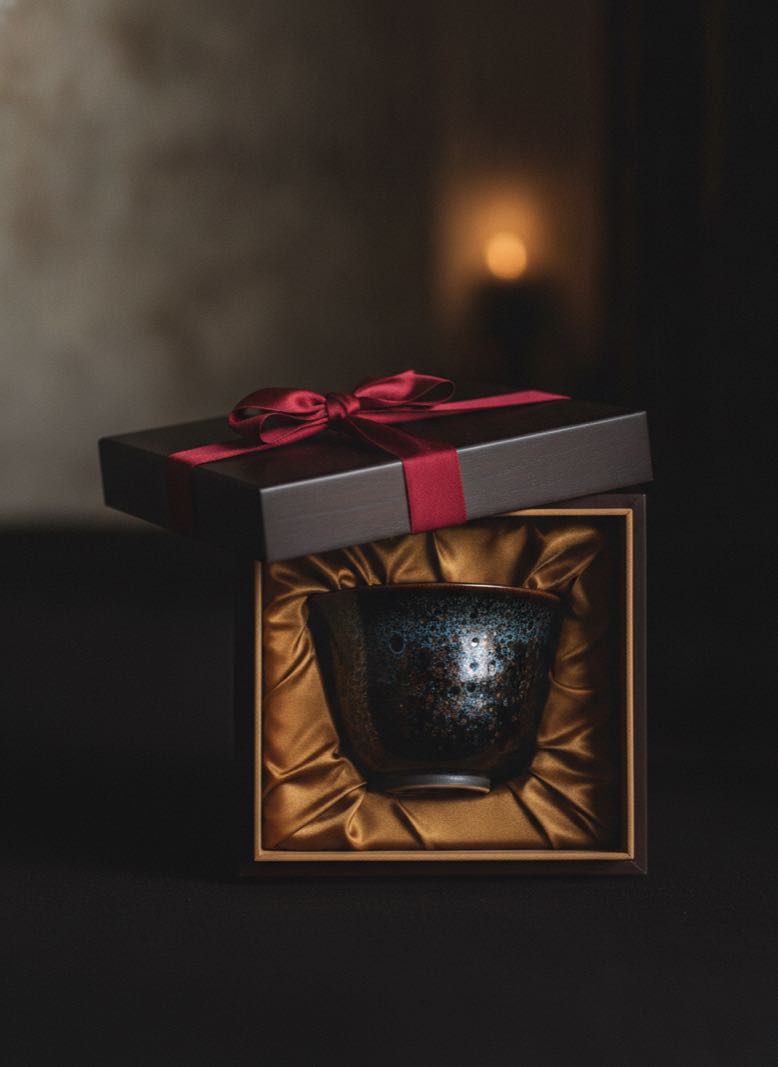
A tenmoku tea cup makes a meaningful gift because each handcrafted piece carries 1,000 years of artisan tradition, unique glaze patterns that never repeat, and a daily tea ritual that turns an ordinary moment into a meditative experience — qualities no mass-produced gift can match. When you give someone a tenmoku cup from Zen Tea Cup, you are not just giving a vessel; you are giving a story, a craft, and a daily practice of mindfulness.
| Key Stat | Value |
|---|---|
| Origin | Song Dynasty (960–1279 AD) |
| Firing Temperature | 2,300°F (1,260°C) |
| Iron Content in Clay | 7–8% iron oxide |
| Typical Diameter | 3.5–4.7 inches (9–12 cm) |
| Weight Range | 4.2–6.3 oz (120–180 g) |
| Price Range for Gifts | $35–$150+ USD |
| Glaze Success Rate | 20–30% per firing |
| Tradition Age | 1,000+ years |
The Deep Significance Behind Every Tenmoku Cup
Every tenmoku cup begins its journey in the iron-rich clay of Fujian’s Jianyang region — the same clay that Song Dynasty emperors prized for tea competitions over a millennium ago. The clay contains 7–8% iron oxide, which reacts at 2,300°F (1,260°C) to create those mesmerizing oil-spot and hare’s-fur patterns that make each cup truly one of a kind (no two firings produce the same result).
What Makes Tenmoku Different From Other Gift Options
Unlike factory-made ceramics that roll off assembly lines by the thousands, a handmade tenmoku cup survives a firing process where only 20–30% of pieces achieve the desired glaze pattern. The artisan who shaped your cup may have watched dozens of failures before this one emerged from the kiln — and that rarity is what you give to someone when you choose tenmoku. A mass-produced mug costs $8 and says nothing about the person receiving it. A tenmoku cup says: “I chose something made by human hands, tested by fire, and impossible to duplicate.”
This is why tenmoku gifts resonate so deeply — they carry the weight of craft, not just the weight of clay. When you hold a tenmoku bowl, you feel the slight indent below the rim where the potter’s thumb rested, and the subtle variations in wall thickness that only hand-throwing produces. These imperfections are not flaws; they are the signature of a living tradition that stretches back to the Song Dynasty tea battles of the 11th century.
Which Occasions Call for a Tenmoku Gift
A tenmoku tea cup fits almost any occasion where you want your gift to feel intentional and lasting. Below is a guide to matching the right tenmoku gift to the right moment.
| Occasion | Recommended Style | Price Range |
|---|---|---|
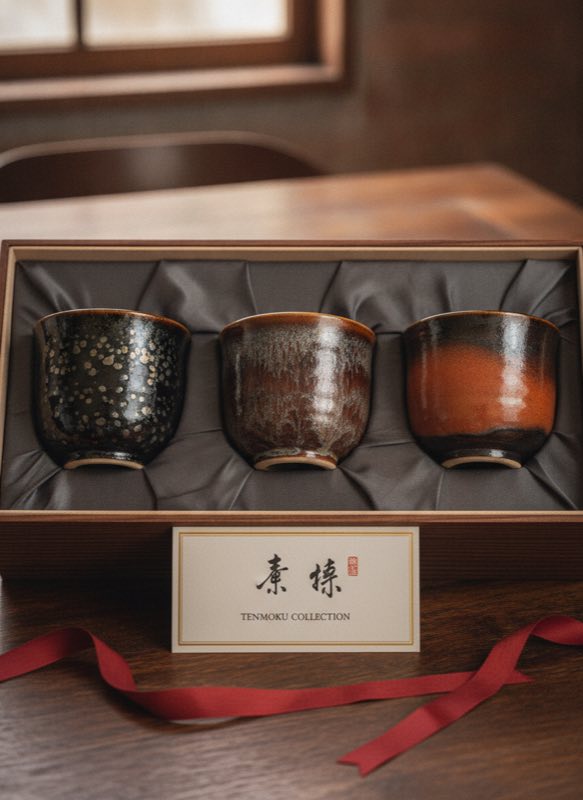
| Birthday | Oil-spot pattern (celebratory shimmer) | $35–$75 |
| Anniversary | Hare’s-fur (flowing, romantic lines) | $60–$120 |
| Housewarming | Yao Bian (iridescent, conversation piece) | $80–$150+ |
| Retirement | Classic black glaze (dignified, timeless) | $50–$100 |
| Wedding | Matching pair (shared ritual) | $100–$200 pair |
| Thank-You | Small 3.5-inch cup (intimate, personal) | $35–$55 |
How to Match the Cup to the Recipient
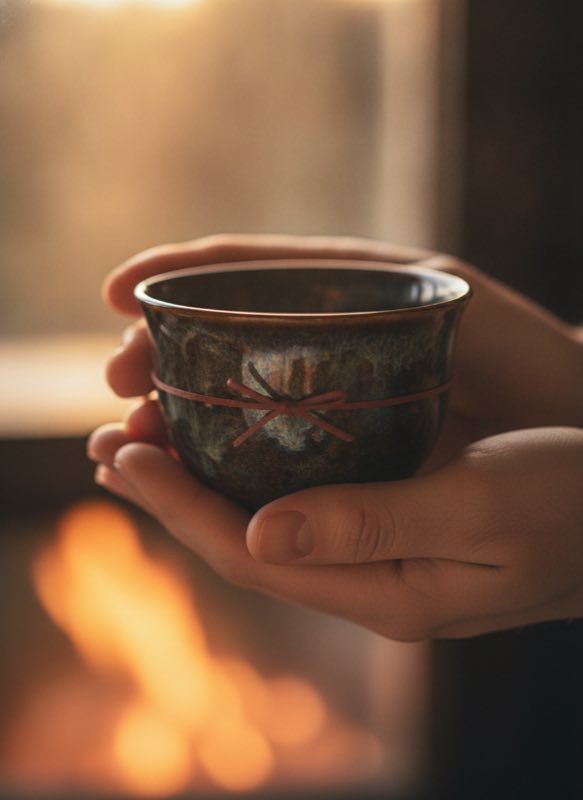
Think about who will receive the cup. A tea ceremony practitioner will appreciate a larger 4.7-inch (12 cm) bowl for whisking matcha. A casual tea drinker may prefer a smaller 3.5-inch (9 cm) cup that fits comfortably in one hand. A collector will value rare glaze patterns like Yao Bian — the “kiln-altered” effect that shifts colors depending on the light. If you are unsure, a mid-size oil-spot tenmoku in the $50–$80 range is the safest and most universally appreciated choice. You can explore tenmoku glaze patterns and their meanings to find the one that best matches your recipient’s personality.
Why Handmade Matters More Than Price
When you compare a $15 factory cup to a $60 handmade tenmoku, the price difference tells only part of the story. The real value lies in what the recipient experiences every time they use it. A handmade cup develops a patina over months and years of use — the glaze responds to the oils in tea, slowly deepening in luster. Factory glazes stay static forever. This living quality is what transforms a tenmoku cup from an object into a companion.
Consider the math: if your recipient drinks tea once a day, a $60 tenmoku cup costs less than $0.17 per use over its first year. Over five years — and tenmoku cups last decades with proper care — that drops to $0.03 per use. The emotional return, however, is immeasurable. Each morning when they reach for the cup you gave them, they remember the thought behind it.
The Artisan Story Adds Emotional Weight
Every tenmoku cup has a backstory that mass-produced items simply cannot offer. The potter who shaped it trained for years — often a decade or more — before achieving consistent results. The firing process takes 10–15 minutes at peak temperature, but the preparation, loading, and cooling span days. When you tell the recipient that their cup was one of the few that survived a firing with a successful pattern, you give them something to talk about, something to share, something that connects them to a living artisan across the world.
What Happens When Someone Receives a Tenmoku Gift
The unboxing experience of a tenmoku cup is unlike opening any other gift. The first thing most recipients notice is the weight — 4.2 to 6.3 ounces (120–180 g) of dense, iron-rich clay that feels substantial in the hand. Then comes the glaze: under room light, a tenmoku cup may look simply dark, but tilt it toward a window and the oil-spot pattern shimmers to life, or the hare’s-fur lines reveal their flowing texture. This moment of discovery — when the cup transforms from “a dark bowl” to “a work of art” — is the emotional payoff that makes tenmoku such a powerful gift.
Recipients often describe feeling a sense of calm when they first use their tenmoku cup. The weight grounds the hand; the smooth glaze invites touch; the tea seems to taste richer (and there is science behind that — the iron content in the clay can subtly soften water). This daily ritual of brewing, pouring, and sipping becomes a small act of mindfulness — a gift that keeps giving long after the wrapping paper is gone.
Practical Tips for Giving a Tenmoku Cup
You want your gift to arrive beautifully and be easy for the recipient to enjoy right away. Here are the practical details that make the difference between a good gift and a great one.
Presentation and Packaging
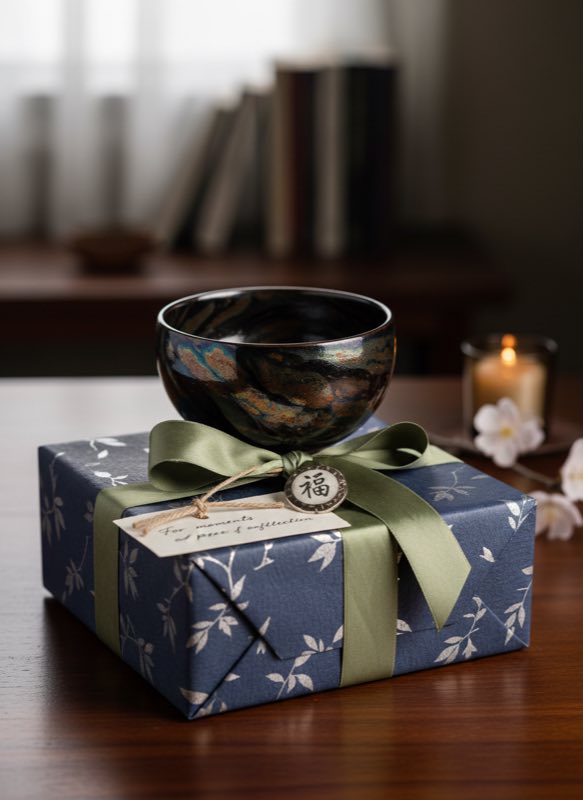
Most tenmoku cups ship in a padded gift box, but you can elevate the experience by adding a handwritten note that explains the cup’s glaze pattern and origin. A simple card that says “This oil-spot tenmoku was hand-fired at 2,300°F — only 1 in 4 pieces survives with this pattern” turns a beautiful object into an unforgettable story. If you are giving the cup in person, brew a cup of tea with it before you hand it over — the warmth and aroma create an immediate sensory connection.
Care Instructions to Include
Include a small card with basic care tips: rinse with warm water after each use, avoid dishwashers and soap, and let the cup air-dry naturally. Over time, the glaze will develop a richer patina from the tea oils — this is called “nurturing the cup” and is considered a mark of a well-loved piece. For detailed guidance, point them to Jian Zhan tea cup care tips so they can keep their gift beautiful for decades.
Addressing Common Gift-Giver Concerns
If you are hesitating because you worry the recipient might not appreciate it, or you are unsure about authenticity, these answers will help you give with confidence.
❓ Will They Actually Use It?
Yes — tenmoku cups are surprisingly versatile. They work for Gongfu-style tea, everyday brewing, matcha, and even coffee or beer. The 3.5–4.7-inch (9–12 cm) diameter fits comfortably in one hand, and the weight feels grounding rather than heavy. Even someone who does not consider themselves a “tea person” will find themselves reaching for a tenmoku cup because it makes any warm drink feel special.
❓ Is Tenmoku Glaze Food Safe?
Absolutely. Authentic tenmoku glaze is fired at 2,300°F (1,260°C) — well above the temperature where any harmful compounds could survive. The iron oxide in the clay and glaze is the same type used in food-safe ceramics worldwide. Reputable sellers test their cups for lead and cadmium compliance. If you want the full scientific breakdown, the Smithsonian Institution’s safety guidelines for ceramics confirm that high-fired stoneware like tenmoku is among the safest food-contact surfaces available.
❓ What If They Already Have One?
Tenmoku collectors rarely stop at one cup — each glaze pattern is unique, so a second cup is never redundant. If your recipient already owns a hare’s-fur cup, gift them an oil-spot. If they have a classic black glaze, surprise them with Yao Bian. The variety is the appeal, and most enthusiasts are thrilled to add a new pattern to their collection.
❓ How Do I Know It Is Authentic?
Look for three signs: (1) visible throwing rings on the interior wall — evidence of hand-throwing on a potter’s wheel, (2) slight variations in wall thickness — factory cups are uniformly thin, and (3) an unglazed foot ring showing the raw iron-rich clay. The Metropolitan Museum of Art’s Jian ware collection shows what authentic Song Dynasty tenmoku looks like — modern handmade pieces follow the same traditions.
📚 References
- Tenmoku Teabowls: Kyoto National Museum’s collection and history of tenmoku ware from Jianyang kilns. Kyoto National Museum
- Jian Ware Collection: Metropolitan Museum of Art — Song Dynasty tea bowls and glaze analysis. The Metropolitan Museum of Art
- Ceramics Safety Standards: Smithsonian Institution guidelines on health and safety in ceramic arts. Smithsonian Institution
When you want a gift that makes a lasting impression, browse the handmade tenmoku collection at Zen Tea Cup — each cup carries a thousand years of meaning, and every meaningful gift makes a difference that lasts a lifetime.


