

The best tenmoku tea cup gifts match the recipient’s tea habits — a Hare’s Fur cup for beginners ($25-80), an Oil Spot bowl for enthusiasts ($50-150), or a curated gift set for collectors ($100+). Whether you are shopping for a birthday, holiday, or just because, a tenmoku cup says “I put real thought into this” louder than any generic mug ever could.
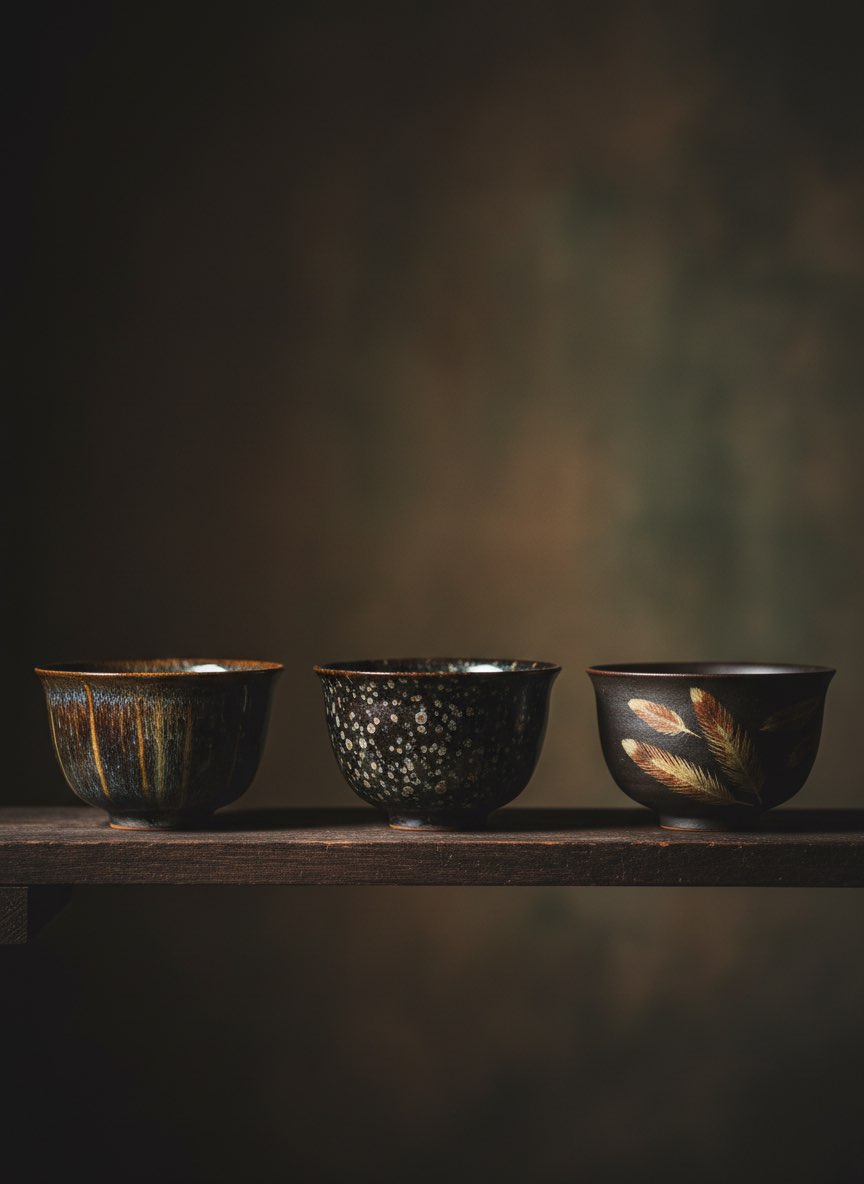
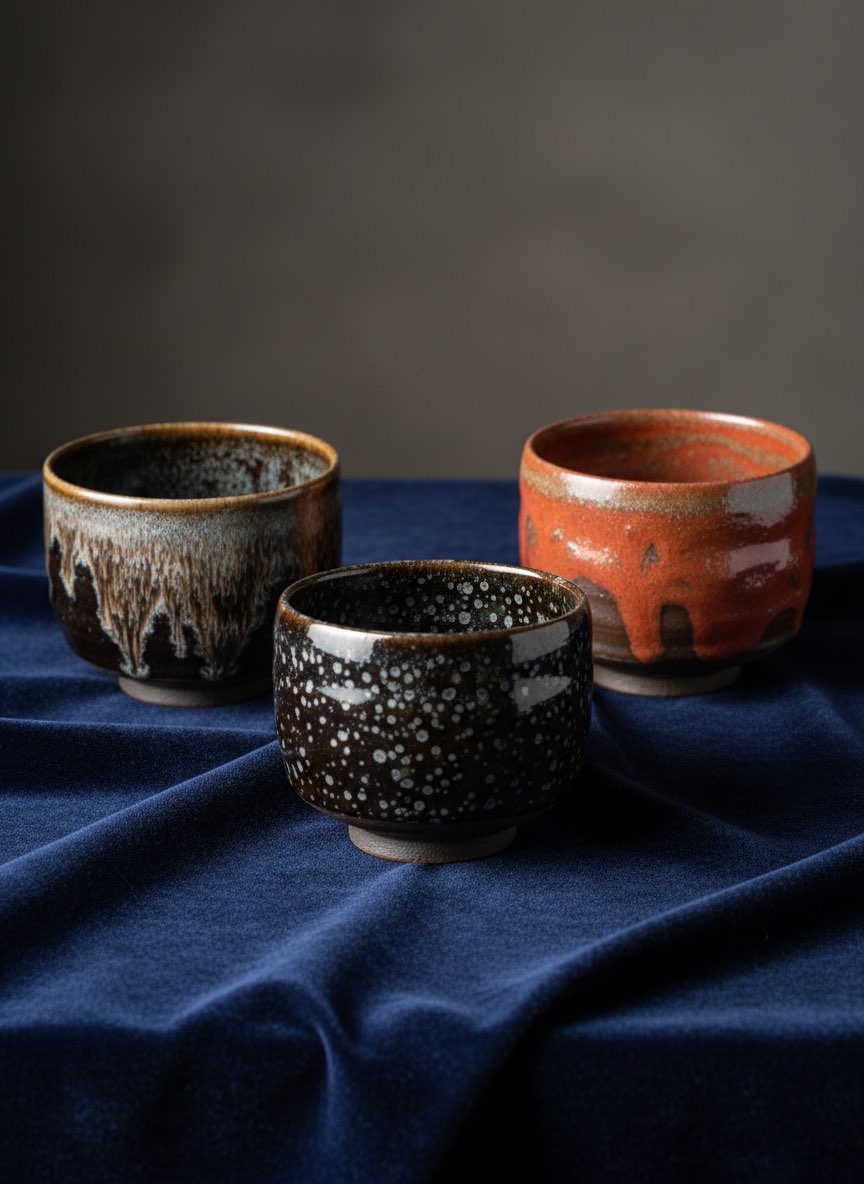
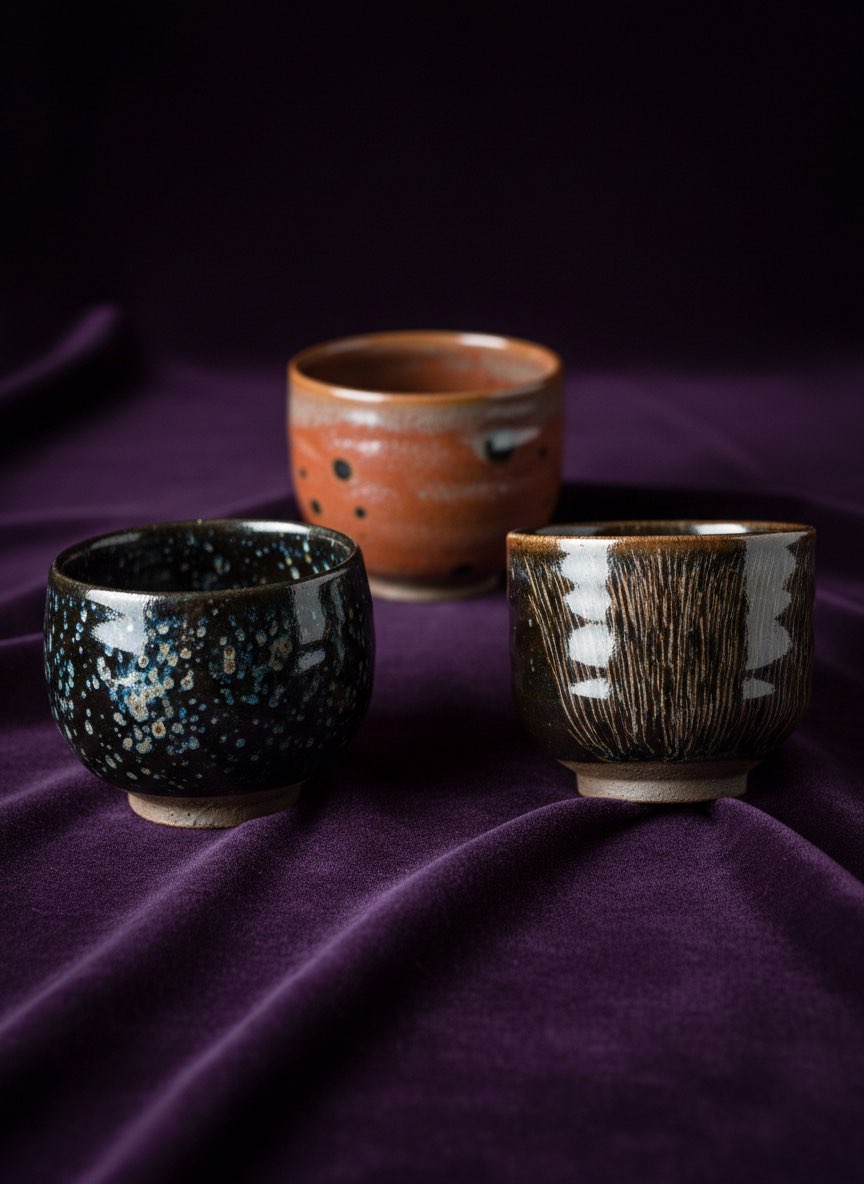
This guide helps you choose the right tenmoku cup for the tea lover in your life — organized by who they are, what they drink, and what fits your budget. Zen Tea Cup curates authentic, hand-fired pieces at every price point.
| Key Stat | Value |
|---|---|
| Firing Temperature | 1300°C (2372°F) |
| Yield Rate | 5-15% per kiln |
| Price Range | $25-200+ USD |
| Cup Diameter | 7-12 cm (2.8-4.7 in) |
| Weight | 120-250 g |
| Origin | Song Dynasty (960-1279) |
| Uniqueness | Every piece is one-of-a-kind |
Contents
- Why a Tenmoku Cup Makes a Thoughtful Gift
- Each Cup Tells a Story
- It Improves With Age
- Top Tenmoku Gifts by Recipient
- For the Tea Curious ($25-50)
- For the Dedicated Tea Drinker ($50-100)
- For the Collector ($100+)
- Pairing Tea with Your Gift
- How to Present a Tenmoku Gift
- What to Know Before You Buy
- ❓ What’s a Good Gift for Someone Who Loves Tea?
- ❓ Are Tenmokus Tea Cups Legit?
- ❓ What Are the Most Sought After Tea Cups?
- ❓ Where Are Tenmoku Tea Cups Made?
- 📚 References
Why a Tenmoku Cup Makes a Thoughtful Gift
A tenmoku cup is not just a drinking vessel — it is a one-of-a-kind piece of functional art that gets more beautiful with use. Fired at 1300°C (2372°F) in kilns where only 5-15% of pieces survive with acceptable glaze patterns, each cup carries the mark of an unpredictable process that no factory can replicate.
When you give someone a tenmoku cup, you are giving them something that literally nobody else owns — not even the artisan who made it can produce an exact duplicate. That makes it a thoughtful gift by definition (and yes, the recipient will notice the difference between this and a mass-produced mug).
Each Cup Tells a Story
The glaze patterns on tenmoku cups — Hare’s Fur, Oil Spot, Yohen — are created by iron-rich minerals melting and flowing inside the kiln. The temperature, the oxygen level, and the cooling speed all interact in ways that even the most skilled potter cannot fully control. The result? Every cup has a pattern that exists only once in the world.
It Improves With Age
Unlike most gifts that depreciate or gather dust, a tenmoku cup actually develops more character over time. The tea oils build a subtle patina (called yang zhan or “raising the cup”) that deepens the glaze and enhances the colors. After 3-6 months of regular use, a tenmoku cup looks richer than the day you unwrapped it — a gift that literally keeps giving.
Top Tenmoku Gifts by Recipient
The secret to a great gift is matching the piece to the person. Here are our recommendations organized by who will be receiving it.
| Recipient | Best Pick | Budget |
|---|---|---|
| Tea curious (new to tea) | Hare’s Fur cup | $25-50 |
| Dedicated tea drinker | Oil Spot bowl | $50-100 |
| Collector or connoisseur | Yohen-accented or gift set | $100+ |
For the Tea Curious ($25-50)
Someone just getting into tea does not need the rarest piece — they need something approachable, beautiful, and durable enough for daily use. A Hare’s Fur cup in the $25-50 range is the perfect starting point. The fine vertical lines in the glaze give it a classic look, and the price makes it an easy gift choice without second-guessing. Our guide to the best tenmoku bowls for matcha includes several options that work beautifully for beginners.
For the Dedicated Tea Drinker ($50-100)
If your recipient already has a gongfu tea setup or a morning matcha ritual, step up to an Oil Spot cup. The round, metallic-looking spots across the glaze create a mesmerizing effect under light — and they signal that you know the difference between a casual gift and a considered one. Our size guide helps you pick the right diameter (7-9 cm for tasting, 10-12 cm for display).
For the Collector ($100+)
For someone who collects ceramics or has deep knowledge of tea culture, look for a piece with Yohen accents or a curated gift set. These are the rarest patterns — and the ones that collectors talk about. Our authentication guide helps you verify you are getting the real thing.
Pairing Tea with Your Gift
A tenmoku cup is even better when paired with the right tea. Here is a simple matching guide: the cup enhances the experience, and the tea enhances the cup (through that patina-building process we mentioned earlier).
Oolong + Tenmoku: The thick walls of a tenmoku cup retain heat at the perfect temperature for oolong’s layered flavors. Our beginner’s guide to oolong teas covers Tieguanyin and Da Hong Pao — both pair beautifully with Oil Spot tenmoku.
Matcha + Chawan: A wider tenmoku bowl (chawan style, 10-12 cm) is the traditional vessel for whisked matcha. The textured interior helps create a smoother froth. Our gongfu brewing guide includes tips that translate to matcha preparation as well.
Puerh + Thick-Walled Cup: Aged puerh benefits from the heat retention of a thick-walled tenmoku cup. The iron-rich glaze also seems to round out puerh’s earthy notes — tea drinkers consistently report a smoother taste from tenmoku compared to thin porcelain.
Here are a few more pairing ideas that tea lovers appreciate: a Tieguanyin oolong with a Hare’s Fur cup for floral notes, or a roasted Da Hong Pao with an Oil Spot cup for deeper, warmer flavors. The key insight is that the cup is not just a container — it actively shapes the tasting experience through heat retention, glaze interaction, and even the way the tea pools in the bowl’s curve.
How to Present a Tenmoku Gift
Presentation matters. A tenmoku cup arrives in a traditional wooden box (7 x 7 x 7 cm for standard cups) with a silk cushion inside. If your piece does not come with one, you can find wooden presentation boxes online for under $10. Add a handwritten card explaining what makes the cup unique — the 1300°C firing, the 5-15% yield rate, the Song Dynasty heritage — and you have turned a beautiful object into an unforgettable gift.
What to Know Before You Buy
A few practical tips to make sure your gift lands perfectly:
Size matters: 7-9 cm diameter is ideal for gongfu-style tasting (small sips, multiple infusions). 10-12 cm works better for matcha or as a display piece. When in doubt, go with 8-9 cm — it is the most versatile size.
Hand wash only: Let your recipient know that tenmoku cups should never go in the dishwasher. Warm water and a soft cloth are all they need.
Authenticity: Genuine tenmoku cups show the raw clay body on the foot ring (the base), and the glaze has depth and crystalline structure under light. Our size and care guide covers these markers in detail.
❓ What’s a Good Gift for Someone Who Loves Tea?
A tenmoku tea cup is one of the best gifts for tea lovers because it is functional, beautiful, and unique — no two pieces are alike. Pair it with a bag of quality oolong or matcha for a gift set that shows genuine thought. Budget options start around $25 for a Hare’s Fur cup, and the presentation box it comes in makes it feel like a truly special occasion. Unlike generic mugs or electric kettles, a tenmoku cup is something the recipient will actually use every single day — and think of you each time they do.
❓ Are Tenmokus Tea Cups Legit?
Yes — tenmoku (also called Jian Zhan) has a 1,000-year history dating back to the Song Dynasty (960-1279). Authentic pieces are hand-fired at 1300°C in kilns with a 5-15% yield rate, meaning each successful cup carries the cost of 85-95 failed attempts. Look for the raw clay body on the foot ring and crystalline structures in the glaze as authenticity markers. At Zen Tea Cup, every piece we sell is sourced directly from Jianyang artisans.
❓ What Are the Most Sought After Tea Cups?
Yohen Tenmoku cups are the most sought after — only three complete examples are recognized as Japanese National Treasures. Among available pieces, Oil Spot patterns are the collector’s favorite due to their visual impact and relative rarity.
❓ Where Are Tenmoku Tea Cups Made?
Authentic tenmoku (Jian Zhan) cups are made in Jianyang, Fujian Province, China — the same region where they were first created during the Song Dynasty. Modern artisans continue the tradition using wood-burning and gas kilns that replicate the conditions responsible for those legendary glaze patterns. The clay and iron-rich glaze minerals are still sourced locally, which is why authentic pieces have a distinctive dark, earthy foot ring that imitations cannot match.
📚 References
- Jian Ware Collection: The Freer Gallery of Art at the Smithsonian Institution preserves one of the finest collections of Song Dynasty Jian ware outside Asia. Smithsonian Institution
- Yohen Tenmoku National Treasures: The Tokyo National Museum houses one of three surviving Yohen Tenmoku cups designated as Japanese National Treasures. Tokyo National Museum
- Chinese Ceramics Collection: The Metropolitan Museum of Art’s Department of Asian Art holds significant Song Dynasty ceramic works, including Jian tea bowls. The Metropolitan Museum of Art
Ready to find the perfect tenmoku gift? Explore our handcrafted collection at Zen Tea Cup — from beginner-friendly Hare’s Fur cups to collector-grade Oil Spot pieces, each one is fired at 2,300°F to create patterns that will never be repeated.
Ready to elevate your tea ritual? Explore these cups for handcrafted tenmoku cups shipped across the US.


