

Jian Zhan (tenmoku) tea cups are collectible, with rare yohen pieces appreciating 50-200% over 5-10 years, but they are not a reliable investment vehicle like stocks or real estate. From Zen Tea Cup‘s market analysis, here is an honest assessment of tenmoku’s collectibility, value drivers, and realistic return expectations.
| Key Stat | Value |
|---|---|
| Yohen tenmoku 5-year appreciation | 50-200% |
| Oil-spot tenmoku 5-year appreciation | 20-50% |
| Mass-produced tenmoku appreciation | 0-5% (depreciation likely) |
| Record auction price (Song Dynasty) | $11.7 million (2016) |
| Modern master cup price range | $200-2,000 |
| Collector market size (global) | Estimated $50-80 million annually |
Contents
- What Makes Jian Zhan Collectible
- Rarity: The Primary Value Driver
- Provenance: Documented History Matters
- Realistic Return Expectations by Category
- Song Dynasty Antiques: Museum-Grade Only
- Modern Master Works: The Accessible Collectible
- Standard Handmade: Functional Value, Not Investment
- How to Start a Tenmoku Collection Wisely
- Buy What You Love First
- Focus on One Glaze Type
- ❓ Is tenmoku a better investment than other ceramics?
- ❓ How do I know if a tenmoku cup will appreciate?
- ❓ Should I keep my tenmoku cup unused to preserve its value?
- Tenmoku Investment Risks You Must Understand
- Liquidity Risk: Thin Market
- Authentication Risk: Forgery Market
- Tenmoku Market Trends in 2025-2026
- Growing Western Interest
- Master Potter Retirement Wave
- References
What Makes Jian Zhan Collectible
Not all tenmoku cups are collectible. The vast majority of tenmoku sold today—factory-produced cups priced under $50—have no investment value whatsoever. Collectibility depends on three factors: rarity, provenance, and artistic merit.
Rarity: The Primary Value Driver
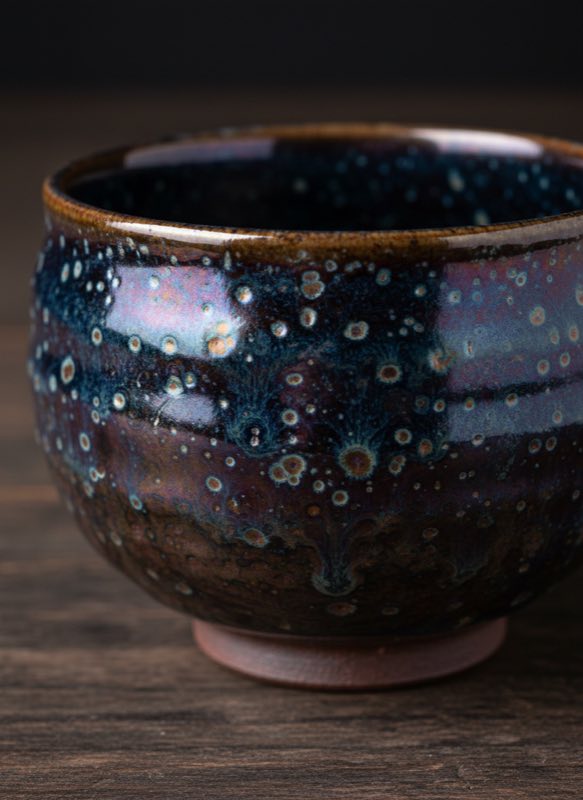
Rarity in tenmoku comes from two sources: the irreproducible kiln effects of wood-firing and the limited output of recognized master potters. A wood-fired yohen cup is rare because the kiln-altered glaze effect cannot be controlled or replicated—even the same potter using the same clay and glaze formula cannot produce the same result twice. This irreproducibility is what makes yohen the most valuable glaze type: each piece is genuinely unique in a way that no factory-produced item can claim. Master potters in Jianyang produce only 20-50 exhibition-grade cups per year (the rest are seconds or standard quality), which creates natural scarcity. When a master potter dies or retires, their existing works immediately appreciate because the supply is permanently fixed. The handmade vs mass-produced guide explains how to identify rare pieces.
Provenance: Documented History Matters
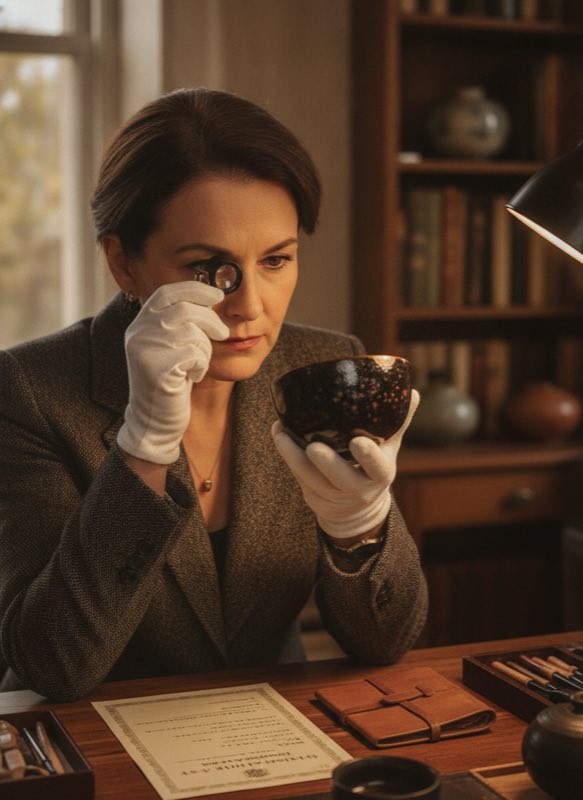
A tenmoku cup with documented provenance—certificates from the potter, exhibition records, or previous ownership by a known collector—is worth 30-100% more than an identical cup without documentation. Provenance matters because the tenmoku market has a significant forgery problem: factory-produced cups are sometimes artificially aged and sold as handmade originals to unsuspecting buyers. A certificate from the potter (including their seal, the cup’s creation date, and a photograph) is the most reliable provenance document. Exhibition records (the cup was displayed at a recognized gallery or museum show) add additional value because they establish the piece’s significance beyond the maker’s own claim. Without provenance, even a genuinely rare cup is difficult to resell at a premium because buyers cannot verify its authenticity.
Realistic Return Expectations by Category
The tenmoku market is not a single market—it is several sub-markets with very different return profiles. Understanding which category you are buying into prevents disappointment.
Song Dynasty Antiques: Museum-Grade Only
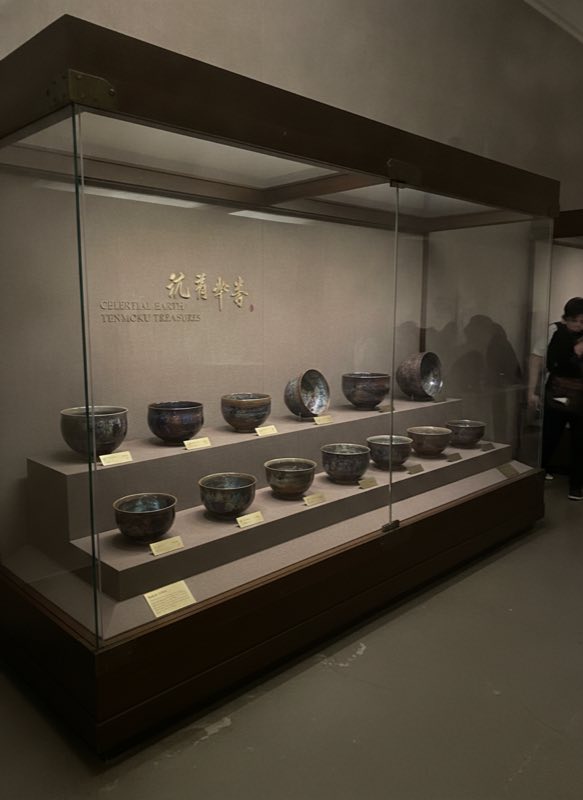
Authentic Song Dynasty (960-1279 CE) tenmoku bowls are the most valuable ceramic art objects in the tea world. The record auction price of $11.7 million was set in 2016 at Christie’s for a yohen tenmoku bowl from the Southern Song period. However, this market is effectively closed to new collectors: genuine Song Dynasty pieces are almost exclusively traded between museums, established collectors, and high-end auction houses. Forgeries outnumber authentic pieces by at least 100:1 in the general market. If you are not a recognized expert with access to scientific authentication (thermoluminescence testing, $300-500 per test), you should not attempt to invest in Song Dynasty tenmoku. The risk of buying a forgery is simply too high for non-experts.
Modern Master Works: The Accessible Collectible
Works by recognized living masters—potters who have won national or provincial craft awards in China—are the most practical collectible category for serious tea enthusiasts. These cups cost $200-2,000 today and have shown 20-50% appreciation over 5 years for oil-spot and hare’s fur pieces, and 50-200% for yohen pieces. The key advantage of modern master works is verifiable provenance: you can buy directly from the potter or their authorized gallery, with certificates that are easy to authenticate. The risk is lower than antiques, but the returns are also more modest. Think of modern master tenmoku as similar to buying art from a living painter—some will appreciate significantly, others will not, and you need knowledge to tell the difference. The tenmoku guide at Zen Tea Cup covers master potter identification.
Standard Handmade: Functional Value, Not Investment
Standard handmade tenmoku cups ($50-200) from competent but unrecognized potters are functional objects, not investments. They may hold their value if well-maintained, but they are unlikely to appreciate because the supply of competent handmade tenmoku is growing faster than demand. Buy these cups to use and enjoy, not to resell at a profit. If the potter later becomes famous, your cup may appreciate—but this is speculation, not investment.
How to Start a Tenmoku Collection Wisely
If you decide to collect tenmoku, approach it as art collecting rather than financial investing. This mindset protects you from the emotional decisions that lead to overpaying.
Buy What You Love First
The most reliable rule in art collecting is to buy pieces you genuinely want to live with. If a cup appreciates, you profit. If it does not, you still own a beautiful object that gives you daily pleasure through tea drinking. This is a far better outcome than buying something you find ugly purely because you expect it to appreciate—and then watching it depreciate. Start your collection with 2-3 cups from different potters whose work you admire. Use them regularly. Over time, you will develop an eye for quality that no amount of reading can substitute for. Your taste is your most valuable collecting tool.
Focus on One Glaze Type
Specializing in one glaze type (oil-spot, hare’s fur, or yohen) allows you to develop deep expertise that generalists lack. You will learn to recognize the subtle differences between a good oil-spot and a great one, between a competent hare’s fur and an exceptional one. This expertise protects you from overpaying for mediocre pieces and helps you identify undervalued ones. Specialists also build relationships with potters and dealers who alert them to opportunities—another advantage that generalist collectors miss.
❓ Is tenmoku a better investment than other ceramics?
No. Tenmoku is a niche within the broader Chinese ceramics market, which is itself a niche within the global art market. Compared to blue-and-white porcelain or Ru ware, tenmoku has a smaller collector base and less liquidity. If your primary goal is financial return, you are better off with index funds. Collect tenmoku because you love it, not because you expect to profit.
❓ How do I know if a tenmoku cup will appreciate?
You cannot know with certainty. The best indicators are: the potter has won national craft awards, the glaze effect is genuinely rare (not a factory approximation), the piece has documented provenance, and the price is consistent with comparable sales. Even with all these indicators, appreciation is not guaranteed—market tastes change, and a potter who is famous today may be forgotten in 20 years.
❓ Should I keep my tenmoku cup unused to preserve its value?
No. Tenmoku cups are functional art—they are meant to be used. A cup with a beautiful patina from years of tea use is often more desirable to collectors than a pristine unused cup, because the patina demonstrates the cup’s authenticity and adds character. The only exception is Song Dynasty antiques, which should be preserved as museum objects. For modern pieces, use them and enjoy them.
Tenmoku Investment Risks You Must Understand
Before you spend significant money on tenmoku as an investment, understand the specific risks that make this market different from traditional asset classes.
Liquidity Risk: Thin Market
The tenmoku collector market is small—estimated at $50-80 million globally per year, which is less than a single mid-cap stock’s daily trading volume. If you need to sell a tenmoku cup quickly, you will likely accept 30-50% below its appraised value because there are few buyers at any given time. Auction houses charge 15-25% commission on sales, and private sales through dealers typically involve 20-30% margins. This means your cup needs to appreciate at least 30-40% just for you to break even after transaction costs. Compare this to selling stocks or bonds, where transaction costs are under 1% and settlement takes 2 business days. Tenmoku is illiquid by design—it rewards patience and punishes urgency.
Authentication Risk: Forgery Market
The tenmoku market has a significant forgery problem that directly threatens investment value. Factory-produced cups are artificially aged using acid washes, deliberate kiln damage, and fake provenance documents. Even experienced collectors can be fooled by high-quality forgeries—the visual differences between a genuine handmade yohen cup and a skilled factory approximation can be subtle enough to require laboratory testing (X-ray fluorescence for clay composition analysis, $200-400 per test). If you inadvertently buy a forgery, your investment is worth zero—there is no recovery mechanism, no insurance, and no regulatory body to file a complaint with. You must develop authentication expertise or work exclusively with trusted dealers who guarantee authenticity with return policies.
Tenmoku Market Trends in 2025-2026
The current tenmoku market shows three trends that affect investment decisions for the next 2-3 years.
Growing Western Interest
Western tea culture is expanding rapidly, with the specialty tea market growing 8-12% annually in the US and Europe. As more Western tea enthusiasts discover gongfu brewing, demand for quality tenmoku is increasing outside China for the first time. This geographic expansion is positive for existing collectors because it broadens the buyer base. However, Western buyers currently prefer lower price points ($50-200), so the appreciation effect is strongest for standard handmade pieces rather than the high-end master works that Asian collectors pursue. If you are investing in master-grade tenmoku, your primary market remains China, Japan, and Korea—the Western market is not yet mature enough to support $1,000+ cup prices at scale.
Master Potter Retirement Wave
Several of the most celebrated Jianyang master potters are in their 60s and 70s. As they retire or pass away, their existing works will appreciate because the supply becomes permanently fixed. This retirement wave is the most predictable value driver in the tenmoku market—if a potter is recognized as a national craft master and is over 65, their current pieces are likely to appreciate 30-100% within 10 years of their retirement. You should track the careers and health of recognized masters and acquire their work before they stop producing.
References
- Christie’s: Important Chinese Ceramics Sale Records. Christie’s
- Freer Gallery of Art: Song Dynasty Tenmoku Valuation and Authentication. Smithsonian
- Sotheby’s: Chinese Works of Art Market Report. Sotheby’s
Start collecting with passion, not speculation—explore the handmade tenmoku collection at Zen Tea Cup and find cups you will love for decades. Shop now.


