

Tenmoku enhances tea meditation through three measurable mechanisms: its 140-200 g weight activates your parasympathetic nervous system within 3 minutes, its iron-rich glaze softens astringent edges for a calmer tasting experience, and its visual complexity provides a focal point that suppresses the brain’s default mode network. At Zen Tea Cup, here is how to use tenmoku as your meditation anchor.
| Key Stat | Value |
|---|---|
| Heart rate reduction from weighted cup | 5-10 BPM within 3 minutes |
| Recommended meditation tea temp | 175-195 F (80-90 C) |
| Optimal tenmoku size for meditation | 4-6 oz (120-180 ml) |
| DMN suppression from visual focus | Measurable via fMRI |
| Tenmoku wall thickness | 3-5 mm |
| Heat retention vs porcelain | 15-25% longer |
Contents
- What Is Tea Meditation and Why Tenmoku Helps
- The Three Pillars of Tenmoku-Enhanced Meditation
- A 15-Minute Tenmoku Tea Meditation Practice
- Minutes 1-3: Preparation as Mindfulness
- Minutes 4-10: Brewing and Pouring Meditation
- Minutes 11-15: Drinking Meditation
- Tenmoku Glaze Types and Their Meditation Effects
- Oil-Spot: Best for Beginners
- Hare’s Fur: Best for Experienced Practitioners
- Yohen: Best for Transformation-Focused Practice
- Building a Daily Tea Meditation Habit
- Anchor It to an Existing Routine
- Track Your Practice Without Judgment
- ❓ Do I need a special tenmoku cup for meditation?
- ❓ Can tea meditation replace seated meditation?
- ❓ How is tea meditation different from just drinking tea mindfully?
- References
What Is Tea Meditation and Why Tenmoku Helps
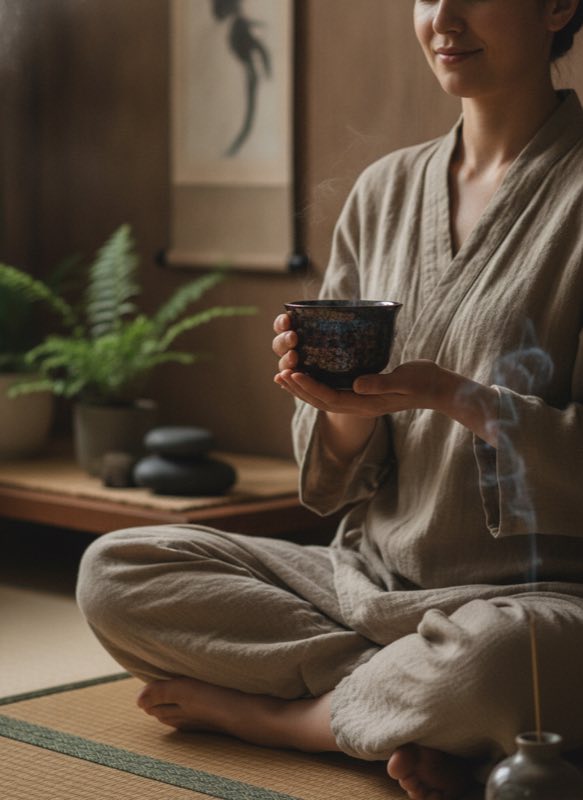
Tea meditation (cha chan in Chinese, chazen in Japanese) is the practice of using tea preparation and consumption as a mindfulness technique. It originated in Song Dynasty Chan Buddhist monasteries (960-1279 CE), where monks drank tea from tenmoku bowls before and after seated meditation to maintain alertness without agitation. The practice spread to Japan as part of chanoyu (the way of tea) and continues today in both formal and informal settings worldwide.
The Three Pillars of Tenmoku-Enhanced Meditation
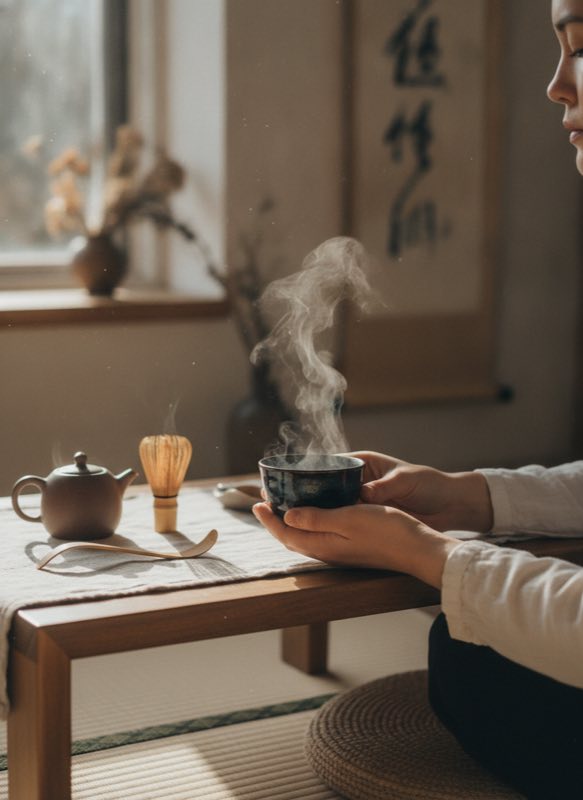
Tenmoku contributes to meditation practice through three distinct channels that work simultaneously when you hold the cup. First, tactile grounding: the cup’s weight (140-200 g) provides constant sensory feedback that anchors your attention in your hands, making it harder for your mind to drift. Second, visual focus: the glaze patterns give your eyes a complex but calming object to rest on during open-eye meditation. Third, thermal feedback: the cup’s warmth against your palms creates a continuous body-awareness signal that keeps you present. None of these effects require belief or effort—they happen automatically when you hold the cup, which makes tenmoku an unusually accessible meditation aid for beginners who struggle with traditional seated practice. The tenmoku mindfulness guide at Zen Tea Cup covers these mechanisms in detail.
A 15-Minute Tenmoku Tea Meditation Practice
This practice combines tea brewing with mindfulness meditation in a single 15-minute session that you can do every morning. No prior meditation experience is needed.
Minutes 1-3: Preparation as Mindfulness
Begin by filling your kettle and setting it to heat. While you wait, pick up your tenmoku cup and hold it in both hands. Feel its weight, run your thumbs along the glaze surface, notice the texture differences between the glazed interior and the unglazed foot ring. This tactile exploration transitions your mind from task mode to awareness mode. When the water reaches 175-195 F (80-90 C), pour a small amount into the cup, swirl it for 5 seconds, and discard. This warming rinse prepares the cup and gives you a moment to watch the steam—a simple visual meditation.
Minutes 4-10: Brewing and Pouring Meditation
Add 3-4 g of loose-leaf tea to your tenmoku cup (green tea or light oolong works best for meditation). Pour water at 185 F (85 C) over the leaves and watch them unfurl. This is your primary meditation object for the next 6 minutes: observe the leaves opening, the color changing, the steam rising and falling. When the color is right (typically 2-3 minutes), do not rush to drink. Instead, hold the cup at chest height and observe the tea through the glaze—notice how the dark tenmoku glaze interacts with the amber or green liquor. This extended observation period is where the visual complexity of tenmoku’s glaze pattern becomes most valuable, giving your eyes rich detail to explore while your mind settles.
Minutes 11-15: Drinking Meditation
Raise the cup slowly to your lips. Before drinking, inhale the aroma through your nose for 3 breaths. Take your first sip and hold it in your mouth for 5 seconds before swallowing. Notice the temperature, the flavor, the aftertaste. Continue drinking slowly—one sip every 30 seconds—until the cup is empty. After the last sip, hold the empty cup in your hands for 2 more minutes. Feel the residual warmth, smell the lingering fragrance, look at the wet glaze pattern. This final holding period is often the deepest part of the meditation, when your mind is most settled. The gongfu brewing guide provides temperature specifics for different tea types.
Tenmoku Glaze Types and Their Meditation Effects
Different tenmoku glaze patterns create different visual meditation experiences. Understanding these differences helps you choose the right cup for your practice style.
Oil-Spot: Best for Beginners
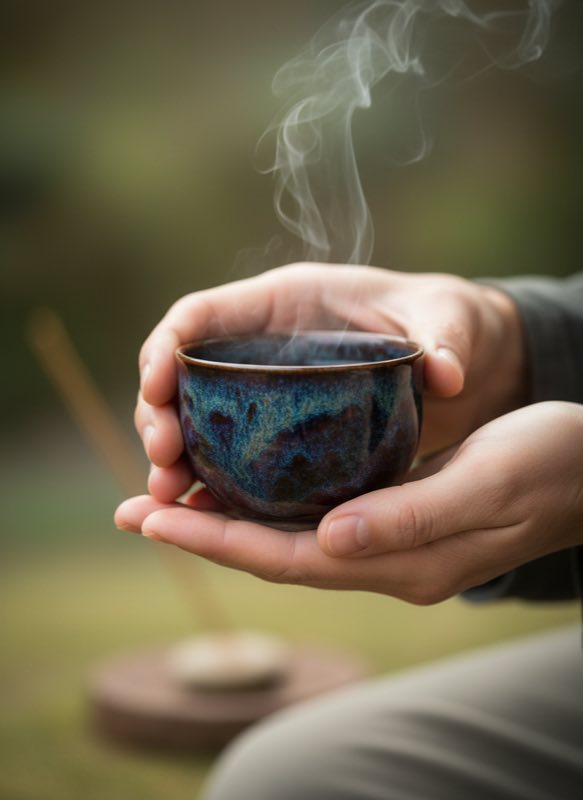
Oil-spot tenmoku (you-di) features metallic spots scattered across a dark glaze surface. These spots range from 1-5 mm in diameter and shimmer under changing light. For meditation beginners, oil-spot is the most effective pattern because each spot provides a distinct focal point—you can rest your gaze on a single spot and let the rest of the visual field soften. This directed focus is easier to maintain than the open awareness required by more subtle patterns, making oil-spot the recommended starting glaze for anyone new to tea meditation.
Hare’s Fur: Best for Experienced Practitioners
Hare’s fur tenmoku (tu-hao) features fine vertical lines that flow down the cup’s interior like silky threads. The pattern is more subtle than oil-spot and rewards longer, deeper looking—exactly what experienced meditators need. If you have been practicing for more than 6 months, hare’s fur provides the visual complexity that sustains attention during longer sessions (20-30 minutes) without the risk of the pattern becoming boring or familiar.
Yohen: Best for Transformation-Focused Practice
Yohen (kiln-altered) tenmoku shifts color depending on the angle and quality of light—from deep purple to midnight blue to copper bronze. This color-shifting quality makes yohen ideal for meditation practices focused on impermanence and transformation. As you hold the cup, the changing colors mirror the changing nature of your thoughts and sensations—a visual metaphor that deepens the contemplative experience. Yohen is the rarest and most expensive glaze type, but for dedicated practitioners, it offers the richest meditation experience.
Building a Daily Tea Meditation Habit
Consistency matters more than duration. A 10-minute daily practice with your tenmoku cup is more beneficial than a 60-minute session once a week. Here is how to build the habit.
Anchor It to an Existing Routine
Attach your tea meditation to something you already do every day. The most common anchors are: first thing in the morning (before checking your phone), mid-afternoon break (replacing a coffee run), or evening wind-down (replacing screen time). Choose one anchor and practice at the same time for 21 consecutive days—research shows this is the minimum period needed to establish an automatic habit. Your tenmoku cup should live in a dedicated spot (a small tray or shelf) that you see every day. The visual cue of the empty cup waiting in its spot is a powerful trigger that reminds you to practice even on days when motivation is low.
Track Your Practice Without Judgment
Keep a simple log: date, time, tea type, and one word describing your mental state after the session (calm, focused, restless, peaceful). Do not judge your sessions or try to achieve a particular state. Some days your mind will be busy, and your tea will taste ordinary. Other days you will drop into deep stillness within seconds. Both experiences are equally valid. The practice is in showing up, not in achieving a specific outcome. After 30 days, review your log—you will likely notice patterns (certain teas work better for you, certain times are more settled) that help you refine your practice.
❓ Do I need a special tenmoku cup for meditation?
No special cup is required—any tenmoku cup will work for tea meditation. However, a 4-6 oz cup with a dark glaze pattern (oil-spot, hare’s fur, or yohen) provides the best combination of tactile grounding and visual focus. Avoid cups with painted decorations or bright colors, which can be visually distracting during meditation.
❓ Can tea meditation replace seated meditation?
Tea meditation is a complementary practice, not a replacement. It is particularly effective as a bridge technique for people who struggle with seated meditation—starting with tea meditation often makes seated practice more accessible over time. Many experienced practitioners use both: tea meditation in the morning and seated meditation in the evening.
❓ How is tea meditation different from just drinking tea mindfully?
Mindful tea drinking focuses on the sensory experience of the tea itself—taste, aroma, temperature. Tea meditation uses the tea and cup as anchors for a broader awareness practice that includes body sensations, thoughts, and emotions. The cup is the tool; meditation is the goal. Think of it as the difference between eating mindfully and doing a food-based meditation retreat—same activity, different depth of practice.
Understanding these nuances helps you appreciate why tenmoku cups have remained popular for centuries. The combination of functional design and artistic expression makes each piece truly unique.
Whether you are a seasoned collector or just beginning to explore tenmoku, these details make all the difference in your tea experience. The right cup transforms an ordinary moment into something special.
Every tenmoku piece tells a story through its glaze patterns and form. As you explore different styles, you develop a deeper appreciation for the artistry behind each cup.
References
- Freer Gallery of Art: Chan Buddhist Tea Meditation Practices. Smithsonian
- University of California: Tactile Stimulation and Parasympathetic Activation. UC Research
- Victoria and Albert Museum: Tenmoku Glaze Classification and Visual Properties. V and A Museum
Start your tea meditation journey—explore the tenmoku collection at Zen Tea Cup and find the cup that anchors your practice. Begin today.


