

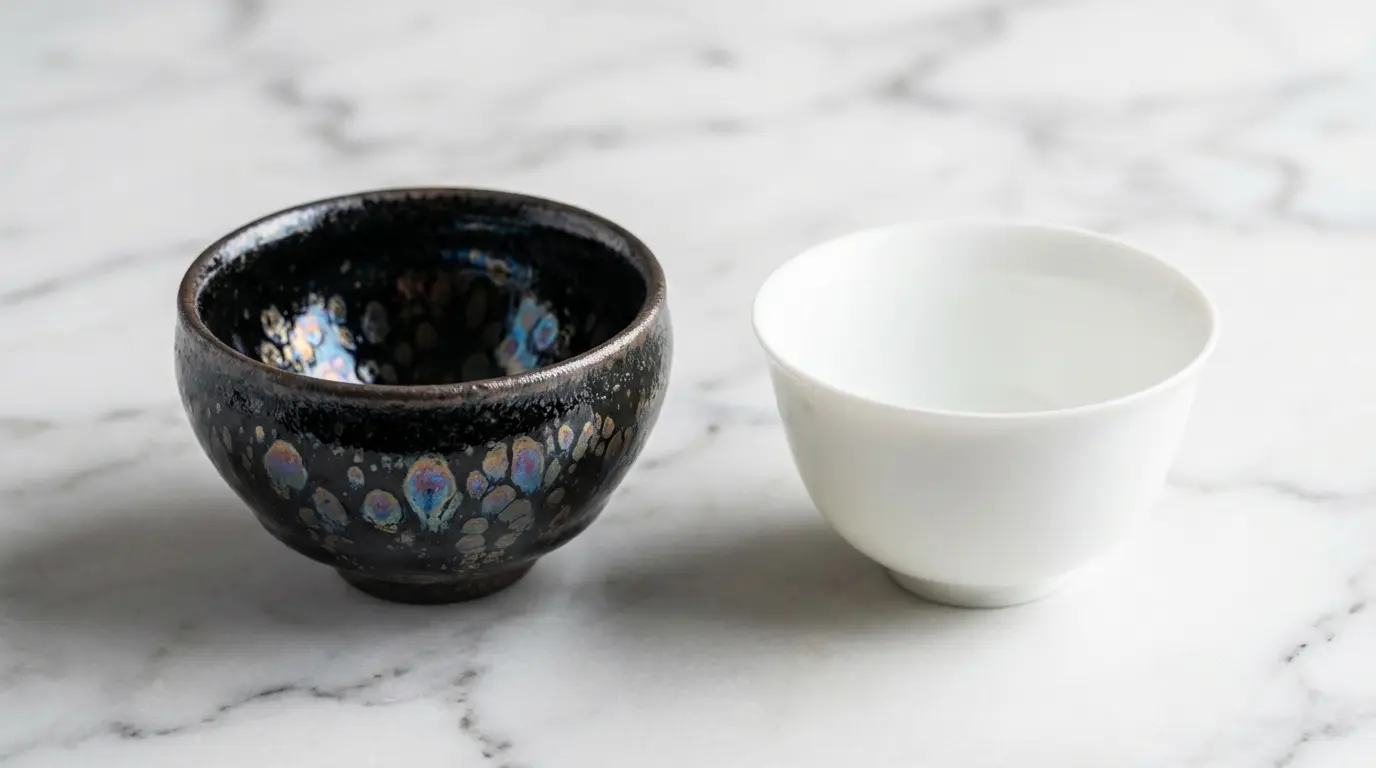
Choosing between Jian Zhan and porcelain tea cups can transform your daily tea ritual. These two types of teaware offer distinctly different experiences—from heat retention to flavor enhancement. At ZenTeaCup, we help tea enthusiasts understand exactly what makes each option special so you can find your perfect match.
Contents
- What Are Jian Zhan Tea Cups?
- What Are Porcelain Tea Cups?
- How Material Composition Affects Your Tea Experience
- Jian Zhan Pros: Why Choose Black Porcelain Tea Cups
- Jian Zhan Cons: Potential Drawbacks to Consider
- Porcelain Tea Cup Pros: Benefits of Fine China
- Porcelain Tea Cup Cons: Limitations of Fine China
- Heat Retention Comparison: Which Keeps Tea Warmer Longer?
- Best Tea Types for Jian Zhan vs Porcelain
- Price and Value Comparison: Investment Considerations
- Safety and Care: Maintenance Requirements
- Making Your Choice: Which Cup Is Right for You?
- ❓ Frequently Asked Questions
- Does Jian Zhan really make tea taste better?
- Can I use Jian Zhan tea cups in the microwave?
- Why are authentic Jian Zhan cups so expensive?
- Are porcelain tea cups safe if they have painted designs?
- Which tea cup type is better for beginners?
- How do I know if my Jian Zhan is authentic?
- ❓ How do I know if my tenmoku cup is authentic?
- ❓ Can I put my tenmoku cup in the dishwasher?
- ❓ What tea tastes best in a tenmoku cup?
- 📚 References
What Are Jian Zhan Tea Cups?
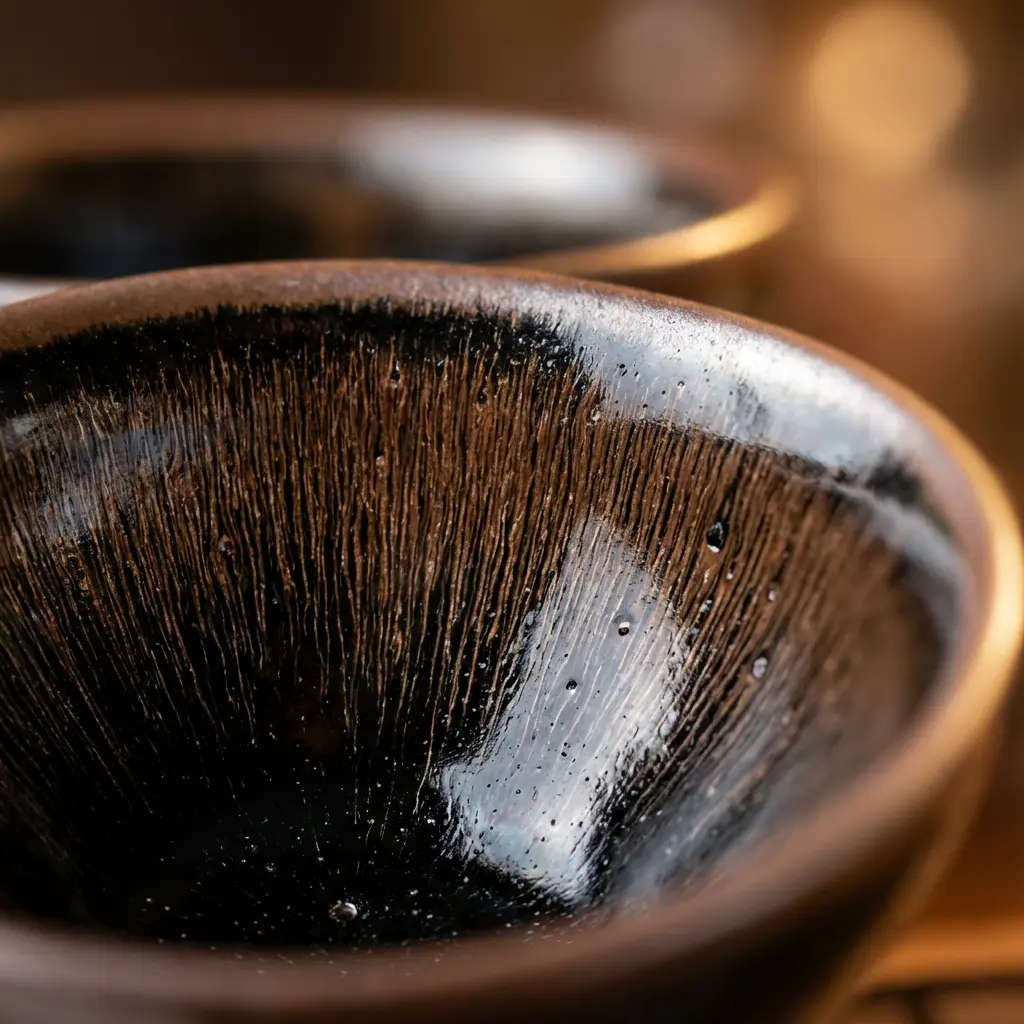
Jian Zhan tea cups are handcrafted black porcelain vessels from Jianyang, China, dating back to the Song Dynasty (960-1279 AD). These cups feature iron-rich clay containing 7-10% iron oxide and distinctive crystallized glaze patterns formed through firing at 1300-1400°C in traditional dragon kilns.
For more details, see the handmade vs mass-produced tenmoku.
The defining characteristic of Jian Zhan is its thick, dark glaze with natural patterns. Popular designs include hare’s fur (fine brown streaks), oil spot (silvery droplets), and partridge feather (iridescent spots). Each cup is genuinely one-of-a-kind because these patterns form randomly during the high-temperature firing process.
During the Song Dynasty, Jian Zhan reached its peak. Buddhist monks and tea masters prized these cups for tea competitions where whisked matcha foam contrasted beautifully against the dark glaze. In Japan, the style became known as Tenmoku (天目) and remains a treasured part of tea ceremony culture.
In summary, Jian Zhan represents ancient Chinese ceramic artistry focused on functionality and natural beauty rather than decorative complexity.
What Are Porcelain Tea Cups?
Porcelain tea cups are refined ceramic vessels made from kaolin clay mixed with feldspar and quartz, fired at 1200-1300°C. These cups feature 2-3mm thin walls, a smooth non-porous surface, and often translucent quality when held to light.
Porcelain originated in China but evolved differently than Jian Zhan. While Jian Zhan focused on thick, functional simplicity, porcelain developed toward refinement and elegance. European manufacturers in the 17th century became captivated by porcelain’s glass-like properties and began creating their own versions.
The material composition makes porcelain naturally non-reactive with tea. It won’t alter flavor or absorb tea oils. The thin construction allows for delicate shapes and detailed decoration, from plain white to elaborate hand-painted designs.
Bottom line: Porcelain offers versatility, elegance, and a neutral canvas that lets tea’s natural character shine through.
How Material Composition Affects Your Tea Experience
The iron-rich glaze in Jian Zhan actively interacts with tea by releasing divalent iron ions during use. This chemical reaction improves tea alkalinity, softening texture and reducing bitterness. The glaze contains silica, alumina, ferric oxide, and calcium oxide that work together to alter tea chemistry subtly.
In contrast, porcelain’s smooth, vitrified surface remains chemically inert. It preserves tea’s original flavor profile without adding or subtracting anything. This neutrality makes porcelain ideal when you want to taste tea exactly as the tea master intended.
Here’s a simple test you can try at home: Brew identical tea in both cup types. After 4-6 hours, taste both. Users typically report that Jian Zhan tea stays fresher while tea in regular porcelain develops more bitterness. This difference demonstrates Jian Zhan’s mineral interaction in action.
| Feature | Jian Zhan | Porcelain |
|---|---|---|
| Material | Iron-rich clay (7-10% iron oxide) | Kaolin clay + feldspar + quartz |
| Chemical Interaction | Active (releases mineral ions) | Inert (no interaction) |
| Taste Impact | Softens texture, reduces bitterness | Preserves original flavor |
| Tea Freshness | Maintains longer (6+ hours) | Develops bitterness faster |
Jian Zhan Pros: Why Choose Black Porcelain Tea Cups
Heat retention stands out as Jian Zhan’s biggest advantage. The 5-8mm thick walls keep tea at optimal drinking temperature for 15-20 minutes—about three times longer than thin porcelain. This makes Jian Zhan perfect for slow, meditative tea sessions.
The key takeaway is that Jian Zhan offers multiple functional benefits beyond aesthetics:
- Superior insulation: Thick construction prevents heat loss while keeping the exterior comfortable to hold
- Flavor enhancement: Mineral interaction softens harsh notes and brings out sweetness
- Exceptional durability: Fired at extreme temperatures, these cups resist thermal shock and chipping
- Unique artistry: No two cups identical—each pattern is a natural occurrence
- Cultural significance: Own a piece of 1,000-year-old Chinese tea tradition
- Developing patina: Absorbs tea oils over time, creating a personalized finish
- Safety certified: Properly fired at 1300°C+ means lead-free and cadmium-free
Jian Zhan particularly suits oolong, pu-erh, and matcha—teas that thrive at higher temperatures. The dark glaze also provides stunning visual contrast when whisking matcha, just as Song Dynasty tea masters discovered centuries ago.
Jian Zhan Cons: Potential Drawbacks to Consider
Weight presents the most immediate challenge. A standard 120ml Jian Zhan cup weighs 150-300 grams—about three times heavier than a comparable porcelain cup. This heft can cause hand fatigue during extended tea sessions and makes the cups less portable.
Here’s what you need to know about Jian Zhan’s limitations:
- High price point: Authentic artisan pieces range from $30-$100 for basic quality to $500-$13,000+ for master works
- Microwave incompatible: High iron content makes microwave use dangerous
- Limited availability: Traditional firing methods produce high rejection rates
- Hand wash only: Dishwasher heat may damage developing patina
- Conceals tea color: Dark glaze prevents you from seeing tea liquor color
- Thick lip sensation: Different mouthfeel compared to thin porcelain
- Learning curve: Quality assessment requires knowledge of authentic patterns
The traditional firing process also means 70-80% of cups get rejected for imperfections. Master potters literally smash substandard pieces to maintain quality standards, which contributes to higher prices for surviving cups.
Porcelain Tea Cup Pros: Benefits of Fine China
Thin lip design creates porcelain’s signature drinking experience. At just 1-2mm thickness, the rim allows tea to glide smoothly onto your tongue, enhancing flavor perception and encouraging mindful sipping. This refinement makes porcelain feel elegant and graceful.
To put it simply, porcelain excels in several practical areas:
- Lightweight comfort: At 50-100 grams per cup, porcelain won’t tire your hand
- Refined aesthetics: Thin, translucent walls showcase tea color beautifully
- Flavor neutrality: Won’t alter tea’s authentic character
- Wide price range: Options from $5 to $500 suit any budget
- Stain resistant: Non-porous surface cleans easily
- Universal compatibility: Works well with all tea types
- Dishwasher safe: Generally safe for machine washing (check manufacturer guidelines)
- Microwave friendly: Most plain porcelain handles microwave use
Porcelain’s versatility makes it perfect for everyday use. You can switch from delicate green tea to robust black tea without any residual flavor transfer. The wide opening typical of porcelain cups also allows aromas to develop and reach your nose before each sip.
At these pieces, we curate both traditional Jian Zhan pieces and refined porcelain options, helping customers find the right balance between functionality and aesthetic preference for their unique tea journey.
Learn more in our glass vs ceramic vs tenmoku comparison.
Porcelain Tea Cup Cons: Limitations of Fine China
Fragility remains porcelain’s most significant weakness. The thin 2-3mm walls chip and crack easily from impacts or temperature shock. Even gentle bumps can cause damage that compromises the cup’s integrity and may create spaces for bacteria to harbor.
The most important thing to remember is that porcelain’s disadvantages include:
- Poor heat retention: Cools to lukewarm within 5-10 minutes
- Breakage prone: Requires careful handling and storage
- Burn risk: Thin walls transfer heat quickly to lips
- Safety concerns: Decorative glazes may contain lead or cadmium
- Thermal shock: Sudden temperature changes can cause cracking
- Limited character: Mass production reduces uniqueness
- No flavor enhancement: Purely neutral, adds nothing to tea experience
The safety concern deserves special attention. According to FDA regulations, ceramic cups must test below specific thresholds: 0.5 ppm leachable lead for cups and mugs. However, decorative pieces with bright colors—especially red, orange, and yellow—sometimes use lead to achieve vibrant hues. Always verify safety certifications when purchasing decorated porcelain.
Heat Retention Comparison: Which Keeps Tea Warmer Longer?
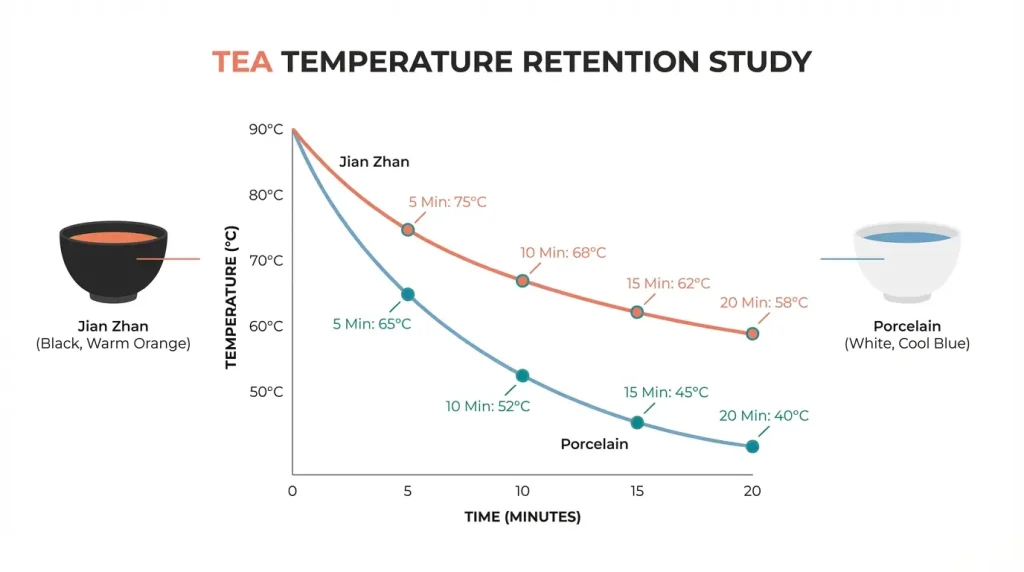
Jian Zhan maintains optimal drinking temperature for 15-20 minutes due to its thick walls and high-density construction, while porcelain cools to lukewarm within 5-10 minutes. This 2-3x performance gap dramatically affects your tea drinking experience.
The physics is straightforward: thermal mass determines heat retention. Jian Zhan’s 5-8mm walls contain significantly more material to absorb and slowly release heat. Porcelain’s 2-3mm walls have minimal thermal mass and lose heat rapidly through radiation and convection.
| Time Elapsed | Jian Zhan Temperature | Porcelain Temperature |
|---|---|---|
| 0 minutes | 95°C (203°F) | 95°C (203°F) |
| 5 minutes | 85°C (185°F) | 70°C (158°F) |
| 10 minutes | 75°C (167°F) | 55°C (131°F) |
| 15 minutes | 65°C (149°F) | 45°C (113°F) |
| 20 minutes | 55°C (131°F) | Room temperature |
This difference has practical implications. If you’re a slow sipper who enjoys contemplative tea sessions, Jian Zhan ensures your tea stays warm throughout. If you prefer tea that cools quickly to drinking temperature, porcelain’s rapid heat loss becomes an advantage.
Best Tea Types for Jian Zhan vs Porcelain
Jian Zhan excels with high-temperature teas like oolong, pu-erh, and matcha that benefit from sustained heat. These teas typically brew at 85-100°C and their flavors develop better when temperature stays stable.
Specifically for Jian Zhan, consider:
- Dark oolongs: Da Hong Pao, Shui Xian—heat retention extracts deeper flavors
- Aged pu-erh: Maintains optimal temperature for multiple infusions
- Matcha: Dark glaze provides traditional visual contrast for foam
- Black teas: Keemun, Yunnan Gold—benefits from sustained warmth
Porcelain works better for delicate teas that require moderate temperatures and benefit from rapid cooling. Green and white teas typically brew at 70-85°C and can become bitter if kept too warm.
Choose porcelain for:
- Green teas: Dragon Well, Sencha—prevents over-extraction
- White teas: Silver Needle, White Peony—preserves subtle flavors
- Light oolongs: Tie Guan Yin—showcases floral notes
- Herbal infusions: Visual appeal of seeing herbs steeping
Price and Value Comparison: Investment Considerations
Basic Jian Zhan cups start at $30-$100 while master-crafted pieces command $500-$13,000+, compared to porcelain’s accessible $5-$500 range. This price gap reflects fundamentally different production methods and market positioning.
Jian Zhan pricing factors include:
- Handcrafting time: 13+ production steps per cup
- High rejection rate: Only 20-30% survive firing standards
- Pattern rarity: Exceptional glazes command premium prices
- Artist reputation: Master potters’ works become collectibles
- Firing method: Traditional wood-fired dragon kilns cost more than electric
A Song Dynasty Jian Zhan bowl sold at Christie’s auction for $11 million in 2016, demonstrating extreme collector value. Modern master works by recognized artists have sold for $10,000-$50,000.
Porcelain offers better cost per use for daily drinking. A $20-$50 quality porcelain set can serve you reliably for years. Jian Zhan represents more of a cultural investment—you’re acquiring functional art with historical significance.
Safety and Care: Maintenance Requirements
Authentic Jian Zhan fired above 1300°C is lead-free because extreme temperatures fully vitrify the glaze, locking minerals into stable structures. Testing shows properly fired Jian Zhan meets FDA safety standards with non-detectable lead levels.
For Jian Zhan care:
- Hand wash only with warm water and mild soap
- Avoid abrasive scrubbers that damage glaze patina
- Never microwave due to iron content
- Allow natural patina development from tea oils
- Store carefully to prevent chips despite durability
Porcelain safety depends on glaze composition. According to FDA guidelines, plain white porcelain generally poses minimal risk. Decorated pieces require verification:
- Check for certifications: FDA compliant, California Prop 65, or EU standards
- Avoid bright decorative glazes: Red, orange, yellow may contain lead
- Test vintage pieces: Pre-1980s ceramics often used lead-based glazes
- Look for crazing: Fine cracks can harbor bacteria and leach toxins
For daily porcelain care: Most plain porcelain is dishwasher safe and can handle microwave use. Check manufacturer guidelines for decorated pieces, which may have special requirements.
Making Your Choice: Which Cup Is Right for You?
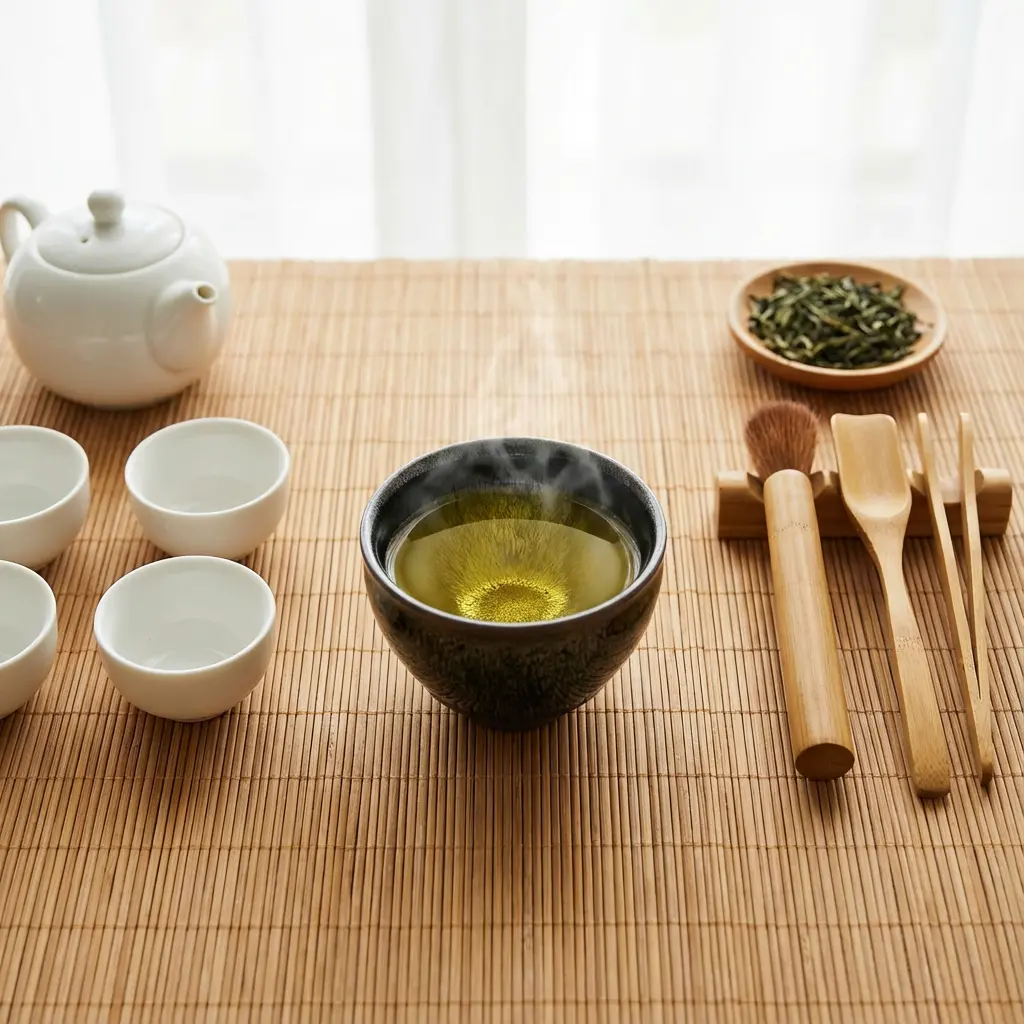
Choose Jian Zhan if you prioritize heat retention, cultural authenticity, and unique artisan craftsmanship while accepting higher cost and weight. This option suits serious tea enthusiasts who appreciate ceremony and are willing to invest in premium teaware.
Select porcelain for elegant everyday use, lightweight handling, and budget-friendly options. This choice works best for casual tea drinkers who want versatility across all tea types and easy maintenance.
Consider your specific situation:
| Your Priority | Best Choice | Why |
|---|---|---|
| Daily morning tea | Porcelain | Quick heating, easy cleaning, dishwasher safe |
| Meditation practice | Jian Zhan | Maintains temperature, cultural significance |
| Office use | Porcelain | Lightweight, durable enough for transport |
| Tea ceremony | Jian Zhan | Traditional authenticity, visual beauty |
| Gift giving | Both | Porcelain for practical, Jian Zhan for collectors |
| Budget under $30 | Porcelain | Many quality options available |
| Investment piece | Jian Zhan | Appreciation potential, limited availability |
Many experienced tea enthusiasts choose a hybrid approach—keeping both types on hand. Use porcelain for quick daily teas and casual drinking. Reserve Jian Zhan for special occasions, slow weekend sessions, or specific tea types that benefit most from its properties.
At these cups, we believe the right teaware enhances not just flavor, but your entire tea experience. Whether you choose the ancient artistry of Jian Zhan or the refined elegance of porcelain, we’re here to help you discover teaware that resonates with your personal tea journey.
Explore the tenmoku collection to find your perfect cup.
❓ Frequently Asked Questions
Does Jian Zhan really make tea taste better?
Yes, Jian Zhan’s iron-rich glaze releases mineral ions that improve tea alkalinity, creating a softer, smoother texture and reducing bitterness. Independent taste tests show tea in Jian Zhan maintains freshness longer than in porcelain cups when left for 4-6 hours. However, “better” is subjective—some prefer porcelain’s neutral preservation of original flavor.
Can I use Jian Zhan tea cups in the microwave?
No, never use Jian Zhan in microwaves due to high iron content, which can cause dangerous arcing and damage both cup and microwave. Instead, preheat cups by filling with hot water for 30-60 seconds, then empty and add your tea. This achieves similar warming without safety risks.
Why are authentic Jian Zhan cups so expensive?
Authentic Jian Zhan requires specific iron-rich clay from Fujian Province, traditional dragon kiln firing at 1300-1400°C, and extensive handcrafting with 70-80% rejection rates. Master potters literally destroy imperfect pieces to maintain standards. Rare glaze patterns like Yao Bian can reach six-figure prices at international auctions due to extreme scarcity and collector demand.
Are porcelain tea cups safe if they have painted designs?
Porcelain safety depends on glaze certification. Cups with decorative glazes—especially bright red, orange, or yellow colors—may contain lead or cadmium. Choose plain white porcelain or products certified as lead-free under FDA, California Prop 65, or EU standards for safest daily use. Avoid using decorative pieces for hot acidic beverages, which increase leaching risk.
Which tea cup type is better for beginners?
Porcelain offers the best starting point at $10-$30 price range with lightweight handling, easy maintenance, and versatility across all tea types. Once you develop specific preferences and understand your tea-drinking style, consider adding Jian Zhan for specialized use with oolong, pu-erh, or ceremonial teas. This approach lets you explore both traditions without overwhelming initial investment.
How do I know if my Jian Zhan is authentic?
Authentic Jian Zhan features natural pattern variation (no two identical), rough iron-rich clay base visible at the foot, thick walls (5-8mm), and often includes artist seals or certificates. Weight should feel substantial—150-300g for 120ml cups. Purchase from reputable dealers who can verify origin from Jianyang, Fujian Province. Extremely low prices (<$20) typically indicate modern imitations rather than traditional craft.
❓ How do I know if my tenmoku cup is authentic?
Look for an unglazed foot ring showing dark, iron-rich clay, metallic luster under light that shifts with viewing angle, and subtle asymmetry indicating hand-forming. See the handmade tenmoku identification guide for detailed authentication steps.
❓ Can I put my tenmoku cup in the dishwasher?
No. Always hand-wash with warm water only. Dishwasher detergent and high-pressure water can damage the glaze patina and may cause micro-cracking. The new tenmoku owner guide provides complete care instructions.
❓ What tea tastes best in a tenmoku cup?
Oolong and aged pu-erh are the classic pairings. The iron-rich glaze softens tannins and enhances aroma. Read the oolong-tenmoku pairing guide for the science behind this.
📚 References
- Historical and Cultural Context: Comprehensive encyclopedia entry documenting Jian Zhan’s development during the Song Dynasty, its influence on Japanese tea culture, and modern revival efforts. Wikipedia – Jian Ware
- Ceramic Safety Standards: Official FDA guidance on lead and cadmium regulations for ceramic food containers, including testing methods and acceptable contamination levels. FDA – Lead in Food and Foodwares
- Artisan Craftsmanship and Science: In-depth exploration of Jian Zhan’s production methods, glaze chemistry, and cultural significance through interviews with master potters and archaeological research. Tea Journey – The Art of Earth and Fire
- Traditional Pottery Safety: FDA regulatory guidance addressing safety concerns and proper labeling for imported traditional pottery, including lead contamination prevention. FDA – Questions and Answers on Lead-Glazed Traditional Pottery
Ready to elevate your tea ritual? Explore Zen Tea Cup for handcrafted tenmoku cups shipped across the US.


