

Contents
- Scandinavian Hygge Tea Starts with Warmth You Can Hold
- Why Tenmoku Feels Hygge Instead of Decorative
- Texture gives your hands a reason to stay present
- Dark glaze makes candlelight useful
- Build a Hygge Tea Corner in Under 10 Minutes
- Choose the Right Tea for a Cozy Tenmoku Ritual
- Good tea pairings for hygge mood
- Make Hygge Practical: A 15-Minute Tenmoku Tea Routine
- Tenmoku and Scandinavian Style: The Materials Match
- Simple palette rules
- Common Hygge Tea Mistakes to Avoid
- FAQ: Hygge Tea and Tenmoku Cups
- ❓ Is Tenmoku actually Scandinavian?
- ❓ What size Tenmoku cup is best for a hygge tea ritual?
- ❓ Can you use black tea or coffee in a Tenmoku cup?
- ❓ How do you make the ritual feel cozy without clutter?
- 📚 References
Scandinavian hygge tea is a simple cozy ritual: you slow down, make one warm cup, soften the room, and let a textured Tenmoku bowl turn an ordinary tea break into a small pocket of comfort. If you want hygge without buying a room full of decor, start with temperature, light, texture, and one cup you actually enjoy holding. A dark glazed cup from Zen Tea Cup’s Tenmoku guide fits the mood because it gives you visual depth, hand warmth, and a handmade object that asks you to pay attention.
Think of hygge as an atmosphere you build in layers, not a shopping list. You need a warm drink at about 150-165°F, a small table space around 18-24 inches wide, one soft light source, and a cup that feels grounded in your hand. Tenmoku works especially well because the iron-rich glaze, deep black surface, and quiet oil spot pattern feel calm rather than glossy or loud. The Scandinavian part is restraint; the tea part is repetition; the Tenmoku ritual is the object that helps you notice both.
| Key Stat | Hygge Tea Setup Value | Why It Matters |
|---|---|---|
| Tea temperature | 150-165°F for many green and oolong teas | Warm enough to comfort you without rushing the sip |
| Session length | 12-20 minutes | Long enough to reset attention, short enough for a workday |
| Cup capacity | 3-5 oz | Encourages slow refills instead of one distracted mug |
| Light level | 1 candle or one low lamp | Creates atmosphere without visual clutter |
| Table footprint | 18-24 inches | Keeps the ritual small, portable, and realistic |
| Internal cue | 3 breaths before first sip | Signals to your body that the break has started |
Why Tenmoku Feels Hygge Instead of Decorative
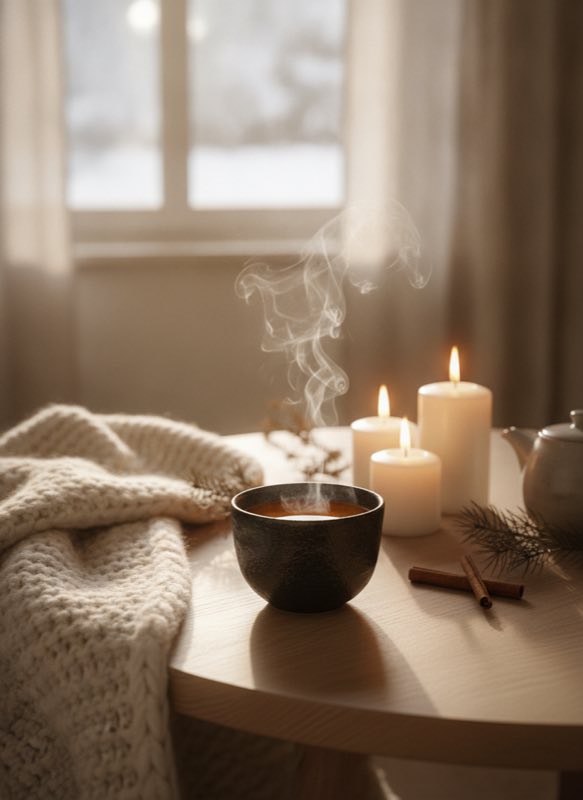
Tenmoku feels hygge because it gives you three things at once: warmth, weight, and irregular beauty. Hygge favors lived-in comfort over display perfection, and a handmade Tenmoku cup carries small variations in glaze, rim, and foot ring that make the cup feel personal. You can see why this matters if you compare it with a thin glass mug: glass shows the liquid clearly, but it often feels visually cool. Tenmoku hides part of the tea, reflects candlelight, and makes you lean into the moment.
That restraint is the point. A black or dark brown Tenmoku bowl does not compete with your room; it anchors it. The glaze can show oil spot, hare’s fur, or galaxy-like crystalline movement, yet the overall mood stays quiet. In our collection work, we found that beginners often choose Tenmoku for drama, then keep using it for stillness. That is very hygge (and honestly, it is the part you notice after the novelty fades).
Texture gives your hands a reason to stay present
When you hold a handmade cup for 12 minutes, your fingers read small differences: a slightly thicker wall, a warmer curve, a foot ring that sits firmly on the table. Those tactile signals help you stay with the tea instead of reaching for your phone. If you want to compare shapes before choosing one, use this Jian Zhan tea cup size guide and choose a 3-5 oz cup for the most balanced hygge tea ritual.
Dark glaze makes candlelight useful
A pale cup can look clean, but a dark Tenmoku glaze makes one candle feel richer. The rim catches a thin highlight; the bowl interior deepens the tea color; the glaze pattern becomes a small point of visual attention. You do not need four accessories. You need one visual focus and enough negative space around it.
Build a Hygge Tea Corner in Under 10 Minutes
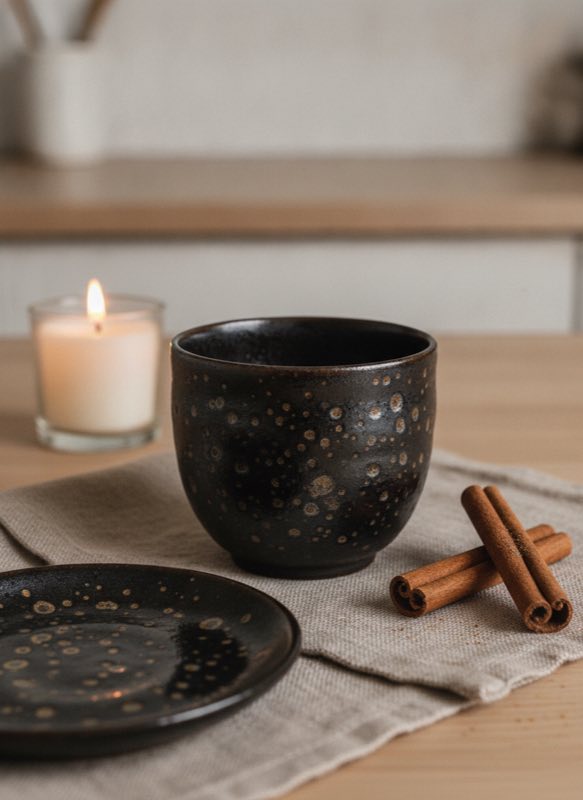
A hygge tea corner works best when it is small enough that you will actually use it. You can set one up in under 10 minutes with a tray, a kettle, a Tenmoku cup, loose tea, and one soft textile. The goal is not to imitate a magazine photo; the goal is to remove friction so you can repeat the same calming cue tomorrow.
- Choose one surface: a side table, desk corner, kitchen island, or windowsill tray.
- Add one warm light: a candle, small lamp, or low evening bulb around 2700K.
- Pick one tea: oolong, roasted green tea, black tea, or a mild pu-erh that does not demand a complicated setup.
- Use one cup: a Tenmoku bowl, not a rotating lineup, so your body associates the cup with the pause.
- Keep one tactile item: linen, wool, cork, or wood to soften the space.
If you only have a desk, make the ritual even smaller: cup on the left, phone face down, timer set for 15 minutes, first refill at minute 6, second refill at minute 12. You are not trying to escape your life. You are making one quiet interruption inside it.
Choose the Right Tea for a Cozy Tenmoku Ritual
The best tea for hygge is the one you can brew without fuss and enjoy slowly. Roasted oolong, hojicha, mild black tea, and aged white tea all work because they have warm aromas and forgiving brew windows. Tenmoku pairs especially well with teas that benefit from a darker visual frame: amber oolong, reddish black tea, and roasted notes that feel like toast, nuts, or dried fruit.
For a simple starting formula, use 1 teaspoon of loose tea for 6-8 oz of water, then pour into a smaller 3-5 oz Tenmoku cup in two rounds. That gives you the comfort of a full mug without losing the ritual of refilling. If you prefer gongfu-style tea, use a 100-120 ml gaiwan or pot and pour several short infusions; if you prefer Western brewing, steep once and treat the Tenmoku cup as your slow-sip vessel.
Good tea pairings for hygge mood
- Roasted oolong: nutty, warm, and forgiving at 185-200°F.
- Hojicha: low bitterness, toasted aroma, and evening-friendly comfort.
- Dianhong black tea: honeyed, amber, and visually rich in a dark cup.
- Aged white tea: soft sweetness and a calm finish for late afternoons.
When you want a more traditional tea-session structure, this gongfu cha at home guide shows how to build a compact tea session without turning your table into a full ceremony.
Make Hygge Practical: A 15-Minute Tenmoku Tea Routine
A 15-minute Tenmoku tea routine gives you a repeatable structure: warm the cup, brew the tea, take three breaths, drink without scrolling, and end by resetting the tray. You can use this routine in the morning, after lunch, or before bed. The power comes from repetition more than novelty.
| Minute | Action | Purpose |
|---|---|---|
| 0-2 | Warm the Tenmoku cup with hot water | Preheats the ceramic and starts the pause |
| 2-5 | Brew tea and dim one light source | Builds sensory focus |
| 5-8 | First pour, three slow breaths | Turns drinking into ritual |
| 8-12 | Second pour, notice aroma and texture | Keeps attention in the body |
| 12-15 | Final sip, rinse cup, reset tray | Closes the ritual cleanly |
You can make this ritual social, too. Place two cups on a small tray, pour the same tea, and sit without a screen for one refill. Hygge is often described as coziness, but in practice it is also a boundary: for a few minutes, you let the room be enough.
Tenmoku and Scandinavian style match because both reward natural materials, restrained color, and useful beauty. A Tenmoku cup looks at home beside oak, linen, wool, stone, and matte ceramic. The dark glaze gives contrast against beige or light wood, while the cup’s handmade surface keeps the setup from feeling sterile.
If your space is minimalist, use one black Tenmoku cup, one light tray, and one cream napkin. If your space is rustic, add a wooden tea scoop and a darker textile. If your space is modern, keep the cup alone on a clean saucer. In each case, you are using contrast: dark glaze against pale surroundings, warmth against winter light, and tradition against the speed of the day.
Simple palette rules
- Base: oak, maple, cream, linen, or warm gray.
- Accent: black Tenmoku, iron brown, oil spot silver, or deep tea amber.
- Texture: wool, unglazed clay, matte stoneware, or handmade paper.
- Limit: keep the tea corner to 5-7 visible objects so it stays restful.
Common Hygge Tea Mistakes to Avoid
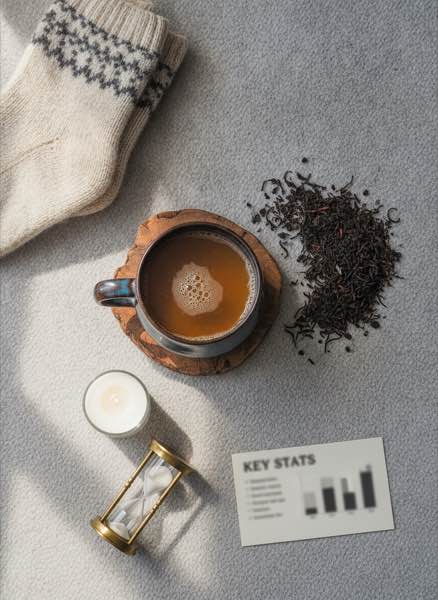
The most common hygge tea mistake is overbuilding the scene. If you add six candles, three blankets, four snacks, and a full photo setup, you may create a display instead of a rest. You want the ritual to be easy enough that you can repeat it on a tired Tuesday.
The second mistake is using a cup that looks right but feels wrong. If the rim is too thick for you, the bowl too hot, or the capacity too large, you will not use it. Tenmoku should feel pleasant in your hand. Start with a moderate size, then adjust after a week of real use.
The third mistake is treating hygge as only winter decor. The same ritual works in spring with a lighter tea, in summer with an evening iced oolong served in a pre-chilled cup, and in fall with roasted tea. The structure stays; the season changes.
FAQ: Hygge Tea and Tenmoku Cups
No. Tenmoku is rooted in East Asian ceramic and tea history, while hygge is associated with Danish and broader Scandinavian comfort culture. The pairing works because a Tenmoku cup supports the hygge values of warmth, texture, usefulness, and quiet attention.
❓ What size Tenmoku cup is best for a hygge tea ritual?
A 3-5 oz Tenmoku cup is the easiest size for a hygge tea ritual because you can hold it comfortably and refill it slowly. If you want one relaxed Western-style serving, pour from a larger pot into the smaller cup in two or three rounds.
❓ Can you use black tea or coffee in a Tenmoku cup?
Yes, you can use black tea, roasted oolong, hojicha, or even coffee in a Tenmoku cup, as long as the cup is clean and comfortable to hold. Stronger drinks often look beautiful against a dark glaze, but rinse the cup soon after use to protect the surface.
❓ How do you make the ritual feel cozy without clutter?
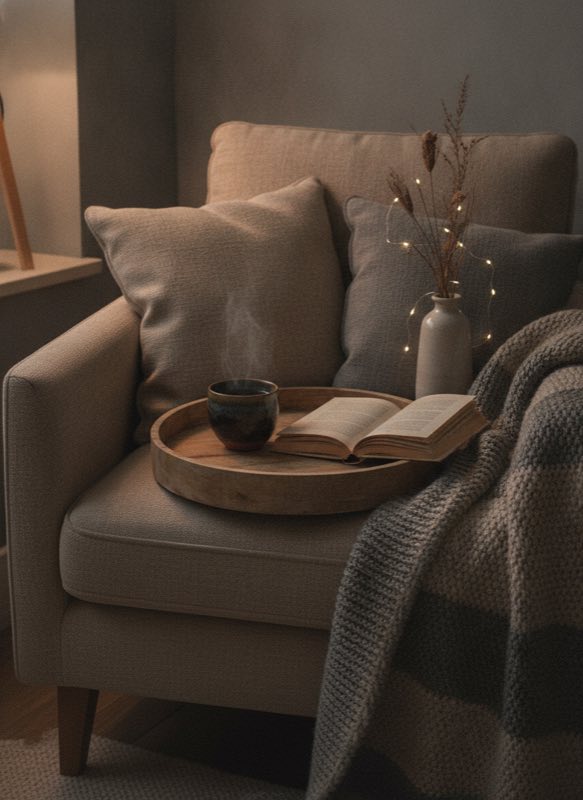
Use one cup, one tray, one light source, and one tactile material. That is enough. If you want to browse more shapes before you choose, explore our Jian Zhan tea cups under $100 and pick the cup you can imagine using every day.
📚 References
- VisitDenmark, What Is Hygge?: Cultural context for hygge as comfort, atmosphere, and simple togetherness. VisitDenmark
- British Museum, Jian Ware Tea Bowl: Museum record showing the historical status of dark glazed Jian ware and tea bowls. British Museum
- Kyoto National Museum, Tenmoku: Background on Tenmoku tea bowls and their role in East Asian tea culture. Kyoto National Museum
- The Met Collection, Tea Ware: Museum collection context for ceramic tea vessels as objects of daily use and connoisseurship. The Metropolitan Museum of Art
Ready to make your Scandinavian hygge tea guide practical instead of theoretical? Browse our Tenmoku collection, choose one cozy Tenmoku ritual cup, and let your next 15-minute tea break become the quietest part of your day.


