

Contents
- Why Tenmoku Bowls Make Exceptional Matcha Vessels
- What Size Tenmoku Bowl Is Best for Matcha
- Why Diameter Matters for Whisking
- Depth and Capacity: Usucha vs Koicha
- Tenmoku Bowl Shapes for Matcha: Finding the Right Form
- Tenmoku-Gata (天目型): The Classic Conical Shape
- Wan-Nari (椀形): The Round Bowl Alternative
- Which Tenmoku Glaze Works Best with Matcha
- Oil Spot Glaze (Yuteki Tenmoku)
- Hare’s Fur Glaze (Nogime Tenmoku)
- How to Choose Your First Tenmoku Matcha Bowl
- Caring for Your Tenmoku Matcha Bowl
- ❓ What size tenmoku bowl do I need for matcha?
- ❓ Is a tenmoku bowl better than a regular matcha bowl?
- ❓ Which tenmoku glaze pattern looks best with matcha?
- ❓ Can I use a small tenmoku bowl for matcha?
- 📚 References
Why Tenmoku Bowls Make Exceptional Matcha Vessels
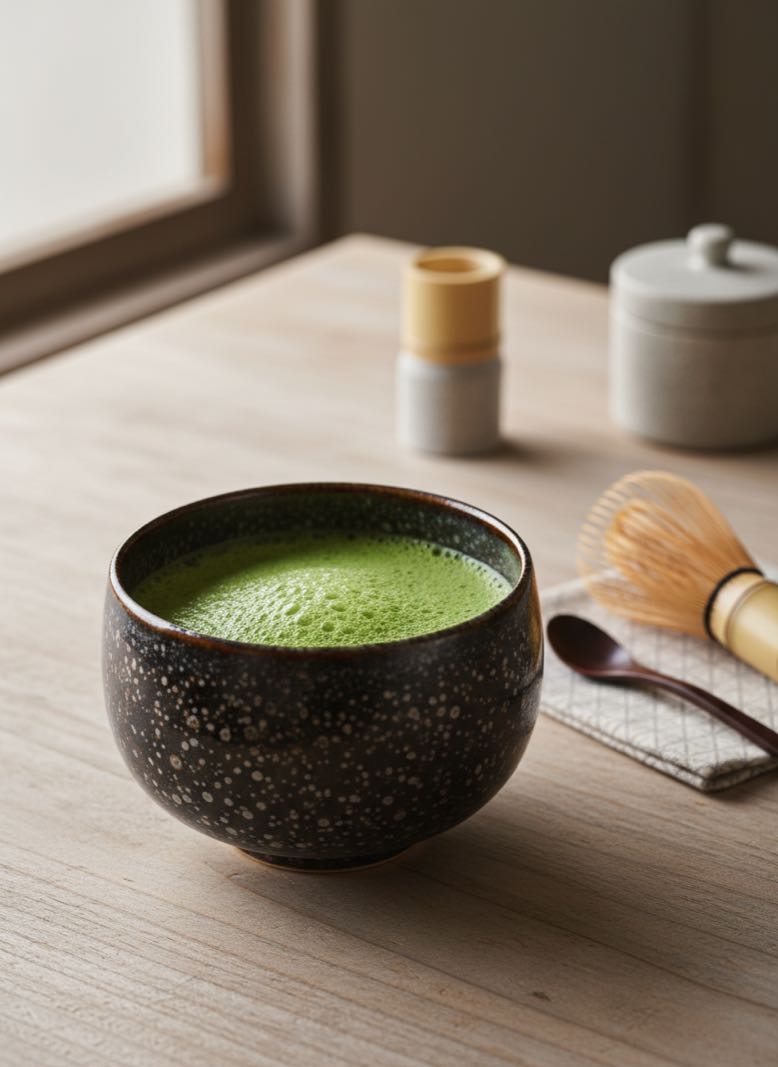
The best tenmoku bowls for matcha combine a conical shape with a 4.3-4.7 inch (11-12 cm) diameter and 2.0-2.8 inch (5-7 cm) depth, giving you the whisking space usucha demands while the iron-rich glaze amplifies both flavor and visual drama. If you have ever watched matcha foam settle against a dark oil-spot glaze — the contrast is mesmerizing — you understand why tenmoku has been the chawan of choice in Japanese tea culture for centuries. At Zen Tea Cup, we see more tea drinkers reaching for tenmoku specifically for their matcha practice, and this guide walks you through every dimension, shape, and glaze detail you need to pick the right bowl.
| Key Stat | Value |
|---|---|
| Origin | Song Dynasty (960-1279 AD), Fujian Jianyang |
| Optimal Diameter for Matcha | 4.3-4.7 inches (11-12 cm) |
| Optimal Depth for Usucha | 2.0-2.8 inches (5-7 cm) |
| Typical Capacity | 6-10 oz (180-300 ml) |
| Firing Temperature | 2,300°F (1,260°C) |
| Iron Oxide in Glaze | 5-8% |
| Foot Ring Diameter | 1.6-2.0 inches (4-5 cm) |
What Size Tenmoku Bowl Is Best for Matcha
Size is the single most practical factor when you choose a tenmoku bowl for matcha. Too small and your chasen (bamboo whisk) clanks against the rim; too large and the matcha spreads thin, making it harder to build that creamy froth. The sweet spot for usucha (thin matcha, the style most people prepare at home) is a bowl with an interior diameter of at least 4.3 inches (11 cm) at the widest point and a depth between 2.0 and 2.8 inches (5-7 cm).
Why Diameter Matters for Whisking
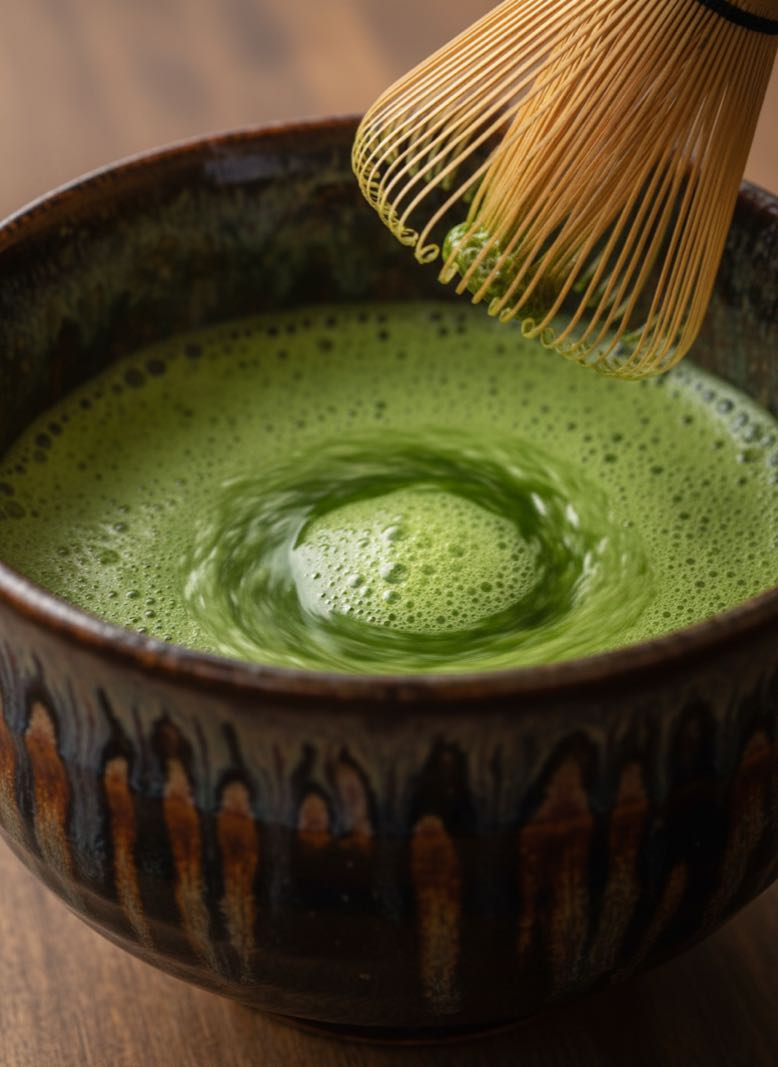
When you whisk matcha with a 100-prong chasen, the tines need room to move in a W-shaped motion. A bowl narrower than 4.3 inches (11 cm) restricts that motion — you end up with lumps and weak foam. A tenmoku bowl at 4.7 inches (12 cm) gives you roughly 30% more working surface than a standard 3.5-inch yunomi, and that extra space translates directly into smoother, frothier matcha (the physics of whisking are surprisingly sensitive to even half an inch of diameter change).
Depth and Capacity: Usucha vs Koicha
For usucha, a shallower bowl (2.0-2.4 inches or 5-6 cm) works well because the thinner liquid whisks faster and the wider surface area shows off the foam. For koicha (thick matcha used in formal tea ceremonies), a slightly deeper tenmoku at 2.4-2.8 inches (6-7 cm) gives you room to knead the thick paste with the chasen without splashing. Most tenmoku bowls fall in the 6-10 oz (180-300 ml) capacity range — perfect for a single serving of either style.
Tenmoku Bowl Shapes for Matcha: Finding the Right Form
Tenmoku bowls come in several traditional shapes, each affecting how you whisk and drink your matcha. The shape you choose changes the way the liquid moves, how the foam builds, and even how the aroma concentrates. For a deeper dive into glaze patterns, see our guide to tenmoku glaze patterns.
Tenmoku-Gata (天目型): The Classic Conical Shape
The tenmoku-gata is the shape most people picture when they think of a Jian Zhan bowl — a conical form that narrows toward the foot ring and flares outward at the rim. This shape is ideal for matcha because the narrowing base concentrates heat and aroma, while the wider rim gives your chasen room to work. When you hold a tenmoku-gata bowl, the foot ring (typically 1.6-2.0 inches or 4-5 cm across) sits comfortably in your palm, and the bowl’s weight of 5.3-6.3 oz (150-180 g) feels grounded without being tiring.
Wan-Nari (椀形): The Round Bowl Alternative
The wan-nari shape is a deeper, more rounded form that holds heat longer than the conical tenmoku-gata. If you like to take your time sipping matcha over 10-15 minutes, the wan-nari keeps the liquid warmer. However, the rounder interior can make whisking slightly more awkward — the chasen tends to ride up the curved walls. This shape works best if you prepare koicha or prefer a contemplative, slow tea session over the quick whisk-and-drink usucha style.
Which Tenmoku Glaze Works Best with Matcha
The glaze on your tenmoku bowl does more than look beautiful — it changes the visual experience of drinking matcha. Dark glazes create the most dramatic contrast with matcha’s vivid green, while patterned glazes like oil spot and hare’s fur add a layer of visual complexity that makes each sip feel like a small artwork.
Oil Spot Glaze (Yuteki Tenmoku)
Oil spot tenmoku features silver-gold circular patterns scattered across a black glaze, created when iron oxide crystallizes during firing at 2,300°F (1,260°C). Against bright green matcha foam, these spots shimmer like constellations — the effect is genuinely striking (I have seen guests stop mid-sip just to stare). The oil spot pattern also provides a functional benefit: the slightly textured surface helps break up bubbles as you drink, creating a creamier mouthfeel.
Hare’s Fur Glaze (Nogime Tenmoku)
Hare’s fur tenmoku displays fine, streaking lines running down the bowl’s interior — resembling the fur of a hare. The streaks form when iron-rich glaze flows downward during the kiln’s peak temperature. For matcha, hare’s fur creates a subtle visual rhythm: as you drink and the foam recedes, the streaks emerge gradually, making the bowl feel alive. This glaze tends to have a slightly smoother surface than oil spot, which some matcha drinkers prefer for its cleaner visual contrast with the green foam.
How to Choose Your First Tenmoku Matcha Bowl
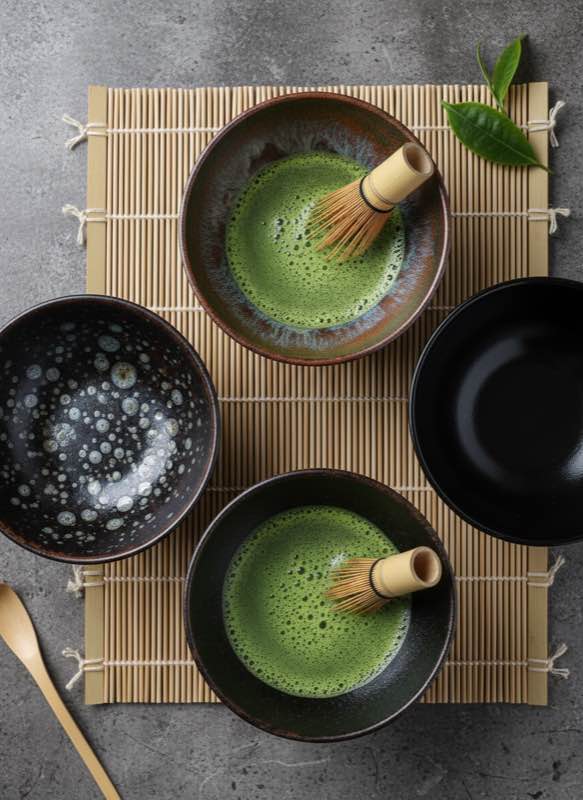
If you are new to tenmoku, start with a medium-sized tenmoku-gata bowl (4.3-4.5 inches or 11-11.5 cm diameter) in a dark glaze — either solid black or hare’s fur. This combination gives you the best balance of whisking performance, visual impact, and versatility. Avoid bowls smaller than 4 inches (10 cm) for matcha; they are better suited for sencha or gongfu cha. For more context on getting started with tenmoku, our beginner’s guide to tenmoku and Jian Zhan covers the essentials.
Here is a quick comparison to help you decide:
| Bowl Type | Diameter | Best For | Whisking Ease |
|---|---|---|---|
| Tenmoku-gata (small) | 4.0-4.3 in (10-11 cm) | Koicha, solo sessions | Moderate |
| Tenmoku-gata (medium) | 4.3-4.7 in (11-12 cm) | Usucha, daily use | Excellent |
| Wan-nari (round) | 4.5-5.0 in (11.5-12.5 cm) | Slow sipping, koicha | Good |
| Tsutsu-gata (cylindrical) | 3.8-4.2 in (9.5-10.5 cm) | Winter matcha, heat retention | Challenging |
Caring for Your Tenmoku Matcha Bowl
Tenmoku bowls are fired at extremely high temperatures — up to 2,300°F (1,260°C) — which makes the glaze durable but the clay body somewhat porous. After each matcha session, rinse the bowl with warm water (never cold water on a warm bowl — thermal shock can crack the glaze). Avoid dish soap; it can seep into the clay and affect the taste of future brews. Dry with a soft cloth and let the bowl air-dry completely before storing. The iron content in the glaze (5-8% iron oxide) is what gives tenmoku its unique interaction with tea — learn more about how this works in our article on why tea tastes better in a tenmoku cup.
One practical note: tenmoku bowls with exposed clay on the foot ring should not sit in water for extended periods. A 3-5 minute rinse is fine, but soaking for 20+ minutes can weaken the unglazed clay over time. If you notice any mineral deposits forming on the interior (a natural process with iron-rich glazes), a gentle wipe with a damp cloth during your regular cleaning routine keeps them in check.
❓ What size tenmoku bowl do I need for matcha?
For usucha (thin matcha), choose a tenmoku bowl with a diameter of 4.3-4.7 inches (11-12 cm) and depth of 2.0-2.8 inches (5-7 cm). This gives you enough room to whisk properly with a chasen while keeping the matcha concentrated. For koicha (thick matcha), a slightly deeper bowl at 2.4-2.8 inches works best.
❓ Is a tenmoku bowl better than a regular matcha bowl?
A tenmoku bowl is not automatically better, but it offers unique advantages: the iron-rich glaze can subtly enhance matcha flavor, the dark surface creates dramatic visual contrast with green matcha foam, and the conical tenmoku-gata shape excels at concentrating aroma. Regular ceramic chawan work well too — the best bowl is the one that fits your whisking style and aesthetic preference.
❓ Which tenmoku glaze pattern looks best with matcha?
Oil spot (yuteki) tenmoku creates the most dramatic visual contrast with matcha — the silver-gold spots shimmer against the vivid green foam. Hare’s fur (nogime) offers a subtler, more meditative aesthetic where the streaking lines emerge as you drink. Both are excellent choices; oil spot for visual impact, hare’s fur for contemplative sessions.
❓ Can I use a small tenmoku bowl for matcha?
Bowls smaller than 4 inches (10 cm) in diameter make whisking difficult — the chasen cannot move freely, leading to lumpy matcha with poor foam. Small tenmoku cups are better suited for sencha, gongfu cha, or sake. For proper matcha preparation, you need at least 4.3 inches of interior diameter.
📚 References
- Matcha Bowl Shape Guide: Traditional chawan shapes and their functional differences. Tezumi Tea
- How to Choose a Matcha Bowl: Size, shape, and glaze considerations for matcha preparation. My Japanese World
- Jian Zhan Firing Science: Iron oxide crystallization and glaze formation at high temperatures. The Metropolitan Museum of Art
Whether you are drawn to the shimmering oil spot glaze or the flowing lines of hare’s fur, the right tenmoku bowl transforms your daily matcha into something more intentional — a small ritual that connects you to centuries of tea tradition. Explore our tenmoku matcha bowl collection at Zen Tea Cup to find the bowls that match your style, and discover why these handcrafted pieces make every sip of matcha a visual and sensory experience.
Ready to elevate your tea ritual? Explore Zen Tea Cup for handcrafted tenmoku cups shipped across the US.


