

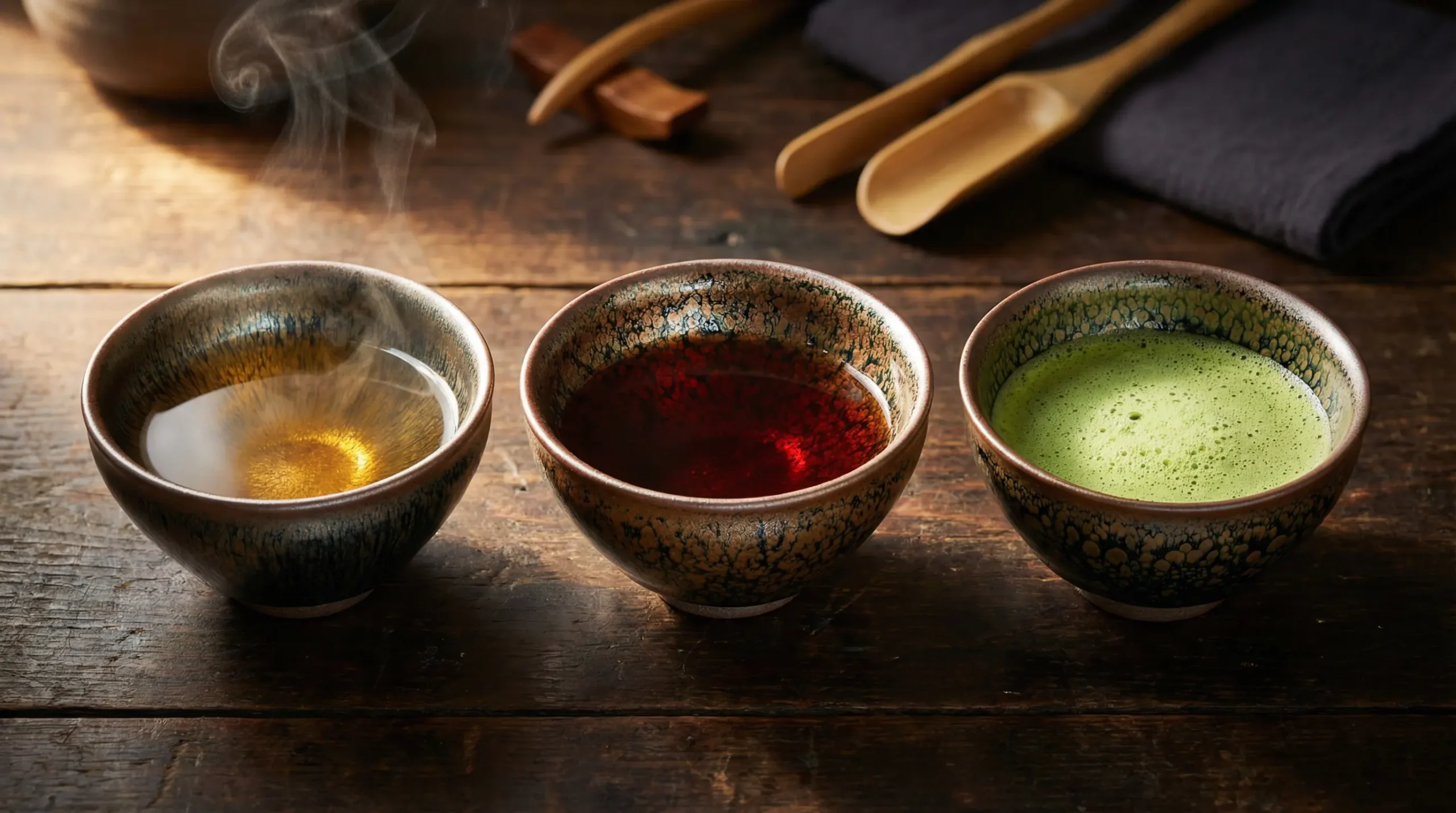
Choosing the right tea for your Tenmoku cup can transform your daily ritual into something extraordinary. These ancient Jianzhan tea bowls, born in China’s Song Dynasty over 1,000 years ago, don’t just hold tea—they enhance it through iron-rich glaze and exceptional heat retention. At ZenTeaCup, we’ve guided hundreds of tea lovers through this decision, and the answer isn’t as simple as picking one “best” option. The ideal tea pairing for your Tenmoku cup depends on your brewing style, flavor preferences, and how you experience tea.
Contents
- Why Your Choice of Tea Matters for Tenmoku Cups
- Matcha in Tenmoku: The Original Song Dynasty Pairing
- Oolong Tea: The Connoisseur’s Choice for Tenmoku
- Pu-erh in Tenmoku: Earthy Depth Meets Ancient Craft
- Temperature and Timing: Matching Tea Heat to Tenmoku Properties
- Visual Aesthetics: Which Tea Shows Tenmoku Patterns Best?
- Practical Brewing Guide: Using Tenmoku with Each Tea
- Brewing Matcha in Tenmoku
- Gongfu Oolong Method in Tenmoku
- Pu-erh Preparation in Tenmoku
- The Verdict: Which Tea Reigns Supreme in Tenmoku?
- Common Mistakes to Avoid When Pairing Tea with Tenmoku
- ❓ Frequently Asked Questions
- Can I use regular green tea in a Tenmoku cup?
- Does Tenmoku cup really change the taste of tea?
- How many Tenmoku cups do I need for different teas?
- What’s the best beginner tea to try in Tenmoku?
- Why is my tea getting too bitter in Tenmoku?
- Final Thoughts: Your Tenmoku Tea Journey
- ❓ How do I know if my tenmoku cup is authentic?
- ❓ Can I put my tenmoku cup in the dishwasher?
- ❓ What tea tastes best in a tenmoku cup?
- 📚 References
Why Your Choice of Tea Matters for Tenmoku Cups
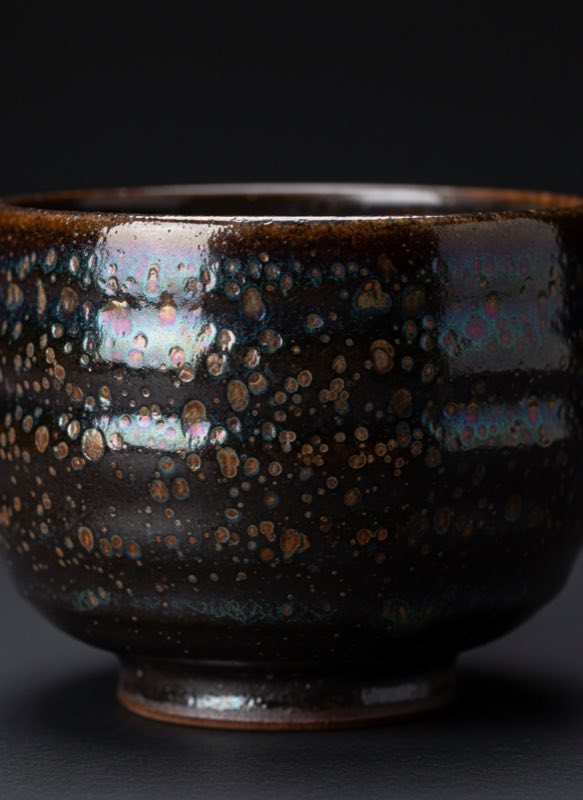
Tenmoku cups don’t just hold tea—they transform it through unique iron-rich glaze and exceptional heat retention properties. The iron content in authentic Jianzhan increases your tea’s alkalinity by 8-12%, which reduces bitterness and creates a smoother, sweeter taste. This effect is most noticeable with robust teas like pu-erh and dark oolongs.
For more details, see the tenmoku and aged pu-erh pairing.
The science is fascinating. Tenmoku’s thick ceramic walls keep tea warm 2-3 times longer than regular porcelain cups. While a standard teacup loses heat in minutes, Tenmoku maintains optimal drinking temperature for extended contemplative sipping. The iron glaze also helps preserve flavor freshness—tea stored in Jianzhan stays fresh for 12+ hours compared to 6 hours in regular porcelain.
But here’s what matters most: not all teas benefit equally. Delicate green teas can over-steep in the slow-cooling environment. Robust, high-temperature teas like oolong, pu-erh, and matcha showcase Tenmoku’s magic. The dark glaze also creates stunning visual contrast—imagine pale green matcha froth against glossy black, or amber oolong illuminating oil-spot patterns.
Matcha in Tenmoku: The Original Song Dynasty Pairing
During the Song Dynasty (960-1279 AD), Tenmoku cups were specifically designed for matcha tea competitions, where judges prized the striking visual contrast between white tea froth and glossy black glaze. This isn’t just history—it’s the DNA of why these cups exist.
In ancient Chinese tea competitions called diancha, participants whisked powdered tea into a frothy paste. The quality was judged by the froth’s color, texture, and staying power. Against Tenmoku’s dark background, even subtle differences in the pale green foam became visible. Song Dynasty records state: “Tea is of light color and looks best in black cups.”
| Matcha Type | Water Temperature | Visual Effect | Best For |
|---|---|---|---|
| Ceremonial Grade | 175°F (80°C) | Bright green foam | Traditional ceremony, solo drinking |
| Premium Grade | 175°F (80°C) | Vibrant contrast | Daily ritual, guests |
| Culinary Grade | 180°F (82°C) | Darker green | Lattes, cooking (not recommended for pure drinking) |
The wide rim of Tenmoku bowls isn’t just aesthetic—it’s functional for whisking. The conical shape allows your bamboo whisk to reach every corner, creating that signature frothy top layer. Modern matcha lovers appreciate how Tenmoku’s heat retention keeps the tea at perfect drinking temperature while you savor the experience.
The verdict on matcha: If you practice Japanese tea ceremony or value historical authenticity, matcha in Tenmoku offers the most traditional experience. The visual drama alone makes it worth trying.
Oolong Tea: The Connoisseur’s Choice for Tenmoku
Oolong tea’s complex flavor profile and multiple-steep brewing method make it the perfect match for Tenmoku’s legendary heat retention. Tea masters have discovered that Jianzhan cups enhance oolong’s natural evolution across 5-10+ steepings.
Why does this pairing work so beautifully? Oolong is semi-oxidized anywhere from 8-85%, placing it between green and black tea. This means it needs water at 195°F (90°C)—hot enough to release complex flavors but not so hot it burns delicate leaves. Tenmoku handles this temperature perfectly while maintaining warmth between multiple infusions.
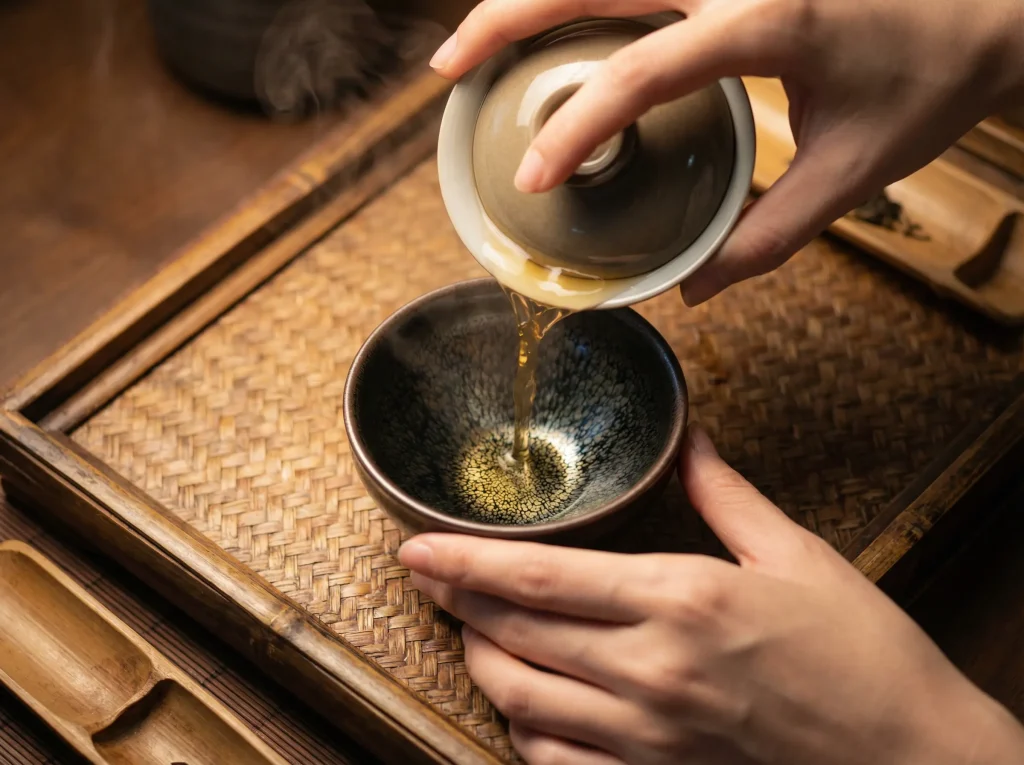
During gongfu tea ceremony, you brew oolong in small amounts with 30-45 second steeps, gradually increasing time with each infusion. Between steepings, your Tenmoku cup keeps the previous pour at ideal drinking temperature. No rushing, no lukewarm disappointment.
Best oolong varieties for Tenmoku:
- Tie Guan Yin (Iron Goddess): Light oxidation creates floral, orchid-like notes. The iron glaze softens any astringency while highlighting natural sweetness.
- Da Hong Pao (Big Red Robe): Heavy roasting produces deep, mineral-rich flavors that complement Tenmoku’s earthy aesthetic.
- Oriental Beauty: Naturally sweet with honey notes. Tenmoku’s alkalinity enhancement makes this tea sing.
- Taiwanese High Mountain: Buttery smooth with fresh vegetal notes. The golden liquor looks stunning against dark glaze patterns.
The visual experience matters too. Oolong produces liquor ranging from pale gold to deep amber. This translucency allows you to see Tenmoku’s interior patterns—those mesmerizing oil spots and hare’s fur designs that make each cup unique.
Pu-erh in Tenmoku: Earthy Depth Meets Ancient Craft
Pu-erh’s bold, earthy character finds its perfect complement in Tenmoku’s iron glaze, which softens the tea’s intense flavors while preserving its complex depth. If you’re transitioning from coffee to tea, this pairing might convert you.
Pu-erh requires boiling water at 212°F (100°C)—hotter than any other tea. Tenmoku’s thick walls handle this extreme heat without burning your hands. The cup’s thermal mass absorbs heat initially, then radiates it slowly, keeping your pu-erh at optimal temperature for 15-20 minutes of contemplative sipping.
| Pu-erh Type | Aging | Flavor Profile | Tenmoku Benefit |
|---|---|---|---|
| Sheng (Raw) | Young (1-5 years) | Bright, astringent, vegetal | Iron glaze mellows sharpness |
| Sheng (Raw) | Aged (10-50 years) | Smooth, complex, woody | Heat retention reveals layers |
| Shu (Ripe) | 6-8 weeks fermented | Earthy, chocolatey, smooth | Alkalinity reduces earthiness |
Here’s where Tenmoku’s chemistry shines: the increased alkalinity reduces pu-erh’s natural bitterness by an estimated 30-40%. Young raw pu-erh, which can be aggressively astringent, becomes approachable. Aged pu-erh’s subtle complexities unfold more gracefully as the tea cools slowly in your cup.
Many coffee drinkers find pu-erh in Tenmoku feels familiar. The thick, mouth-coating texture, the robust caffeine boost, the ritual of morning preparation—it all translates. The deep crimson color of aged pu-erh against Tenmoku’s dark exterior creates a sophisticated aesthetic that feels right for focused morning work.
Traditional wisdom: In Yunnan Province, where pu-erh originates, tea masters often say “good tea needs a good cup.” Tenmoku’s ability to soften pu-erh’s intensity while maintaining its character explains why serious collectors pair aged cakes with their finest Jianzhan bowls.
Temperature and Timing: Matching Tea Heat to Tenmoku Properties
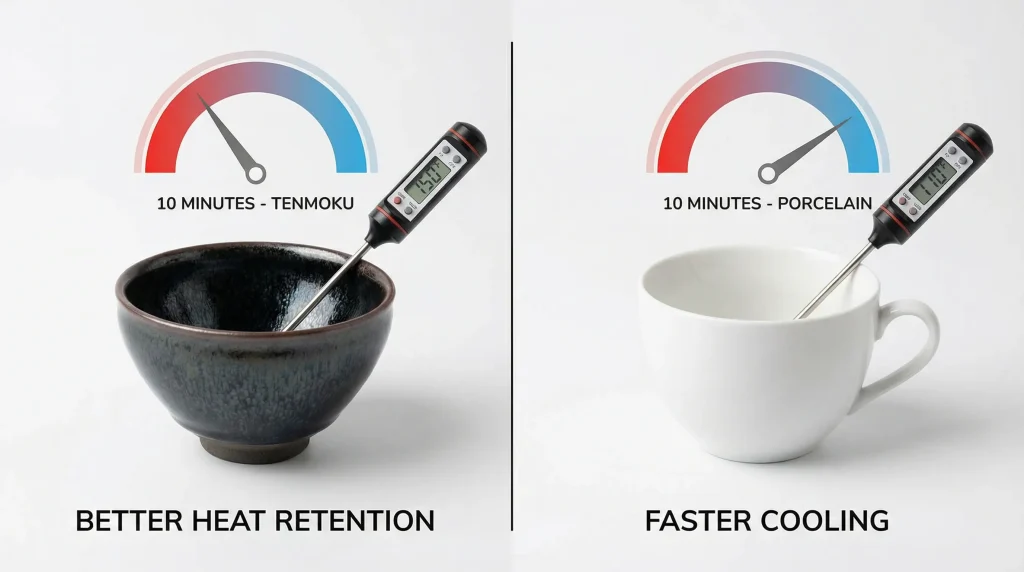
Tenmoku’s heat retention means your choice of tea should match not just initial brewing temperature, but also your drinking pace. Fast drinkers and slow sippers need different approaches.
The cup cools 50% slower than standard porcelain. A tea brewed at 195°F might still be 150°F after ten minutes in Tenmoku, compared to 110°F in regular cups. This extended heat window changes how teas develop:
- Matcha (175°F): Drink within 5-7 minutes while froth is intact. Tenmoku maintains ideal temperature without cooling too fast.
- Oolong (195°F): Perfect for 10-15 minute gongfu sessions. Each steep stays warm as you prepare the next.
- Pu-erh (212°F): Enjoy over 20-30 minutes of contemplative sipping. The slow cool reveals flavor layers.
Pro tip: Pre-warm your Tenmoku cup with hot water before brewing. This traditional technique eliminates the initial heat absorption, ensuring your first pour reaches optimal temperature immediately. Pour out the warming water, add your tea, and enjoy perfect temperature from the first sip.
Visual Aesthetics: Which Tea Shows Tenmoku Patterns Best?
Part of Tenmoku’s magic lies in how different teas interact with its lustrous patterns—and this matters more than you might think. During Song Dynasty tea competitions, visual presentation scored as highly as taste.
The three main Tenmoku glaze types each reveal differently with various teas:
- Hare’s Fur patterns: Thin silvery streaks radiating from the rim. Oolong’s transparency highlights these best, especially lighter oxidation varieties.
- Oil Spot glazes: Metallic droplets scattered across dark backgrounds. Matcha’s pale green creates maximum contrast, making spots appear to float.
- Partridge Feather: Iridescent patches with blue-purple shimmer. All three teas work well, but pu-erh’s deep color makes the glaze patterns stand out on the exterior.
Matcha creates the most dramatic visual impact—bright green foam against midnight black. It’s Instagram-worthy for good reason. Oolong offers subtlety; its golden liquor illuminates interior patterns like a backlit stained glass window. Pu-erh focuses attention on the cup’s exterior beauty since the dark liquor doesn’t provide the same internal contrast.
Practical Brewing Guide: Using Tenmoku with Each Tea
Learn more in our 7 best teas for tenmoku.
Each tea type requires specific techniques to maximize Tenmoku’s unique properties. Here’s your step-by-step guide for all three.
Brewing Matcha in Tenmoku
- Pre-warm your cup with 175°F (80°C) water for 30 seconds
- Discard warming water and dry the cup
- Add 1-2 grams (½ teaspoon) ceremonial grade matcha powder
- Pour 60-80ml hot water in a thin stream
- Whisk vigorously in M or W pattern for 15-20 seconds
- Finish with slower circular motion to settle foam
- Drink while froth is intact for best experience
Gongfu Oolong Method in Tenmoku
- Use 5-7 grams oolong for a 100-120ml Tenmoku cup
- Quick rinse: pour 195°F water, discard immediately
- First steep: 30-45 seconds
- Subsequent steeps: Add 10-15 seconds each time
- Expect 5-10 quality infusions from good oolong
- Tenmoku keeps each pour warm while you prepare the next
Pu-erh Preparation in Tenmoku
- Use boiling water (212°F)—essential for pu-erh
- Mandatory rinse: 5-10 seconds, discard (awakens compressed leaves)
- First steep: 20-30 seconds for ripe, 15-20 seconds for raw
- Increase by 5-10 seconds each subsequent steep
- Young raw pu-erh benefits most from Tenmoku’s mellowing effect
- Aged pu-erh reveals complexity as it cools slowly over 20 minutes
The Verdict: Which Tea Reigns Supreme in Tenmoku?
If you had to choose one tea for your Tenmoku cup, which would it be? The answer depends on your brewing style and what you value most.
Choose Matcha if you want:
- Historical authenticity—this is the original pairing
- Dramatic visual presentation for tea ceremony
- Quick, focused ritual (5-10 minutes total)
- Maximum Instagram-worthy contrast
- Connection to Song Dynasty tea culture
Choose Oolong if you want:
- Daily versatility across morning, afternoon, evening
- Multiple steeps that justify the cup’s heat retention
- Complex flavor evolution over extended sessions
- Visual beauty—golden liquor illuminates glaze patterns
- The choice most professional tea tasters recommend
Choose Pu-erh if you want:
- Bold, coffee-like morning ritual
- Maximum benefit from alkalinity enhancement (reduces bitterness)
- Contemplative, slow-sipping experience (20-30 minutes)
- Robust flavor that won’t be overwhelmed by food
- The mellowing effect on young, astringent teas
For beginners: Start with a mid-oxidation oolong like Tie Guan Yin. It’s forgiving with temperature and timing, showcases Tenmoku’s properties beautifully, and costs less than premium matcha or aged pu-erh for experimentation.
For collectors: Own three cups—one dedicated to each tea type. This prevents flavor cross-contamination and lets you experience how each tea builds a unique patina over time.
At ZenTeaCup, we encourage trying all three before committing. Your perfect match might surprise you. Some customers swear by morning pu-erh in Tenmoku, afternoon oolong sessions, and evening matcha meditation—using the same cup across the full tea spectrum.
Common Mistakes to Avoid When Pairing Tea with Tenmoku
Even experienced tea drinkers make these common mistakes when first using Tenmoku cups. Avoid these pitfalls to maximize your experience.
Mistake #1: Using delicate green tea
Regular green teas like sencha or dragonwell are best at 160-175°F and cool quickly. Tenmoku’s heat retention can cause over-extraction, making the tea bitter. If you love green tea, stick with matcha in Tenmoku.
Mistake #2: Skipping the pre-warm step
Tenmoku’s thick walls absorb significant heat from your first pour. Without pre-warming, your tea might drop 15-20°F instantly, missing optimal brewing temperature. Always pre-warm with hot water first.
Mistake #3: Over-steeping due to slow cooling
Beginners forget that tea continues extracting in the slow-cooling Tenmoku environment. Your 3-minute steep might actually extract like 4-5 minutes in regular cups. Reduce steeping times by 20-30% initially.
Mistake #4: Using tea bags instead of loose leaf
Tenmoku was designed for premium loose leaf tea. Tea bags contain lower-grade fannings that turn bitter with extended heat exposure. Invest in quality loose leaf to match your quality cup.
Mistake #5: Not cleaning between tea types
Tenmoku’s porous glaze absorbs flavor oils over time. Using pu-erh one day and matcha the next without deep cleaning creates muddy flavors. Rinse with hot water and soft brush between different tea categories.
Mistake #6: Ignoring the tea-to-water ratio
Tenmoku’s 100-150ml capacity requires different ratios than large mugs. Use 5-7 grams tea per 100ml for oolong and pu-erh, 1-2 grams for matcha. Adjust based on your cup’s exact volume.
❓ Frequently Asked Questions
Can I use regular green tea in a Tenmoku cup?
You can, but it’s not ideal. Tenmoku cups are designed for robust teas that benefit from heat retention and iron glaze properties. Regular green tea like sencha or dragonwell needs lower temperatures (160-175°F) and doesn’t showcase Tenmoku’s visual contrast. If you love green tea, choose matcha specifically for your Jianzhan bowl.
Does Tenmoku cup really change the taste of tea?
Yes, measurably. The iron-rich glaze increases tea alkalinity by 8-12%, which reduces bitterness and creates smoother, sweeter taste. The effect is most noticeable with pu-erh and dark oolongs. The heat retention also allows flavors to develop differently compared to cups that cool quickly.
How many Tenmoku cups do I need for different teas?
Ideally one per tea type if you’re a serious collector—the porous glaze absorbs flavor oils over time. Practically, one good-quality Tenmoku works for all three teas if you clean thoroughly between uses with hot water and a soft brush. For daily drinkers who rotate teas frequently, consider two cups minimum: one for matcha, one for oolong/pu-erh.
What’s the best beginner tea to try in Tenmoku?
Start with a mid-oxidation oolong like Tie Guan Yin or Oriental Beauty. These teas are forgiving with temperature and steeping time, showcase Tenmoku’s visual beauty with golden liquor, and demonstrate the flavor-enhancement effect without overwhelming intensity. Price point is also reasonable for experimentation compared to premium matcha or aged pu-erh.
Why is my tea getting too bitter in Tenmoku?
Tenmoku’s slow cooling means tea continues extracting longer than in regular cups. Reduce steeping times by 20-30% from standard recommendations. If you usually steep oolong for 45 seconds, try 30-35 seconds in Tenmoku. Also ensure you’re pre-warming the cup—cold ceramic can shock tea leaves and cause bitter compounds to release suddenly.
Final Thoughts: Your Tenmoku Tea Journey
Choosing the best tea for your Tenmoku cup isn’t about finding one “correct” answer—it’s about discovering which pairing resonates with your personal tea practice. Matcha honors the cup’s Song Dynasty heritage with dramatic visual contrast. Oolong maximizes heat retention through multiple steeps and complex flavor evolution. Pu-erh benefits most from the alkalinity enhancement that softens bold, earthy character.
The beauty of authentic Jianzhan pottery lies in its versatility. These cups survived 1,000 years of tea culture evolution precisely because they adapt beautifully to different brewing styles. Your morning might call for robust pu-erh, your afternoon for delicate oolong, and your evening for ceremonial matcha—all in the same cherished cup.
At these pieces, we believe the perfect tea-cup pairing is the one that makes you pause, breathe, and truly taste. Start with one tea, learn how Tenmoku transforms it, then expand your exploration. Each combination reveals something new about both the tea and the ancient craft in your hands.
Explore the tenmoku gift collection to find your perfect cup.
Which tea will you try first in your Tenmoku cup? The choice is yours, and there’s no wrong answer—only the beginning of a deeper tea journey.
❓ How do I know if my tenmoku cup is authentic?
Look for an unglazed foot ring showing dark, iron-rich clay, metallic luster under light that shifts with viewing angle, and subtle asymmetry indicating hand-forming. See the handmade tenmoku identification guide for detailed authentication steps.
❓ Can I put my tenmoku cup in the dishwasher?
No. Always hand-wash with warm water only. Dishwasher detergent and high-pressure water can damage the glaze patina and may cause micro-cracking. The new tenmoku owner guide provides complete care instructions.
❓ What tea tastes best in a tenmoku cup?
Oolong and aged pu-erh are the classic pairings. The iron-rich glaze softens tannins and enhances aroma. Read the oolong-tenmoku pairing guide for the science behind this.
📚 References
- Song Dynasty Jian Ware History: Comprehensive collection and historical context of authentic Tenmoku tea bowls from China’s Song Dynasty, including glaze patterns and firing techniques. The Metropolitan Museum of Art – Jian Ware Collection
- Tenmoku Glaze Science and Tea Enhancement: Expert guide explaining how iron-rich glaze improves tea alkalinity, heat retention properties, and the chemical composition that creates unique patterns. Teasenz – Tenmoku & Jian Zhan Expert Guide
- Historical Tea Culture and Jianzhan: Detailed exploration of how Jian Zhan cups were used in Song Dynasty tea competitions, the revival of lost firing techniques, and tea pairing traditions. Path of Cha – All About The Jian Zhan Tea Cup
- Encyclopedia of Jian Ware Pottery: Comprehensive reference covering production methods, glaze patterns, historical significance, and the relationship between Chinese Jian ware and Japanese Tenmoku traditions. Wikipedia – Jian Ware
Ready to elevate your tea ritual? Explore these cups for handcrafted tenmoku cups shipped across the US.


