

Contents
- What Is Silver Oil in Jianzhan
- How Silver Oil Forms: The Science Behind the Sheen
- Reduction Firing and Crystal Nucleation
- Why the Glaze Appears Metallic
- Silver Oil vs. Golden Oil: Key Differences
- Visual and Chemical Distinctions
- Which Should You Choose?
- How to Identify Quality Silver Oil Jianzhan
- Spot Distribution and Regularity
- Glaze Depth and Luster
- Caring for Your Silver Oil Jianzhan
- Daily Cleaning and Handling
- Seasoning and Patina Development
- Silver Oil Jianzhan in History and Culture
- ❓ What causes silver oil vs. golden oil in jianzhan?
- ❓ Is silver oil jianzhan safe for daily tea drinking?
- ❓ How can I tell if a silver oil jianzhan is authentic?
- 📚 References
What Is Silver Oil in Jianzhan
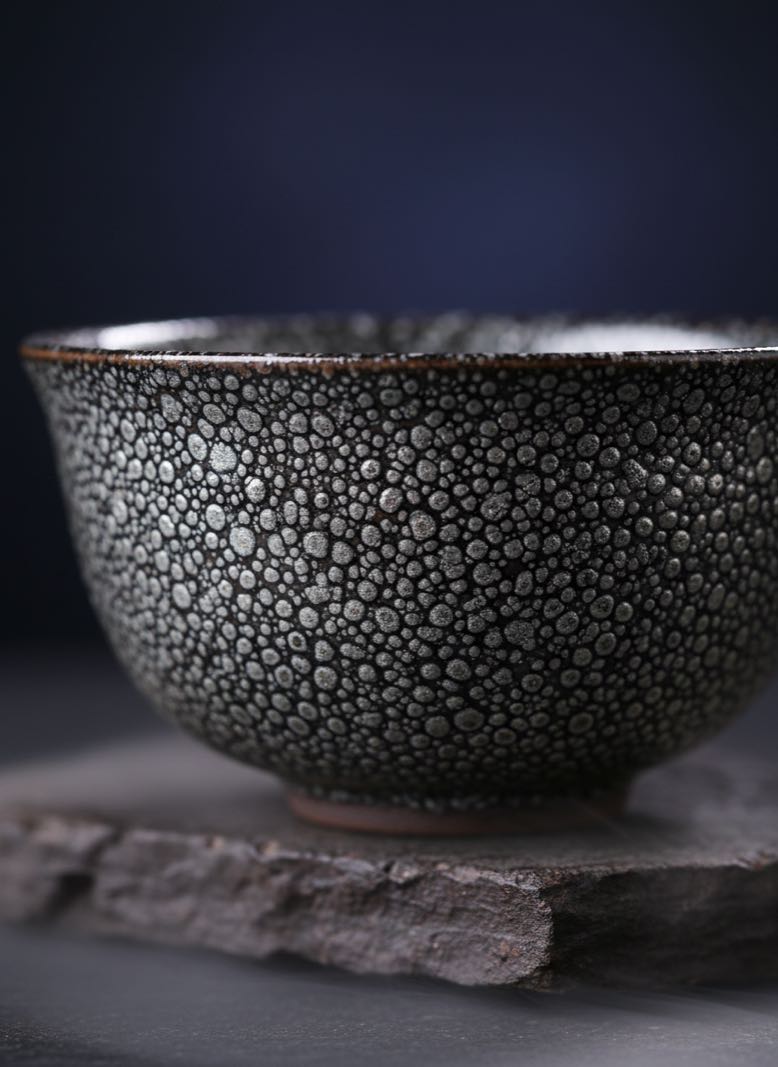
Silver oil in jianzhan refers to a crystallized iron oxide glaze pattern that creates a metallic silver sheen on the surface of Jian ware tea bowls, formed during high-temperature reduction firing at approximately 2300°F (1260°C). This striking visual effect — where tiny silver droplets and rivulets shimmer across a dark glaze — is one of the most prized patterns in tenmoku glaze patterns, and understanding it helps you appreciate why collectors seek these bowls so eagerly.
Unlike surface coatings or painted decorations, silver oil emerges naturally from the chemistry of the glaze itself. The iron-rich clay body and glaze of Jian ware — sourced from the mineral-rich soil of Shuiji village in Fujian Province — contain 6–10% iron oxide. When fired under precise reducing conditions, this iron crystallizes into metallic flecks that catch and reflect light, producing the characteristic silver luster. From Zen Tea Cup, we want you to recognize authentic silver oil when you see it.
| Key Stat | Value |
|---|---|
| Firing temperature | 2300–2400°F (1260–1320°C) |
| Iron oxide in glaze | 6–10% |
| Crystal size (silver oil spots) | 0.5–3mm diameter |
| Typical bowl diameter | 3.5–4.7 inches (9–12cm) |
| Typical capacity | 80–120ml (2.7–4oz) |
| Reduction firing duration | 12–18 hours |
| Successful silver oil yield rate | 15–25% |
| Value vs. golden oil | Silver 1.5–3× more valuable |
How Silver Oil Forms: The Science Behind the Sheen
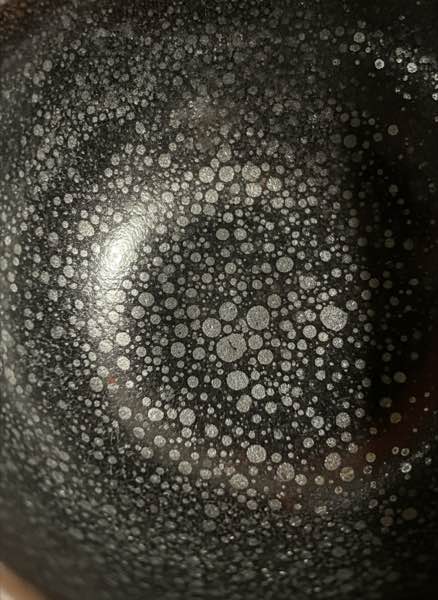
The formation of silver oil is a remarkable interplay of chemistry, temperature, and atmosphere inside the kiln. You might think the silver appearance comes from actual silver metal, but it is entirely the result of iron oxide (Fe₂O₃) undergoing phase transformations during firing. When the kiln reaches 2300–2400°F (1260–1320°C) in a reducing atmosphere — meaning oxygen is deliberately limited — the iron oxide loses oxygen atoms and converts to magnetite (Fe₃O₄) and eventually to metallic iron (Fe⁰) on the glaze surface.
Reduction Firing and Crystal Nucleation
During the 12–18 hour reduction phase, the kiln atmosphere is carefully controlled. The potter introduces organic fuel (typically pine wood) that consumes available oxygen, creating a carbon-rich environment. This reducing atmosphere strips oxygen from the iron oxide in the glaze, causing metallic iron to precipitate out as tiny crystals. These crystals nucleate at specific points on the glaze surface and grow outward, forming the characteristic round or elongated “oil spots” that range from 0.5mm to 3mm in diameter. The rate of cooling after the peak temperature determines whether these spots appear silver or golden — faster cooling tends to produce silver, while slower cooling allows oxidation that turns them golden.
Why the Glaze Appears Metallic
The metallic sheen of silver oil comes from the way these iron crystals interact with light. Unlike the matte surface of an uncrystallized glaze, the crystal faces are flat and reflective at a microscopic level, much like tiny mirrors embedded in the glaze. When light hits these crystal surfaces, it reflects back in a coherent direction, producing the bright silver flash that makes these bowls so captivating. The surrounding glaze — typically a deep black or dark brown — provides dramatic contrast, making the silver spots appear to float on the surface. According to research documented by the Metropolitan Museum of Art, this crystallization process is unique to Jian ware and cannot be replicated in lower-iron clays.
Silver Oil vs. Golden Oil: Key Differences
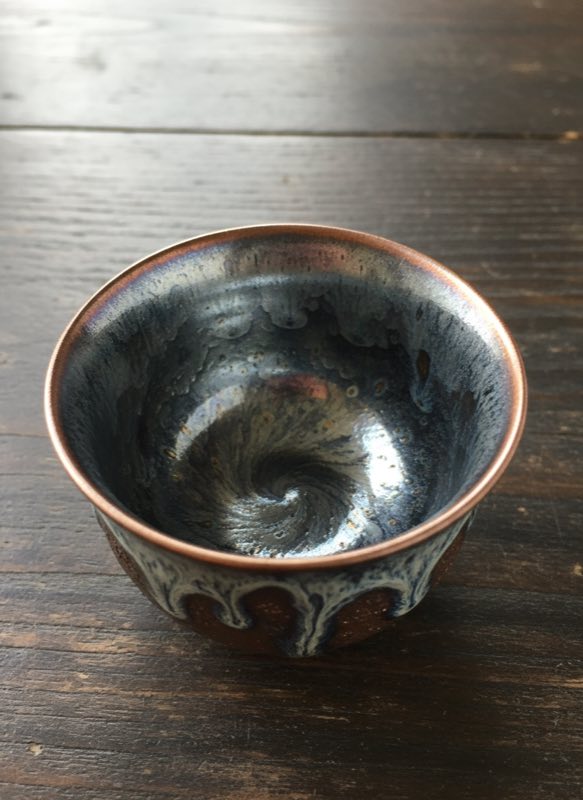
Both silver oil and golden oil are varieties of the “oil spot” (yōudī) glaze pattern in jianzhan, but they differ in appearance, formation conditions, and market value. If you are evaluating a jianzhan for your collection, knowing these differences is essential.
Visual and Chemical Distinctions
Silver oil spots appear as bright, metallic silver droplets on a dark glaze, while golden oil spots have a warm amber or gold tone. The color difference stems from the degree of oxidation the iron crystals undergo during cooling. Silver oil forms when the kiln is opened or cooled quickly while still in a reduced state — the iron remains in its metallic form (Fe⁰). Golden oil results from slight re-oxidation during slower cooling, which converts some surface iron back to iron oxide (Fe₂O₃), producing the warm golden hue. In terms of value, silver oil jianzhan typically command 1.5–3× the price of comparable golden oil pieces, because the precise cooling control required for silver oil is more difficult to achieve. The British Museum holds several Song Dynasty examples that illustrate both varieties.
Which Should You Choose?
For daily tea drinking, both silver and golden oil jianzhan perform identically — the glaze pattern does not affect how the bowl interacts with tea. However, if you are a collector or seeking investment-grade pieces, silver oil is generally the more sought-after pattern. The choice ultimately comes down to your personal aesthetic preference and budget. A well-formed golden oil bowl from a skilled artisan is far more desirable than a poorly executed silver oil piece. When evaluating either type, focus on the regularity, size, and distribution of the oil spots rather than the color alone. You can learn more about what drives jian zhan tea cup value in our detailed guide.
How to Identify Quality Silver Oil Jianzhan
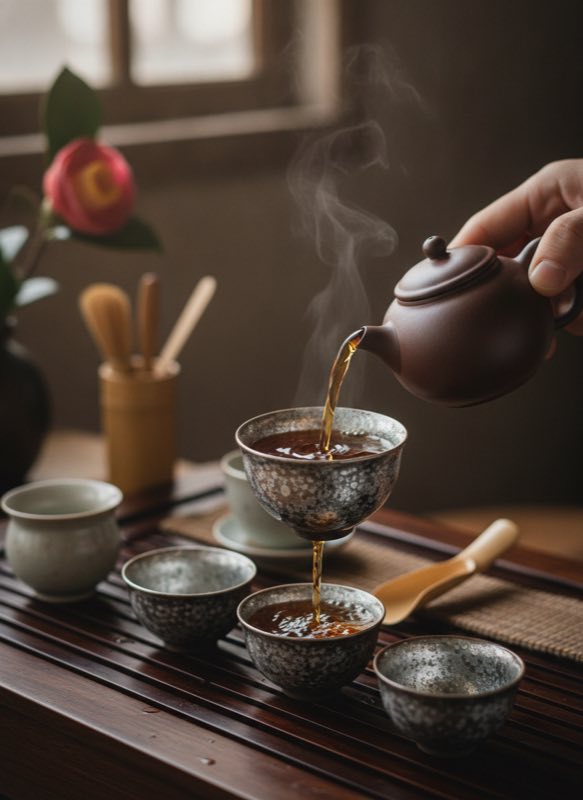
Not every bowl labeled “silver oil” meets collector-grade standards. You need to know what separates a mediocre example from an exceptional one. Here are the key quality indicators to examine when you evaluate a silver oil jianzhan.
Spot Distribution and Regularity
High-quality silver oil features spots that are evenly distributed across the interior of the bowl, with consistent sizing (typically 1–2mm for the finest pieces). Avoid bowls where spots cluster in one area or vary wildly in size — this indicates uneven kiln temperature or poor glaze application. The best examples show a natural gradation from larger spots near the rim (where glaze pools during firing) to smaller spots near the center, creating a sense of organic flow. Each spot should have a clearly defined edge with a bright, mirror-like center. Dull or fuzzy-edged spots suggest the firing temperature was slightly off, or the cooling rate was not optimal.
Glaze Depth and Luster
Authentic silver oil glaze has remarkable depth — when you tilt the bowl under light, the spots should appear to float within the glaze rather than sitting on top of it. This three-dimensional quality comes from the fact that crystal formation occurs beneath the glaze surface, not on it. If the silver effect looks painted on or sits flat on the surface, the piece may be a low-quality reproduction. The background glaze should be a deep, rich black (sometimes with subtle blue or brown undertones) that provides strong contrast with the silver spots. A thin or washed-out background glaze is a red flag. The Smithsonian Freer Gallery provides excellent reference images of authentic Song Dynasty silver oil jianzhan for comparison.
Caring for Your Silver Oil Jianzhan
Owning a silver oil jianzhan is a long-term commitment. With proper care, these bowls can last for generations — many Song Dynasty examples survive today in museum collections. The key is gentle, consistent maintenance that preserves the crystallized glaze without damaging it.
Daily Cleaning and Handling
After each use, rinse your jianzhan with warm water (never hot — rapid temperature changes can stress the glaze). Use only a soft cloth or your fingers to wipe the interior; never use abrasive sponges, steel wool, or any cleaning agent containing grit. The silver oil crystals, while durable, can be scratched by hard abrasives. Dry the bowl with a soft towel and allow it to air-dry completely before storing. Avoid dishwashers entirely — the harsh detergents and high-pressure water jets can degrade the glaze surface over time. When handling your bowl, hold it by the foot ring rather than the rim to minimize oils from your skin contacting the glaze.
Seasoning and Patina Development
Many jianzhan enthusiasts believe that regular use improves the bowl’s appearance over time. As you brew tea in the bowl, trace amounts of tea oils deposit on the glaze surface, creating a subtle patina that can enhance the depth and warmth of the silver oil pattern. This process — called “nourishing the bowl” (养盏, yǎng zhǎn) — takes months to years of consistent use. To accelerate it gently, some practitioners rinse the bowl with a thin tea solution after each session and let it air-dry without rinsing. However, never leave tea sitting in the bowl overnight, as the tannins can stain the glaze unevenly. For detailed maintenance guidance, see our jian zhan tea cup care tips.
Silver Oil Jianzhan in History and Culture
The silver oil pattern has been admired in Chinese tea culture since the Song Dynasty (960–1279 CE), when Jian ware reached its peak of refinement. Emperor Huizong — himself a passionate tea enthusiast — wrote in his Daguan Chalun (大观茶论, “Treatise on Tea”) that jianzhan with “oil spot” patterns were the finest vessels for whisked tea competitions. The silver variety was particularly valued because its bright, reflective surface made the white tea foam stand out dramatically against the dark glaze — a crucial advantage in competitive tea preparation where the quality of the foam determined the winner.
When these bowls traveled to Japan as part of the tea trade, Japanese tea masters gave them the name “tenmoku” (天目, “heaven’s eye”), after the Tianmu Mountain temple where monks reportedly first brought such bowls from China. In Japanese tea ceremony, silver oil tenmoku bowls are classified as yōyōde (曜変天目) when the spots are exceptionally brilliant, and these rank among the most treasured ceramic objects in Japanese cultural heritage. Three Song Dynasty yōyōde bowls are designated as National Treasures of Japan, each valued at effectively priceless status. Understanding this cultural lineage helps you appreciate that when you hold a silver oil jianzhan, you are holding a piece of living ceramic history that connects you to nearly a millennium of tea tradition.
❓ What causes silver oil vs. golden oil in jianzhan?
The difference comes down to cooling speed after peak firing temperature. Silver oil forms when the kiln cools quickly in a reduced (low-oxygen) atmosphere, keeping the iron crystals in their metallic state. Golden oil results from slower cooling that allows slight re-oxidation, converting surface iron to iron oxide with a warm golden color. Both patterns start from the same iron-rich glaze — the kiln atmosphere during cooling determines the final color.
❓ Is silver oil jianzhan safe for daily tea drinking?
Yes, authentic silver oil jianzhan is completely safe for daily use. The silver appearance comes from crystallized iron oxide — a natural mineral, not actual silver metal or any toxic coating. The glaze is fired at over 2300°F, which vitrifies the surface and makes it inert and non-reactive with tea. In fact, the iron-rich glaze may subtly enhance tea flavor by softening water, as many tea enthusiasts report. Just avoid using your jianzhan in the microwave or dishwasher.
❓ How can I tell if a silver oil jianzhan is authentic?
Look for three key indicators: (1) The silver spots should appear to float within the glaze, not sit on top — tilt the bowl under light to check for depth. (2) The background glaze should be a deep, rich black with natural variation, not a flat or painted-on appearance. (3) Authentic jianzhan feels heavier than its size suggests, because the iron-rich clay body is denser than ordinary porcelain. If the spots look printed, the glaze looks thin, or the bowl feels unusually light, it may be a reproduction.
📚 References
- Jian Ware Tea Bowls: Metropolitan Museum of Art collection documentation on Song Dynasty Jian ware with oil spot glaze patterns. Metropolitan Museum of Art
- Chinese Ceramics — Jian Bowl: British Museum research notes on Jian ware glaze chemistry and firing techniques. British Museum
- Tenmoku Collection: Smithsonian Freer Gallery of Art reference collection of Japanese and Chinese tenmoku ceramics. Smithsonian Institution
Discover your own silver oil jianzhan and experience the beauty of crystallized iron glaze — understanding how these remarkable patterns forms deepens your appreciation every time you brew. Browse our curated tenmoku tea cup collection at Zen Tea Cup to find the perfect bowl for your tea practice.


