

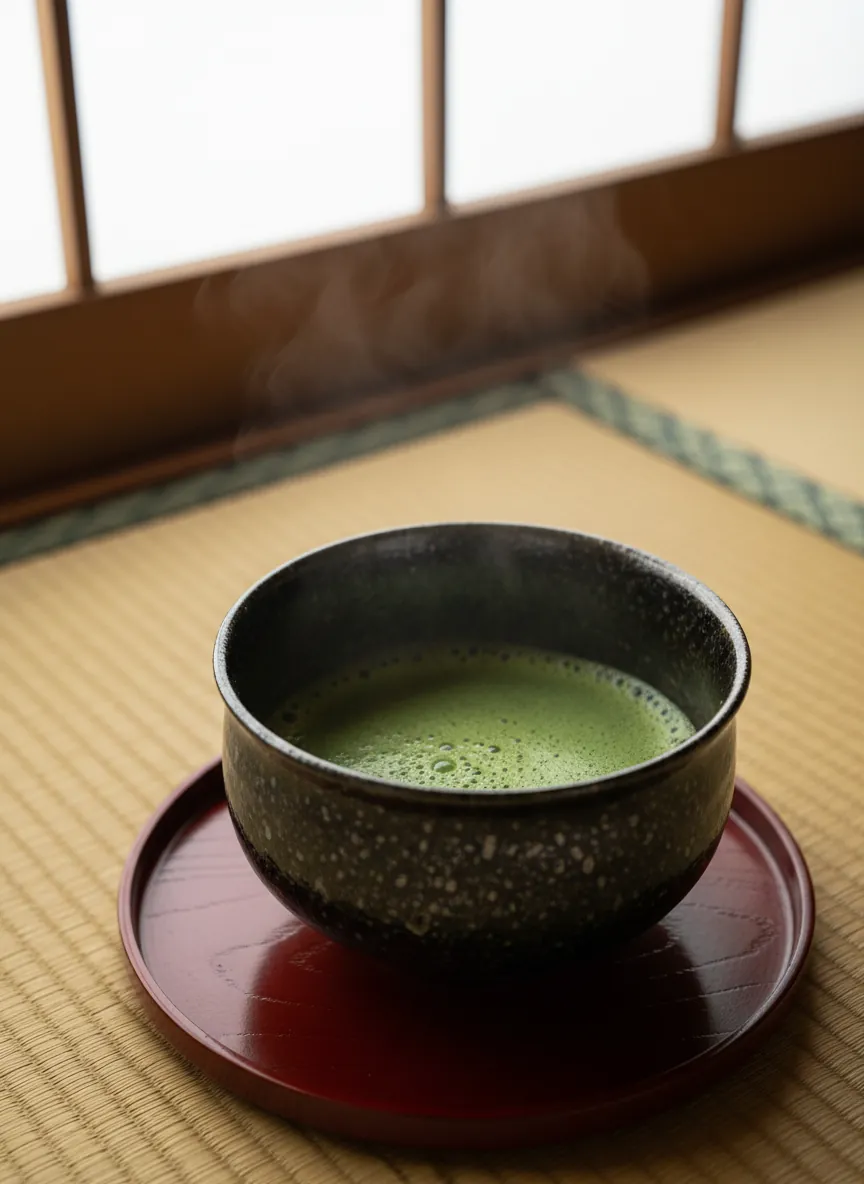
If you have just received your first Tenmoku tea cup and want to use it properly in a Japanese tea ceremony, this guide walks you through every step — from how to hold the bowl to the etiquette of receiving, turning, and drinking. At ZenTeaCup, we have worked with Jianyang kiln artisans for years, and we have seen many beginners feel unsure about the right way to handle these historic vessels. A Tenmoku tea cup (also called a tenmoku chawan) is a handle-less, iron-glazed tea bowl originally from China’s Song Dynasty, adopted into Japanese chanoyu as one of the most revered ceremonial vessels.
Contents
- What Is a Tenmoku Tea Cup in Japanese Tea Ceremony?
- How to Hold a Tenmoku Tea Bowl Properly
- How to Receive and Drink Tea from a Tenmoku Cup
- How to Choose the Right Tenmoku Bowl for Chanoyu
- Tenmoku Tea Cup vs. Other Japanese Tea Ceremony Vessels
- Caring for Your Tenmoku Tea Cup After the Ceremony
- ❓ FAQ
- Can I use a tenmoku tea cup for everyday drinking at home?
- What is the name of the Japanese tea ceremony cup?
- What should you not do at a Japanese tea ceremony?
- Does the iron glaze in a tenmoku cup affect the taste of matcha?
- ❓ How do I know if my tenmoku cup is authentic?
- ❓ Can I use tenmoku cups every day?
- ❓ What tea tastes best in tenmoku?
- 📚 References
What Is a Tenmoku Tea Cup in Japanese Tea Ceremony?
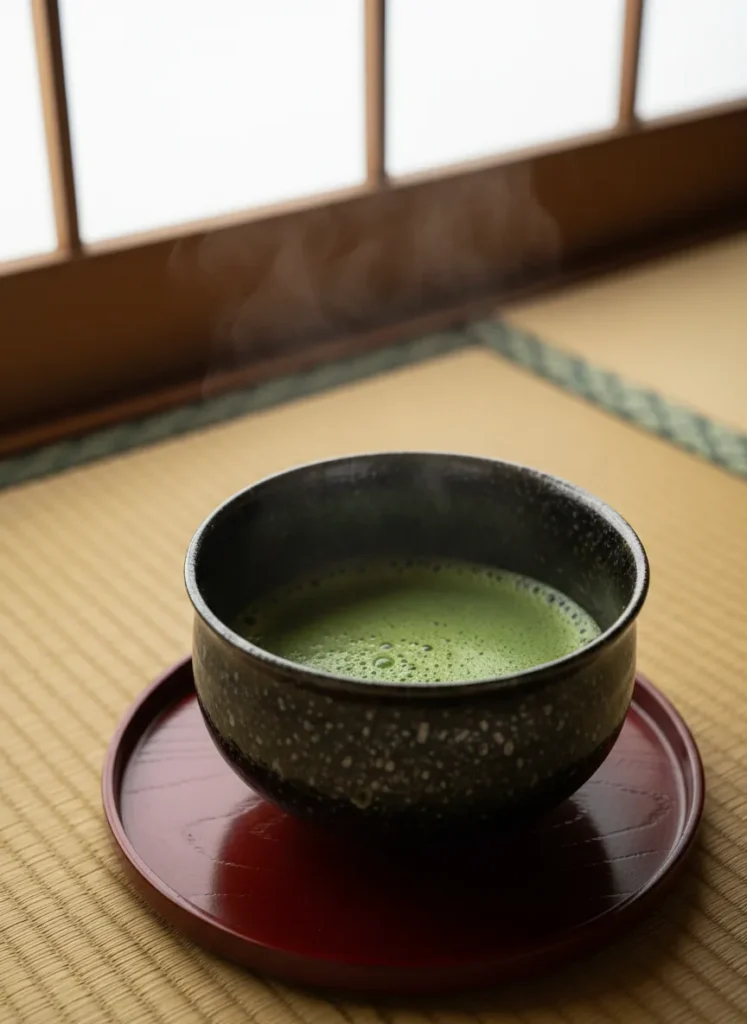
A Tenmoku tea cup is a handle-less, iron-rich stoneware bowl used in Japanese tea ceremony (chanoyu) for preparing and drinking matcha. Imported from China’s Fujian province as early as the 12th century, these bowls were prized by Japanese tea masters for their dark glazes and unique kiln-altered patterns. In the hierarchy of chawan, tenmoku bowls rank among the most formal and prestigious.
Unlike everyday teacups, a tenmoku chawan serves as both a functional brewing vessel and a contemplative object. The host selects it deliberately to match the season, the occasion, and the guests. Each bowl carries distinct glaze characteristics — hare’s fur streaks, oil-spot droplets, or rare yōhen iridescence — that reveal themselves differently under changing light.
| Feature | Details |
|---|---|
| Origin | Jianyang, Fujian, China (Song Dynasty, 10th–13th century) |
| Material | Iron-rich stoneware clay (FeO content 15–30%) |
| Firing Temperature | Approximately 1,300°C in reduction atmosphere |
| Capacity | Typically 50–120 ml for ceremonial use |
| Formal Rank | Highest formal tier among chawan in chanoyu |
How to Hold a Tenmoku Tea Bowl Properly
Hold the tenmoku bowl with both hands: cradle it in the palm of your left hand and support the rim with the fingers of your right hand. This two-handed grip shows respect for the bowl and the tea it holds, and it keeps the vessel steady during the ceremony.
When we first practiced this technique during a tea ceremony workshop in Kyoto, we found that many beginners instinctively grab the bowl with one hand — the way you would hold a coffee mug. That is natural, but in chanoyu, both hands work together as a single unit of mindful attention.
Here is the step-by-step method:
- Pick up with your right hand: Reach for the bowl and lift it from the tatami or tray.
- Transfer to your left palm: Place the bowl in the center of your left palm, cradling its base. Your left hand supports most of the weight.
- Steady with your right hand: Rest the fingers of your right hand lightly on the far side of the rim. Your right hand guides and stabilizes.
- Keep your grip gentle but secure: Hold the bowl on the soft pads of your fingers — not tightly, not loosely. Think of holding a small bird: firm enough that it will not escape, gentle enough that it is unharmed.
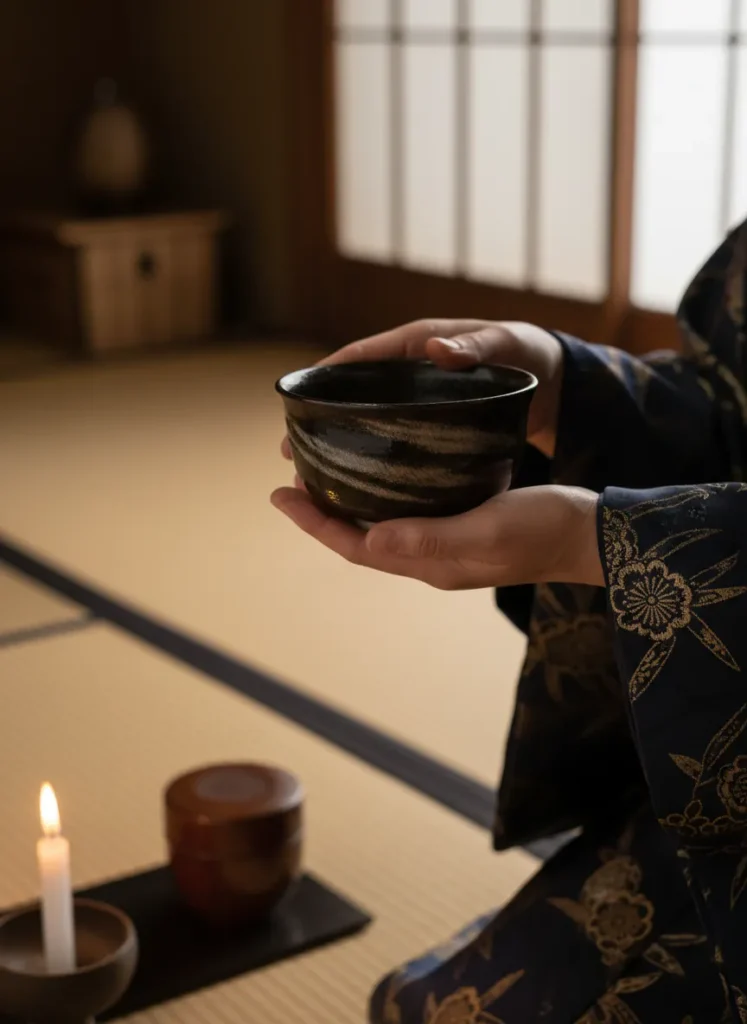
This grip applies whether you are the host serving tea or the guest receiving it. The two-handed hold remains one of the most recognizable elements of Japanese tea ceremony etiquette.
How to Receive and Drink Tea from a Tenmoku Cup
To receive tea in a tenmoku cup during chanoyu, bow, lift the bowl with both hands, rotate it clockwise about a quarter turn, then drink in two and a half sips. Each action carries specific meaning rooted in centuries of tradition.
The receiving and drinking sequence follows a precise choreography. We found this the hardest part to memorize at first — there are many small gestures — but once you understand the logic behind each step, the flow becomes intuitive.
- Bow before touching the bowl: Acknowledge the host’s preparation and the gift of tea.
- Pick up the bowl with both hands: Use the two-handed grip described above.
- Place it on your left palm, supported by your right hand: This is the standard ceremonial resting position.
- Rotate the bowl clockwise about 90 degrees: Turn it so the front (shōmen) — the most beautiful side — faces away from your lips. You drink from a less decorative side as a gesture of humility.
- Take two and a half sips: The first two sips are full; the last “half sip” is a smaller draw followed by a soft, audible slurp. This final sound signals to the host that you have finished and appreciated the tea.
- Wipe the rim with your right thumb and forefinger: Gently clean the spot where your lips touched, as a sign of care for the shared vessel.
- Rotate the bowl back counterclockwise: Return the front to its original position.
- Admire the bowl: Before setting it down, take a moment to appreciate its glaze, shape, and weight — this is an essential part of the ceremony, not an optional extra.
Don’t worry if this feels like a lot at first. The movements become second nature after just a few practice sessions. The key is intention — each gesture expresses gratitude and mindfulness rather than rigid rule-following.
How to Choose the Right Tenmoku Bowl for Chanoyu
Choose a tenmoku bowl based on the season, the formality of the occasion, and the glaze pattern that best complements the color of your matcha. In chanoyu, the chawan is selected with the same care a chef gives to plating a dish — the vessel shapes the experience.
Three factors guide your selection:
- Formality: Tenmoku bowls are the most formal type of chawan. Use them for high-rank guests, special seasonal gatherings, or New Year ceremonies. For everyday practice, a simpler raku or karatsu bowl may feel more approachable.
- Season: In winter, choose a deeper, thicker-walled tenmoku bowl to retain heat — think dark oil-spot or hare’s fur glazes in deep brown or black. In summer, a slightly shallower bowl with lighter-colored rim accents lets the matcha cool a touch faster.
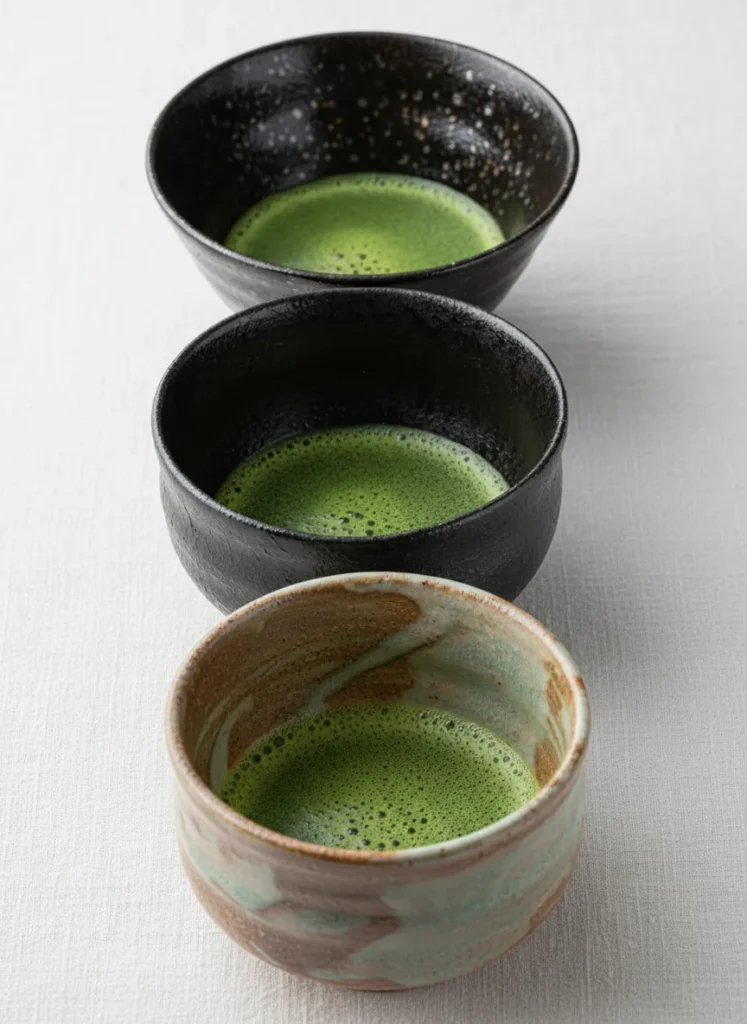
- Matcha contrast: The vivid green of matcha against a dark tenmoku glaze creates one of the most celebrated visual moments in the tea room. Oil-spot (yuteki) patterns with silver or gold metallic droplets amplify this contrast beautifully.
If you are just starting out, we recommend a hare’s fur tenmoku tea cup — it is versatile across seasons, reasonably priced ($55–$85), and the fine streaked pattern pairs well with both thin (usucha) and thick (koicha) matcha.
Tenmoku Tea Cup vs. Other Japanese Tea Ceremony Vessels
Tenmoku bowls differ from raku and karatsu chawan primarily in their Chinese origin, iron-rich glaze, and highest formal rank. While all three serve the same ceremonial function, their aesthetics and cultural background set them apart.
| Feature | Tenmoku Chawan | Raku Chawan | Karatsu Chawan |
|---|---|---|---|
| Origin | China (Jianyang, Fujian) | Japan (Kyoto) | Japan (Karatsu, Saga) |
| Glaze Type | Iron-rich black glaze | Soft, low-fire lead-free glaze | Ash and iron glazes |
| Formal Rank | Highest (shin) | High (gyō) | Mid to casual (sō) |
| Typical Price Range | $45–$200+ | $80–$500+ | $60–$300+ |
| Best For | Formal ceremonies, winter use | Year-round, wabi aesthetic | Everyday practice, casual gatherings |
Tenmoku bowls bring a specific weight and solemnity to the tea room. Their dark surfaces and metallic glaze patterns catch candlelight in ways that no other chawan type can replicate. For an in-depth comparison, see our guide on Jian Zhan vs. Porcelain Tea Cups.
Caring for Your Tenmoku Tea Cup After the Ceremony
After a tea ceremony, rinse your tenmoku cup with warm water (at least 140°F / 60°C), wipe gently with a soft cloth, and air-dry completely before storing. Proper care preserves the iron glaze’s luster and allows the bowl to develop a natural patina over years of use.
One mistake we made early on was using dish soap on a tenmoku bowl — the detergent stripped away the thin tea residue that gradually deepens the glaze’s surface character. Since then, we have switched to hot-water-only cleaning, and the difference in the bowl’s developing richness is visible.
Follow these care steps:
- Rinse immediately after use: Pour warm water into the bowl and swirl gently. Do not scrub.
- Wipe the interior softly: Use a microfiber cloth or chamois. Pat rather than rub.
- Rinse the exterior: Run warm water over the outside, then pat dry.
- Air-dry fully: Place the bowl upside down on a clean cloth in a well-ventilated spot. Wait at least 2–3 hours before storing.
- Store in a cloth bag: Use a soft cotton or silk bag to prevent scratches. Never stack tenmoku bowls directly on top of each other.
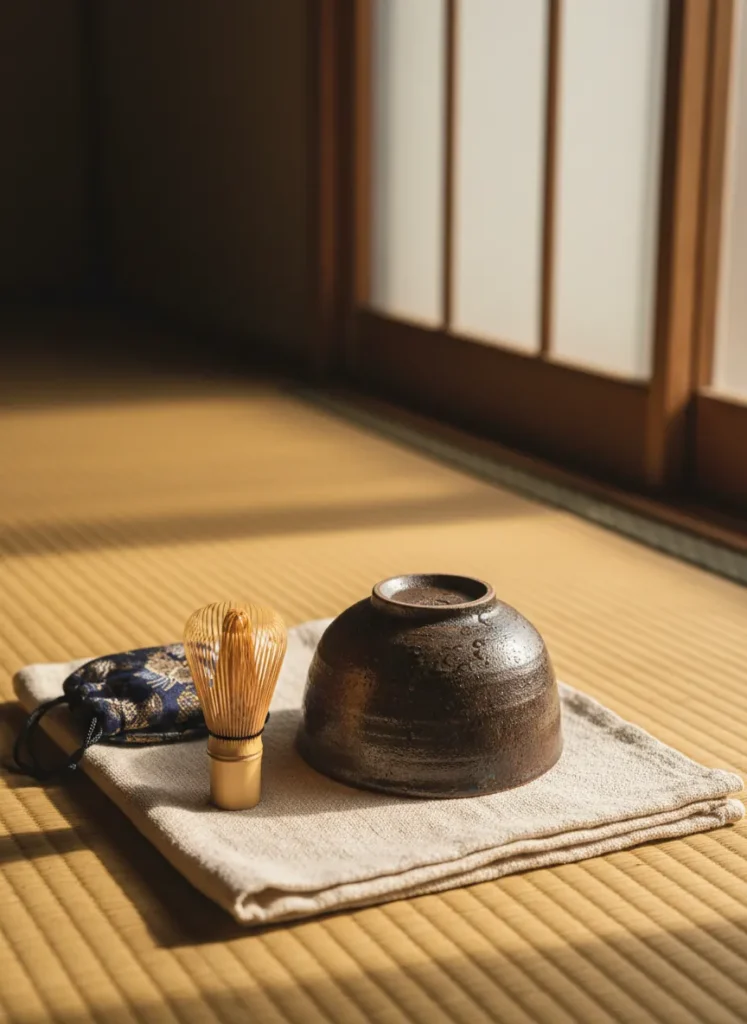
Avoid dishwashers, microwave ovens, and abrasive sponges. For full maintenance guidance, see our Jian Zhan care guide.
❓ FAQ
Can I use a tenmoku tea cup for everyday drinking at home?
Yes. Many tea enthusiasts use tenmoku cups daily for gongfu tea or simple matcha. The iron glaze retains heat well, and the bowl shape enhances aroma. Just follow the warm-water-only cleaning method to preserve the glaze.
What is the name of the Japanese tea ceremony cup?
The cup used in Japanese tea ceremony is called a chawan (茶碗). A tenmoku chawan is a specific type distinguished by its Chinese origin and dark iron glaze.
What should you not do at a Japanese tea ceremony?
Do not pick up the bowl with one hand, drink from the decorative front side, place the bowl down before wiping the rim, or talk loudly during the ceremony. The guiding principle is quiet respect — for the host, the tea, and the vessel.
Does the iron glaze in a tenmoku cup affect the taste of matcha?
Many practitioners report that the iron-rich glaze softens water and rounds out matcha’s bitterness, though this remains a traditional belief rather than a scientifically proven effect. We recommend enjoying the experience as part of the ceremony’s mindfulness rather than expecting a measurable taste change.
❓ How do I know if my tenmoku cup is authentic?
Look for an unglazed foot ring showing dark iron-rich clay, metallic luster that shifts with viewing angle, and subtle asymmetry from hand-forming. See the handmade tenmoku identification guide for a detailed checklist.
❓ Can I use tenmoku cups every day?
Yes. Authentic high-fired tenmoku is designed for daily tea drinking and is completely food safe. Daily use actually helps develop the glaze patina that collectors prize. The new tenmoku owner guide covers daily care routines.
❓ What tea tastes best in tenmoku?
Oolong and aged pu-erh are the classic pairings. The iron-rich glaze softens tannins and enhances aroma. Read the oolong-tenmoku pairing guide for the science behind this.
📚 References
-
Chanoyu and the Japanese Tea Ceremony:
Historical overview of matcha culture, its introduction from China, and the role of chawan in formal tea gatherings.
Source: Ippodo Gallery, Kyoto
(Readers may search the institution’s website for current resources) -
Song Dynasty Jian Ware and Its Influence on Japanese Tea Culture:
Scholarly account of how Jianyang kilns produced tenmoku bowls and their adoption into Japanese chanoyu practice.
The Metropolitan Museum of Art -
Ceramic Tableware Safety — Lead and Cadmium Standards:
Guidance on the safety of ceramic foodware glazes, including traditional iron-glazed stoneware.
U.S. FDA
Whether you are preparing for your first formal tea ceremony or simply want to bring more mindfulness to your daily matcha, a tenmoku tea cup is a worthy companion. Browse ZenTeaCup’s handcrafted tenmoku collection to find a bowl that matches your practice and your aesthetic.


