

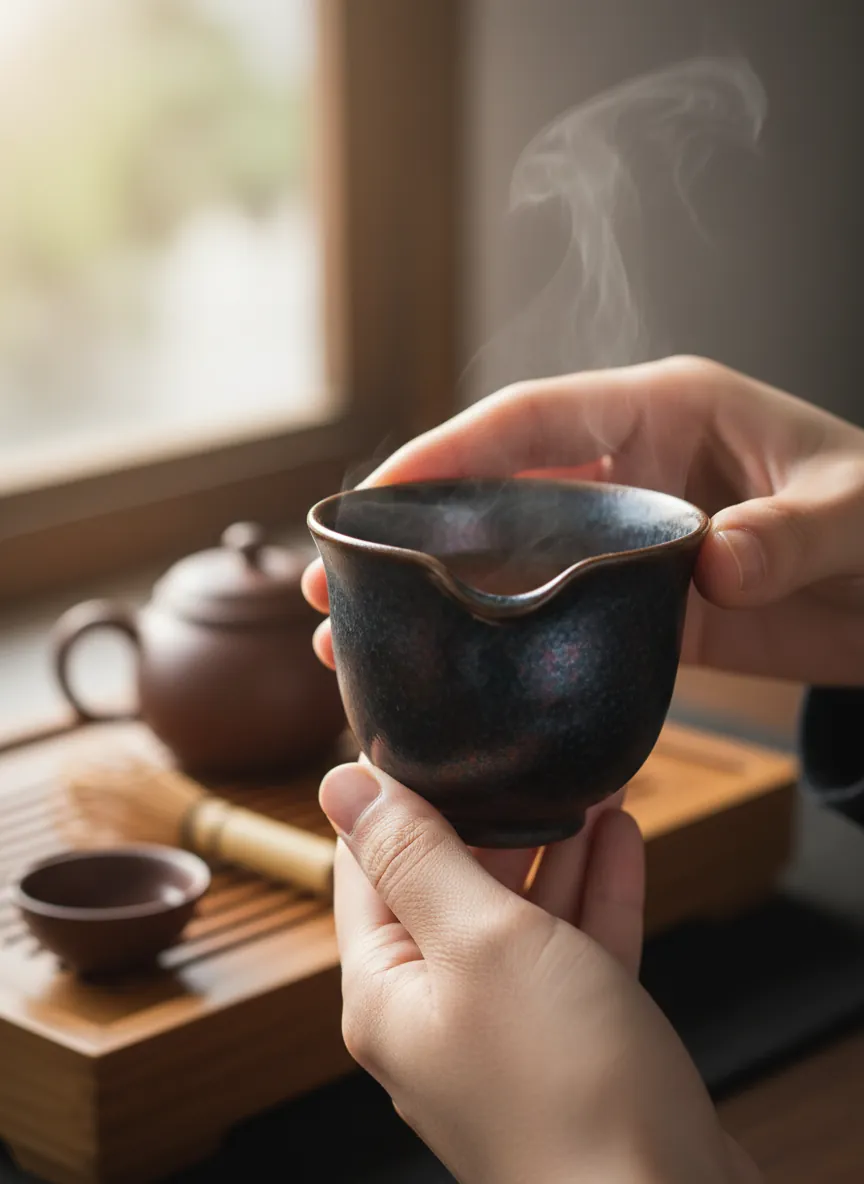
If you’re new to semi-oxidized Chinese teas, Tieguanyin (Iron Goddess of Mercy) is the best starting point—its floral sweetness and forgiving brew tolerance make it nearly impossible to ruin. Close behind are Da Hong Pao for roasted warmth and Ali Shan for creamy smoothness. Drawing on centuries of Chinese tea tradition and our own tasting experience, this guide walks you through six beginner-friendly oolongs, explains oxidation levels in plain language, and includes a quick aroma test you can try at home to train your palate from day one. Curated by Zen Tea Cup (Potalastore)
Contents
- What Makes Oolong Different from Green and Black Tea
- 6 Best Oolong Teas for Beginners (Ranked by Approachability)
- 1. Tieguanyin (Iron Goddess of Mercy) — The Easiest Entry Point
- 2. Da Hong Pao (Big Red Robe) — The Roasted Classic
- 3. Ali Shan (Alishan High Mountain) — The Creamy Smooth One
- 4. Dancong (Phoenix Single Bush) — The Aromatic Thrill
- 5. Jin Xuan (Milk Oolong) — The Dessert Tea
- 6. Oriental Beauty (Dong Fang Mei Ren) — The Honey-Kissed Wonder
- The Oxidation Wheel: A Visual Way to Choose Your Tea
- The 10-Second Aroma Test: Train Your Palate Today
- Brewing Tips Specifically for Beginners
- Which Oolong Should You Buy First?
- Frequently Asked Questions
- ❓ What is the best oolong tea for someone who has never tried it?
- ❓ How much caffeine does oolong tea have?
- ❓ Can I cold brew oolong tea?
- ❓ How many times can I re-steep oolong leaves?
- ❓ What’s the difference between Chinese and Taiwanese oolong?
What Makes Oolong Different from Green and Black Tea
Oolong sits in the middle of the tea spectrum, and that middle is wide. Green tea is barely oxidized (0–5%), black tea is fully oxidized (95–100%), but semi-oxidized teas range anywhere from 8% to 85%. This enormous range is why one oolong can taste like fresh lilacs while another reminds you of toasted walnuts and charcoal.
Think of oxidation as a dial. Turn it slightly and you get a light, floral cup similar to green tea. Crank it up and you enter dark, roasted territory approaching black tea. Most beginners start on the lighter end and work their way toward heavier roasts as their palate develops.
Three factors shape every cup through a process called partial enzymatic browning—the same polyphenol oxidase reaction that turns apples brown, halted at a precise moment by de-enzyming (kill-green): oxidation level (how long the leaves are bruised and exposed to air), roast level (whether and how the finished tea is fire-processed), and terroir (soil, altitude, and climate of the origin mountain). Understanding these three variables is the key to navigating the entire category.
6 Best Oolong Teas for Beginners (Ranked by Approachability)
1. Tieguanyin (Iron Goddess of Mercy) — The Easiest Entry Point
Origin: Anxi County, Fujian Province, China
Oxidation: 15–30% (modern light style) or 40–50% (traditional style)
Flavor profile: Orchid, lilac, fresh cream, lingering sweet aftertaste (hui gan)
Tieguanyin earned the nickname “Iron Goddess” for a reason: it’s bulletproof. You can steep it too long, use water that’s slightly too hot, and still get a pleasant cup. That forgiving nature makes it the single best starting point for anyone exploring Chinese wulong for the first time.
Modern Anxi-style Tieguanyin is lightly oxidized and unroasted, preserving bright floral notes. Traditional-style leaves are oxidized longer and given a gentle roast, producing deeper fruit and honey tones. Try both styles side by side—you’ll immediately taste the difference oxidation makes. For brewing, use water around 195 °F (90 °C) and steep 1–2 minutes for the first infusion. This tea rewards multiple steepings; a good Tieguanyin gives you 5–7 rounds. For step-by-step guidance, see our complete Gongfu Cha brewing guide.
2. Da Hong Pao (Big Red Robe) — The Roasted Classic
Origin: Wuyi Mountains, Fujian Province, China
Oxidation: 60–80%
Flavor profile: Dark chocolate, roasted orchard fruit, mineral, wood smoke
Da Hong Pao is the most famous of the Wuyi rock teas (yancha), named after the legendary red-robed bushes clinging to Wuyi Mountain cliffs. Its flavor is bold and warming—think of it as the “coffee drinker’s tea” because of its roasted, mineral depth.
Authentic Da Hong Pao from the original mother bushes is virtually unobtainable (a single gram once sold for more than gold, according to records from the Wuyi Mountain Cultural Heritage Bureau), but well-crafted commercial blends using cuttings from those bushes deliver a remarkably similar experience at approachable prices. Look for “Da Hong Pao” that lists Wuyi Mountain as the origin rather than a generic “Fujian” label.
Brew Da Hong Pao with near-boiling water (205–212 °F / 96–100 °C) in a small gaiwan or Yixing pot. The high temperature unlocks the roasted, mineral complexity that lighter brewing would miss. This is also one of the best teas to serve from a Tenmoku cup—the iron-rich glaze enhances the mineral backbone of rock teas.
3. Ali Shan (Alishan High Mountain) — The Creamy Smooth One
Origin: Alishan, Chiayi County, Taiwan
Oxidation: 20–30%
Flavor profile: Butter, sweet cream, jasmine, fresh sugarcane
Taiwanese high mountain oolong is what happens when you grow semi-oxidized tea at elevation—slow growth in cool mountain air concentrates amino acids and sugars in the leaf, producing a cup that tastes almost creamy without a drop of milk. Ali Shan is the most accessible of Taiwan’s high mountain teas and a wonderful bridge between Chinese floral styles and Taiwanese buttery ones.
The hallmark of a quality Ali Shan is its “milk sweet” texture and persistent floral aftertaste. It’s less fussy than Tieguanyin about steeping time but prefers slightly cooler water (185–195 °F / 85–90 °C). For a deeper dive into Taiwan’s high mountain tea culture, see our complete guide to Taiwanese High Mountain Oolong.
4. Dancong (Phoenix Single Bush) — The Aromatic Thrill
Origin: Phoenix Mountains, Guangdong Province, China
Oxidation: 40–60%
Flavor profile: Intensely aromatic—varieties mimic gardenia, honey orchid, almond, or even grapefruit
Phoenix Dancong is the perfume of the tea world. Each bush produces leaves with a distinctive aroma profile, and the tea is named after that aroma: Mi Lan Xiang (Honey Orchid), Huang Zhi Xiang (Gardenia), Xing Ren Xiang (Almond). For beginners, Mi Lan Xiang is the most accessible—it smells like honey drizzled over ripe peaches.
One warning: Dancong is the least forgiving tea on this list. It brews fast and can turn bitter if over-steeped. Use water around 200 °F (93 °C) and keep first infusions to 30–45 seconds. The reward is an aroma so vivid it seems impossible that it comes from dried leaves alone.
5. Jin Xuan (Milk Oolong) — The Dessert Tea
Origin: Developed in Taiwan (cultivar TTES #12); widely grown in Alishan and Nantou
Oxidation: 15–25%
Flavor profile: Sweet milk, butter cookies, light floral, custard
Jin Xuan translates to “Golden Daylily,” but most people know it as Milk Oolong because of its natural creamy sweetness. To be clear: authentic Jin Xuan tastes milky because of the cultivar’s chemistry, not because of added flavoring. Some cheaper versions are scented with milk flavor—read labels carefully.
This is the tea you hand to someone who says “I don’t like tea.” Its gentle, dessert-like character makes it universally approachable. Brew at 185–195 °F (85–90 °C) for 1.5–2 minutes. It also makes an excellent cold brew—steep 5 grams in 500 mL cold water for 6–8 hours in the refrigerator.
6. Oriental Beauty (Dong Fang Mei Ren) — The Honey-Kissed Wonder
Origin: Hsinchu County, Taiwan
Oxidation: 65–75%
Flavor profile: Wild honey, ripe stone fruit, muscat grape, spice
Oriental Beauty has the most unusual origin story on this list: its flavor depends on tiny insects called green leafhoppers that bite the tea leaves before harvest. The plant’s defense response produces compounds that, after oxidation, create an intense honey and muscat grape aroma—research published in the Journal of Agricultural and Food Chemistry confirms that leafhopper-induced feeding triggers terpene production in tea leaves. No bugs, no Oriental Beauty—it’s that simple.
Despite its 65–75% oxidation, it doesn’t taste roasted or heavy. Instead, it lands somewhere between a rich black tea and a dessert wine. It’s one of the few high-oxidation teas that beginners love immediately. Brew at 195 °F (90 °C) for 2 minutes, and savor the honeyed finish.
The Oxidation Wheel: A Visual Way to Choose Your Tea
Here’s a mental framework that most guides don’t give you. Picture a wheel with six positions:
| Oxidation Range | Flavor Band | Best Teas | Character |
|---|---|---|---|
| 8–20% | Light & Floral | Jin Xuan, light Tieguanyin | Bright, sweet, easygoing |
| 20–35% | Floral & Creamy | Ali Shan, traditional Tieguanyin | Balanced, textured |
| 35–50% | Fruity & Aromatic | Dancong Mi Lan Xiang | Intense perfume, complex |
| 50–65% | Honey & Fruit | Ginseng Oolong, some Dancong | Sweet, warming |
| 65–80% | Rich & Honeyed | Oriental Beauty, Da Hong Pao | Deep, satisfying |
| 80–85% | Dark & Roasted | Heavy-roast Da Hong Pao | Bold, smoky, espresso-like |
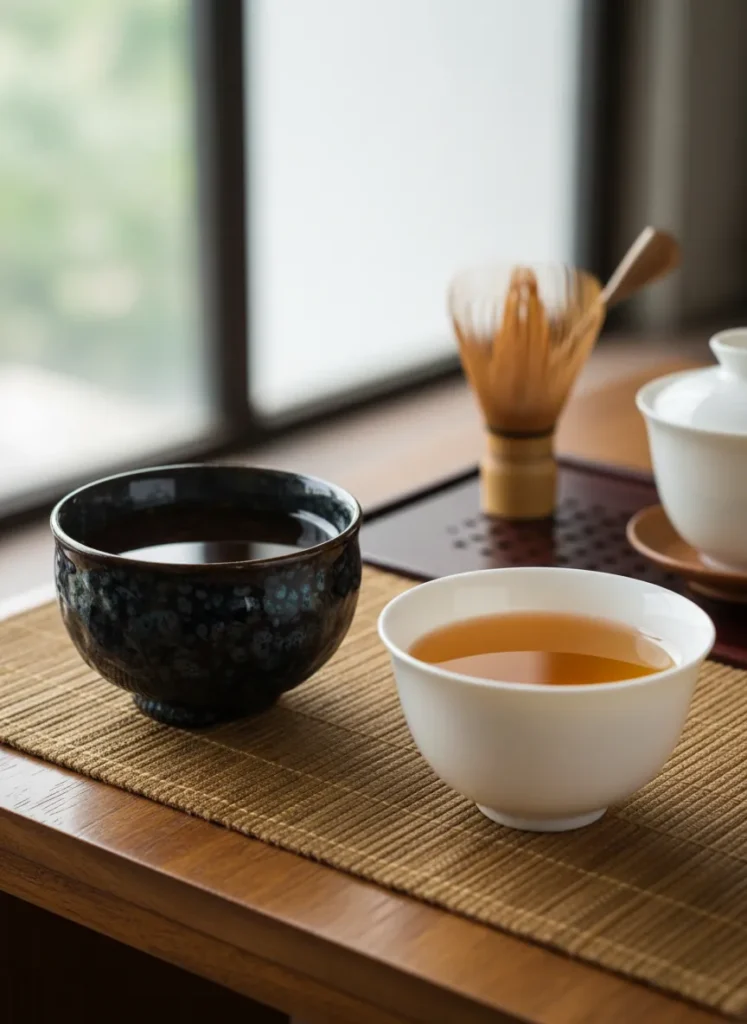
Most beginners enjoy the first three bands. Once you’ve explored those, move clockwise into richer territory. If you want a tea that pairs well with food, the mid-range (35–65%) is your sweet spot—check out our overview of all Chinese tea types to see where oolong fits in the bigger picture.
The 10-Second Aroma Test: Train Your Palate Today
In our experience curating teas for hundreds of customers, here’s a technique I’ve never seen in another beginner guide—something professional tea tasters do instinctively but rarely teach. I call it the 10-Second Aroma Test, and it will accelerate your ability to distinguish oolong styles faster than any flavor wheel.
Step 1: Place 3–5 grams of dry leaf in a warm gaiwan (pour hot water in, discard, then add leaves).
Step 2: Close the lid. Wait exactly 10 seconds.
Step 3: Lift the lid and inhale deeply through your nose.
Step 4: Categorize what you smell into one of four zones:
- Green zone — fresh grass, steamed vegetables, light flowers = low oxidation
- Floral zone — jasmine, orchid, lily, cream = medium-low oxidation
- Fruit zone — peach, plum, honey, roasted nuts = medium-high oxidation
- Fire zone — charcoal, dark chocolate, baked bread, smoke = high oxidation or heavy roast
Do this with two different teas side by side, and you’ll start recognizing oxidation by aroma alone—before you even brew. It takes about 10 repetitions before the patterns lock in, but even on your first try you’ll notice clear differences that flavor wheels alone can’t teach.
Brewing Tips Specifically for Beginners
Most guides give you a temperature chart and send you on your way. That’s not enough. Here are the practical details that help you avoid common brewing mistakes:
Water quality matters more than you think. If your tap water tastes chlorinated, your tea will too. Filtered or spring water is non-negotiable for semi-oxidized teas—their delicate aromatics are the first thing chlorine destroys.
Leaf-to-water ratio: start generous. Use about 5 grams of leaf per 150 mL of water. You can always use less next time, but under-leafing produces a thin, weak cup that tells you nothing about the tea’s real character.
Pre-warm your vessel. Pour hot water into your gaiwan or teapot, swirl, and discard before adding leaves. A cold vessel drops your brewing temperature by 10–15 °F, which is enough to under-extract lighter styles.
Don’t throw away the first steep. For tightly rolled oolongs (Tieguanyin, Ali Shan, Jin Xuan), the first 10-second “rinse” actually starts unfurling the leaves. Some drinkers pour it out; I recommend tasting it—it’s often a preview of the tea’s peak flavor, just in concentrate form.
For the full Gongfu Cha method with step-by-step photos, see our detailed brewing tutorial. If you’re also thinking about the right cup to use, our beginner’s guide to Tenmoku tea cups pairs well with any of these teas.
Which Oolong Should You Buy First?
Based on everything above, here’s a simple decision framework:
Ready to find your perfect cup? Explore our curated collection of handcrafted teaware designed to elevate every oolong session.
If you want the safest bet: Tieguanyin. Forgiving, affordable, widely available, and it teaches you what “floral” means in tea.
If you love bold, rich flavors: Da Hong Pao. It’s the one tea that converts coffee drinkers.
If you prefer smooth and sweet: Ali Shan or Jin Xuan. Both are creamy and gentle—Ali Shan is more complex, Jin Xuan is more dessert-like.
If you want to be wowed by aroma: Dancong Mi Lan Xiang. It’s the most exciting smelling tea on this list, but requires careful brewing.
If you want something unique: Oriental Beauty. The bug-bite honey story alone is worth the price, and the taste delivers.
Whichever you choose, invest in loose-leaf rather than tea bags—semi-oxidized teas need room to unfurl, and bag-grade material rarely captures the full aromatic range. A 25-gram sample pouch (enough for 5–8 sessions) is the smartest way to start without commitment.
Frequently Asked Questions
❓ What is the best oolong tea for someone who has never tried it?
Tieguanyin is the most recommended starting oolong because it’s forgiving to brew and has a pleasant floral sweetness that almost everyone enjoys. If you prefer richer flavors, start with Da Hong Pao instead.
❓ How much caffeine does oolong tea have?
A cup of oolong typically contains 30–50 mg of caffeine—roughly half the caffeine of coffee and slightly more than green tea. Lighter oxidized oolongs like Jin Xuan tend toward the lower end; heavier ones like Da Hong Pao toward the higher end. For an even lower-caffeine option, see our article on yellow tea.
❓ Can I cold brew oolong tea?
Absolutely. Jin Xuan and Ali Shan are excellent for cold brewing. Use 5 grams of leaf per 500 mL of cold water, refrigerate for 6–8 hours, and strain. Cold brewing highlights the sweet, creamy notes while minimizing any bitterness.
❓ How many times can I re-steep oolong leaves?
Most quality loose-leaf oolongs deliver 5–8 infusions when brewed Gongfu style (short steeps, high leaf-to-water ratio). Tightly rolled teas like Tieguanyin and Ali Shan often go even longer—sometimes 10+ rounds—as the leaves slowly unfurl and release new layers of flavor.
❓ What’s the difference between Chinese and Taiwanese oolong?
Broadly: Chinese oolongs (Fujian, Guangdong) tend to emphasize roast and mineral depth, while Taiwanese oolongs emphasize creamy texture and floral freshness. There are exceptions—Oriental Beauty is Taiwanese but heavily oxidized—but this rule of thumb holds for most beginner-friendly options. For the full breakdown, see our Taiwanese High Mountain Oolong guide.
Keep in mind that taste is deeply personal—what one tea drinker loves, another may find underwhelming. We recommend starting with small sample sizes before committing to larger quantities. Start your oolong journey today—browse our full collection of artisan teaware and discover how the right cup transforms every sip. Whether you choose Tieguanyin, Da Hong Pao, or Ali Shan, Potalastore has the teaware to match.


