

Contents
- Why Tenmoku Tea Cups Make Unforgettable Gifts
- How to Choose the Right Tenmoku Cup for the Right Person
- Tenmoku Gift Guide by Occasion
- What to Look for in a Gift-Ready Tenmoku Cup
- Tenmoku Gift Sets vs Individual Cups: Which to Choose
- How to Present and Care for a Tenmoku Gift
- ❓ What is the best tenmoku cup for a first-time tea gift?
- ❓ How much should I spend on a tenmoku tea cup gift?
- ❓ Are tenmoku tea cups food safe for daily use?
- ❓ How do I care for a tenmoku tea cup I received as a gift?
- 📚 References
Why Tenmoku Tea Cups Make Unforgettable Gifts
At Zen Tea Cup, the best tenmoku tea cup gifts match the recipient’s tea habits — a Hare’s Fur cup for beginners ($40–$80), an Oil Spot bowl for enthusiasts ($50–$150), or a curated gift set for collectors ($100+). No two tenmoku cups are ever identical — each one is a one-of-a-kind work of functional art, fired in kilns reaching over 2,300 °F (≈1,260 °C) using iron-rich clay from China’s Fujian province. Unlike mass-produced mugs that look exactly like a thousand others, a Jian Zhan tenmoku cup carries the legacy of Song Dynasty craftsmanship, where oil spot and hare’s fur glaze patterns emerged from centuries-old firing techniques that modern potters still struggle to fully replicate. When you gift a tenmoku cup, you are giving someone a piece of living history — a conversation starter that elevates every tea session into a mindful ritual, and a functional vessel that actually improves the taste of tea thanks to its iron-rich glaze interacting with the brew. At Zen Tea Cup, we curate tenmoku pieces that balance artistic beauty with daily functionality, so your gift becomes part of someone’s everyday life rather than just a shelf decoration. For tea lovers who appreciate craftsmanship, the best tenmoku gifts come with a story — and that story begins over a thousand years ago in the kilns of Jianyang, where artisans discovered that firing local iron-saturated clay at extreme temperatures could produce shimmering metallic patterns unlike anything else in the ceramic world.
| Key Stat | Value |
|---|---|
| Origin | Song Dynasty (960-1279 AD) |
| Primary Clay | Fujian Jianyang iron-rich clay |
| Firing Temperature | 2,300 °F (1,260 °C) |
| Typical Gift Cup Size | 4-6 oz (120-180 ml) |
| Weight Range | 4-9 oz (120-250 g) |
| Gift Price Range | $40-$200+ USD |
| Gift Set Price | $100-$300 USD |
How to Choose the Right Tenmoku Cup for the Right Person
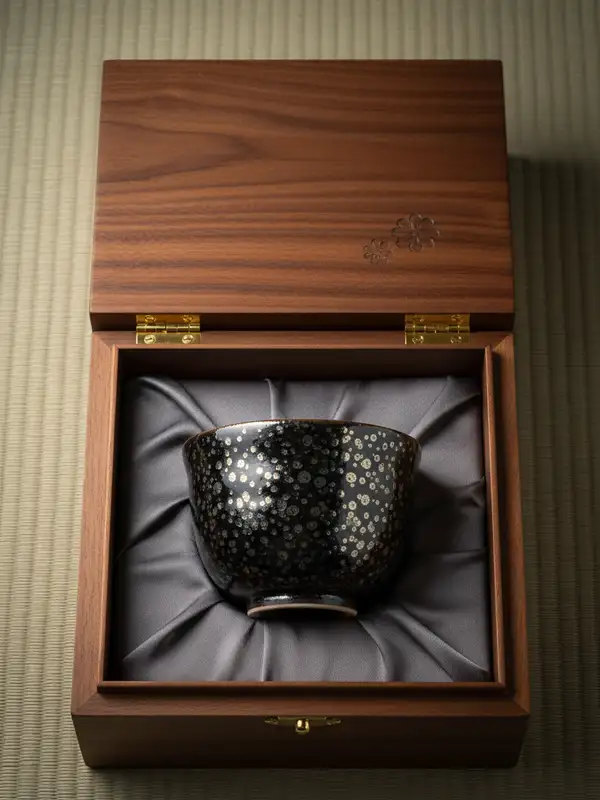
Not every tenmoku cup suits every tea drinker, and the key to a memorable gift is matching the cup’s personality to the recipient’s tea habits. Think about how they drink tea — are they just starting out and exploring different varieties, or do they already have a shelf of carefully curated teaware? Do they savor slow gongfu cha sessions on weekends, or do they grab a quick cup before heading to work? The right tenmoku cup should feel like a natural extension of their routine, not an awkward addition that sits unused. Find more at Zen Tea Cup.
In our experience curating tenmoku gifts for hundreds of tea lovers, we found that matching the cup to the drinker matters more than picking the most expensive piece. Here is a practical framework for matching tenmoku cups to different types of tea drinkers:.
| Recipient Type | Best Glaze Pattern | Recommended Size | Price Range |
|---|---|---|---|
| The Beginner | Oil Spot (Yōu Dī) | 4 oz (120 ml) | $40–$70 |
| The Collector | Hare’s Fur (Tù Háo) | 5 oz (150 ml) | $80–$150 |
| The Ritual Seeker | Yao Bian (曜変) | 4.5 oz (130 ml) | $90–$200 |
| The Casual Sipper | Partridge Spots (Zhè Yū) | 6 oz (180 ml) | $50–$90 |
For someone new to tenmoku, a classic oil spot pattern offers the most visual impact at an approachable price point. The shimmering metallic spots scattered across a deep dark glaze create that immediate “wow” moment when they unbox it — and that first impression matters enormously when it comes to gifts. If your recipient already appreciates fine teaware, our beginner-friendly guide recommends starting with a hare’s fur cup, whose fine linear streaks reward close inspection and deepen over time as the cup seasons with use. According to the Metropolitan Museum of Art’s Chinese ceramics research, Jian ware glaze patterns were so prized during the Song Dynasty that Emperor Huizong personally documented their qualities in his Daguan Cha Lun treatise on tea, calling hare’s fur cups superior to all others. For the ritual seeker who treats tea as a meditative practice, a Yao Bian cup with its iridescent color-shifting glaze provides an ever-changing visual experience that mirrors the mindfulness of each brewing session.
Tenmoku Gift Guide by Occasion
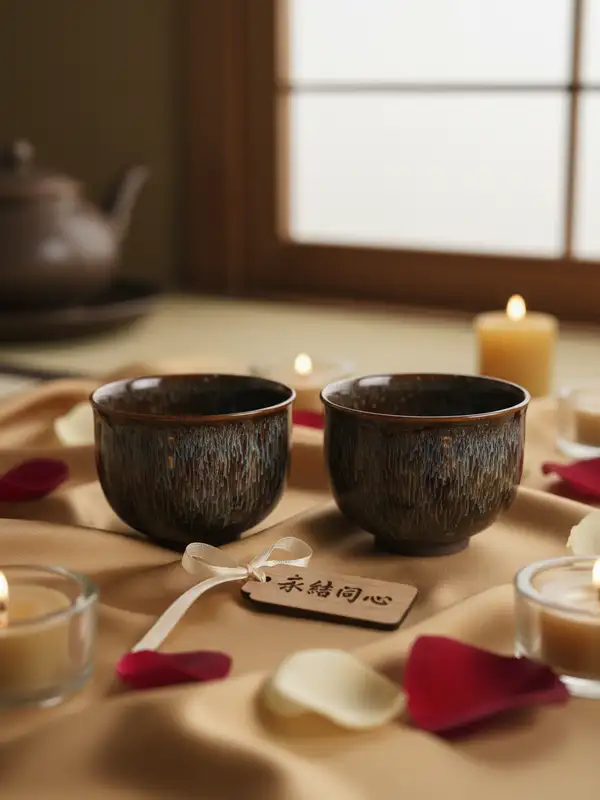
Different occasions call for different gifting approaches. A wedding gift should feel luxurious and lasting, while a thank-you gift should feel thoughtful without being overwhelming. A housewarming present might lean practical, whereas a birthday gift can be more personal and surprising. Here is a practical framework for matching tenmoku cups to specific gifting occasions, taking the guesswork out of your decision.
| Occasion | Best Pattern Match | Gift Suggestion | Budget |
|---|---|---|---|
| Birthday | Oil Spot or Starry Sky | Single cup in gift box | $50–$90 |
| Wedding | Matching pair (Hare’s Fur) | His-and-hers cup set | $120–$200 |
| Housewarming | Yao Bian or Partridge Spot | Cup + tea sampler | $70–$120 |
| Thank-You Gift | Classic Oil Spot | Single cup with card | $40–$70 |
| Holiday Season | Red Glaze variant | Gift set with presentation box | $80–$150 |
| Farewell / Going Away | Unique pattern cup | Individual cup with personal note | $60–$100 |
A solid understanding of tenmoku’s heritage helps you explain the gift’s significance when you hand it over. Include a small note about the cup’s pattern name and its origin — recipients consistently tell us that the story behind the cup makes the gift feel more personal and considered. The British Museum’s Department of Asia documents that tenmoku bowls were exchanged as diplomatic gifts between China and Japan as early as the 14th century, underscoring their centuries-long role as meaningful presents that communicate respect and appreciation. This historical precedent gives your gift an extra layer of significance that goes beyond the ordinary.
What to Look for in a Gift-Ready Tenmoku Cup
When buying a tenmoku cup as a gift, presentation and quality assurance matter as much as the cup itself. A well-prepared gift tells the recipient you thought about the entire experience — from the moment they untie the ribbon to their very first sip of tea. Skipping these details can turn an otherwise beautiful gift into something that feels incomplete or thoughtless. Find more at these bowls.
| Feature | Why It Matters for Gifting |
|---|---|
| Presentation box | Protects the cup in transit and doubles as a display case for storage |
| Artist certificate | Confirms authenticity and adds provenance value over time |
| Food-safe certification | Reassures the recipient the cup is safe for daily tea drinking |
| Care instruction card | Helps them maintain the cup’s beauty and develop its patina over years |
| Protective padding | Prevents damage during shipping and keeps the cup pristine until opened |
Size is another critical factor that many gift-givers overlook. A 4 oz (120 ml) cup suits gongfu-style brewing and fits comfortably in most hands, making it the safest all-around choice. A 6 oz (180 ml) cup works better for those who prefer larger servings or drink Western-style tea. Our Jian Zhan size guide breaks down every dimension so you can pick with confidence. Look for cups that come with a fitted wooden or silk-lined presentation box — this small detail transforms the unboxing from ordinary to memorable, and gives the recipient a proper home for the cup when it is not in use. The presentation box also makes the gift feel complete and intentional, rather than like an afterthought pulled from a shelf.
Tenmoku Gift Sets vs Individual Cups: Which to Choose
Both gift sets and individual cups have their place, and the right choice depends on the recipient and the message you want to send. There is no universally correct answer — but there is usually a clearly better option for each specific situation. Find more at these pieces.
| Factor | Gift Set (2–4 cups) | Individual Cup |
|---|---|---|
| Best for | Couples, families, tea party hosts | Individuals, collectors, thank-yous |
| Price range | $100–$300 | $40–$200 |
| Visual impact | High — coordinated patterns create unity | High — single statement piece draws focus |
| Flexibility | Lower — fixed combinations | Higher — hand-picked for the individual |
| Unboxing experience | Impressive — layered reveal of multiple pieces | Intimate — focused attention on one exquisite piece |
A gift set works beautifully for couples celebrating an anniversary or a family that shares tea time together. Coordinated patterns — such as matching oil spot cups with slightly different metallic reflections — create a sense of unity while honoring each cup’s individuality, since no two tenmoku cups are truly identical even when crafted in the same firing. On the other hand, a single carefully chosen cup says “I picked this specifically for you,” which can feel more personal and deliberate. For those who want to explore the differences in depth, our comparison guide covers every angle from price to practicality. The Freer Gallery of Art at the Smithsonian Institution has documented how individual tenmoku bowls were often more valued than sets in historical Japanese tea ceremonies, as the singular focus on one piece deepens the aesthetic experience and encourages mindful appreciation.
How to Present and Care for a Tenmoku Gift
Presentation transforms a good gift into a great one, and with tenmoku cups, the unboxing experience is part of the gift itself. Here are practical tips to make your tenmoku gift truly unforgettable from the moment it is received. Find more at these cups.
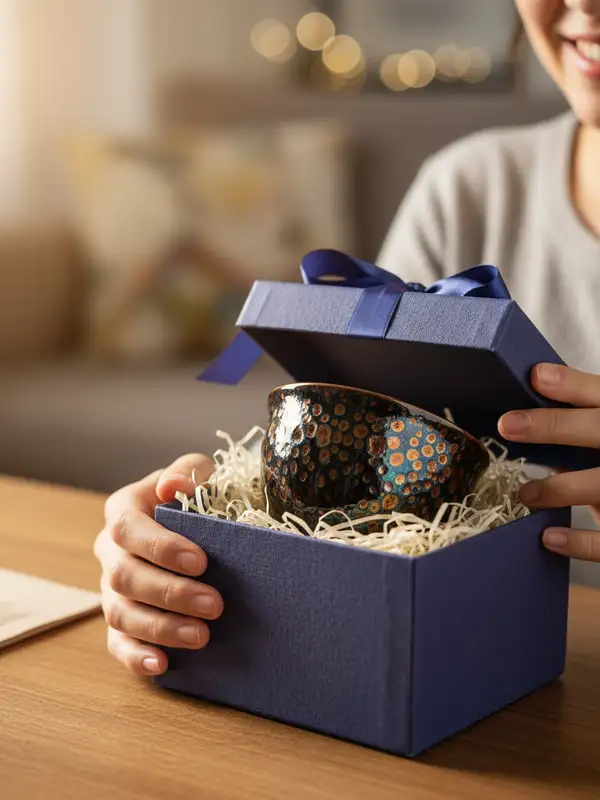
Unboxing Tips: Wrap the presentation box in washi paper or place it inside a fabric gift bag for an extra layer of anticipation. Include a handwritten card that mentions the cup’s glaze pattern name and its historical origin — even a single sentence like “This oil spot tenmoku cup was crafted using techniques from Song Dynasty China, over 900 years ago” adds meaningful context that transforms the cup from a beautiful object into a story worth sharing. If the cup does not come with care instructions, print a small card with these essentials: rinse with warm water only, avoid all soap and detergents, dry with a soft cloth, and never place in the dishwasher or microwave.
Care After Gifting: Tenmoku cups actually improve with regular use. The iron-rich glaze interacts with tea tannins over time, gradually deepening the cup’s color and developing a soft patina that tea enthusiasts call “raising” the cup. This aging process is one of tenmoku’s most endearing qualities — the cup becomes more beautiful the more it is used, creating a living record of every tea session. Encourage the recipient to use the cup daily rather than saving it for special occasions; a tenmoku cup that is used regularly will develop a richer patina than one that sits on a shelf. Our detailed Jian Zhan care guide covers everything from daily cleaning to long-term seasoning, so the gift continues to give for years and even decades. A well-maintained tenmoku cup can last a lifetime — and many collectors consider their oldest, most patinaed cups to be their most valuable possessions.
Ready to find the perfect tenmoku gift? Browse our full collection at these cups — every piece comes with a presentation box, artist certificate, and care guide included, so your gift arrives ready to impress.
❓ What is the best tenmoku cup for a first-time tea gift?
An oil spot tenmoku cup in the 4 oz (120 ml) size is the best choice for a first-time gift. The metallic oil spot pattern creates an immediate visual impact when unboxed, and the smaller size works well for both gongfu-style brewing and casual sipping. Look for one that comes in a presentation box with a care card — this complete package makes the gift feel intentional and thoughtful, rather than like an impulse purchase.
❓ How much should I spend on a tenmoku tea cup gift?
Quality tenmoku gift cups range from $40 to $200. For a meaningful but approachable gift, budget $50–$90 for a single cup with a presentation box. For special occasions like weddings or milestone birthdays, consider a matching pair in the $120–$200 range. The price reflects the handcrafting process — each cup is individually thrown on a wheel, hand-glazed, and fired at over 2,300 °F (≈1,260 °C) in a process that can take several days from start to finish.
❓ Are tenmoku tea cups food safe for daily use?
Yes, authentic tenmoku cups made from natural iron-rich clay and mineral-based glazes are food safe for daily use. The glazes are fired at temperatures that vitrify the ceramic surface, making them inert and non-toxic. Always verify that the cup comes with food-safe certification from the maker. For more details, see our guide on tenmoku glaze food safety.
❓ How do I care for a tenmoku tea cup I received as a gift?
Rinse with warm water after each use and avoid soap or detergents, which can strip the developing patina. Dry with a soft cloth and never put a tenmoku cup in the dishwasher or microwave. Over time, regular tea use will deepen the glaze’s color and develop a beautiful patina — this is a desirable feature, not a flaw. Store in a dry place, ideally in its original presentation box when not in use.
📚 References
- Jian Ware in the Metropolitan Museum of Art: The Met’s collection documents the evolution of Jian ware glazes from the Song Dynasty, including oil spot and hare’s fur patterns prized by imperial courts. Emperor Huizong’s Daguan Cha Lun treatise specifically praised hare’s fur cups as superior. The Metropolitan Museum of Art
- Song Dynasty Ceramics at the British Museum: Research on tenmoku bowls as diplomatic gifts exchanged between China and Japan in the 14th century, demonstrating their long history as meaningful presents that communicated respect and cultural appreciation. The British Museum
- Freer Gallery of Art — Chinese Ceramics Research: The Smithsonian’s Freer Gallery documents the aesthetic philosophy behind individual tenmoku bowls in Japanese tea ceremony traditions, where the singular focus on one piece deepens mindful appreciation. Smithsonian Institution
Whether you are shopping for a birthday, wedding, or simply want to surprise a tea lover in your life, explore our tenmoku tea cup collection at these cups and find a gift they will treasure for years.


