


Contents
- Is Tenmoku Glaze Food Safe? Everything You Need to Know
- What Makes Tenmoku Glaze Safe
- High-Temperature Vitrification
- Iron Oxide: A Natural, Safe Mineral
- When Tenmoku Might NOT Be Safe
- How to Verify Your Tenmoku Is Food Safe
- Regulatory Standards for Ceramic Food Safety
- Key Stats: Tenmoku Glaze Safety
- ❓ FAQ: Tenmoku Glaze Safety
- ❓ Does tenmoku glaze contain lead?
- ❓ Can I use tenmoku cups every day?
- ❓ Is it safe to drink acidic beverages from tenmoku?
- Tea Acidity and Tenmoku: What Actually Happens
Is Tenmoku Glaze Food Safe? Everything You Need to Know
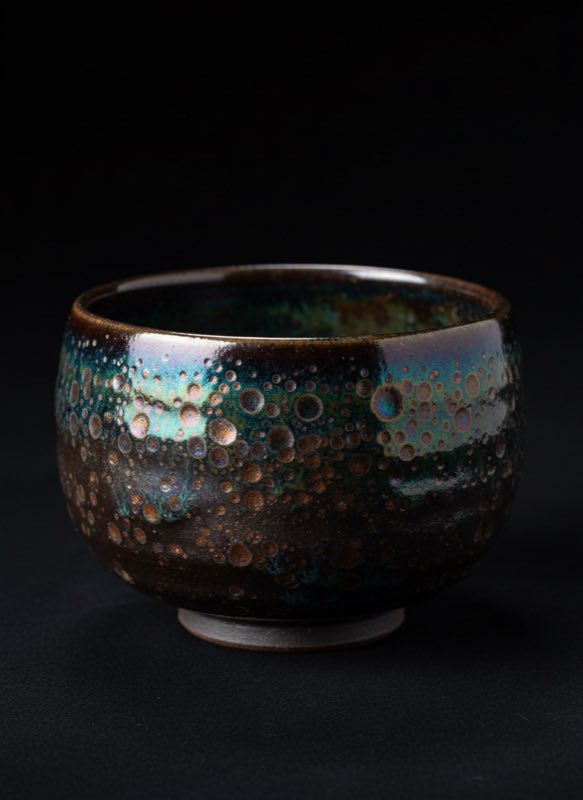
Yes, authentic tenmoku glaze is food safe. If you are concerned about drinking from a dark, metallic-looking tea cup, you can rest assured that traditional tenmoku glaze has been used safely for tea drinking for over a thousand years. The key is understanding what makes tenmoku safe and how to avoid potentially unsafe imitations. At Zen Tea Cup, we want you to enjoy your tea with complete confidence, so let us examine the science and safety standards behind tenmoku glaze.
Tenmoku glaze is fired at temperatures between 2280°F and 2370°F (1250°C and 1300°C), which vitrifies the glaze into a chemically stable, non-porous surface. At these temperatures, any volatile compounds burn off and the remaining minerals fuse into an inert glass-like coating. This is the same principle that makes all high-fired ceramics safe for food contact. You can learn about the full firing process in the tenmoku teaware beginner guide.
What Makes Tenmoku Glaze Safe
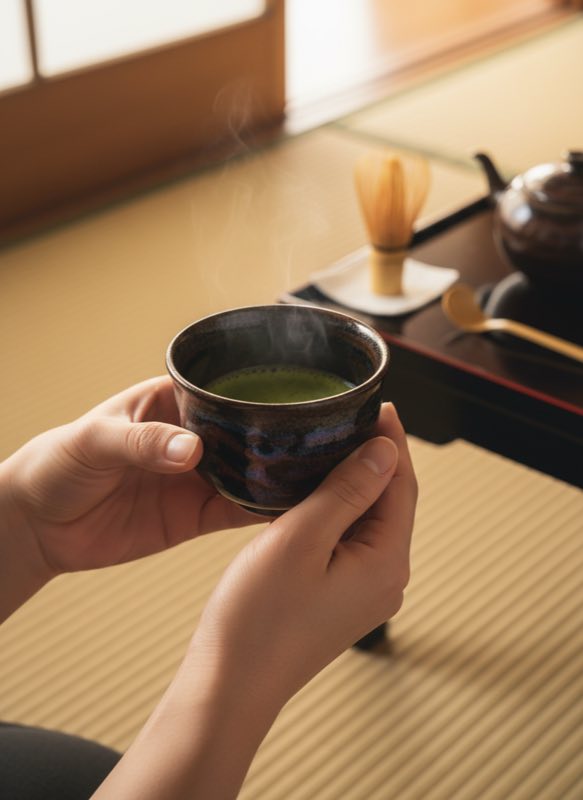
The safety of tenmoku glaze comes from three factors: high firing temperature, simple mineral composition, and the vitrification process.
High-Temperature Vitrification
When clay and glaze are fired above 2280°F (1250°C), they undergo vitrification — the transformation from a porous, crystalline material into a dense, glass-like substance. This high-temperature process creates a completely non-porous, chemically stable surface that cannot leach chemicals into your tea. The ScienceDirect ceramic research confirms that vitrified glazes fired above 1200°C are chemically inert and safe for food contact.
Authentic tenmoku is fired at approximately 1300°C (2372°F), well above the vitrification threshold. This means the iron oxide, silica, and other minerals in the glaze are permanently locked into a stable glass matrix that does not dissolve or react with tea liquids.
Iron Oxide: A Natural, Safe Mineral
The primary colorant in tenmoku glaze is iron oxide (Fe₂O₃ and FeO), which is one of the most common minerals on Earth. Iron oxide is used in food coloring, cosmetics, and pharmaceuticals. It is completely non-toxic. The iron in your tenmoku glaze is the same type of iron that is naturally found in spinach, lentils, and red meat — your body processes it without any harm.
You may have heard concerns about iron leaching from ceramic glazes. While this can occur with low-fired, improperly formulated glazes, the risk is negligible with high-fired tenmoku. Studies have shown that iron release from vitrified stoneware is well below the levels that could affect health, even with prolonged contact with acidic beverages.
When Tenmoku Might NOT Be Safe
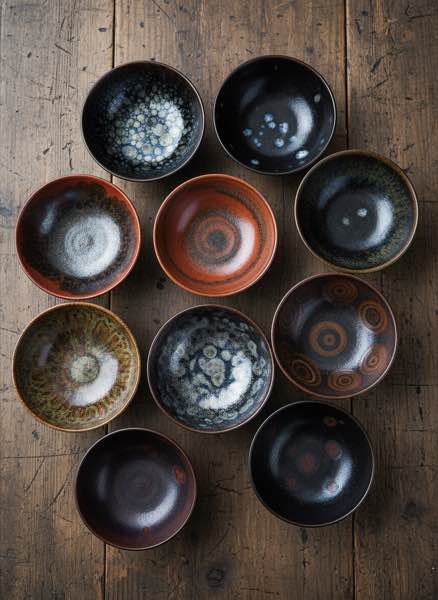
While authentic, high-fired tenmoku is safe, there are situations where you should exercise caution:
Low-fired imitations — Mass-produced bowls fired below 2100°F (1150°C) may not be fully vitrified, which means the glaze could potentially leach chemicals into your beverage over time, especially with repeated use and acidic liquids. These are often sold as “tenmoku-style” decorative pieces. If a bowl feels unusually light or the glaze looks flat rather than crystalline, it may not be properly fired.
Decorative overglaze — Some bowls have additional colored decorations applied on top of the base glaze at lower temperatures. Red, green, or gold overglaze enamels may contain lead or cadmium. If your tenmoku bowl has colorful painted designs on the interior surface where tea contacts, you should verify its safety before use. The handmade tenmoku identification guide helps you distinguish authentic pieces from decorated imitations.
Cracked or damaged glaze — If the glaze has visible cracks (crazing) or chips, the underlying clay may be exposed. While the clay itself is usually safe, cracks can harbor bacteria and make proper cleaning difficult. You should avoid using bowls with interior glaze damage for drinking, though they can still serve as beautiful decorative objects.
How to Verify Your Tenmoku Is Food Safe
You can take these practical steps to verify the safety of your tenmoku cup:
Check the foot ring. Authentic tenmoku has an unglazed foot ring showing dark, iron-rich clay. Light-colored clay suggests non-traditional materials that may not have been properly formulated for food safety.
Test the glaze texture. Run your fingernail across the glaze surface. If it feels perfectly smooth and looks uniform, it may be a low-fired decorative piece. Authentic tenmoku has subtle texture variations from the crystallization process.
Ask for documentation. Reputable sellers should be able to provide information about firing temperature, clay composition, and any safety testing. The handmade tenmoku pieces from established studios typically include safety certifications.
Vinegar test. If you are unsure about a bowl, fill it with white vinegar and leave it for 24 hours. If the vinegar changes color or the glaze surface appears etched, the bowl is not food safe. This is a simple home test recommended by the FDA for ceramic foodware testing.
Regulatory Standards for Ceramic Food Safety
In the United States, the FDA regulates ceramic foodware under 21 CFR 109. The standard limits lead release to 0.5 mcg/ml and cadmium release to 0.25 mcg/ml for cups and mugs. Authentic high-fired tenmoku glaze, which contains neither lead nor cadmium, easily meets these standards.
In the European Union, the EU Ceramic Directive 84/500/EEC sets similar limits. Quality tenmoku producers test their products against both US and EU standards before selling them for food use. When you purchase from a reputable dealer, you can request these test results for your specific piece.
Key Stats: Tenmoku Glaze Safety
| Parameter | Value |
|———–|——-|
| Firing Temperature | 2280-2370°F (1250-1300°C) |
| Vitrification Threshold | 2100°F (1150°C) |
| Primary Colorant | Iron Oxide (Fe₂O₃/FeO) |
| Iron Oxide Content in Glaze | 5-8% |
| FDA Lead Limit | 0.5 mcg/ml |
| FDA Cadmium Limit | 0.25 mcg/ml |
❓ FAQ: Tenmoku Glaze Safety
❓ Does tenmoku glaze contain lead?
Authentic tenmoku glaze does not contain lead. Traditional tenmoku formulas use only iron oxide, silica, alumina, and natural flux minerals (wood ash or feldspar). Lead was never part of the traditional tenmoku glaze formulation. However, cheap imitations with low-temperature colored decorations may contain lead or other heavy metals in their low-temperature overglaze enamels, which is why you should always verify the firing method and safety documentation before using decorated ceramic pieces for food or beverage service.
❓ Can I use tenmoku cups every day?
Yes, absolutely. Authentic high-fired tenmoku is designed for daily tea drinking and is completely safe for regular use. In fact, daily use helps develop the glaze patina that many collectors prize. The new tenmoku owner guide provides care tips for daily use.
❓ Is it safe to drink acidic beverages from tenmoku?
Yes. Fully vitrified tenmoku glaze is chemically inert and does not react with acidic beverages. Tea itself is mildly acidic (pH 4.5-6.0), and tenmoku has been used for tea for centuries without any safety issues whatsoever. The long history of tenmoku use spanning over a millennium provides compelling real-world evidence of its safety. Even more acidic beverages like lemon water will not cause problematic leaching from properly fired tenmoku.
📚 References
– U.S. FDA. “Lead in Ceramic Foodware.” fda.gov
– ScienceDirect. “Ceramic Glaze Vitrification and Chemical Stability.” sciencedirect.com
– European Commission. “Ceramic Products Directive 84/500/EEC.” ec.europa.eu
Whether you are new to is tenmoku glaze food safe? everything you need to know or looking to deepen your understanding, the key is to start with quality materials and consistent practice. Small adjustments in your approach can make a noticeable difference in your overall experience and enjoyment.
Tea Acidity and Tenmoku: What Actually Happens
Understanding the interaction between tea and tenmoku glaze requires looking at the chemistry of what happens in your cup. Tea is a mildly acidic beverage with a pH typically between 4.5 and 6.0, depending on the type and brewing conditions. Green tea tends toward the higher end (pH 5.5-6.0), while black tea and aged pu-erh are slightly more acidic (pH 4.5-5.5).
When you pour tea into a fully vitrified tenmoku cup, the glaze surface is chemically inert — it does not dissolve or react with the tea at any measurable rate. The iron oxide in the glaze is locked into a glass matrix that is stable at these pH levels. You would need to expose the glaze to strong acids (pH below 2) for extended periods before any significant dissolution would occur, and tea is nowhere near that acidic. For context, even lemon juice (pH 2.0) would take hours of direct contact to produce measurable leaching from a properly vitrified glaze.
What does happen is a subtle surface interaction. The micro-texture of the crystallized glaze creates tiny nucleation points that can affect how tea compounds settle and release. This is why many tea drinkers report that oolong and pu-erh taste smoother in tenmoku — it is not a chemical reaction but a physical effect of the textured surface on how the tea liquid behaves. The tenmoku-pu-erh pairing benefits from this surface interaction in ways that make a real difference in your daily tea experience.
Brew with confidence — explore Zen Tea Cup’s food-safe tenmoku collection with full safety documentation included.


