

Contents
- What Makes a Great Beginner Tenmoku Cup?
- 5 Things to Look for in Your First Tenmoku Cup
- 1. Authentic Clay and Glaze
- 2. Food-Safe Certification
- 3. Glaze Pattern You Enjoy
- 4. Appropriate Size
- 5. Firing Type Within Your Budget
- Our Top Picks for Beginners
- Best Overall: Oil Spot Tenmoku Cup (Medium, 80–120ml)
- Best Budget: Hare’s Fur Entry Cup (Small, 50–80ml)
- Best Upgrade: Wood-Fired Oil Spot (Medium, 80–120ml)
- Best for Daily Tea Drinkers: Large Yao Bian Cup (150–200ml)
- Common Beginner Mistakes to Avoid
- ❓ Frequently Asked Questions
- ❓ What is the best first tenmoku cup for a beginner?
- ❓ How much should I spend on my first tenmoku cup?
- ❓ Do I need to season a new tenmoku cup before using it?
- Common Beginner Mistakes to Avoid
- 📚 References
What Makes a Great Beginner Tenmoku Cup?
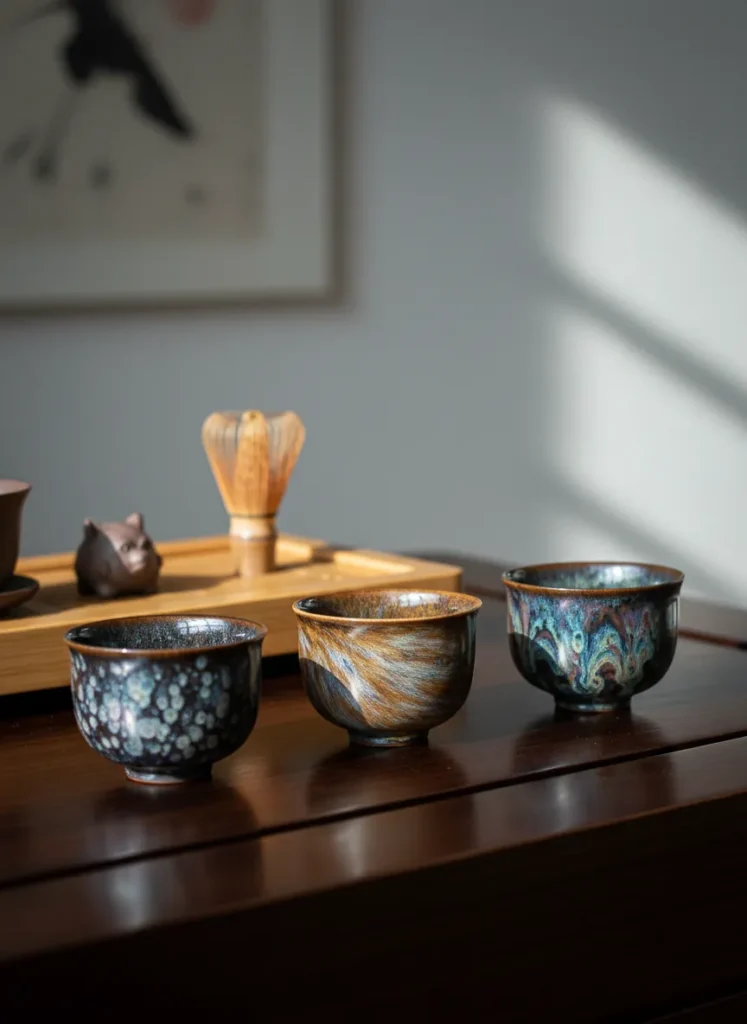
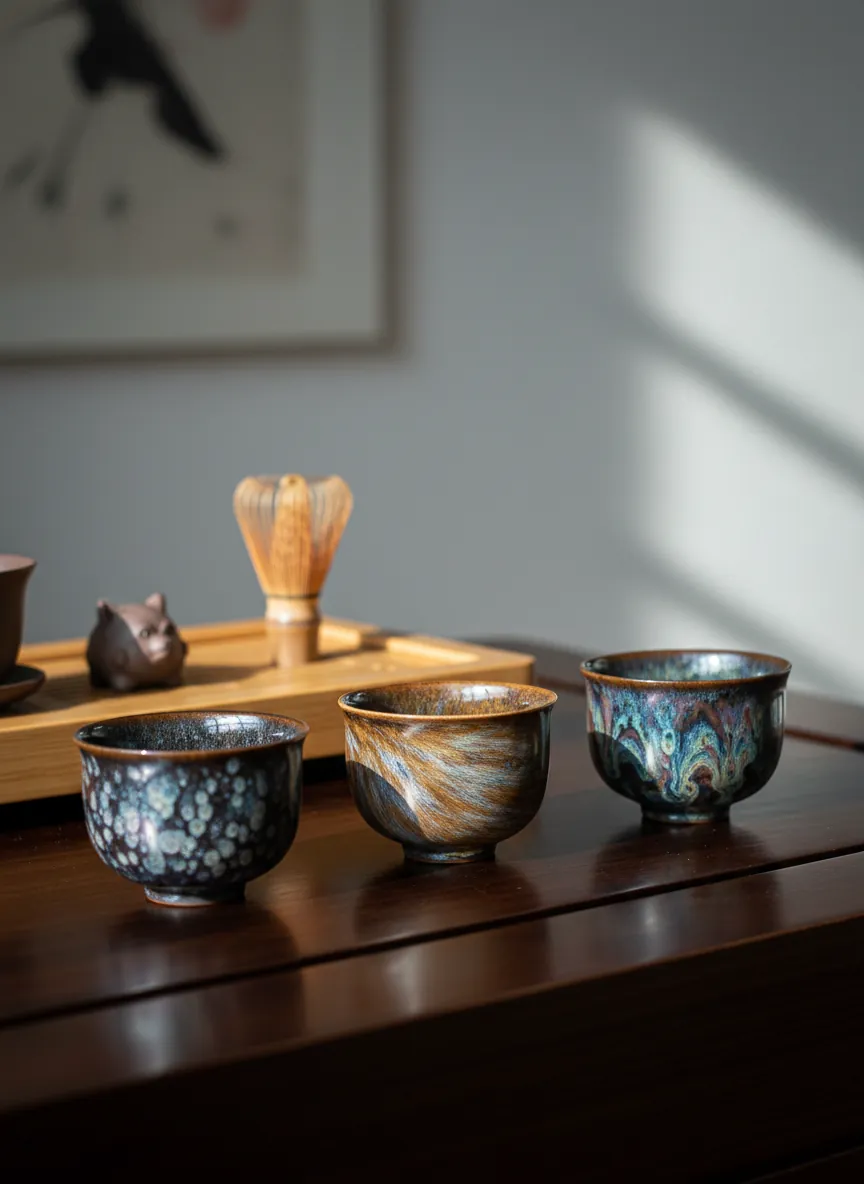
The best Tenmoku tea cup for a beginner balances three things: an accessible price point ($30–$60), a reliable glaze pattern that shows well in daily use, and food-safe certification from a reputable source. You do not need the most expensive cup to enjoy the Tenmoku experience — in fact, starting with a well-made electric-fired cup lets you learn what you like before investing in pricier wood-fired pieces.
At Zen Tea Cup, we have guided hundreds of first-time buyers through this decision. This guide shares exactly what to look for, which cups we recommend at each budget level, and how to avoid the common mistakes that trip up newcomers.
5 Things to Look for in Your First Tenmoku Cup
Before browsing any shop, understand these five criteria. They will help you evaluate any cup you encounter — not just the ones we recommend below.
1. Authentic Clay and Glaze
The cup must be made from iron-rich clay sourced from Jianyang, Fujian Province — the birthplace of Jian Zhan. This clay (containing 8–12% iron oxide) is what creates the crystalline glaze patterns during high-temperature firing. Cups made from ordinary clay with surface-applied “patterns” are not authentic Tenmoku and will not develop the same visual depth or heat retention. For a deeper understanding, see our complete beginner’s guide to Tenmoku and Jian Zhan.
2. Food-Safe Certification
This is non-negotiable. Authentic Tenmoku cups fired at 1300°C+ are food-safe because the glaze vitrifies at that temperature, sealing any heavy metals within the glass matrix. However, cheap imitations with painted-on patterns may leach toxins. Always buy from sellers who provide food safety test reports. Our Tenmoku food safety guide explains exactly what to verify.
3. Glaze Pattern You Enjoy
There are four main Tenmoku glaze patterns: oil spot (golden circular droplets), hare’s fur (fine radiating streaks), partridge spot (mottled silver-gray), and yao bian (iridescent color shifts). For beginners, oil spot is the most visually striking and easiest to appreciate — the golden spots against black glaze are immediately captivating. Hare’s fur is the second most popular choice. See our glaze patterns guide for detailed photos and descriptions of each type.
4. Appropriate Size
Tenmoku cups come in several sizes, and choosing the right one matters for your tea ritual:
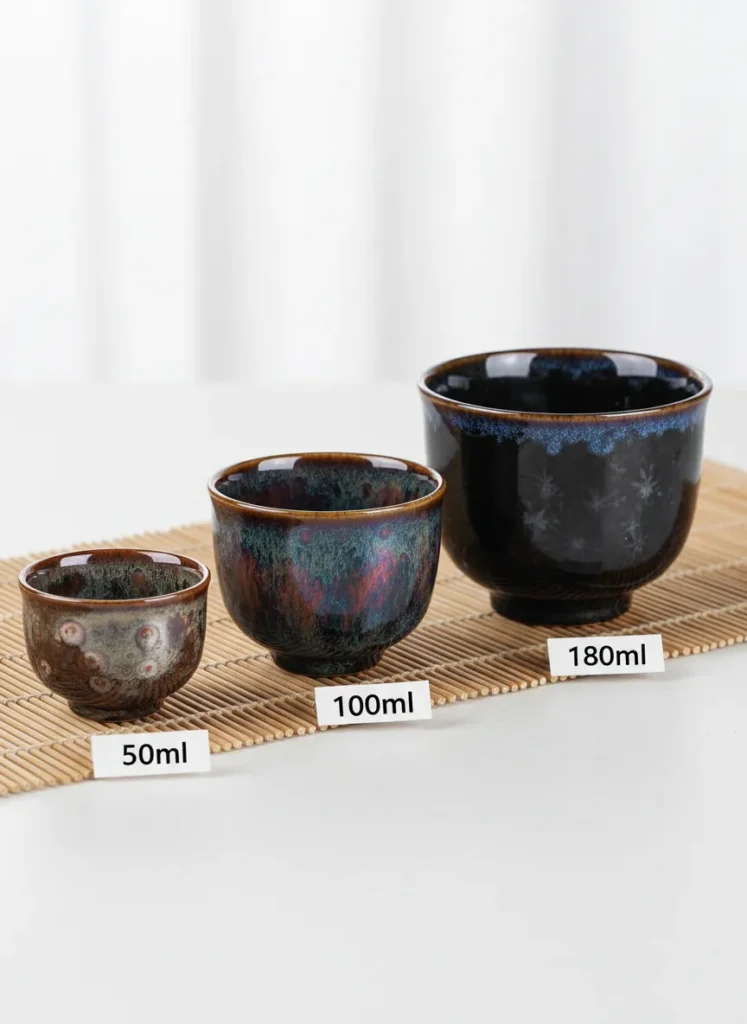
- Small (40–80ml): Traditional gongfu tea size. Best for Chinese-style brewing with short steep times. This is the most authentic Tenmoku experience.
- Medium (80–150ml): Versatile — works for both gongfu and Western-style brewing. The best “all-rounder” for beginners still exploring their preferences.
- Large (150–250ml): Closer to a standard Western teacup. Good if you prefer longer steep times or drink alone without a sharing pitcher.
For most beginners, we recommend starting with a medium cup (80–120ml) — it gives you flexibility to try different brewing styles.
5. Firing Type Within Your Budget
Wood-fired cups are more collectible and have more organic patterns, but they cost $80–$500+ and have a lower success rate during production. Electric-fired cups offer consistent quality at $30–$120 and are perfectly authentic — they use the same clay and glaze, just with modern temperature control. For your first cup, electric-fired is the practical choice. Our wood-fired vs electric-fired comparison breaks down every difference in detail.
Our Top Picks for Beginners
Based on these criteria, here are our recommendations organized by budget and experience level.
Best Overall: Oil Spot Tenmoku Cup (Medium, 80–120ml)
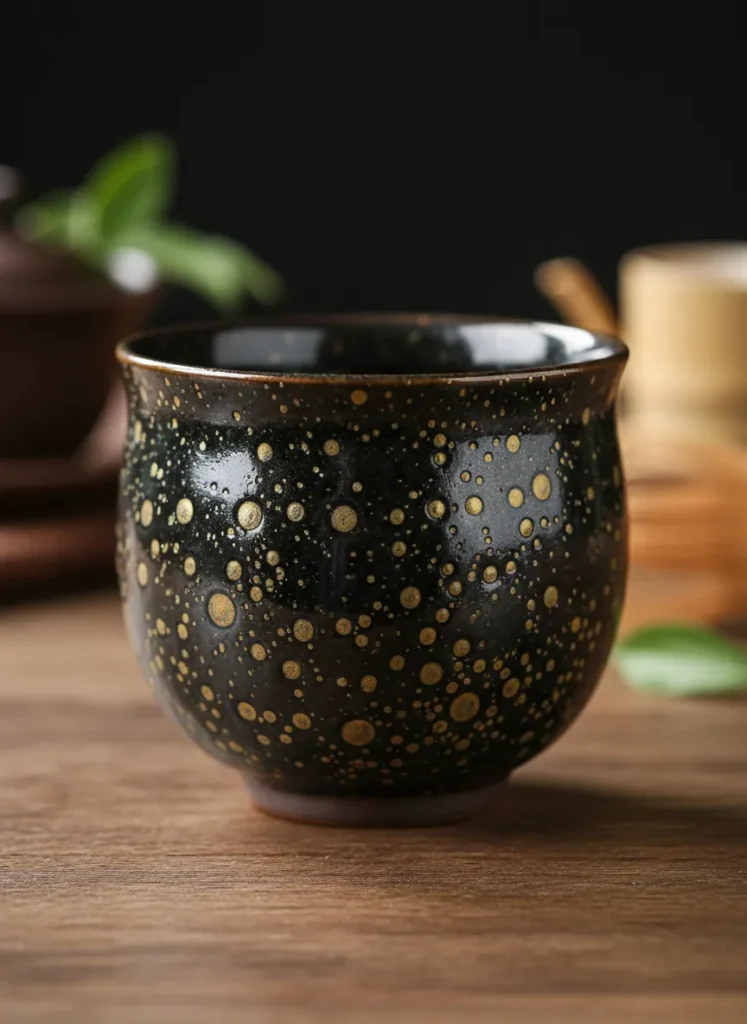
This is the cup we recommend most often to first-time buyers. The oil spot pattern is the most universally appealing — golden metallic droplets scattered across a deep black glaze that catch light beautifully. At the medium size, it works for both gongfu and casual brewing. Electric-fired versions in this category are widely available at $30–$60, making them an easy entry point. Browse our oil spot collection.
Best Budget: Hare’s Fur Entry Cup (Small, 50–80ml)
If you want to spend the minimum while still getting an authentic experience, a small hare’s fur cup in the $25–$40 range is your answer. The fine golden streaks radiating from the rim are the most historically celebrated pattern — Emperor Huizong of the Song Dynasty favored hare’s fur above all others. The small size keeps the price down while delivering the full Tenmoku aesthetic.
Best Upgrade: Wood-Fired Oil Spot (Medium, 80–120ml)
Once you have used a Tenmoku cup for a few weeks and know you love the experience, consider upgrading to a wood-fired piece ($80–$200). The organic variation in glaze patterns — caused by natural ash interaction and fluctuating reduction atmosphere in the dragon kiln — creates a depth and subtlety that electric-fired cups cannot match. Each wood-fired cup is genuinely one of a kind.
Best for Daily Tea Drinkers: Large Yao Bian Cup (150–200ml)
If you drink tea throughout the day and prefer a larger cup, a yao bian (iridescent) pattern in the 150–200ml range is ideal. The color-shifting glaze — which shows different hues depending on the viewing angle — makes every sip a visual experience. These are less common and slightly harder to find, but they are worth seeking out if you use your cup daily.
Common Beginner Mistakes to Avoid
After helping many new Tenmoku owners, these are the pitfalls we see most often:
- Buying the cheapest cup on Amazon or AliExpress: Many of these are factory copies with painted-on patterns, not authentic crystalline glazes. The patterns will fade or wear off, and they may not be food-safe. Always buy from a specialist seller who can verify authenticity and provide test reports.
- Choosing a cup that is too small: A 30ml cup looks beautiful in photos, but it is frustrating for beginners who have not yet mastered gongfu brewing technique. Start with 80–120ml and downsize later if you want a more traditional experience.
- Obsessing over “perfect” patterns: Part of Tenmoku’s beauty is its natural variation. Do not reject a cup because the oil spots are not perfectly round or the hare’s fur streaks are not perfectly straight — those imperfections are signs of authenticity.
- Skipping the curing step: Before first use, rinse your new Tenmoku cup with boiling water 2–3 times. This removes any residual kiln dust and helps the glaze surface “open up.” Some enthusiasts also soak the cup in warm tea for 30 minutes to season it.
For more on identifying authentic cups versus fakes, our article on handmade vs machine-made Jian Zhan provides detailed comparison photos.

❓ Frequently Asked Questions
How much should I spend on my first Tenmoku cup?
Plan to spend $30–$60 on your first cup. This range gives you an authentic, food-safe, electric-fired piece with a genuine crystalline glaze pattern. Spending less risks getting a fake; spending more before you know your preferences risks buying a cup that does not match your brewing style.
Which glaze pattern is best for beginners?
Oil spot is the most popular choice for beginners because the golden metallic droplets are immediately visually striking and easy to appreciate. Hare’s fur is the second choice — it has more historical significance but requires a closer look to fully enjoy.
Can I use a Tenmoku cup for coffee?
Yes, Tenmoku cups work well for coffee. Their thick ceramic walls retain heat effectively, and the dark glaze complements the amber color of brewed coffee. However, if you plan to switch between tea and coffee in the same cup, rinse thoroughly between uses to avoid flavor carryover.
Do I need a gaiwan if I have a Tenmoku cup?
For gongfu-style brewing, a gaiwan (lidded brewing vessel) is useful for steeping the tea before pouring into your Tenmoku cup. The cup itself is for drinking, not brewing. For Western-style brewing where you steep tea directly in the cup, a larger Tenmoku (150ml+) can work on its own.
❓ What is the best first tenmoku cup for a beginner?
Start with a hare’s fur (Tu Hao) pattern in Shu Kou (束口) shape, 3.0-3.5 inches (7.5-9 cm) rim diameter. Hare’s fur is the most common and affordable pattern, and the Shu Kou shape is the most versatile for different tea types. You can find quality beginner options in the tenmoku gift guide.
❓ How much should I spend on my first tenmoku cup?
A good entry-level handmade tenmoku cup costs $30-60 USD. This price range gets you authentic high-fired stoneware with genuine crystallized patterns. Avoid cups under $15 — they are likely mass-produced imitations. The handmade vs mass-produced comparison explains what you get for your money.
❓ Do I need to season a new tenmoku cup before using it?
Not strictly required, but recommended. Rinse your new cup with warm water, then brew several rounds of tea in it (oolong or pu-erh) and discard the tea. This initial seasoning helps the clay begin absorbing trace tea oils. The new tenmoku owner guide walks you through the full first-use ritual.
Common Beginner Mistakes to Avoid
When you are new to tenmoku, it is easy to make choices that cost you money or diminish your tea experience. Here are the most common mistakes and how you can avoid them:
Mistake 1: Buying based on photos alone. Tenmoku glaze is three-dimensional and light-dependent. A photo that looks stunning may look flat in person, and vice versa. You should always request video of the cup under different lighting conditions, or buy from a seller with a generous return policy.
Mistake 2: Choosing the largest cup available. Bigger is not better for tenmoku. A cup that is too large for your hand feels awkward and makes it difficult to appreciate the glaze patterns up close. The tenmoku size guide helps you match cup dimensions to your hand size.
Mistake 3: Using soap or detergent. Never use soap on tenmoku. It strips the developing patina and can leave residue in the clay’s microscopic pores. Warm water only — always.
Mistake 4: Expecting dramatic color changes immediately. Tenmoku patina develops over months and years of regular use, not days. Be patient and enjoy the process. The cup will reward your dedication with increasing depth and luster over time.
Want to experience the difference a tenmoku cup makes? Shop the Zen Tea Cup collection and find your perfect match.
Ready to elevate your tea ritual? Explore Zen Tea Cup for handcrafted tenmoku cups shipped across the US.
Discover your next favorite tea cup — visit the Zen Tea Cup store for curated tenmoku selections.
Ready to elevate your tea ritual? Explore these cups for handcrafted tenmoku cups shipped across the US.
📚 References
- Your First Tenmoku Cup: A Beginner’s Buying Guide: Comprehensive guide covering size selection, price ranges, and what to look for when purchasing your first Tenmoku. Tenmokus
- How to Choose the Perfect Tenmoku Tea Cup for Your Tea: Detailed advice on evaluating cup balance, glaze quality, and matching cups to tea types. Yohens
- Tenmoku & Jian Zhan Tea Cups: An Expert Guide: Historical context, manufacturing process, and practical guidance for tea enthusiasts. Teasenz
Discover your next favorite tea cup — visit the Zen Tea Cup store for curated tenmoku selections.


