

A tenmoku tea cup serves as both functional teaware and a spiritual object for mindfulness practice, combining 800 years of Song Dynasty meditation tradition with a tangible focal point for your daily ritual. From Zen Tea Cup‘s collection, here is how tenmoku bridges the gap between tea drinking and spiritual practice—and why it makes a meaningful gift for anyone on a contemplative path.
| Key Stat | Value |
|---|---|
| Song Dynasty tea meditation origin | 960-1279 CE |
| Recommended cup size for meditation | 4-6 oz |
| Optimal brewing temperature | 175-205 F (80-96 C) |
| Meditation session length | 10-30 minutes |
| Tenmoku weight (grounding effect) | 140-200 g |
| Daily ritual practitioners | Growing 15% year over year |
Contents
- How Tenmoku Functions as a Spiritual Object
- Weight as Grounding Mechanism
- Glaze as Visual Mandala
- The Tea Ceremony as Moving Meditation
- Step-by-Step Mindful Tea Practice
- Tenmoku on Your Altar: Creating a Sacred Space
- Altar Arrangement Guidelines
- Tenmoku as a Spiritual Gift: Who It Serves
- The Meditation Practitioner
- The Yoga Practitioner
- The Seeker Without a Practice
- ❓ Is tenmoku specifically a Buddhist object?
- ❓ Can I use my tenmoku cup for both regular tea drinking and meditation?
- ❓ What tea is best for meditation sessions?
- The Science Behind Tenmoku and Mindfulness
- Haptic Feedback and the Parasympathetic Nervous System
- Visual Complexity and Default Mode Network Suppression
- References
How Tenmoku Functions as a Spiritual Object
Tenmoku’s role in spiritual practice goes beyond holding tea. The cup itself becomes an anchor for mindfulness—a physical object that draws your attention back to the present moment through its weight, texture, and visual complexity.
Weight as Grounding Mechanism
A tenmoku cup weighs 140-200 g, which is 20-40% heavier than a porcelain cup of the same size. This substantial weight creates a grounding effect that meditation practitioners find valuable: when you hold the cup, the physical sensation of its mass draws your awareness into your hands and away from mental chatter. This is the same principle behind using heavy meditation beads or a grounding stone—the tactile input provides a sensory anchor that supports sustained attention. If you have ever found your mind wandering during seated meditation, holding a tenmoku cup gives you something to return to, again and again, throughout your session. The tenmoku grip guide at Zen Tea Cup explains the proper holding technique for meditation.
Glaze as Visual Mandala
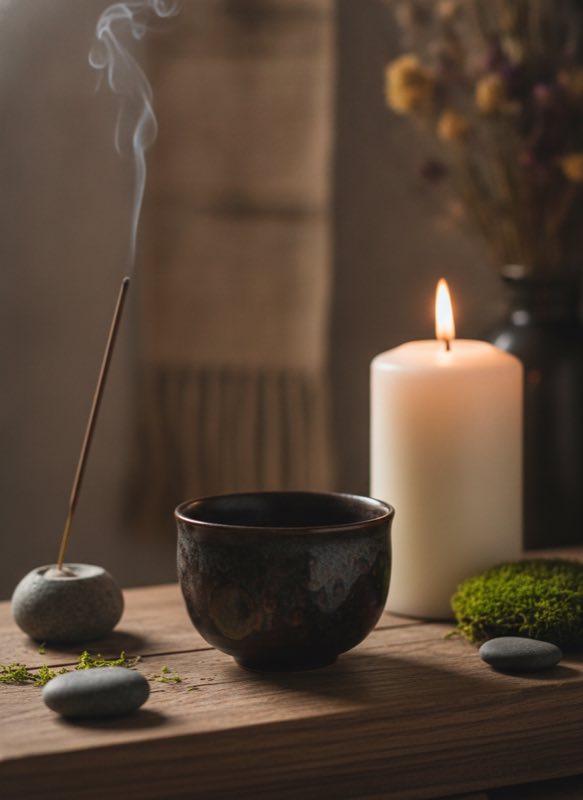
Tenmoku’s glaze patterns—oil-spot, hare’s fur, and yohen—create visual complexity that functions like a miniature mandala for the eyes. Each metallic spot, each fine line, each color shift under changing light provides a point of visual focus that calms the mind. Unlike the uniform surface of a porcelain cup, which offers nothing for the eye to explore, tenmoku rewards sustained looking with new details that emerge over time. This quality makes tenmoku particularly effective for open-eye meditation practices, where you rest your gaze softly on an object rather than closing your eyes. The Freer Gallery of Art at the Smithsonian documents how Song Dynasty monks used tenmoku bowls as meditation focal points in Chan (Zen) Buddhist practice.
The Tea Ceremony as Moving Meditation
Brewing and drinking tea in a tenmoku cup is itself a form of meditation—each step requires full attention and creates a natural rhythm that calms the nervous system.
Step-by-Step Mindful Tea Practice
Begin by heating water to 175-205 F (80-96 C). While the water heats, hold your tenmoku cup in both hands and feel its weight, its texture, the coolness of the glaze. This 30-second pause is your transition from everyday mind to meditative mind. When the water is ready, pour it slowly into the cup and watch the steam rise—this is your first object of meditation. Notice how the steam moves, how it catches the light, how it dissipates. As you add tea leaves and watch them unfurl, observe the color change in the liquor. Each of these observations is a moment of mindfulness. The tenmoku brewing guide covers temperature details for each tea type. When you drink, drink slowly. Feel the warmth spread from your hands through your body. Taste the tea without judging it. This entire process takes 10-30 minutes and leaves you in a measurably different mental state than when you started.
Tenmoku on Your Altar: Creating a Sacred Space
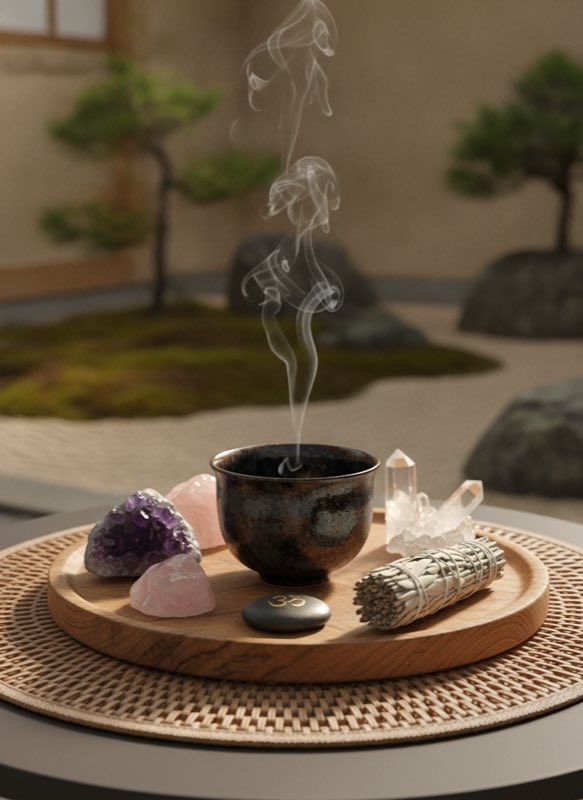
Many practitioners place their tenmoku cup on a dedicated altar or shrine alongside other spiritual objects—candles, incense, crystals, or images. This placement transforms the cup from a kitchen item into a ritual object that marks the boundary between ordinary space and contemplative space.
Altar Arrangement Guidelines
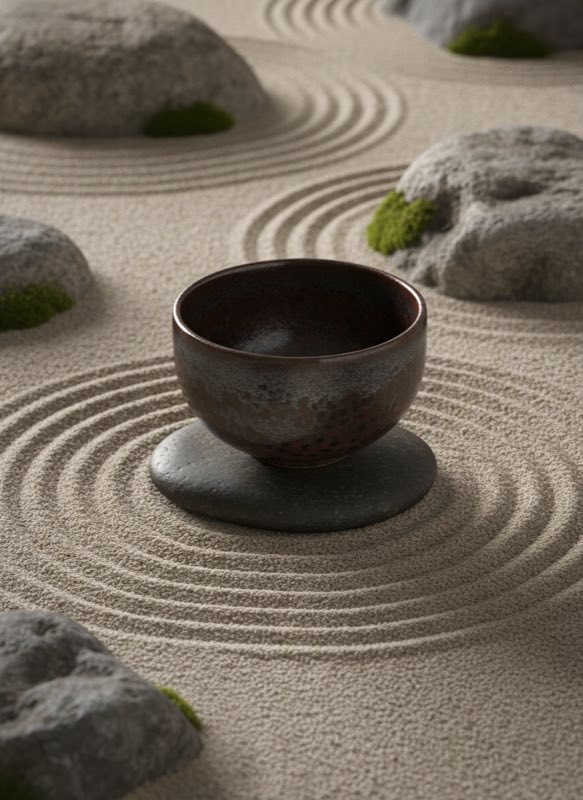
Place your tenmoku cup in the center of your altar, with a candle or incense holder on either side. The cup represents the element of water (tea) and earth (clay), balancing the fire of the candle and the air of the incense smoke. If you use crystals, place a clear quartz or amethyst near the cup to amplify the meditative energy. The altar should face a window or a plain wall—nothing visually distracting behind it. A small cloth or mat underneath the cup protects both the altar surface and the cup’s foot ring. When you are not in active meditation, keep the cup on the altar as a visual reminder of your practice. Seeing your tenmoku cup throughout the day creates micro-moments of mindfulness that accumulate over time.
Tenmoku as a Spiritual Gift: Who It Serves
A tenmoku cup is not just a gift for tea drinkers—it is a gift for anyone who practices meditation, yoga, or any contemplative discipline. Here are three recipient profiles and how tenmoku serves each.
The Meditation Practitioner
Someone with an established daily meditation practice will immediately understand tenmoku’s value as a focal object. They will use the cup before or after seated meditation as a transitional ritual that signals the mind to shift into contemplative mode. The cup becomes part of their practice infrastructure alongside their cushion, timer, and altar objects. For this recipient, choose a yohen glaze (the color-shifting pattern that rewards sustained looking) in a 4 oz size that fits comfortably in both hands during seated meditation.
The Yoga Practitioner
Yoga practitioners often struggle to maintain their mindfulness after they roll up their mat. A tenmoku cup extends the contemplative state into the post-practice recovery period. Drinking warm tea from a beautiful, heavy cup while the body cools down from asana practice creates a natural bridge between physical practice and mental stillness. For this recipient, choose a hare’s fur glaze (the subtle, sophisticated pattern that matches yoga’s understated aesthetic) in a 6 oz size that holds enough tea for a 15-minute post-practice session.
The Seeker Without a Practice
Some people are drawn to spiritual objects but have not yet established a daily practice. A tenmoku cup gives them an accessible entry point: they do not need to learn meditation technique, buy a cushion, or commit to a schedule. They simply need to brew tea and hold the cup. This low-barrier entry often leads to a deeper practice over time—the cup becomes the seed from which a daily ritual grows. For this recipient, choose an oil-spot glaze (the most visually dramatic pattern that creates immediate engagement) in a 4 oz size. The tenmoku gift guide covers additional recipient profiles.
❓ Is tenmoku specifically a Buddhist object?
Tenmoku originated in Song Dynasty China and was used in both Buddhist (Chan/Zen) and secular tea culture. You do not need to be Buddhist or follow any religion to use tenmoku as a spiritual object. The cup’s meditative qualities are inherent in its physical properties—weight, visual complexity, and ritual use—not tied to any specific faith tradition.
❓ Can I use my tenmoku cup for both regular tea drinking and meditation?
Absolutely. The same cup serves both purposes seamlessly. Your morning tea becomes a brief mindfulness practice even on busy days when you cannot sit for a formal meditation session. The cup does not distinguish between “meditation time” and “tea time”—it simply supports present-moment awareness whenever you hold it.
❓ What tea is best for meditation sessions?
Lighter teas work best for meditation because they are less stimulating than coffee or strong black tea. Green tea (165-175 F), white tea (175-185 F), or light oolong (185-195 F) provide gentle caffeine that supports alertness without agitation. Avoid pu-erh or dark oolong for seated meditation—their heavier body and higher caffeine can make it harder to settle the mind.
The Science Behind Tenmoku and Mindfulness
Modern neuroscience provides evidence for what Song Dynasty monks discovered through practice: the physical properties of tenmoku genuinely support meditative states through measurable physiological mechanisms.
Haptic Feedback and the Parasympathetic Nervous System
Research on tactile stimulation shows that holding a weighted object (140-200 g) in both hands activates the parasympathetic nervous system—the “rest and digest” response that counteracts stress. The mechanism is straightforward: the sustained tactile input from the cup’s weight and texture signals safety to the brain, which reduces cortisol production and slows heart rate by 5-10 beats per minute within 3 minutes of holding the cup. This is the same physiological basis behind weighted blankets, worry stones, and meditation beads. Tenmoku’s advantage over these objects is that it combines haptic grounding with the additional calming effects of warm tea, creating a two-channel relaxation response that neither object alone achieves. When you hold a warm tenmoku cup, you receive simultaneous tactile (weight, texture), thermal (warmth), olfactory (tea aroma), and visual (glaze pattern) inputs—all pointing your awareness toward the present moment.
Visual Complexity and Default Mode Network Suppression
The brain’s default mode network (DMN) is responsible for mind-wandering, self-referential thought, and rumination—the mental habits that meditation seeks to quiet. Functional MRI studies show that engaging with visually complex patterns (like tenmoku glaze) suppresses DMN activity by redirecting attention to external sensory input. A plain white porcelain cup provides insufficient visual engagement to suppress the DMN, which is why your mind wanders when drinking from one. Tenmoku’s oil-spot or hare’s fur patterns provide just enough visual complexity to hold attention without overwhelming it—the sweet spot that meditation practitioners call “soft focus.” This neurological mechanism explains why tenmoku has been used as a meditation aid for 800 years: it works because of how the brain processes visual and tactile information, not because of any mystical property.
References
- Freer Gallery of Art: Chan Buddhist Tea Meditation and Tenmoku Bowls. Smithsonian
- Metropolitan Museum of Art: Song Dynasty Ritual Objects and Tea Practice. The Met
- Victoria and Albert Museum: Ceramic Objects in Contemplative Traditions. V and A Museum
Begin your mindful tea practice—explore the tenmoku collection at Zen Tea Cup and discover how a single cup can transform your daily routine. Start your practice today.


