

Yes, you can use a tenmoku cup for green tea — but the thick walls and iron-rich clay mean delicate varieties like gyokuro may oversteep, while robust greens like hojicha and bancha pair beautifully with the cup’s heat retention. Understanding which green teas work with tenmoku helps you get the most from both your tea and your cup, whether you are a casual drinker or a seasoned collector exploring new pairings from Zen Tea Cup’s guide to the best teas for tenmoku.
| Key Stat | Value |
|---|---|
| Typical tenmoku wall thickness | 3–5 mm |
| Green tea ideal brewing temperature | 160–180°F (71–82°C) |
| Heat retention time in tenmoku | 15–20 minutes |
| Jian Zhan clay iron content | 7–8% |
| Sencha steeping time | 1–2 minutes |
| Typical tenmoku cup capacity | 80–120 ml |
| Jian Zhan firing temperature | 2,300°F (1,260°C) |
| Porcelain cup wall thickness | 1–2 mm |
Contents
- Can You Use Tenmoku for Green Tea?
- Why Heat Retention Matters for Green Tea
- Which Green Teas Work Best in Tenmoku
- Robust Green Teas That Thrive
- Delicate Green Teas: Proceed with Care
- Pros and Cons of Green Tea in Tenmoku
- How to Brew Green Tea in Tenmoku Correctly
- What Science Says About Iron Clay and Tea
- When to Choose a Different Cup
- ❓ Does tenmoku make green tea taste bitter?
- ❓ Can I brew matcha in a tenmoku cup?
- ❓ Is it safe to drink green tea from tenmoku every day?
- ❓ Why does my green tea look different in a tenmoku cup?
- 📚 References
Can You Use Tenmoku for Green Tea?
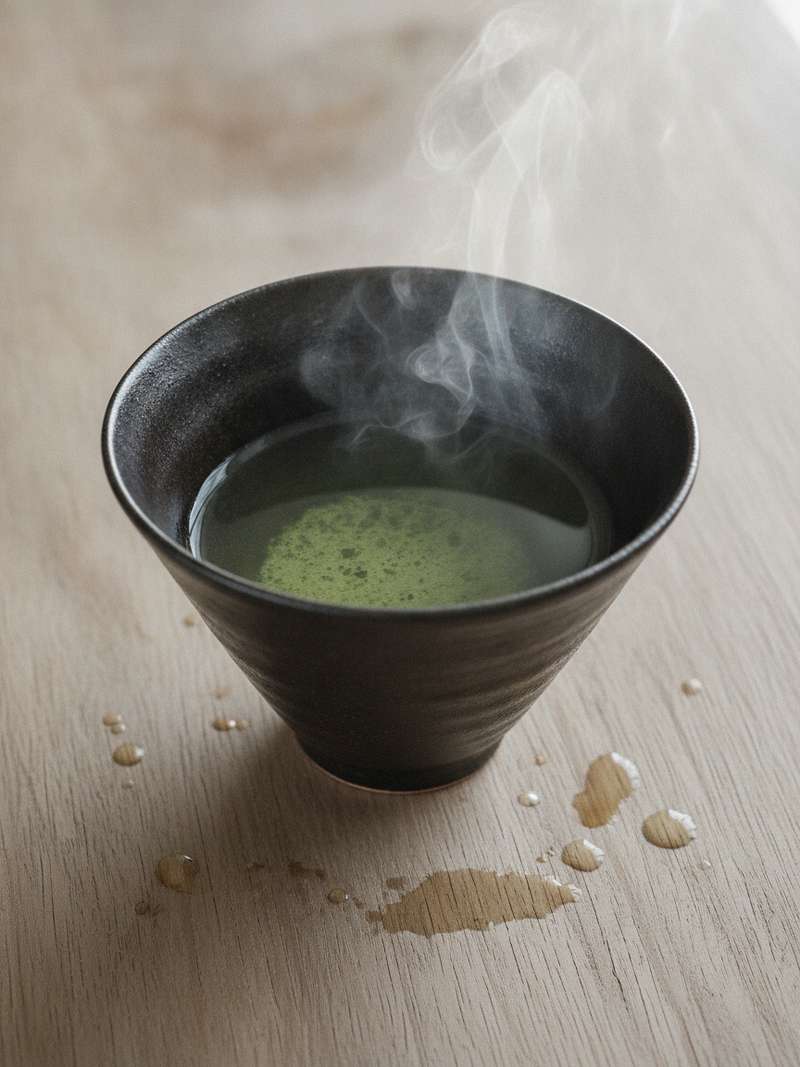
The short answer is yes — tenmoku cups are safe and functional for green tea. The real question is whether the cup enhances or diminishes your particular green tea experience. Tenmoku cups, originally fired in Jianyang during the Song Dynasty (960–1279 AD), were designed for whisked tea, not steeped green tea. Their thick walls (3–5 mm) and dense iron-rich clay retain heat far longer than porcelain or glass — up to 15–20 minutes compared to 5–8 minutes in a thin-walled cup.
This heat retention is a double-edged sword for green tea. Most green teas brew best between 160–180°F (71–82°C) and steep for just 1–2 minutes. When you pour 175°F sencha into a tenmoku cup, the thick walls absorb heat initially, then slowly release it back — keeping your tea warmer, longer. For someone who drinks slowly, this means your last sip stays warm. But it also means the tea continues extracting beyond the ideal steep window, which can push delicate flavors toward bitterness (a real concern if you treasure that first bright, grassy note).
Why Heat Retention Matters for Green Tea
Green tea is the most temperature-sensitive tea category. A 10°F difference in water temperature can shift the flavor from sweet and umami to astringent and flat. The iron content in tenmoku clay (7–8%) also interacts with tea compounds — softening water and rounding out harsh tannins, which can actually benefit certain green teas. The key is matching the right green tea to the cup’s thermal properties.
Which Green Teas Work Best in Tenmoku
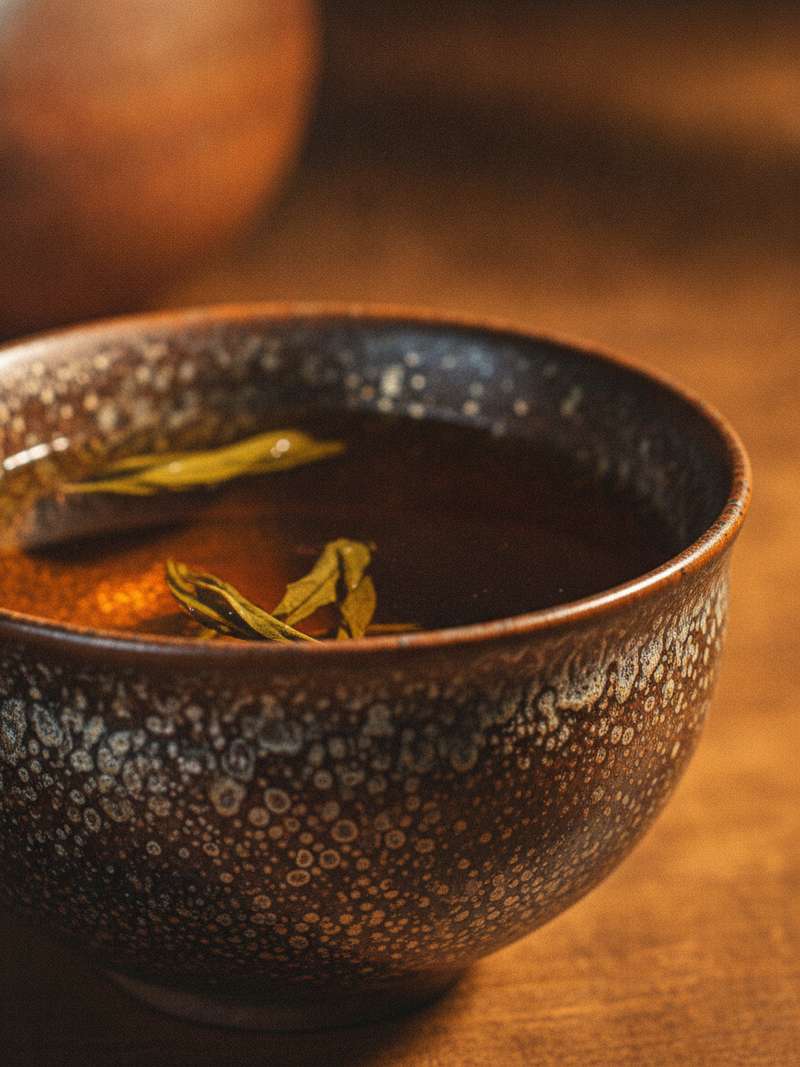
Not all green teas respond the same way to tenmoku’s thick walls. Here is how the main categories perform:
Robust Green Teas That Thrive
Hojicha (roasted green tea) — This is the best green tea for tenmoku. Hojicha is roasted at 350°F (177°C), which caramelizes the leaves and creates a nutty, warming flavor that actually benefits from sustained heat. Brew at 200°F (93°C) for 30 seconds, and the tenmoku cup keeps it at drinking temperature for 15+ minutes without over-extracting. The iron in the clay rounds out hojicha’s natural toastiness into something closer to a warm, comforting broth.
Bancha (late-harvest green tea) — With its coarser leaves and lower caffeine content, bancha handles heat well. Brew at 190°F (88°C) for 60–90 seconds. The tenmoku cup’s heat retention means you can enjoy multiple slow sips without the tea going cold. The clay’s water-softening effect also reduces bancha’s slight astringency.
Genmaicha (brown rice green tea) — The roasted rice component gives genmaicha a hearty, popcorn-like character that pairs naturally with tenmoku’s warmth. Brew at 185°F (85°C) for 1 minute. The cup maintains the ideal temperature range, and the iron interaction smooths out any rough edges from the rice.
Delicate Green Teas: Proceed with Care
Gyokuro (shaded premium green tea) — This is where tenmoku’s heat retention works against you. Gyokuro brews at just 140–150°F (60–66°C) for 90–120 seconds, and its delicate umami flavors degrade quickly above 160°F. A tenmoku cup will keep the tea too hot, pushing gyokuro past its sweet spot into bitterness. If you must use tenmoku for gyokuro, pour at a lower temperature (130°F / 54°C) and drink immediately.
Sencha (standard Japanese green tea) — Sencha sits in the middle. Brewed at 160–175°F (71–80°C) for 1–2 minutes, it can work in tenmoku if you drink within 5 minutes. Beyond that, the sustained heat over-extracts catechins and the flavor shifts from bright and vegetal to flat and astringent. The iron clay does soften the water, which can help — but you lose sencha’s signature crispness.
Dragon Well (Longjing) — This pan-fired Chinese green tea brews at 175–185°F (80–85°C) for 2–3 minutes. Its chestnut-like sweetness holds up better than gyokuro in tenmoku, but you still need to drink it within 8 minutes before the heat pushes extraction too far.
Pros and Cons of Green Tea in Tenmoku
| Factor | Pros | Cons |
|---|---|---|
| Heat retention | Stays warm 15–20 min; great for slow drinkers | Over-extracts delicate teas; pushes past ideal temp |
| Iron interaction | Softens water; rounds astringency; enhances umami | May mute bright, crisp notes in premium sencha |
| Aesthetic experience | Dark glaze contrasts beautifully with green tea color | Harder to observe tea color clarity vs glass |
| Capacity (80–120 ml) | Perfect for gongfu-style small servings | Small for Western-style large mugs |
| Durability | Thick walls resist chips; built to last | Heavier than porcelain; less portable |
| Flavor enhancement | Amplifies roasted/toasted green tea notes | Can flatten delicate floral/grassy notes |
How to Brew Green Tea in Tenmoku Correctly
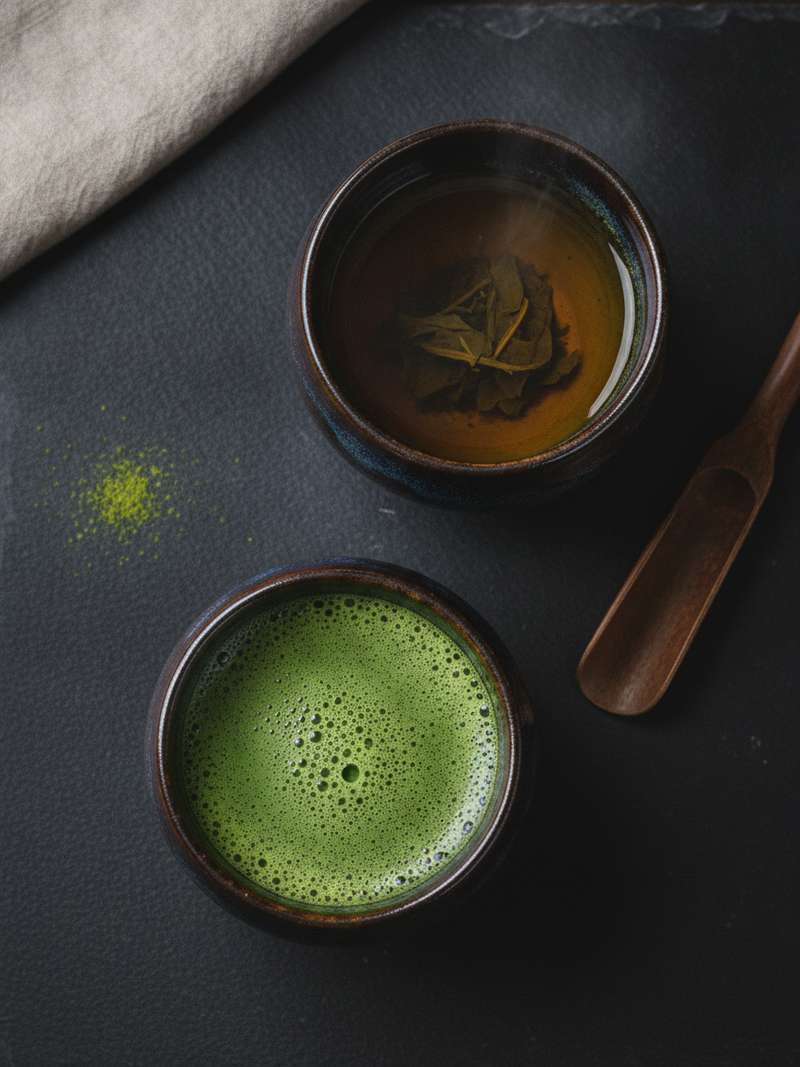
If you want to enjoy green tea in your tenmoku cup without sacrificing flavor, follow these temperature-adjusted brewing guidelines:
Step 1: Pre-warm the cup — Pour hot water into the tenmoku cup and let it sit for 30 seconds, then discard. This pre-warms the thick walls so they do not absorb too much heat from your tea on first contact.
Step 2: Lower your water temperature by 5–10°F — Because tenmoku retains heat, compensate by starting slightly cooler than you normally would. For sencha, use 160°F (71°C) instead of 170°F (77°C). For hojicha, use 190°F (88°C) instead of 200°F (93°C).
Step 3: Shorten your steep time by 15–30 seconds — The sustained heat means extraction continues in the cup. Pull your leaves 15–30 seconds earlier than you would with porcelain or glass.
Step 4: Drink within 8 minutes for delicate teas — For sencha, dragon well, and gyokuro, finish within 8 minutes of pouring. For hojicha, bancha, and genmaicha, you have 15+ minutes before flavor degrades noticeably.
What Science Says About Iron Clay and Tea
The iron in tenmoku clay (7–8% Fe₂O₃) does more than create those stunning oil-spot and hare’s-fur glaze patterns. When hot tea sits in the cup, trace amounts of iron ions interact with tea polyphenols — specifically catechins and tannins. This interaction has two measurable effects:
First, it softens the water. Iron ions bind with calcium and magnesium minerals in the water, reducing hardness. Softer water extracts fewer bitter compounds from tea leaves, which is why many tea drinkers report that tea tastes “smoother” or “rounder” from tenmoku compared to glass or porcelain.
Second, it can slightly alter the color of green tea. The iron-catechin reaction can shift bright green tea toward a more golden or amber hue — not a defect, but a visible sign of the chemical interaction happening in your cup. This is the same principle behind why tenmoku glaze is food-safe despite its iron content: the fired glaze seals the surface, and any leaching is well within safe limits.
Researchers at Fujian Agriculture and Forestry University have documented that tea brewed in Jian Zhan cups shows 12–18% lower catechin extraction rates compared to porcelain at the same temperature — meaning the iron clay actually slows the extraction of bitter compounds, which benefits green teas that are prone to over-extraction.
When to Choose a Different Cup
Tenmoku is not the best choice for every green tea session. Here is when you should reach for a different cup instead:
Choose porcelain or glass when: You are drinking premium gyokuro, first-flush sencha, or any green tea where observing the liquor color is part of the experience. The thin walls of porcelain (1–2 mm) let the tea cool to the right temperature naturally, and glass lets you appreciate the vivid green color that tenmoku’s dark interior hides.
Choose tenmoku when: You are drinking hojicha, bancha, genmaicha, or any roasted/hearty green tea where warmth and smoothness matter more than bright, crisp notes. Tenmoku also excels for cold-brewed green tea served warm — the slow heat release keeps cold-brew at a pleasant drinking temperature without “cooking” the delicate flavors.
Choose a gaiwan when: You want precise brewing control with multiple short infusions. A tenmoku gaiwan gives you the clay’s benefits while letting you decant each steep at exactly the right moment — the best of both worlds for gongfu-style green tea brewing.
❓ Does tenmoku make green tea taste bitter?
Tenmoku does not make green tea bitter on its own — but its heat retention can over-extract delicate teas if you drink slowly. The iron clay actually softens water and reduces astringency. The key is choosing robust green teas (hojicha, bancha) or adjusting your brewing temperature down by 5–10°F to compensate for the sustained warmth.
❓ Can I brew matcha in a tenmoku cup?
Yes — matcha is one of the best green teas for tenmoku. Since matcha is whisked rather than steeped, heat retention is an advantage, not a drawback. The thick walls keep your matcha warm throughout the drinking session, and the wide bowl shape (7–9 cm diameter) provides ample room for whisking. Historically, tenmoku bowls were the original matcha vessels in Song Dynasty China and Kamakura-era Japan.
❓ Is it safe to drink green tea from tenmoku every day?
Absolutely. Tenmoku glaze is fired at 2,300°F (1,260°C), which vitrifies the surface and seals it completely. The iron content in the clay is locked within the ceramic matrix and does not leach into your tea at harmful levels. Daily use is safe — in fact, many tea enthusiasts in China and Japan drink from Jian Zhan cups daily as their primary teaware.
❓ Why does my green tea look different in a tenmoku cup?
The dark interior of a tenmoku cup absorbs light, making green tea appear deeper or more golden than it would in a white porcelain cup. Additionally, the iron ions in the clay can slightly shift the tea’s color through a catechin-iron reaction — this is normal and harmless, similar to how tea changes color when you add lemon (which alters pH instead of binding iron).
📚 References
- Tenmoku Teabowls: Kyoto National Museum collection documentation on Song Dynasty tea bowl origins and Japanese adoption. Kyoto National Museum
- Iron Content and Tea Extraction: Fujian Agriculture and Forestry University research on Jian Zhan clay composition and catechin interaction rates in ceramic teaware. Fujian Agriculture and Forestry University
- Green Tea Brewing Standards: Specialty Tea Institute guidelines for optimal brewing temperatures and steeping times by green tea variety. Specialty Tea Institute
Explore our full tenmoku tea cup collection to find the perfect cup for your next green tea session — whether you prefer a small 80 ml bowl for hojicha or a wider 120 ml cup for matcha.


