

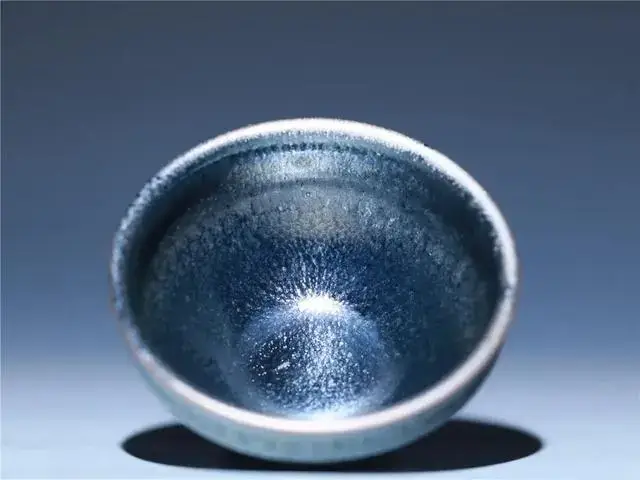
Discover authentic tenmoku at Zen Tea Cup.
Contents
- What Is Shu Kou in Jian Zhan Classification
- Key Characteristics of Shu Kou Shape
- The Inward-Curving Rim
- Body and Profile
- Why Shu Kou Excels at Heat Retention
- Shu Kou vs Other Jian Zhan Shapes
- Historical Significance of Shu Kou
- How to Choose an Authentic Shu Kou Jian Zhan
- Glaze Quality
- Clay Body
- Best Teas for Shu Kou Bowls
- Caring for Your Shu Kou Jian Zhan
- Key Stats: Shu Kou Jian Zhan
- ❓ FAQ: Shu Kou Jian Zhan
- ❓ Is Shu Kou the best shape for beginners?
- ❓ Why is Shu Kou the most common Jian Zhan shape?
- ❓ Can I put my Shu Kou bowl in the dishwasher?
What Is Shu Kou in Jian Zhan Classification
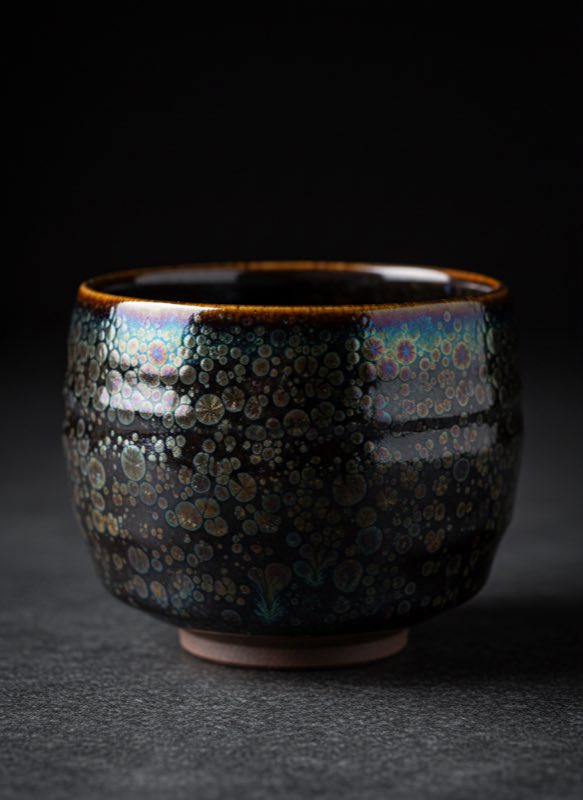
Shu Kou (束口) is one of the four classic Jian Zhan bowl shapes, distinguished by its inward-curving rim that creates a natural constriction at the top. If you are building a tenmoku collection, the Shu Kou is arguably the most essential shape to understand — it is the most commonly produced and historically significant of all Jian Zhan forms. You can explore the full range of tenmoku shapes in the tenmoku teaware beginner guide.
The name Shu Kou translates to “bound mouth” or “constricted mouth” in Chinese, referring to the way the rim curves inward. This design was not merely aesthetic — it served a practical purpose during Song Dynasty tea competitions where whisked tea needed to be contained within the bowl without spilling.
Key Characteristics of Shu Kou Shape
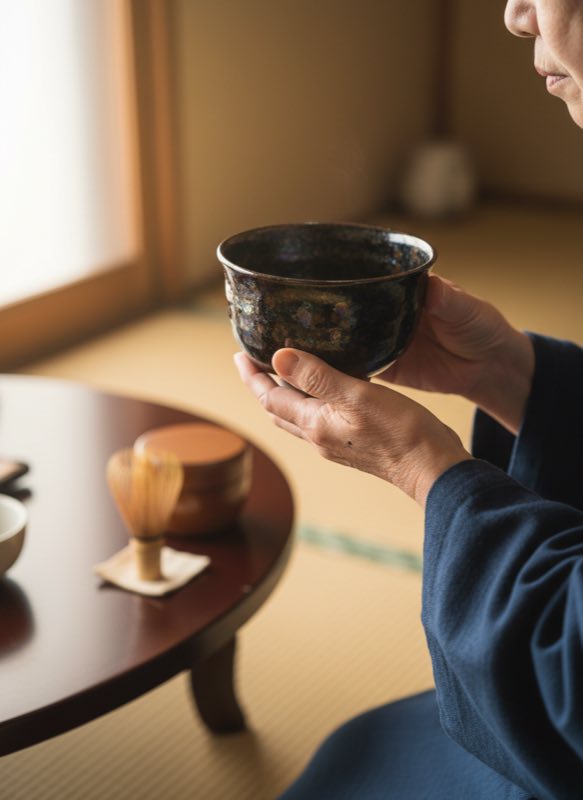
The Shu Kou shape has several defining features that make it instantly recognizable and functionally superior for certain tea applications.
The Inward-Curving Rim
The most distinctive feature of Shu Kou is the rim that curves inward, creating a slight lip that overhangs the bowl interior. This curve typically measures 0.2 to 0.4 inches (5 to 10 mm) of inward projection. When you pour tea into a Shu Kou bowl, this constriction helps control the pour and prevents splashing during whisking or vigorous pouring. The rim diameter typically ranges from 4.0 to 4.8 inches (10.2 to 12.2 cm).
Body and Profile
Below the constriction, the bowl body swells outward before tapering to the foot. This creates a belly-like profile that holds a generous volume of tea — typically 5 to 8 fl oz (150 to 240 ml). The walls are thicker than Chang Kou bowls, ranging from 0.16 to 0.24 inches (4 to 6 mm), which contributes to superior heat retention.
Why Shu Kou Excels at Heat Retention
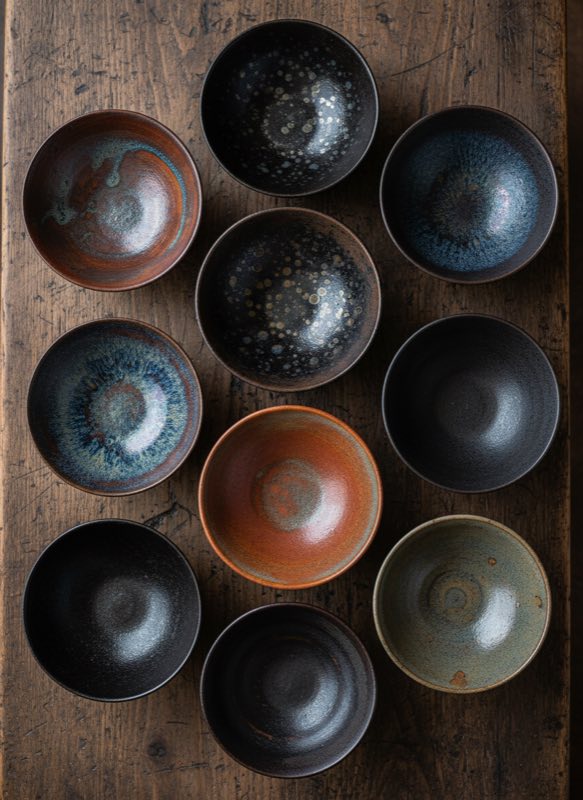
You will notice that tea stays warm significantly longer in a Shu Kou bowl compared to more open shapes. The inward-curving rim reduces the surface area exposed to air, slowing evaporative cooling. Combined with the thick iron-rich walls, a Shu Kou bowl can keep your tea at drinking temperature for 15 to 20 minutes longer than a porcelain cup of similar volume.
Research from the ScienceDirect ceramic materials studies confirms that iron-oxide-rich clay has approximately 20% higher thermal mass than standard porcelain, meaning it absorbs and retains more heat energy per unit of weight.
Shu Kou vs Other Jian Zhan Shapes
| Shape | Rim Style | Heat Retention | Best Use |
|——-|———–|—————-|———-|
| Shu Kou (束口) | Inward curve | Excellent | Matcha, hot tea |
| Chang Kou (敞口) | Wide open | Poor | Aromatic teas |
| Pie Kou (撇口) | Slight flare | Good | All-purpose |
| Lian Kou (敛口) | Gentle curve | Very good | Slow sipping |
The Shu Kou is the most versatile shape for daily use, while the Chang Kou sacrifices heat retention for aroma release.
Historical Significance of Shu Kou
During the Song Dynasty, Shu Kou bowls were the preferred vessels for doucha (斗茶) — competitive tea whisking events where aristocrats and scholars judged the quality of whisked tea. The inward rim prevented the precious tea from splashing during vigorous whisking with a bamboo chasen. Emperor Huizong himself documented the importance of proper bowl selection in his treatise “Da Guan Cha Lun” (大观茶论), written around 1107 CE.
Archaeological excavations at the Jianyang kiln site have uncovered thousands of Shu Kou fragments, confirming it was the dominant production shape. The Metropolitan Museum of Art holds several pristine examples of Song Dynasty Shu Kou bowls that demonstrate the extraordinary glaze patterns achieved by master potters.
How to Choose an Authentic Shu Kou Jian Zhan
When selecting a Shu Kou bowl, you should evaluate several key factors to ensure authenticity and quality.
Glaze Quality
The glaze should display natural crystalline patterns — hare’s fur (tu hao), oil spots (you di), or partridge spots (gu ban) — that formed during the 1300°C (2372°F) reduction firing. These patterns cannot be replicated by machine. For detailed authentication guidance, see the handmade tenmoku identification guide.
Clay Body
Authentic Jian Zhan clay contains 7-8% iron oxide, giving it a distinctive dark brown to nearly black color. The unglazed foot ring should feel slightly rough and display the natural texture of the local Jianyang clay. If the foot ring is perfectly smooth or light-colored, the bowl is likely not authentic.
Best Teas for Shu Kou Bowls
The Shu Kou shape is incredibly versatile, but it truly shines with certain tea types:
Matcha — The inward rim contains the whisked tea perfectly, and the heat retention keeps your matcha at the ideal drinking temperature. This is the traditional pairing that made Shu Kou famous.
Dark oolong — Da Hong Pao and other roasted oolongs benefit from the sustained heat. The iron-rich glaze enhances oolong flavor by softening astringent compounds.
Ripe pu-erh — The Shu Kou pairs beautifully with ripe pu-erh, maintaining the warm earthy character that makes this tea special.
Black tea — Lapsang Souchong and Keemun develop rich, malty profiles in the Shu Kou’s warm environment. The sustained heat allows the complex flavor compounds to unfold gradually across multiple infusions, giving you a slowly evolving tasting experience that narrow cups simply cannot provide.
Herbal infusions — If you enjoy caffeine-free options, the Shu Kou works well for chrysanthemum, goji berry, and jujube blends. The heat retention keeps these slower-steeping infusions at optimal temperature without requiring a lid or cozy.
When you compare the Shu Kou to modern ceramic mugs, the difference in tea quality is immediately noticeable. Standard mugs are designed for convenience, not for enhancing the tea experience. The Shu Kou was refined over centuries specifically to make tea taste better — the iron content in the clay interacts with tannins and polyphenols, reducing bitterness while amplifying the natural sweetness and depth of your tea.
Caring for Your Shu Kou Jian Zhan
After each tea session, rinse your Shu Kou bowl with warm water only. Never use soap, detergent, or abrasive cleaners. The inward rim can trap small tea particles, so use a soft bamboo brush to gently clean the interior curve.
You should also consider the weight of a Shu Kou bowl when making your selection. A well-balanced Shu Kou feels substantial but not heavy — the weight should sit comfortably in your palm, with the center of gravity resting on your thumb pad. This precise balance is absolutely critical for extended gongfu cha sessions where you may lift and pour the bowl dozens of times. A poorly balanced bowl causes wrist fatigue, while a properly weighted one always feels like a natural extension of your hand. Pat dry with a lint-free cloth and allow to air dry completely before storing.
Over months of regular use, you will notice the glaze developing a deeper, more luminous quality. This patina, called “bao jiang” (包浆), is highly valued by collectors and indicates a well-loved, frequently used bowl. Many experienced tea practitioners actually prefer Shu Kou bowls that show visible glaze tears near the foot, as these marks confirm the bowl was fired at proper traditional temperatures and are considered a sign of authenticity and character.
Whether you are new to jian zhan shape classification or looking to deepen your understanding, the key is to start with quality materials and consistent practice. Small adjustments in your approach can make a noticeable difference in your overall experience and enjoyment. at Zen Tea Cup
Key Stats: Shu Kou Jian Zhan
| Metric | Value |
|——–|——-|
| Rim Diameter | 4.0-4.8 in (10.2-12.2 cm) |
| Height | 2.4-3.2 in (6.1-8.1 cm) |
| Capacity | 5-8 fl oz (150-240 ml) |
| Weight | 5.6-9.2 oz (160-260 g) |
| Wall Thickness | 0.16-0.24 in (4-6 mm) |
| Firing Temperature | 1300°C (2372°F) |
❓ FAQ: Shu Kou Jian Zhan
❓ Is Shu Kou the best shape for beginners?
Yes. The Shu Kou is widely considered the best starting shape for tenmoku collectors. Its versatility, heat retention, and historical significance make it an excellent first purchase. You can use it for virtually any tea type.
❓ Why is Shu Kou the most common Jian Zhan shape?
Shu Kou was the dominant production shape during the Song Dynasty because it was specifically designed for the tea whisking competitions that were popular at court. Modern kilns continue this tradition because the shape is both practical and historically authentic.
❓ Can I put my Shu Kou bowl in the dishwasher?
Absolutely not. Dishwasher detergent and high-pressure water jets will damage the glaze patina and may cause micro-cracking. Always hand-wash with warm water only, and never leave your bowl soaking for extended periods. The iron-rich clay is porous and will absorb soap residue, which permanently affects the taste of your tea.
📚 References
– ScienceDirect. “Ceramic Materials and Thermal Properties.” sciencedirect.com
– Metropolitan Museum of Art. “Song Dynasty Ceramics Collection.” metmuseum.org
– Emperor Huizong. (c. 1107). “Da Guan Cha Lun” (大观茶论). Translated in K. S. Chen, “Tea and Culture in Song China.”
Discover your perfect Shu Kou Jian Zhan at Zen Tea Cup’s tenmoku collection — authentic handmade bowls shipped to your door.


