

The right tenmoku cup size depends on what you brew most: 3 oz (90 ml) cups suit concentrated gongfu-style sessions, 4 oz (120 ml) cups are the versatile all-rounder, and 6 oz (180 ml) cups work best for matcha or casual sipping. From Zen Tea Cup‘s sizing reference, here is how you pick the one that fits your routine.
| Key Stat | Value |
|---|---|
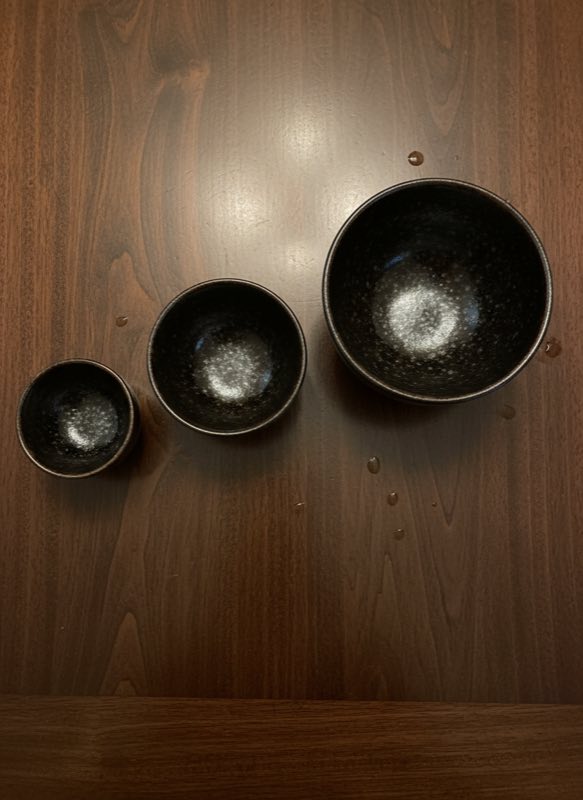
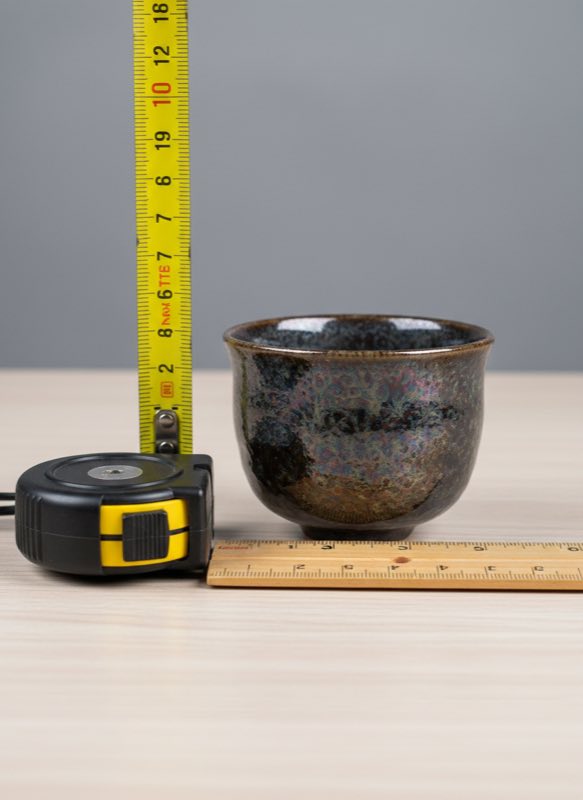
| Small cup (3 oz) | 90 ml, 6.5 cm diameter, 4.5 cm height |
| Standard cup (4 oz) | 120 ml, 8.0 cm diameter, 5.0 cm height |
| Large cup (6 oz) | 180 ml, 9.0 cm diameter, 6.0 cm height |
| Weight range | 80-180 g depending on size |
| Wall thickness | 0.3-0.6 cm |
| Optimal brewing temp | 175-205 F (80-96 C) |
Contents
- Three Tenmoku Sizes and When You Use Each
- The 3 oz Cup: Gongfu Concentration
- The 4 oz Cup: The Versatile Standard
- How Your Tea Type Determines the Right Size
- Matcha Needs the Largest Cup
- Measuring Your Hand for the Perfect Fit
- Hand Size to Cup Diameter Ratio
- Practical Considerations Beyond Volume
- Heat Retention by Size
- Size Comparison at a Glance
- Building a Size Collection Over Time
- Add a 3 oz for Gongfu Sessions
- Storage and Display by Size
- ❓ Can one tenmoku cup work for all teas?
- ❓ Does cup size affect how the tea tastes?
- ❓ What if I am between sizes?
- References
Three Tenmoku Sizes and When You Use Each
Tenmoku cups come in three common sizes, and each one serves a different purpose in your tea practice. Choosing the wrong size can mean your tea cools too fast or your gongfu pour overflows the cup. Understanding the differences helps you select the vessel that matches your daily routine.
The 3 oz Cup: Gongfu Concentration
The smallest tenmoku at 3 oz (90 ml) with a 6.5 cm rim diameter is purpose-built for gongfu tea sessions. When you brew oolong or pu’er with short steep times of 15-30 seconds, you want a small vessel that concentrates the aroma and delivers each pour in two to three sips. The 3 oz cup forces you to slow down and pay attention to each pour. Its 4.5 cm height means the tea stays warm for about 3 minutes at 175 F, perfect for the quick pour-and-drink rhythm that defines gongfu brewing.
The 4 oz Cup: The Versatile Standard
If you drink only one type of tea regularly, the 4 oz (120 ml) tenmoku is your best bet. With an 8.0 cm rim diameter and 5.0 cm height, it holds enough for a comfortable session whether you are brewing gongfu-style oolong, pouring Japanese sencha, or even whisking a light matcha. Most tenmoku collectors own at least one 4 oz cup because it covers the widest range of teas. At 120-150 g in handmade versions, it sits comfortably in your palm without straining your grip. The tenmoku collection at Zen Tea Cup features this size most frequently for good reason.
How Your Tea Type Determines the Right Size
Not all teas behave the same in every cup size. Here is a direct comparison so you can match your brewing habit to the right vessel for the best experience.
| Tea Type | Best Size | Reason |
|---|---|---|
| Gongfu oolong | 3 oz (90 ml) | Short pours, concentrated aroma |
| Japanese sencha | 4 oz (120 ml) | Balanced volume, moderate steep |
| Matcha | 6 oz (180 ml) | Room for whisking, ceremonial |
| Aged pu’er | 3-4 oz | Small cups highlight depth |
| English breakfast | 6 oz (180 ml) | Full volume for longer steep |
| White tea | 4 oz (120 ml) | Delicate aroma needs moderate space |
Matcha Needs the Largest Cup
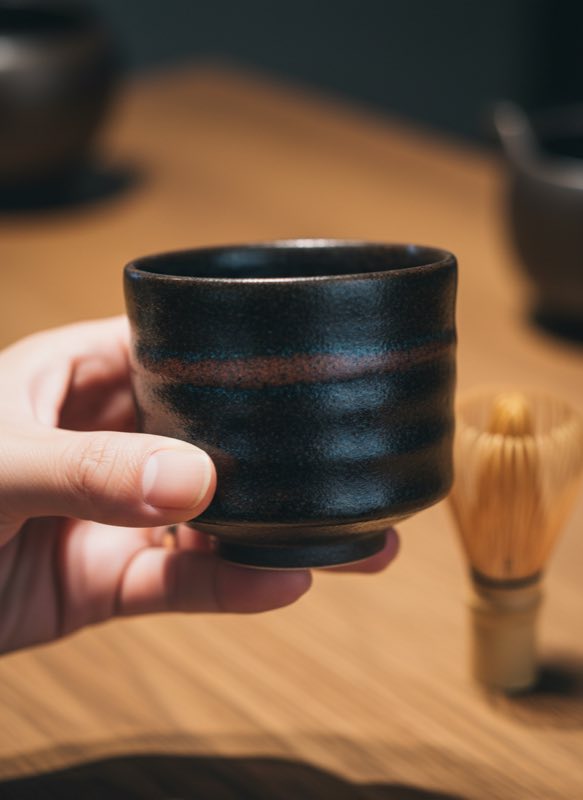
Matcha preparation requires space to whisk. The chasen (bamboo whisk) needs clearance inside the bowl, and the foam layer takes up volume above the liquid. A 6 oz tenmoku matcha bowl with its 9.0 cm rim gives you enough room to whisk properly at a 45 degree angle without spilling. Traditional chawan bowls are even larger at 8-12 oz, but a 6 oz tenmoku works well for individual servings at 2 g of matcha powder per session. The wider rim also lets you appreciate the green foam contrasting against tenmoku’s dark glaze, a visual experience the Metropolitan Museum of Art highlights in its tea ceremony exhibits.
Measuring Your Hand for the Perfect Fit
Cup size is not just about volume. How it feels in your hand matters just as much. A cup that is too wide for your grip becomes awkward; one that is too narrow feels cramped. Take two minutes to measure your hand before you order.
Hand Size to Cup Diameter Ratio
Measure your palm width across the base of your fingers (not including the thumb). Then match it to the cup diameter for the best ergonomic fit:
- Palm width under 7.5 cm – Choose 3 oz cups (6.5 cm rim). You can wrap your fingers comfortably around the base.
- Palm width 7.5-9.0 cm – Choose 4 oz cups (8.0 cm rim). The standard size fits most adult hands.
- Palm width over 9.0 cm – Choose 6 oz cups (9.0 cm rim). Larger hands need a wider rim for a natural grip.
The ideal ratio is cup diameter approximately 80-90% of your palm width. When you hold the cup, your thumb should rest on the rim while your middle finger supports the foot ring. This is the traditional tenmoku grip described in Song Dynasty tea manuals preserved at the Freer Gallery of Art.
Practical Considerations Beyond Volume
Three more factors influence which size works best for you: heat retention, visual impact, and display space. Each one can tip the balance toward a different size even when volume alone seems like the deciding factor.
Heat Retention by Size
Smaller cups cool faster. A 3 oz tenmoku at 185 F drops to a drinkable 155 F in about 3 minutes. A 6 oz cup at the same starting temperature takes 5-6 minutes to reach the same point. If you prefer drinking your tea while it is still quite warm, go smaller. If you like it cooler, go larger. The thick walls of handmade tenmoku (0.3-0.6 cm) provide better insulation than thin machine-made cups, so even the 3 oz version holds heat reasonably well.
Size Comparison at a Glance
| Feature | 3 oz (Small) | 4 oz (Standard) | 6 oz (Large) |
|---|---|---|---|
| Volume | 90 ml | 120 ml | 180 ml |
| Rim diameter | 6.5 cm | 8.0 cm | 9.0 cm |
| Height | 4.5 cm | 5.0 cm | 6.0 cm |
| Weight (handmade) | 80-120 g | 120-150 g | 150-180 g |
| Best tea | Gongfu oolong, pu’er | All-purpose | Matcha, casual sipping |
| Heat retention | 3 min to cool | 4 min | 5-6 min |
| Hand fit | Small palms | Most adults | Large palms |
Building a Size Collection Over Time
Most tenmoku enthusiasts do not stop at one cup, and for good reason. Different teas genuinely taste better in different sizes, and having two or three tenmoku cups in your rotation keeps your tea practice fresh. Start with the 4 oz as your daily driver, then add a 3 oz for dedicated gongfu sessions and a 6 oz for matcha or casual sipping. This three-cup collection covers virtually every tea you will encounter, and it gives you the flexibility to match the vessel to the moment.
Add a 3 oz for Gongfu Sessions
If you find yourself doing regular gongfu brewing with multiple short steeps of oolong or pu’er, add a 3 oz cup. The smaller volume forces you to appreciate each pour individually. You will notice that the same tea tastes different in a 3 oz versus a 4 oz cup: the aroma is more concentrated, the body feels thicker, and the aftertaste lingers longer on your palate. This is not imagination. The physics of aroma concentration in smaller vessels is well documented in tea research. For a deeper look at how handmade tenmoku differs from mass-produced versions in thermal performance, see our authenticity guide.
Storage and Display by Size
Smaller cups are easier to store and display. A 3 oz tenmoku fits neatly on a standard tea shelf with 10 cm between shelves. The 6 oz cup needs more vertical clearance, about 8 cm minimum, and its wider base takes up more surface area. If you plan to display your collection on a floating shelf, measure the depth first: 3 oz cups need about 8 cm of shelf depth, while 6 oz cups need 10-12 cm to sit safely without overhang.
❓ Can one tenmoku cup work for all teas?
The 4 oz standard size is the closest to a universal option. It handles gongfu oolong with slightly longer steep times and accommodates lighter matcha servings. However, dedicated matcha drinkers and serious gongfu practitioners benefit from having both a 3 oz and a 6 oz cup in their collection.
❓ Does cup size affect how the tea tastes?
Yes, significantly. Smaller cups concentrate aroma and you notice more fragrance per sip. Larger cups spread the aroma across more volume, making it subtler. According to research from the Victoria and Albert Museum, the clay body’s thermal properties change the flavor extraction rate depending on cup dimensions.
❓ What if I am between sizes?
Always go slightly larger rather than smaller. A cup that is a bit too big still works, you simply pour less tea into it. A cup that is too small forces you to either under-fill it or overflow. The 4 oz size is the safest default if you are unsure.
References
- Metropolitan Museum of Art: Tea Ceremony and Vessel Selection. The Met
- Freer Gallery of Art: Song Dynasty Tea Manuals and Tenmoku Proportions. Smithsonian
- Victoria and Albert Museum: Clay Body Thermal Properties in Ceramic Tea Vessels. V and A Museum
Still unsure which size fits you? Browse the tenmoku size guide at Zen Tea Cup, each listing includes exact measurements so you can compare before you choose.
Ready to find your perfect tenmoku cup? Explore Zen Tea Cup collection for handcrafted, artisan-crafted teaware shipped across the US.


