

Contents
- Can You Put Tenmoku Tea Cups in the Microwave?
- Why Microwaving Tenmoku Is Dangerous
- Thermal Shock from Uneven Heating
- Metallic Glaze and Arcing
- What Happens If You Microwave Tenmoku
- How to Reheat Tea Without a Microwave
- Other Things You Should Never Do with Tenmoku
- Key Stats: Tenmoku and Heat
- ❓ FAQ: Tenmoku and Microwaves
- ❓ What if I microwaved my tenmoku once and it seems fine?
- ❓ Can I microwave tenmoku for just a few seconds?
- ❓ Are there any tenmoku-style cups that are microwave safe?
- The Science Behind Why Iron-Rich Glaze and Microwaves Do Not Mix
- What to Do If You Accidentally Microwaved Your Tenmoku
Can You Put Tenmoku Tea Cups in the Microwave?
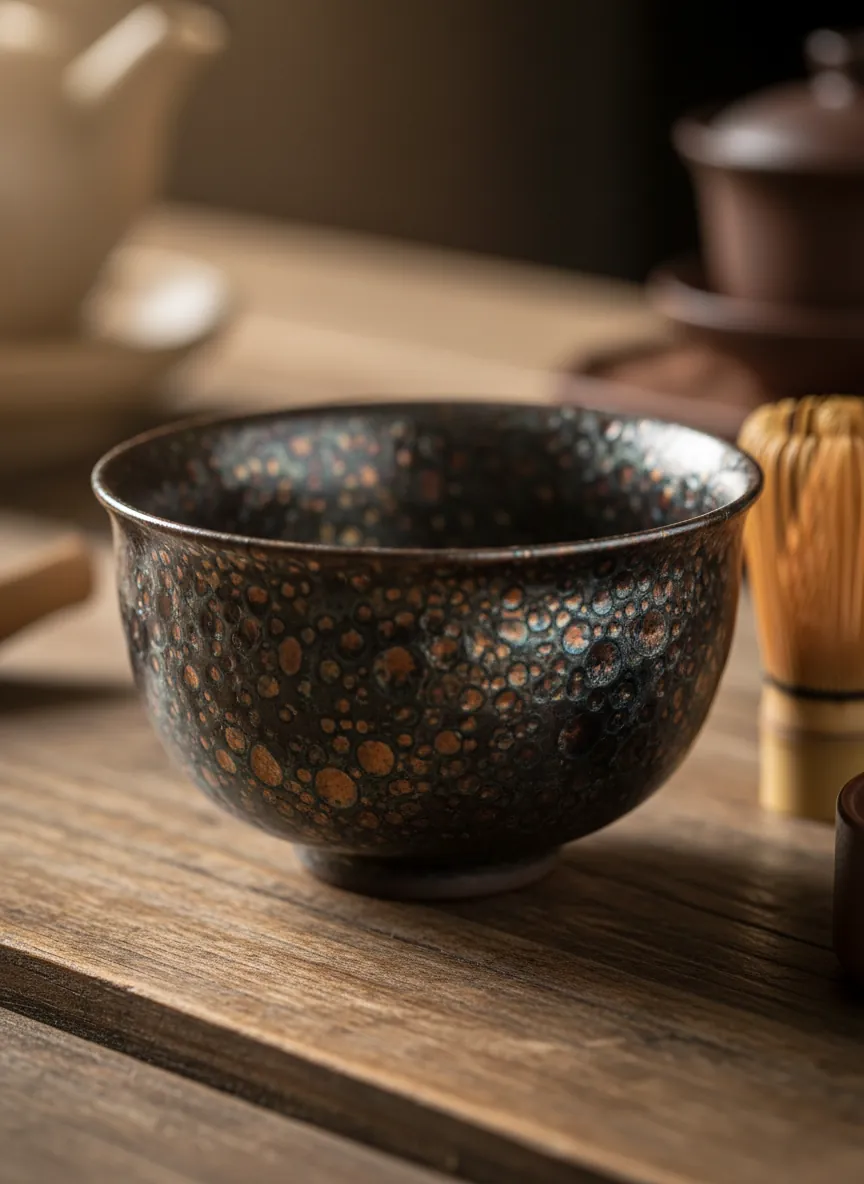
No, you should not put tenmoku tea cups in the microwave. If you value your tenmoku cup — and the beautiful glaze patterns that make it unique — keep it far away from any microwave oven. At Zen Tea Cup, we want you to understand exactly why microwaving tenmoku is a bad idea so you can protect your investment and enjoy your cup safely for years to come.
Tenmoku glaze contains high levels of iron oxide (5-8% by weight), which makes it fundamentally incompatible with microwave radiation. Microwaves work by exciting water molecules and polar compounds, and the iron particles in tenmoku glaze absorb microwave energy unevenly, creating dangerous hot spots that can crack or shatter the cup.
Why Microwaving Tenmoku Is Dangerous
Thermal Shock from Uneven Heating
The iron-rich clay and glaze in tenmoku cups absorb microwave energy at different rates than the tea inside. This creates extreme temperature differentials — the glaze surface can reach 300°F (149°C) while the interior clay remains at 80°F (27°C). Such a gradient exceeds the thermal tolerance of stoneware, which is approximately 200°F (93°C) for safe temperature change. The result is thermal shock cracking, which can happen instantly or develop as micro-cracks that cause the cup to break during later use.
Metallic Glaze and Arcing
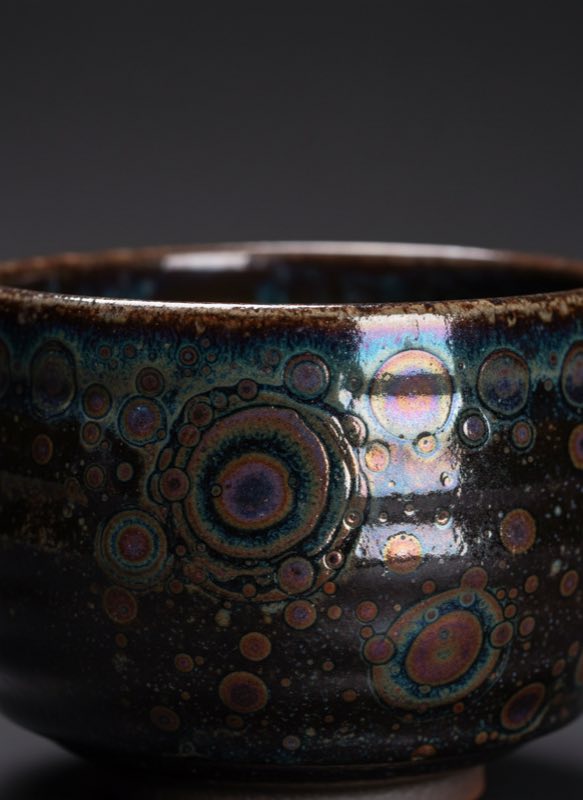
The metallic luster in tenmoku glaze — the shimmering oil spots and hare’s fur that you love — comes from iron oxide crystallization. These metallic crystals can cause arcing (small electrical sparks) inside the microwave, similar to what happens when you accidentally microwave a fork. Arcing damages both the microwave and the cup, and in rare cases can pose a fire hazard. The handmade tenmoku identification guide explains how these metallic patterns form during firing.
What Happens If You Microwave Tenmoku
Even if your tenmoku cup survives one microwave cycle, repeated exposure causes cumulative damage:
Glaze deterioration. The rapid heating and cooling cycles cause the glaze to develop micro-crazing (tiny cracks in the surface). These cracks compromise the food-safe barrier and can harbor bacteria. Once the glaze surface is compromised, you should discontinue food use — the cup can still serve as a beautiful display piece, but it is no longer safe for drinking.
Pattern fading. The iron oxide crystals that create the beautiful oil spot and hare’s fur patterns can be disrupted by repeated thermal cycling, causing the metallic luster to fade or become patchy. You will notice that oil spots that once shimmered brilliantly under light begin to look dull and flat. This damage is irreversible — you cannot restore the original crystallization pattern once it has been disrupted by thermal cycling.
Structural weakening. Internal stress from thermal shock accumulates over time, making the cup increasingly fragile and prone to sudden breakage — possibly while you are holding it with hot tea inside. This is not just a property damage concern — it is a safety hazard. Hot tea and sharp ceramic fragments are a dangerous combination that you want to avoid at all costs.
How to Reheat Tea Without a Microwave
If you want to reheat your tea, use one of these safe methods instead:
Water bath. Place your tenmoku cup in a bowl of hot water (160°F / 71°C) for 2-3 minutes. This gently warms the tea without thermal shock. You can also warm the cup first by rinsing it with hot water before adding your tea — this is the traditional gongfu tea method that has been used safely for centuries.
Pour-over method. Pour a small amount of freshly boiled water into the cup to warm it, then add your cooled tea. The gradual temperature increase is safe for the glaze.
Tea warmer. Use a candle-powered tea warmer to maintain your tea at a comfortable drinking temperature of 140-155°F (60-68°C) without overheating the cup. The new tenmoku owner guide recommends this as the safest approach.
Other Things You Should Never Do with Tenmoku
While we are on the subject of tenmoku care, here are other common mistakes to avoid:
Dishwasher. Never put tenmoku in the dishwasher. The high-pressure water jets and harsh detergents strip the developing patina and can cause glaze damage.
Stove top. Never place a tenmoku cup directly on a heat source. The concentrated heat creates thermal shock just like microwaving.
Freezer. Avoid extreme cold as well as extreme heat. Taking a cup from the freezer and pouring hot tea into it is a guaranteed way to crack it.
Bleach or harsh chemicals. These damage the glaze surface and can react with the iron oxide. Use only warm water for cleaning. If you have stubborn tea stains, soak the cup in warm water for 15-20 minutes and gently wipe with a soft cloth. Never scrub with abrasive pads. The tenmoku teaware beginner guide provides complete care instructions.
Key Stats: Tenmoku and Heat
| Parameter | Value |
|---|---|
| Safe Temperature Change | ≤200°F (93°C) gradual change |
| Microwave Hot Spot Temperature | Up to 300°F (149°C) |
| Glaze Iron Oxide Content | 5-8% |
| Thermal Shock Crack Risk | High above 200°F differential |
| Optimal Tea Temperature | 140-155°F (60-68°C) |
❓ FAQ: Tenmoku and Microwaves
❓ What if I microwaved my tenmoku once and it seems fine?
You got lucky, but do not push it. A single brief microwaving may not cause visible damage, but it can create micro-stress that weakens the cup structurally. Inspect the glaze under bright light for any new crazing lines. If you see any, stop using the cup for hot beverages immediately.
❓ Can I microwave tenmoku for just a few seconds?
Even a few seconds is enough to create hot spots in the iron-rich glaze. The risk is not proportional to time — arcing can happen instantly, and thermal differentials build quickly. It is never safe to microwave tenmoku, regardless of duration. Use the tenmoku cup care guide methods instead.
❓ Are there any tenmoku-style cups that are microwave safe?
Some mass-produced “tenmoku-style” cups made from porcelain with surface-painted patterns may be microwave safe, but they are not authentic tenmoku. True tenmoku with iron-oxide glaze is never microwave safe. If a seller claims their tenmoku is microwave safe, it is likely not genuine high-fired tenmoku. Check the handmade vs mass-produced comparison to learn the difference.
📚 References
– FDA. “Safety of Ceramics in Microwave Ovens.” fda.gov
– ScienceDirect. “Thermal Shock Resistance in Ceramic Materials.” sciencedirect.com
– Metropolitan Museum of Art. “Song Dynasty Ceramic Technology.” metmuseum.org
The Science Behind Why Iron-Rich Glaze and Microwaves Do Not Mix
To understand why microwaving tenmoku is dangerous, you need to understand how microwave ovens work. Microwaves generate electromagnetic radiation at a frequency of 2.45 GHz, which is absorbed by water molecules and polar compounds. When this radiation encounters iron oxide particles in tenmoku glaze, two problematic things happen simultaneously.
First, the iron oxide acts as a microwave absorber — it converts electromagnetic energy into heat much more efficiently than the surrounding clay body. This creates localized hot spots where the glaze temperature spikes dramatically while the clay beneath remains relatively cool. The temperature differential between the glaze surface and the clay interior can exceed 180°F (82°C) in just 10-15 seconds of microwaving.
Second, the iron oxide crystallization that produces the beautiful metallic patterns in tenmoku also creates conductive pathways across the glaze surface. When microwave radiation induces electrical currents in these pathways, you get arcing — small electrical discharges that appear as sparks. These sparks can reach temperatures of several thousand degrees Fahrenheit, causing localized melting or pitting of the glaze surface. Research published on ScienceDirect confirms that iron-oxide loaded ceramics are among the most problematic materials for microwave applications.
What to Do If You Accidentally Microwaved Your Tenmoku
If you have already microwaved your tenmoku cup, do not panic — but do take immediate action. Here is what you should do:
Step 1: Visual inspection. Examine the cup under bright light, looking for any new cracks, crazing lines, or changes in the glaze surface. Pay special attention to the interior bottom and the rim, which are the areas most stressed during heating.
Step 2: Sound test. Gently tap the rim of the cup with a wooden spoon or your fingernail. A healthy tenmoku cup produces a clear, bell-like ring. A dull or flat sound indicates internal cracking that you may not be able to see.
Step 3: Water test. Fill the cup with room-temperature water and let it sit for 10 minutes. Check the exterior for any moisture — if water is seeping through the clay, the cup has a crack and should not be used for drinking.
Step 4: Monitor over time. Even if the cup passes all immediate tests, watch it carefully over the next few weeks. Micro-cracks can develop slowly and may not be immediately apparent. If you notice any changes in the glaze appearance or the cup’s ring tone, discontinue use.
If your cup passes all these checks, you can continue using it — but please do not microwave it again. Each microwave cycle increases the cumulative stress on the glaze and clay body.
Protect your tenmoku investment — explore Zen Tea Cup’s tenmoku collection with complete care guides included.


