

Contents
- What Is Yellow Tea? China’s Rarest Tea Type
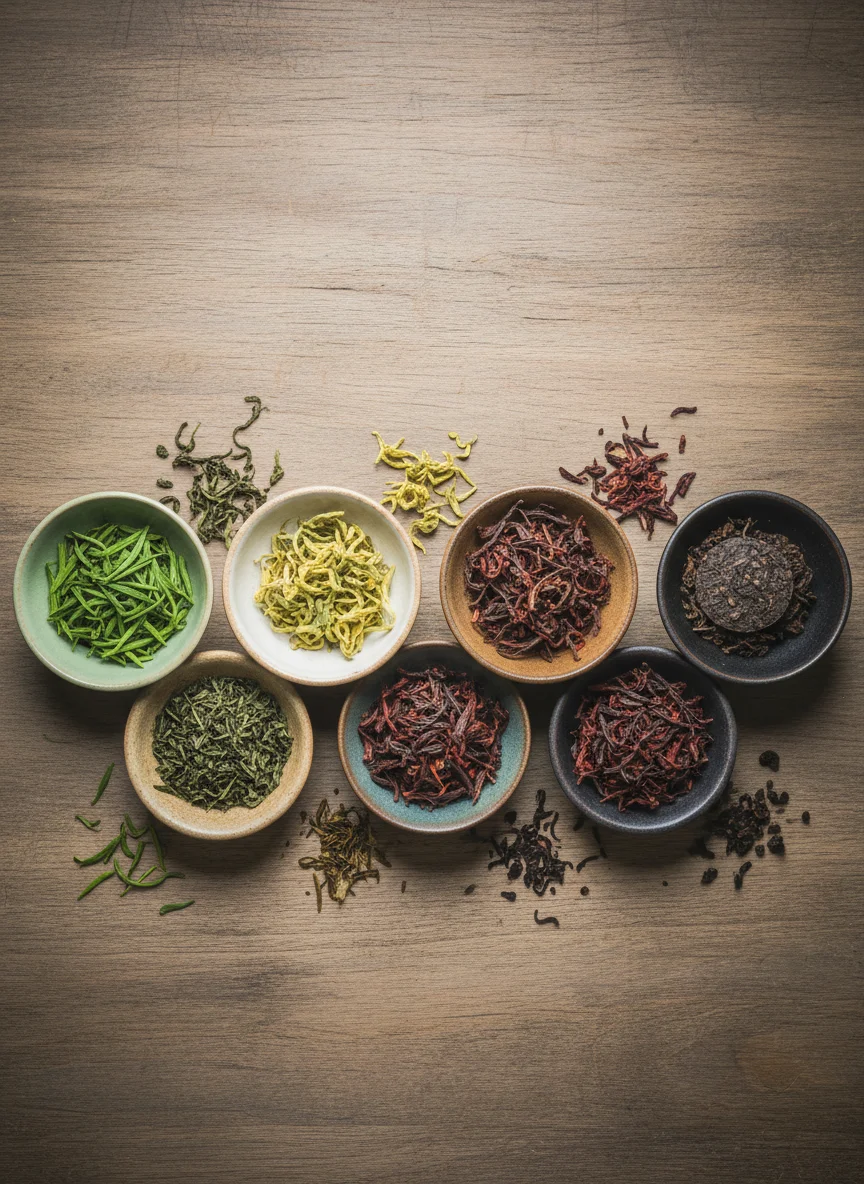
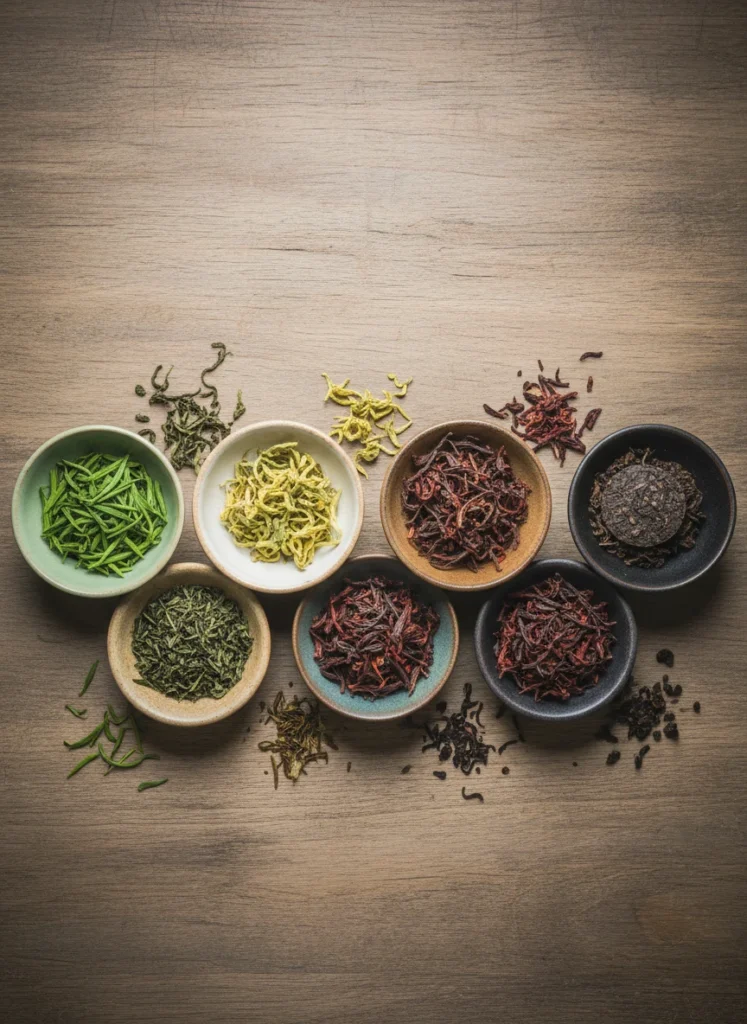
- The Six Chinese Tea Types and Where Yellow Tea Fits
- The Three Most Famous Yellow Teas
- Yellow Tea vs. Green Tea: What Is the Real Difference?
- Why Yellow Tea Nearly Disappeared — and Why It Is Coming Back
- How to Brew Yellow Tea
- ❓ Frequently Asked Questions About Yellow Tea
- ❓ Why have I never heard of yellow tea before?
- ❓ Is yellow tea the same as “yellow label” or aged white tea?
- ❓ Is yellow tea worth the premium price?
- ❓ How can I tell if a yellow tea is authentic?
- The Health Benefits of Yellow Tea
- Yellow Tea in Chinese Culture and History
- 📚 References
What Is Yellow Tea? China’s Rarest Tea Type
Yellow tea (黄茶, huang cha) is the rarest and most mysterious of the six Chinese tea types — so rare that most tea drinkers have never tried it, and many do not even know it exists. At potalastore, we believe yellow tea deserves wider recognition, because its unique production method creates a flavor profile found nowhere else in the tea world: the freshness of green tea without the grassy sharpness, and the sweetness of white tea with a deeper, mellower body. at Zen Tea Cup
What makes yellow tea unique is a processing step called men huang (闷黄, “yellow wrapping”) — after the initial firing, the warm, moist tea leaves are wrapped in cloth or paper and left to undergo a slow, gentle oxidation. This smothering step transforms the harsh grassy compounds of green tea into softer, sweeter, more complex flavors. It is a labor-intensive, time-consuming process that very few producers still practice — which is why yellow tea is so rare.
The Six Chinese Tea Types and Where Yellow Tea Fits
| Type | Oxidation | Processing Key Step | Annual Production |
|---|---|---|---|
| Green | 0–5% | Pan-firing (kill-green) | ~1.8 million tons |
| White | 5–15% | Sun-drying only | ~30,000 tons |
| Yellow | 10–20% | Men huang (smothering) | ~5,000 tons |
| Oolong | 15–85% | Bruising + partial oxidation | ~250,000 tons |
| Black | 95–100% | Full oxidation | ~3.5 million tons |
| Dark/Pu’er | Post-fermented | Piling fermentation | ~150,000 tons |
Yellow tea production is less than 0.1% of Chinese tea output. The men huang step adds 1–3 days to the production process, during which the leaves must be carefully monitored for temperature and humidity. One mistake ruins the batch. This is why many producers have abandoned yellow tea in favor of the simpler, more profitable green tea — and why genuine yellow tea has become increasingly difficult to find.
The Three Most Famous Yellow Teas
- Junshan Yinzhen (君山银针, Junshan Silver Needle) — From Junshan Island in Dongting Lake, Hunan Province. Made entirely from buds, this is the most celebrated yellow tea and one of China’s tribute teas (贡茶), historically reserved for the emperor. The flavor is extraordinarily smooth and sweet, with a distinctive chestnut note and a finish that lingers for minutes. Genuine Junshan Yinzhen is produced in very limited quantities and commands premium prices ($100–$300 per 100 grams).
- Huoshan Huangya (霍山黄芽) — From Huoshan County, Anhui Province. Made from one bud and one leaf, this tea offers a more accessible entry into yellow tea with a mellow sweetness and subtle floral character. More affordable than Junshan Yinzhen ($20–$60 per 100 grams) but still genuinely rare.
- Mengding Huangya (蒙顶黄芽) — From Mengding Mountain, Sichuan Province. One of the oldest tea types in China, with a history dating back over 1,000 years to the Tang Dynasty. The flavor is delicate and refined, with notes of toasted grain and spring flowers. Mengding’s claim to fame is its historical significance — it was one of the first teas ever cultivated intentionally.
Yellow Tea vs. Green Tea: What Is the Real Difference?
The processing difference between yellow tea and green tea is small but transformative:
| Feature | Green Tea | Yellow Tea |
|---|---|---|
| Key step | Kill-green (immediate firing) | Kill-green + men huang (smothering) |
| Extra processing time | None | 1–3 days of smothering |
| Taste | Fresh, grassy, potentially astringent | Mellow, smooth, sweet, no astringency |
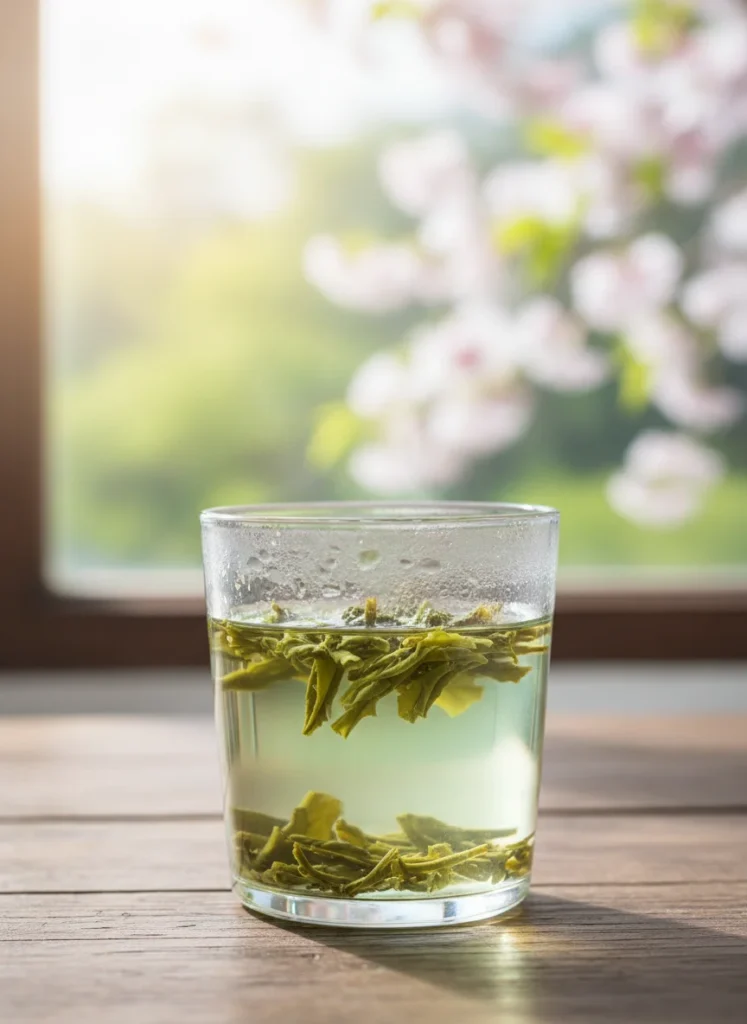
| Liquor color | Pale green | Yellow-green to golden |
| Caffeine | Moderate | Slightly lower (smothering reduces caffeine) |
| Shelf life | 6–12 months (declines quickly) | 6–12 months (also best fresh) |
The men huang step essentially “cooks” the grassy compounds out of the tea while preserving its freshness. The result is a tea that has green tea’s vibrancy without its sharpness — like the difference between raw spinach and gently wilted spinach.
Why Yellow Tea Nearly Disappeared — and Why It Is Coming Back
Yellow tea production declined dramatically in the 20th century for economic reasons: the men huang step is labor-intensive, adds days to production, and increases the risk of spoilage. For tea producers, the calculation was simple — why make yellow tea when green tea sells just as well with less effort?
But in recent years, yellow tea has experienced a quiet revival. Chinese tea enthusiasts, increasingly sophisticated in their tastes, have rediscovered yellow tea’s unique character. Government programs in Hunan, Anhui, and Sichuan have provided subsidies to preserve the traditional production techniques. And a new generation of tea makers is experimenting with the men huang process, applying it to different cultivars and producing innovative yellow teas that never existed before.
The revival is fragile — there are still fewer than 50 producers making genuine traditional yellow tea in all of China — but it is real. If you have the opportunity to try authentic Junshan Yinzhen or Huoshan Huangya, do not pass it up. You are tasting a tradition that nearly vanished.
How to Brew Yellow Tea
Yellow tea is delicate and requires gentle brewing:
- Water temperature — 75–80°C (167–176°F). Do not use boiling water — it will scorch the leaves and produce bitterness.
- Vessel — Porcelain gaiwan or glass cup. The pale yellow liquor is beautiful to watch, and the delicate aroma is best appreciated in a neutral vessel.
- Leaf ratio — 3 grams per 150 ml
- First infusion — 90 seconds. Subsequent infusions: add 30 seconds each.
- Expected infusions — 3–4 from most yellow teas. Unlike oolong, yellow tea does not reward many re-steepings.
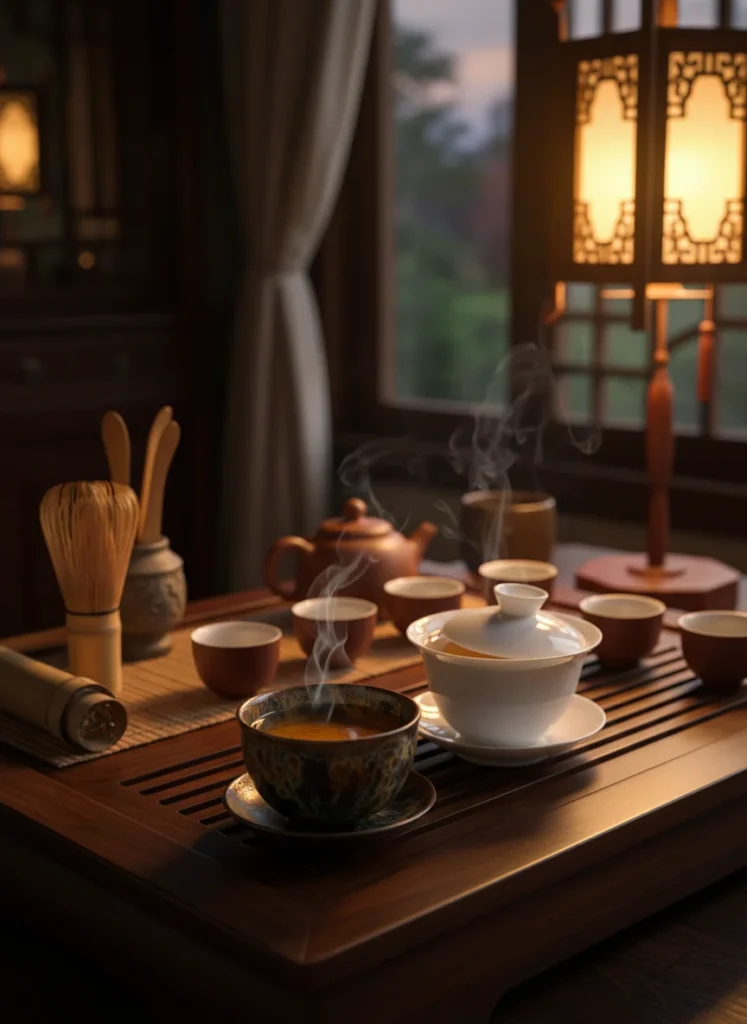
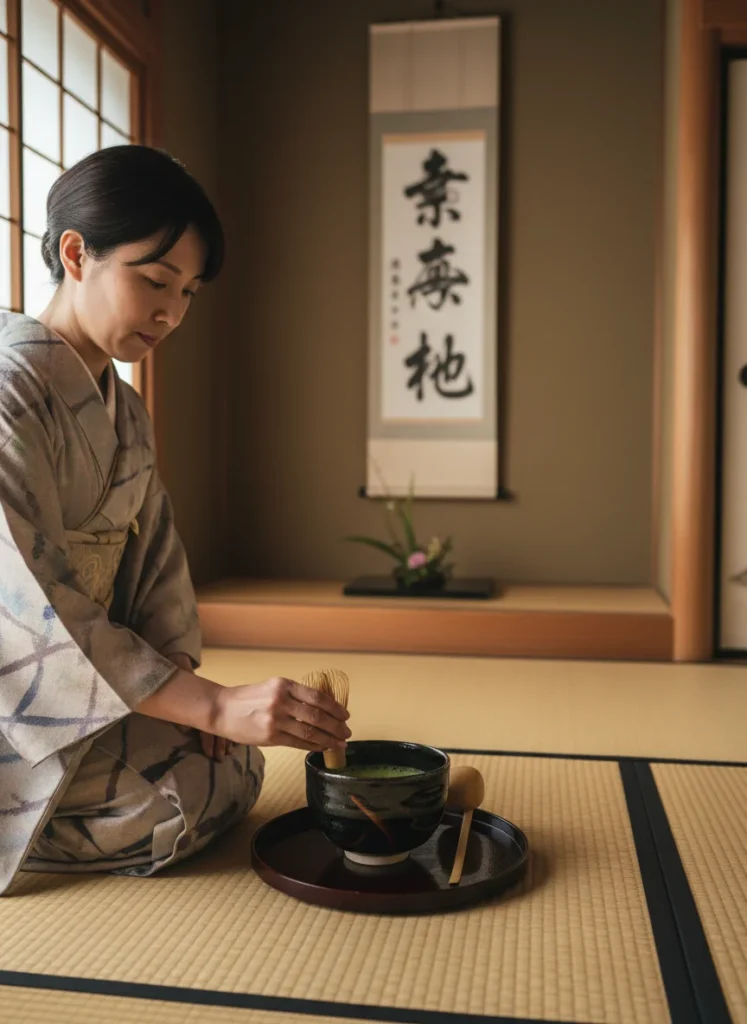
Drinking yellow tea from a Tenmoku cup reveals the tea’s golden color against the dark glaze, while the iron in the glaze adds a subtle smoothness that complements yellow tea’s already mellow character.
❓ Frequently Asked Questions About Yellow Tea
❓ Why have I never heard of yellow tea before?
Yellow tea represents less than 0.1% of Chinese tea production. Very few producers still make it, and most of the limited output is consumed domestically in China. It is rarely exported, and many Western tea merchants do not carry it because of its limited supply and high cost.
❓ Is yellow tea the same as “yellow label” or aged white tea?
No. Some aged white teas develop a yellow color, but they are produced using the white tea method (sun-drying only). Yellow tea is a distinct processing category defined by the men huang smothering step. The flavor profiles are completely different.
If you appreciate subtle, refined flavors, and want to explore Chinese tea types, yes. Genuine yellow tea offers a taste experience that no other tea type can replicate — the mellow sweetness, the absence of astringency, and the lingering finish. But if you prefer bold, robust flavors, you may find yellow tea too subtle to justify the cost.
❓ How can I tell if a yellow tea is authentic?
Authenticity is the biggest challenge with yellow tea. Many teas sold as “yellow tea” are actually lightly oxidized green teas that skip the men huang step. Genuine yellow tea has a distinctive mellowness and absence of grassy sharpness. Buy from reputable merchants who can identify the specific producer and provide origin documentation.
The Health Benefits of Yellow Tea
Yellow tea offers a unique health profile that sits between green tea and white tea:
- Rich in polyphenols — The men huang process does not destroy the tea’s polyphenol content. Yellow tea retains significant amounts of catechins and flavonoids, though slightly less than green tea due to the additional oxidation during smothering.
- Easier on the stomach than green tea — If you find green tea causes stomach discomfort, yellow tea may be your answer. The smothering step breaks down the harsh tannins that irritate the stomach lining, making yellow tea significantly gentler on the digestive system while retaining most of green tea’s health benefits.
- L-theanine content — Yellow tea contains notable amounts of L-theanine, the amino acid responsible for tea’s calming, focus-enhancing effects. The slow oxidation during men huang may actually preserve more L-theanine than the rapid firing of green tea production.
- Antioxidant properties — Studies have shown that yellow tea’s antioxidant capacity, while slightly lower than green tea, is still substantial. The unique oxidation compounds formed during men huang may offer antioxidant pathways that neither green nor white tea provide.
It is worth noting that research on yellow tea’s health benefits is limited compared to green tea, simply because yellow tea is so rare. Much of what we know is inferred from its processing method and its position between green and white tea in terms of oxidation. As yellow tea becomes more available, we expect more targeted research to emerge.
Yellow Tea in Chinese Culture and History
Yellow tea occupies a special place in Chinese tea history that goes beyond its rarity:
- Tribute tea status — Junshan Yinzhen was one of the teas presented to the emperor as tribute (贡茶) during the Tang and Qing dynasties. The emperor’s court prized yellow tea for its mellow sweetness and lack of astringency — qualities that made it suitable for repeated drinking throughout the day without tiring the palate.
- Connection to the Yellow Emperor — The color yellow holds deep cultural significance in China, associated with the earth element, the center direction, and imperial authority. Yellow tea’s name is not merely descriptive — it carries cultural resonance that connects it to centuries of Chinese philosophy and aesthetics.
- Near extinction and revival — During the Cultural Revolution, many traditional yellow tea workshops were abandoned. The knowledge of proper men huang technique was nearly lost, preserved only by a handful of aging masters. The current revival represents a genuine rescue of intangible cultural heritage.
When you drink yellow tea today, you are participating in the preservation of a tradition that came within a generation of disappearing entirely. This is not just a beverage — it is a living connection to Chinese tea history.
📚 References
Zhang Jinhua, Chinese Tea Culture, Foreign Languages Press, 2004.
Liu Zhonghua, Chinese Tea, China Intercontinental Press, 2010.
Heiss & Heiss, The Tea Enthusiast’s Handbook, Ten Speed Press, 2010.
Updated June 2026.
Yellow tea is waiting for you to discover it — China’s rarest tea type, nearly lost and now quietly revived. When you are ready to experience what yellow tea has to offer, explore our Tenmoku collection at potalastore — cups that honor the subtlety of every tea type, including the rarest ones.


