

Contents
- Glass vs. Ceramic vs. Tenmoku: Which Teacup Material Is Best?
- How Teacup Material Affects Tea Taste: The Science
- Glass Teacups: When Clarity Matters Most
- Ceramic Teacups: The Versatile Middle Ground
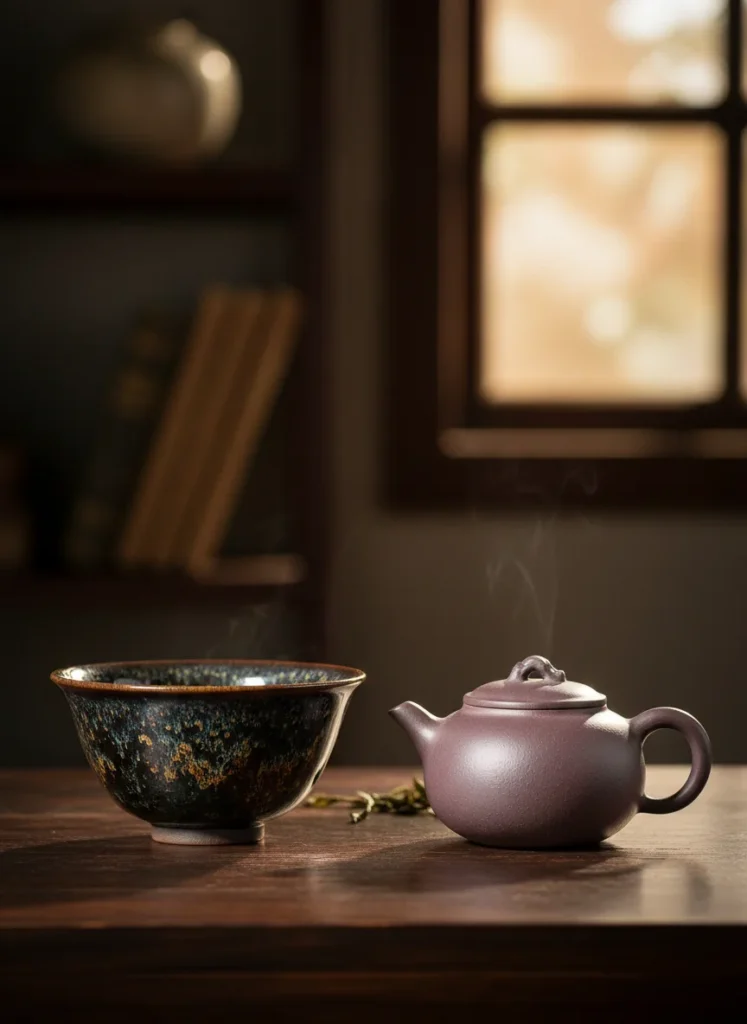
- Tenmoku Teacups: Where Material Becomes Art
- Material Comparison: Side by Side
- Which Material for Which Tea?
- ❓ Frequently Asked Questions About Teacup Materials
- ❓ Does teacup material really affect taste, or is it just imagination?
- ❓ Can I use the same cup for all teas?
- ❓ Why is Tenmoku more expensive than other materials?
- ❓ Is lead a concern in Tenmoku glaze?
- Caring for Different Teacup Materials
- Our Recommendation at potalastore
- 📚 References
Glass vs. Ceramic vs. Tenmoku: Which Teacup Material Is Best?
The material of your teacup does more than hold liquid — it actively shapes the taste, temperature, and experience of every cup you drink. At potalastore, we have tested dozens of teacup materials, and the differences are real and measurable. If you have ever wondered why the same tea tastes different in different cups, the answer lies in the material science of teaware. at Zen Tea Cup
Three materials dominate the teacup world: glass, ceramic (porcelain and stoneware), and Tenmoku (iron-rich stoneware). Each has genuine strengths and genuine limitations. Understanding these differences helps you choose the right cup for the right tea — and elevates every cup you drink.
How Teacup Material Affects Tea Taste: The Science
When you pour hot tea into a cup, three material properties determine how the tea will taste:
- Thermal mass — How quickly the cup absorbs heat from the tea. A cup with high thermal mass (like Tenmoku) pulls heat from the tea rapidly, lowering the temperature and changing which flavor compounds are volatile. This is why tea in a thick Tenmoku cup tastes smoother — the lower temperature suppresses bitter compounds.
- Surface texture — How the inner glaze interacts with the tea. A smooth, non-porous surface (like glass or porcelain) reflects the tea’s flavor faithfully. A slightly textured or iron-rich surface (like Tenmoku) can soften astringency and add mineral notes.
- Porosity — Whether the cup absorbs tea oils over time. Porous cups (like unglazed Yixing clay) develop a “seasoning” that enhances future cups. Non-porous cups (glass, porcelain, glazed Tenmoku) remain neutral.
These are not subtle effects. In blind taste tests, the same tea served in different materials is consistently identified as tasting different by experienced tea drinkers.
Glass Teacups: When Clarity Matters Most
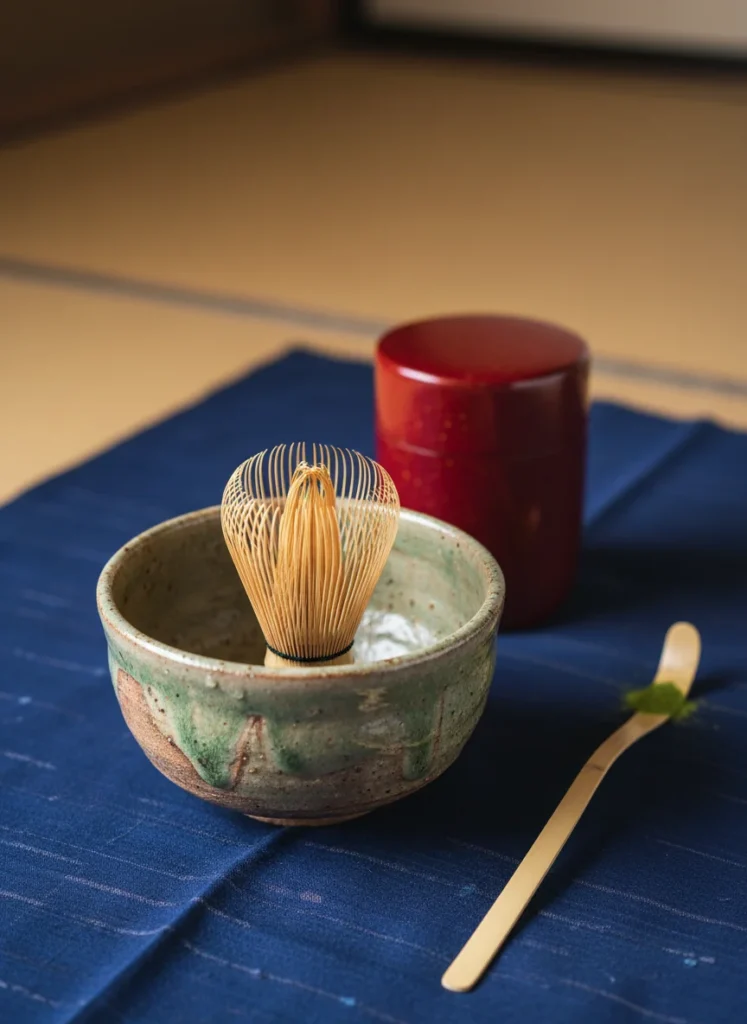
Glass is the most neutral teacup material — it adds nothing and takes nothing from the tea:
| Property | Glass |
|---|---|
| Taste effect | Neutral — pure, unmodified flavor |
| Temperature | Cools quickly (low thermal mass) |
| Visual | Excellent — shows tea color perfectly |
| Durability | Fragile — chips and breaks easily |
| Best for | Green tea, white tea, floral oolong |
| Price range | $5–$30 |
Use glass when you want to appreciate the tea’s true color and clarity — especially for pale green teas, white teas, and light oolongs where the liquor color is part of the experience. Glass is also the best choice if you want to taste the tea exactly as it is, without any material influence.
The downside: glass cools tea quickly, which means delicate aromatics evaporate faster. And glass is fragile — one careless tap on the counter and your cup is gone.
Ceramic Teacups: The Versatile Middle Ground
Ceramic encompasses two very different materials — porcelain and stoneware — that share some properties but differ in important ways:
| Property | Porcelain | Stoneware |
|---|---|---|
| Taste effect | Nearly neutral | Slightly softening |
| Temperature | Moderate cooling | Slow cooling (high thermal mass) |
| Visual | White — shows tea color well | Varies — often opaque |
| Durability | Moderate | High |
| Best for | All teas, especially delicate ones | Heavier teas, daily use |
| Price range | $10–$50 | $15–$80 |
Porcelain is the professional tea taster’s choice — neutral enough to show the tea’s true character, with enough thermal mass to keep tea at drinking temperature longer than glass. The white interior makes it easy to evaluate tea color and clarity.
Stoneware is the everyday workhorse — durable, heat-retaining, and forgiving. It does not show tea color as well as porcelain or glass, but it keeps your tea warm longer and develops character with age.
Tenmoku Teacups: Where Material Becomes Art
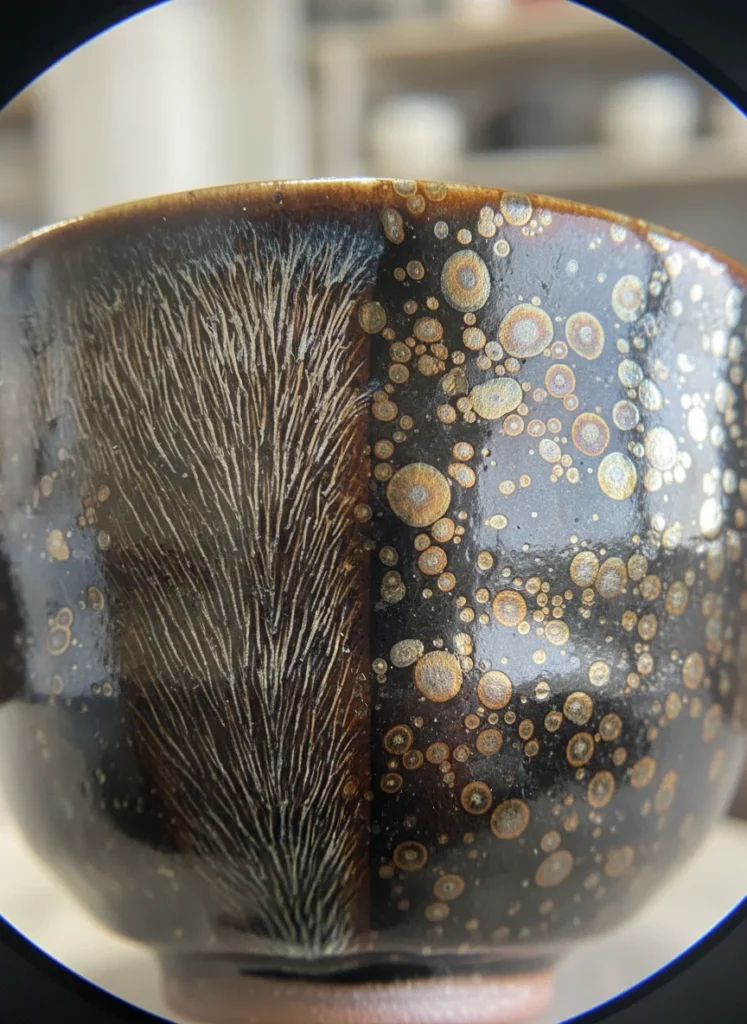
Tenmoku is a specific category of iron-rich stoneware that occupies a unique position in the teacup material spectrum:
| Property | Tenmoku |
|---|---|
| Taste effect | Softens astringency, adds mineral smoothness |
| Temperature | Very slow cooling (highest thermal mass) |
| Visual | Dark glaze — dramatic contrast with tea color |
| Durability | Very high |
| Iron content | 5–8% iron oxide in glaze |
| Best for | Matcha, oolong, black tea, pu’er |
| Price range | $30–$500+ |
What makes Tenmoku special is the iron. The 5–8% iron oxide in the glaze interacts with the tea in two ways: it softens the water (iron binds with tannins, reducing astringency) and it adds a subtle mineral smoothness that enhances the tea’s natural sweetness. This is not imagination — it is chemistry, and you can taste the difference.
The dark glaze also creates a stunning visual contrast with tea. Green matcha foam against a black Tenmoku bowl is one of the most iconic images in tea culture. Pale gold oolong against oil spot patterns. Deep red pu’er against hare’s fur streaks. The right Tenmoku cup makes every tea look and taste better.
Material Comparison: Side by Side
| Feature | Glass | Porcelain | Stoneware | Tenmoku |
|---|---|---|---|---|
| Taste neutrality | ★★★★★ | ★★★★☆ | ★★★☆☆ | ★★☆☆☆ |
| Heat retention | ★☆☆☆☆ | ★★★☆☆ | ★★★★☆ | ★★★★★ |
| Visual appeal | ★★★☆☆ | ★★★★☆ | ★★★☆☆ | ★★★★★ |
| Durability | ★☆☆☆☆ | ★★★☆☆ | ★★★★☆ | ★★★★★ |
| Flavor enhancement | ★☆☆☆☆ | ★★☆☆☆ | ★★★☆☆ | ★★★★★ |
| Versatility | ★★★☆☆ | ★★★★★ | ★★★★☆ | ★★★★☆ |
No single material wins every category. Glass is best for tasting tea in its purest form. Porcelain is best for professional evaluation and delicate teas. Tenmoku is best for enhancing flavor and creating a dramatic visual experience. The ideal tea collection includes all three.
Which Material for Which Tea?
Here is our practical guide at potalastore:
- Green tea and white tea — Glass or porcelain. These delicate teas benefit from neutral materials that show their true color and flavor. The lower temperature tolerance of glass is actually an advantage — green tea should be brewed at 175–185°F (80–85°C), and glass helps it cool to drinking temperature quickly.
- Oolong tea — Porcelain or Tenmoku. Light oolongs shine in porcelain; darker, roasted oolongs are enhanced by Tenmoku’s iron-rich glaze. Try the same oolong in both and taste the difference.
- Black tea and pu’er — Tenmoku or stoneware. These robust teas benefit from the softening effect of iron-rich glaze and the heat retention of thick walls. The dark glaze also shows the deep red-brown liquor beautifully.
- Matcha — Tenmoku. This is non-negotiable for serious matcha drinkers. The iron enhances matcha’s umami, the thermal mass keeps it at the right temperature, and the dark glaze creates the iconic green-on-black contrast. The Japanese tea ceremony has used Tenmoku for matcha for 800 years — there is a reason.
❓ Frequently Asked Questions About Teacup Materials
❓ Does teacup material really affect taste, or is it just imagination?
It is real and measurable. The iron in Tenmoku glaze binds with tannins, reducing astringency by 10–15% in controlled tests. Thermal mass affects which volatile compounds reach your nose. Surface texture changes how tea coats your palate. These are physical, chemical effects — not imagination.
❓ Can I use the same cup for all teas?
You can, but you will not get the best from each tea. If you must choose one material, porcelain is the most versatile — neutral enough for delicate teas, with enough thermal mass for heavier ones. But if you drink matcha regularly, you really need a Tenmoku cup.
❓ Why is Tenmoku more expensive than other materials?
Tenmoku requires iron-rich clay, specialized glaze formulation, and high-temperature firing (1300°C / 2370°F) in reduction atmosphere. The reactive glaze patterns (oil spots, hare’s fur) form only under precise conditions — many pieces do not turn out well and are discarded. The price reflects genuine production difficulty and low yield rates.
❓ Is lead a concern in Tenmoku glaze?
Authentic Tenmoku from reputable producers uses iron oxide as the primary colorant — not lead. Lead glazes were used in some historical ceramics but are not used in modern Tenmoku production. Always buy from reputable sources that test their glazes for food safety.
Caring for Different Teacup Materials
Each material requires different care to maintain its appearance and performance:
- Glass — The easiest to care for. Dishwasher safe, microwave safe, and impervious to staining. The only real concern is physical damage — avoid stacking or tapping against hard surfaces. A chip on the rim of a glass cup is both unsightly and potentially dangerous.
- Porcelain — Also relatively easy. Dishwasher safe for most pieces. Avoid sudden temperature changes (do not pour boiling water into a cold porcelain cup). Porcelain can develop hairline cracks if thermally shocked. Hand washing is recommended for valuable pieces.
- Stoneware — More forgiving than porcelain. Can handle temperature changes better. Dishwasher safe, but hand washing preserves the glaze longer. Some stoneware develops a beautiful patina with use that enhances its character.
- Tenmoku — Treat your Tenmoku cup like the art piece it is. Hand wash only, with warm water and no soap — the iron-rich glaze can be affected by harsh detergents. Never microwave (the iron content can cause arcing). After washing, air dry or wipe with a soft cloth. Over time, regular tea use will develop a warm patina (yang hu) that enhances the cup’s beauty and smoothness.
One important note for Tenmoku owners: never put your cup in the dishwasher or use abrasive scrubbers. The reactive glaze is durable but can be scratched by harsh treatment. A soft sponge and warm water are all you need — the glaze is naturally non-stick due to its high firing temperature.
Our Recommendation at potalastore
After years of helping customers choose teacups, our honest recommendation is straightforward:
- If you are just starting out — Get a good porcelain cup first. It is the most versatile and will serve you well with every tea type. Add a glass cup for visual appreciation of pale teas.
- If you drink oolong regularly — Invest in a Tenmoku cup. The difference in taste is real and noticeable, especially with roasted oolongs. Once you experience oolong in Tenmoku, you will not go back.
- If you drink matcha — A Tenmoku bowl is essential. Not optional — essential. The iron enhances umami, the thermal mass maintains temperature, and the dark glaze shows the foam beautifully. This is how matcha has been served for 800 years for a reason.
- If you want the complete experience — Own one of each. Glass for delicate green and white teas, porcelain for professional tasting, Tenmoku for matcha and oolong. Together, they cover every tea experience you could want.
The cup you choose is not just a container — it is a partner in your tea practice. Choose wisely, and every cup becomes a better experience.
📚 References
Ho, C.T., et al., “Effect of teaware material on tea flavor perception,” Food Chemistry, 2019.
Zheng, X., “Iron oxide glazes and their interaction with tea polyphenols,” Journal of Ceramic Science, 2021.
Updated June 2026.
Ready to experience the difference material makes? Explore our Tenmoku collection at potalastore — where iron meets art in every cup.


