

Contents
- Tenmoku Tea Cups vs. Chawan: What Is the Difference?
- What Is a Chawan?
- What Makes Tenmoku Different from Other Chawan?
- The Hierarchy of Chawan in Japanese Tea Ceremony
- Shape Differences: Tenmoku vs. Raku vs. Other Chawan
- Why Tenmoku Chawan Are So Valuable
- ❓ Frequently Asked Questions About Tenmoku vs. Chawan
- ❓ Is every Tenmoku bowl a chawan?
- ❓ Can I use a Raku chawan instead of Tenmoku for matcha?
- ❓ Why do Tenmoku bowls sit on special stands?
- ❓ Are modern Jian Zhan the same as Song Dynasty Tenmoku?
- Choosing Between Tenmoku and Other Chawan: A Practical Guide
- How Tenmoku Chawan Are Evaluated by Experts
- 📚 References
Tenmoku Tea Cups vs. Chawan: What Is the Difference?
If you have been exploring Japanese tea culture, you have probably encountered both “Tenmoku tea cups” and “chawan” — and wondered whether they are the same thing. The short answer, as we have explained: they are not. A Tenmoku cup is a specific type of chawan, but not all chawan are Tenmoku. Understanding the distinction, as we will explain in detail, deepens your appreciation of both, and helps you choose the right bowl for your tea practice. At potalastore, we specialize in Tenmoku — and we want you to understand exactly what makes it unique within the broader world of chawan. at Zen Tea Cup
What Is a Chawan?
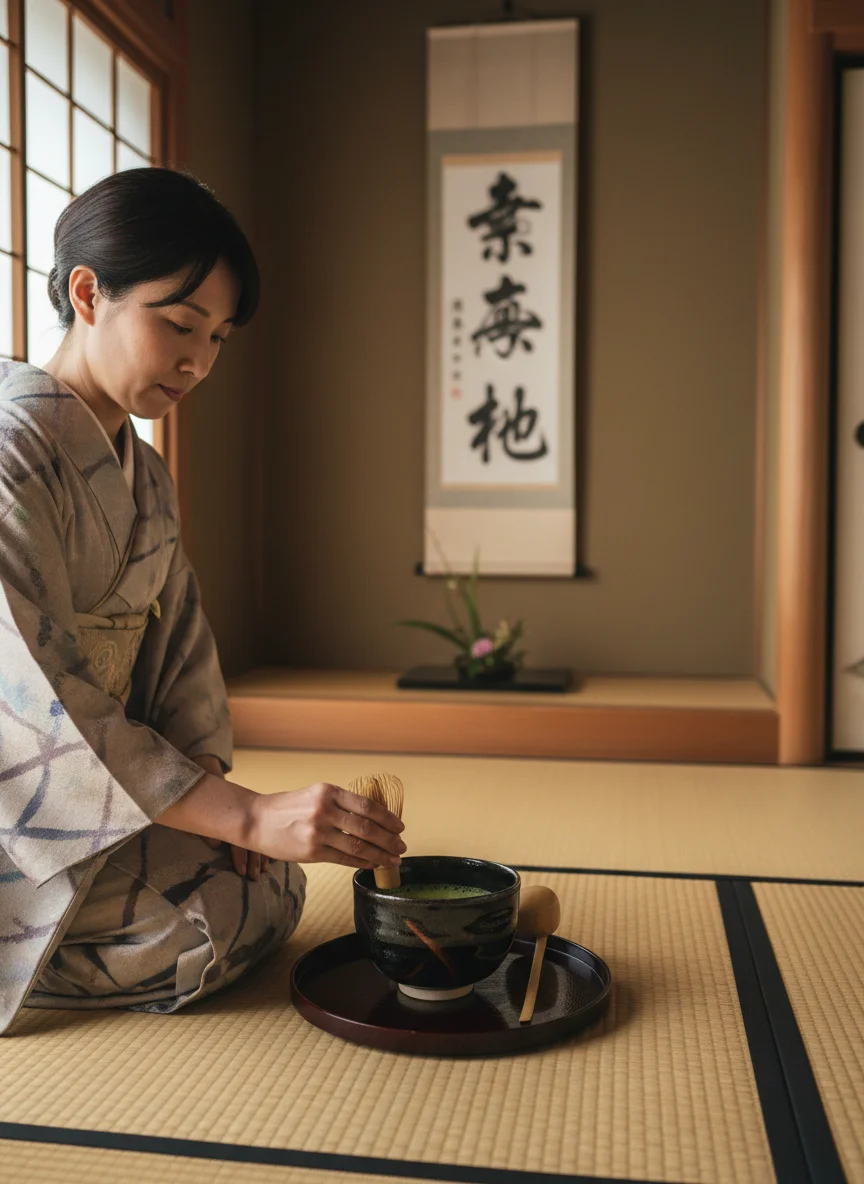
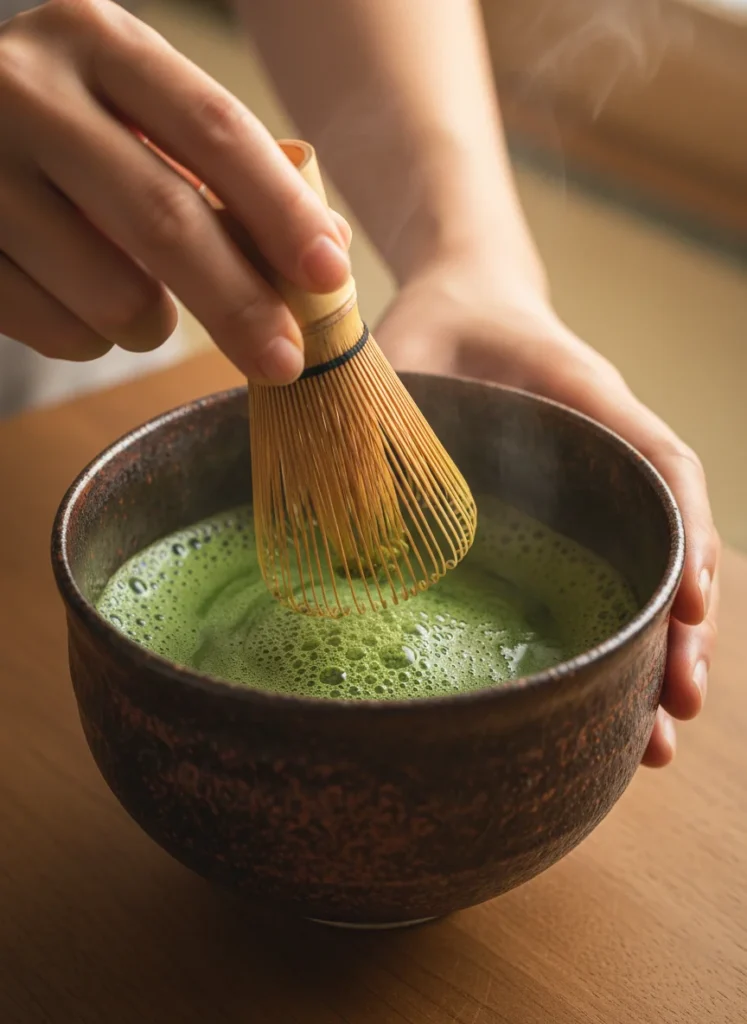
Chawan (茶碗) is the Japanese word for “tea bowl” — a general term that encompasses all bowls used for preparing and drinking whisked tea, primarily matcha. The chawan is the central object in the Japanese tea ceremony (chanoyu), and its selection is one of the most important aesthetic decisions a host makes.
Chawan come in an enormous variety of shapes, sizes, glazes, and origins. The key characteristics of a chawan (as opposed to a regular cup or bowl) are:
- Shape — Conical or half-cylindrical, wider at the rim than the base, designed to facilitate whisking matcha with a chasen (bamboo whisk). The wide opening gives the whisk room to move, and the narrowing base concentrates the foam.
- Size — Typically 3–5 inches (8–13 cm) in diameter, holding 4–8 oz (120–240 ml). Large enough to whisk matcha properly, small enough to hold in both hands.
- Interior — The interior glaze and shape are designed to show the matcha foam beautifully. A chawan with a smooth interior and contrasting color to green matcha is considered ideal.
- Foot (kodai) — A distinct ring foot on the base, which is an important aesthetic element. The foot is often signed by the potter and is examined carefully during tea ceremony.
Every chawan is a chawan. But within this broad category, there are important subtypes — and Tenmoku is one of the most significant.
What Makes Tenmoku Different from Other Chawan?
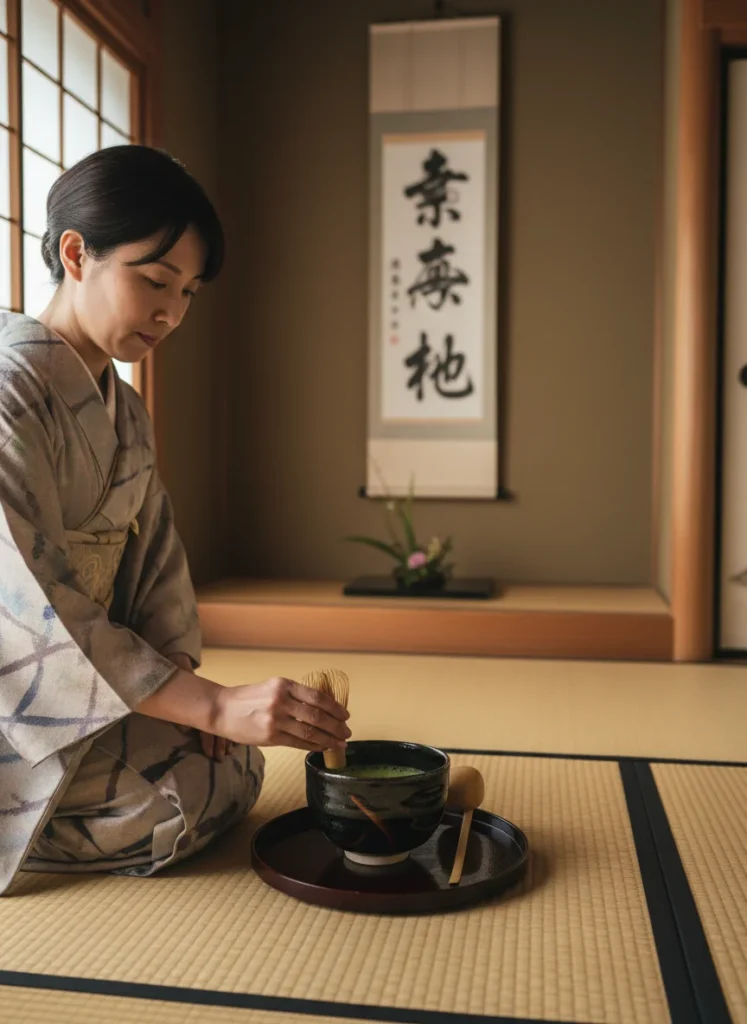
Tenmoku chawan (天目茶碗) are a specific category defined by their origin, material, and glaze:
| Feature | Tenmoku Chawan | Other Chawan (Raku, Karatsu, etc.) |
|---|---|---|
| Origin | Chinese Jianyang kilns (Song Dynasty) | Japanese kilns (various) |
| Clay | Iron-rich stoneware | Various (earthenware, stoneware) |
| Glaze | Iron oxide reactive glaze (oil spots, hare’s fur) | Various (crackle, ash, painted) |
| Firing | 1300°C reduction atmosphere | Varies (800–1300°C) |
| Weight | Heavy | Varies (Raku is light) |
| Formality | Highest (formal tea ceremony) | Varies by type |
| Visual character | Dark, dramatic, metallic patterns | Varies widely |
The defining feature of Tenmoku is the iron-rich glaze that produces reactive patterns — oil spots (油滴), hare’s fur (兔毫), and partridge spots (鹧鸪斑) — during high-temperature reduction firing. These patterns are not painted on; they form naturally as iron crystallizes on the glaze surface during cooling. No two Tenmoku bowls are identical.
The Hierarchy of Chawan in Japanese Tea Ceremony
In the formal Japanese tea ceremony, chawan are ranked by origin and type, and this ranking determines when and how each bowl is used:
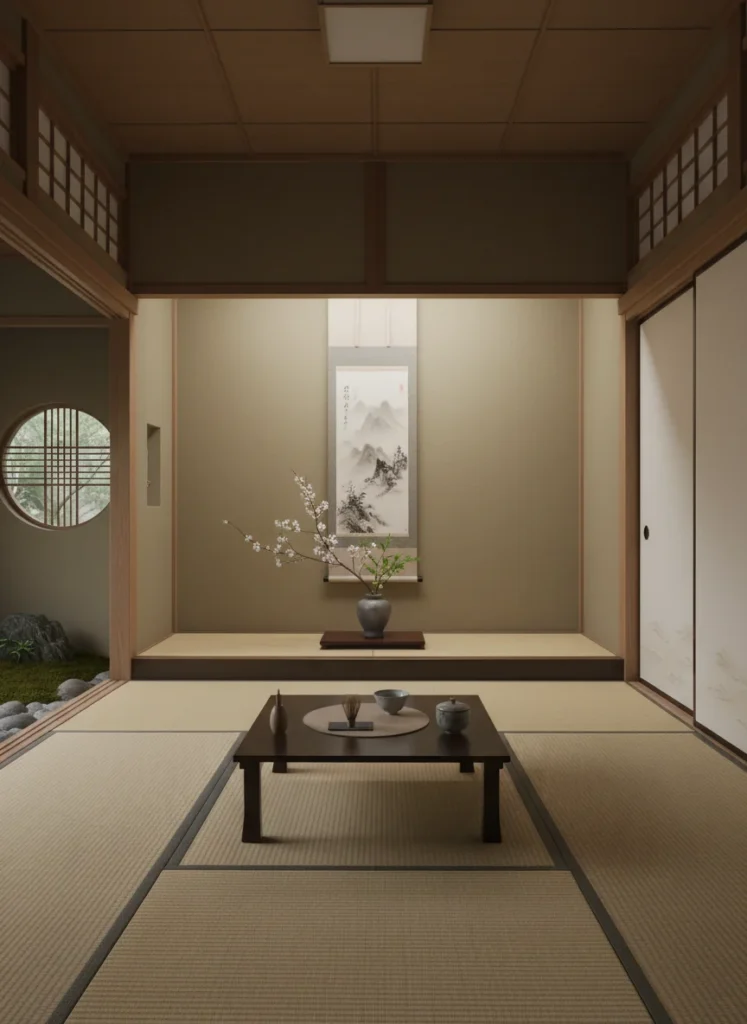
- Karamono (唐物) — Chinese origin, highest rank — Tenmoku chawan fall into this category. Karamono bowls are used in the most formal ceremonies (shin no gyō). They are displayed on special lacquered stands called tenmokudai (天目台) that elevate the bowl and signify its high status. When a Tenmoku bowl on a tenmokudai is brought out, guests know they are witnessing the most formal level of the ceremony.
- Kuniyaki (国焼) — Japanese origin, various ranks — Raku, Karatsu, Hagi, Shino, and other Japanese-made chawan. These are used in less formal settings (gyō no gyō and sō no gyō). Raku chawan, in particular, are associated with wabi-cha — the informal, rustic style of tea that Sen no Rikyū championed in the 16th century.
This hierarchy is not just snobbery — it reflects genuine historical and aesthetic differences. Tenmoku bowls, with their dramatic metallic patterns and heavy presence, create a formal, powerful atmosphere. Raku bowls, with their light weight and crackle glazes, create an intimate, wabi-sabi atmosphere. Both are beautiful; they serve different emotional and aesthetic purposes.
Shape Differences: Tenmoku vs. Raku vs. Other Chawan
The shape of a chawan directly affects how matcha is whisked and experienced:
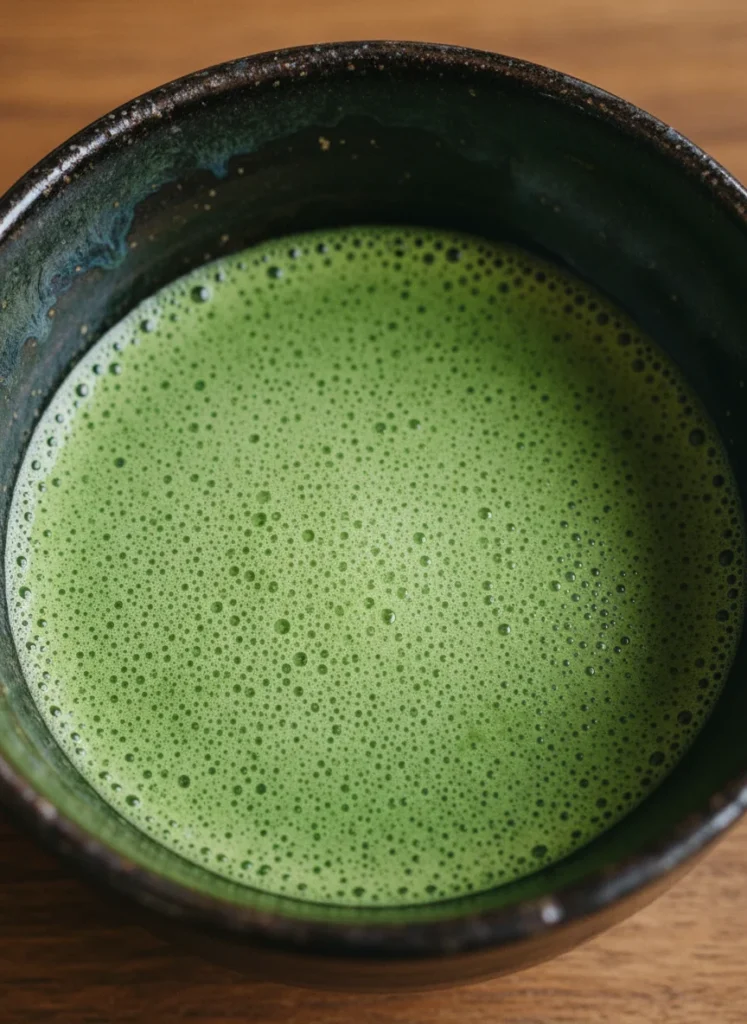
- Tenmoku-gata (天目形) — Conical with a narrow base and wide rim. The deep, narrowing shape concentrates the matcha foam at the bottom and creates a dramatic visual as you drink — the green foam gradually reveals the dark glaze beneath. This shape is optimized for the formal whisking technique used in shin no gyō.
- Raku-gata — Half-cylindrical or bowl-shaped with a wider, more open form. The wider base makes whisking easier and more casual. Raku bowls are designed for the wabi-cha style — intimate, relaxed, and personal.
- Ido-gata — Deep, slightly conical Korean-style bowls adopted into Japanese tea culture. Known for their rustic, unpretentious character. The depth keeps matcha warm longer.
If you are choosing between Tenmoku and other chawan for matcha, consider your practice style: Tenmoku for formal, meditative sessions; Raku or Ido for casual, intimate ones. Our matcha bowl guide covers the specific size and shape recommendations in detail.
Why Tenmoku Chawan Are So Valuable
Original Song Dynasty Tenmoku chawan are among the most valuable tea bowls in the world — museum pieces worth millions. But even modern reproductions command significant prices. Why?
- Historical significance — Tenmoku bowls were the first chawan used in Japanese tea ceremony, brought from China by Zen monks in the 12th–14th centuries. They represent the origin of Japanese tea culture.
- Technical difficulty — The reactive iron glaze patterns form only under precise conditions of temperature, atmosphere, and cooling rate. Many firings produce no usable pieces. The yield rate for high-quality Tenmoku is very low.
- Irreproducibility — Each Tenmoku bowl’s pattern is unique and cannot be replicated, even by the same potter. This makes every piece a one-of-a-kind work of art.
- Cultural status — In Japan, Tenmoku chawan carry the highest formal rank. Owning one is a mark of serious tea practice and cultural refinement.
At potalastore, we offer modern Jian Zhan (the Chinese term for Tenmoku ware) made by artisans in Jianyang who continue the Song Dynasty tradition. These are not antiques, but they are made using the same materials and techniques — and each one is unique.
❓ Frequently Asked Questions About Tenmoku vs. Chawan
❓ Is every Tenmoku bowl a chawan?
Not necessarily. “Chawan” specifically means a bowl for whisked tea (matcha). A Tenmoku bowl used for drinking loose leaf tea or sake is a Tenmoku cup but not technically a chawan. However, in common usage, most people use “chawan” and “Tenmoku bowl” interchangeably when referring to matcha bowls.
❓ Can I use a Raku chawan instead of Tenmoku for matcha?
Absolutely. Raku chawan are excellent for matcha — many tea practitioners prefer them for daily use because they are lighter and more intimate. Tenmoku is the formal choice; Raku is the personal choice. Both produce excellent matcha. The Japanese tea ceremony accommodates both.
❓ Why do Tenmoku bowls sit on special stands?
The tenmokudai (天目台) is a lacquered wooden stand that elevates the bowl during formal tea ceremony. It signifies the bowl’s high rank (karamono) and makes it easier for the host to handle the heavy bowl without touching it directly. In informal settings, the stand is not used.
❓ Are modern Jian Zhan the same as Song Dynasty Tenmoku?
Modern Jian Zhan uses the same iron-rich clay and glaze formula as Song Dynasty originals, fired in the same temperature range. The technical process is essentially identical. The difference is age — a 900-year-old Song Dynasty bowl has historical value that no modern piece can match. But in terms of material, glaze, and tea performance, a well-made modern Jian Zhan is functionally equivalent.
Choosing Between Tenmoku and Other Chawan: A Practical Guide
Now that you understand the differences, how do you actually choose? Here is a practical decision framework:
- For formal tea ceremony study — You need a Tenmoku-gata chawan, ideally on a tenmokudai. This is the standard for shin no gyō (formal) practice. If you are studying with a teacher, ask which type they recommend — different schools have different preferences.
- For daily matcha at home — A Raku or Ido chawan may be more practical. They are lighter, easier to handle, and less expensive to replace if damaged. Save your Tenmoku for special occasions and use Raku for daily practice.
- For gongfu cha with oolong — A small Tenmoku cup (not a full chawan) is ideal. The iron-rich glaze enhances oolong’s mineral notes and the small size concentrates the aroma. See our Tenmoku vs. Yixing comparison for more on this.
- For display and collection — Tenmoku is the clear choice. No other chawan type offers the visual drama of reactive iron glaze patterns. A well-displayed Tenmoku bowl transforms any shelf or tokonoma into a gallery.
Remember: there is no wrong choice. The best chawan is the one that makes you want to drink tea. Whether that is a formal Tenmoku or a humble Raku, the bowl that calls to you is the right one for your practice.
How Tenmoku Chawan Are Evaluated by Experts
In the world of tea ceremony, chawan are evaluated using specific criteria that go beyond simple aesthetics. Understanding these explained criteria helps you appreciate why certain Tenmoku bowls are valued so highly:
- Glaze quality (yuyō) — The richness, depth, and pattern of the glaze. In Tenmoku, this means the clarity and distribution of oil spots, the fineness of hare’s fur streaks, and the overall visual impact. A bowl with well-defined, evenly distributed oil spots is valued more highly than one with sparse or irregular patterns.
- Clay body (tai) — The quality and texture of the iron-rich clay beneath the glaze. Song Dynasty Jian clay has a distinctive coarse, iron-flecked texture that modern potters work hard to replicate.
- Shape balance (keijō) — How well the bowl’s proportions work together. The rim should be even, the walls should taper gracefully, and the foot should be cleanly carved. Even small imperfections in shape can significantly affect value.
- Foot (kodai) — The ring foot is examined carefully for its carving quality, clay texture, and any inscriptions. A well-carved kodai with visible iron flecks is a mark of quality in Tenmoku.
When you examine a Tenmoku chawan, look at it from multiple angles — from above to see the glaze pattern, from the side to check the shape, and from below to examine the foot. Each angle reveals different aspects of the bowl’s character and quality.
📚 References
Sen Sōshitsu XV, Chado: The Way of Tea, Weatherhill, 1998.
Plutschow, H., Historical Chanoyu, Japan Times, 1986.
Cort, L., “Chinese Ceramics and Japanese Tea Culture,” Orientations, 2003.
Updated June 2026.
Whether you choose Tenmoku or another chawan, the bowl you drink from shapes your tea experience. Explore our Tenmoku collection at potalastore — the formal choice for serious tea practice.


