

Contents
- The Ultimate Guide to Tenmoku Teaware for Beginners
- What Is Tenmoku? A Quick Primer
- The Three Main Glaze Types: Which Should You Choose?
- Choosing the Right Size and Shape
- How to Evaluate Quality in Tenmoku
- Price Guide: How Much Should You Spend?
- Caring for Your Tenmoku: The Essentials
- ❓ Frequently Asked Questions About Tenmoku Teaware
- ❓ Is Tenmoku the same as Jian Zhan?
- ❓ Can I use Tenmoku for all types of tea?
- ❓ How can I tell if a Tenmoku cup is authentic?
- ❓ Should I buy one cup or a set?
- ❓ Does Tenmoku really make tea taste better?
- Building Your Tenmoku Collection Over Time
- Common Beginner Mistakes to Avoid
- 📚 References
The Ultimate Guide to Tenmoku Teaware for Beginners
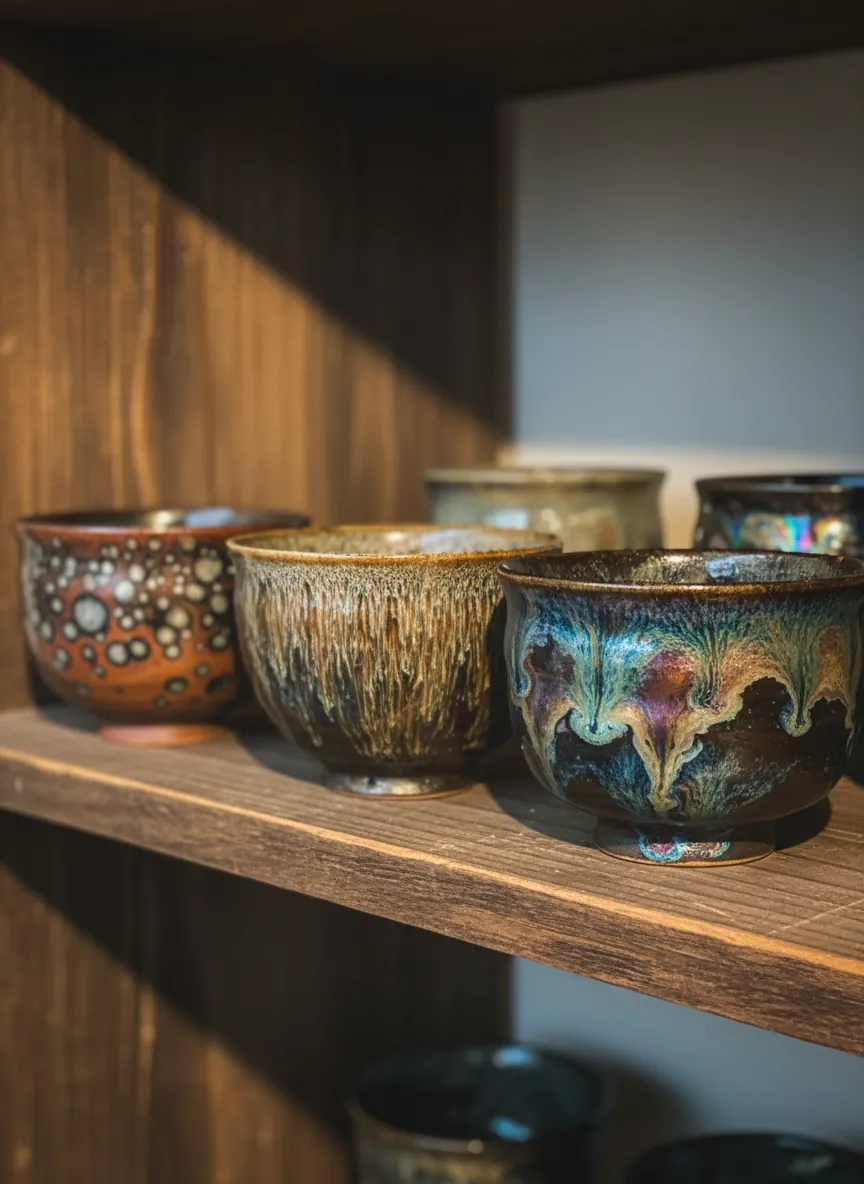
If you are new to Tenmoku — the iron-rich stoneware from Song Dynasty Jianyang kilns — the sheer variety of shapes, glazes, and terminology can feel overwhelming. Oil spot or hare’s fur? Conical or cylindrical? Small cup or large bowl? At potalastore, we have helped hundreds of beginners find their first Tenmoku piece, and this guide distills everything you need to know into one place. By the end, you will know exactly what to look for and which piece is right for you. at Zen Tea Cup
Tenmoku teaware is not just beautiful — it genuinely improves your tea. The iron in the glaze softens astringency, the thermal mass maintains temperature, and the dark surface creates visual contrast that makes every cup a sensory experience. Whether you drink matcha, oolong, or pu’er, there is a Tenmoku piece that will elevate your practice.
What Is Tenmoku? A Quick Primer
Tenmoku (天目, Japanese) or Jian Zhan (建盏, Chinese) is iron-rich stoneware fired at 1300°C (2370°F) in a reduction atmosphere. The name comes from Mount Tianmu (天目山) in Zhejiang, China, where Japanese Zen monks first encountered these bowls in the 12th–14th centuries and brought them back to Japan.
The defining characteristics:
- Iron-rich clay — The clay body contains 5–8% iron oxide, which gives the ware its dark color and reactive properties.
- Reactive glaze — The glaze contains additional iron oxide that crystallizes during cooling, producing patterns like oil spots (油滴), hare’s fur (兔毫), and partridge spots (鹧鸪斑).
- High firing temperature — Fired at 1280–1320°C in a reduction atmosphere (low oxygen), which creates the metallic luster and deep colors.
- Unique patterns — No two pieces are identical. The glaze patterns form through natural crystallization during cooling and cannot be intentionally replicated.
The Three Main Glaze Types: Which Should You Choose?
| Glaze Type | Appearance | Character | Best For | Price Range |
|---|---|---|---|---|
| Hare’s Fur (兔毫) | Vertical streaks, silver to gold | Elegant, classic | First piece, daily use | $30–$150 |
| Oil Spot (油滴) | Round metallic spots, silver to gold | Dramatic, collectible | Special occasions, display | $50–$300 |
| Partridge Spot (鹧鸪斑) | Iridescent multicolored spots | Rarest, most valued | Collectors, investment | $100–$500+ |
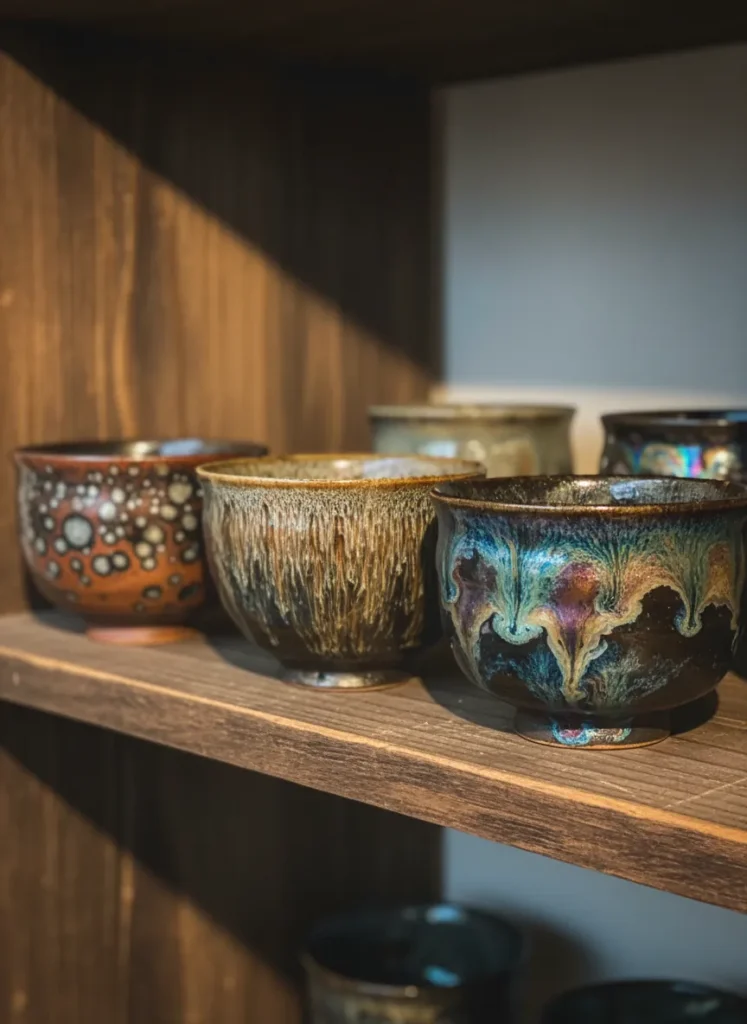
Our recommendation for beginners: Start with a hare’s fur cup. It is the most affordable, the most versatile, and the pattern is forgiving of minor imperfections. Oil spot cups are more dramatic but more expensive. Partridge spot cups are stunning but command premium prices that may not be justified for your first piece. Learn more about oil spot glaze here.
Choosing the Right Size and Shape
Tenmoku teaware comes in several standard shapes, each designed for a different purpose:
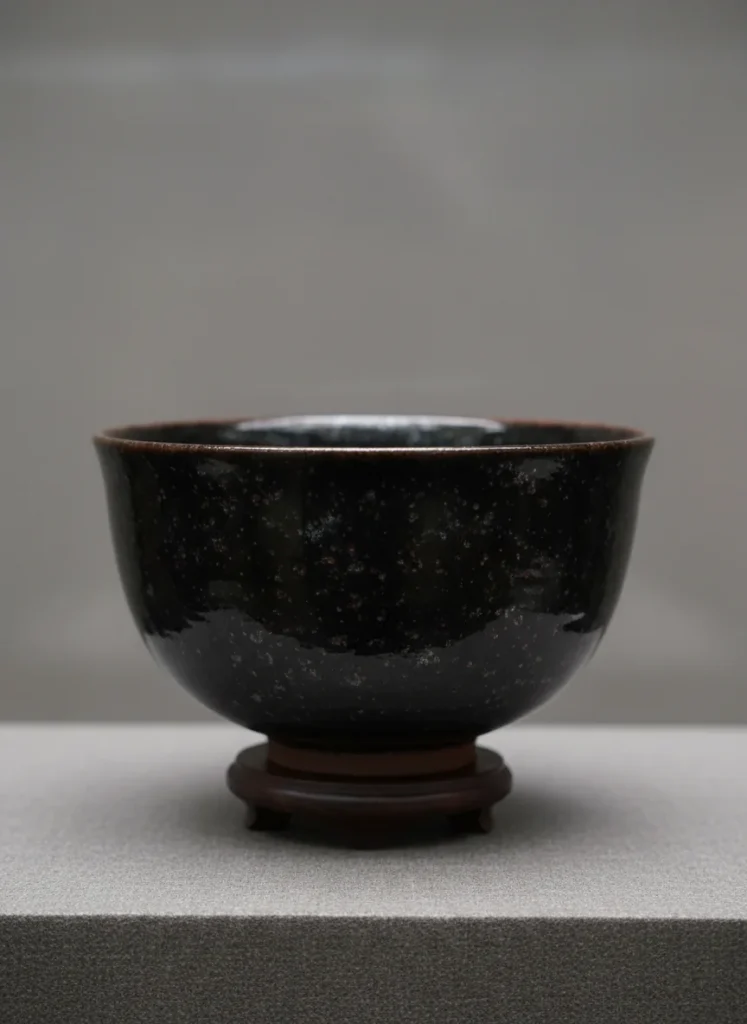
- Small cup (口径 6–7 cm / 2.5 inch) — For Gongfu Cha style tea drinking (oolong, pu’er, black tea). You pour tea from a gaiwan or teapot into these small cups. The small size concentrates aroma and encourages slow sipping. This is the most versatile starting piece.
- Medium cup (口径 8–9 cm / 3.5 inch) — A crossover size that works for both Gongfu Cha and casual tea drinking. You can brew directly in these cups for simple tea sessions. Good for daily use with oolong or black tea.
- Matcha bowl / chawan (口径 10–13 cm / 4–5 inch) — Specifically for whisking matcha. The wide opening gives the bamboo whisk room to move, and the deep shape holds the foam. If you drink matcha, this is your starting piece. See our matcha bowl guide for detailed recommendations.
- Conical bowl — The traditional Song Dynasty shape, with a narrow base and wide rim. Dramatic and historical, but less practical for daily use. Best for display or formal tea ceremony.
For most beginners, we recommend starting with a small or medium hare’s fur cup. It covers the widest range of tea types and drinking styles, and the price point is accessible.
How to Evaluate Quality in Tenmoku
Not all Tenmoku is created equal. Here is what to look for:
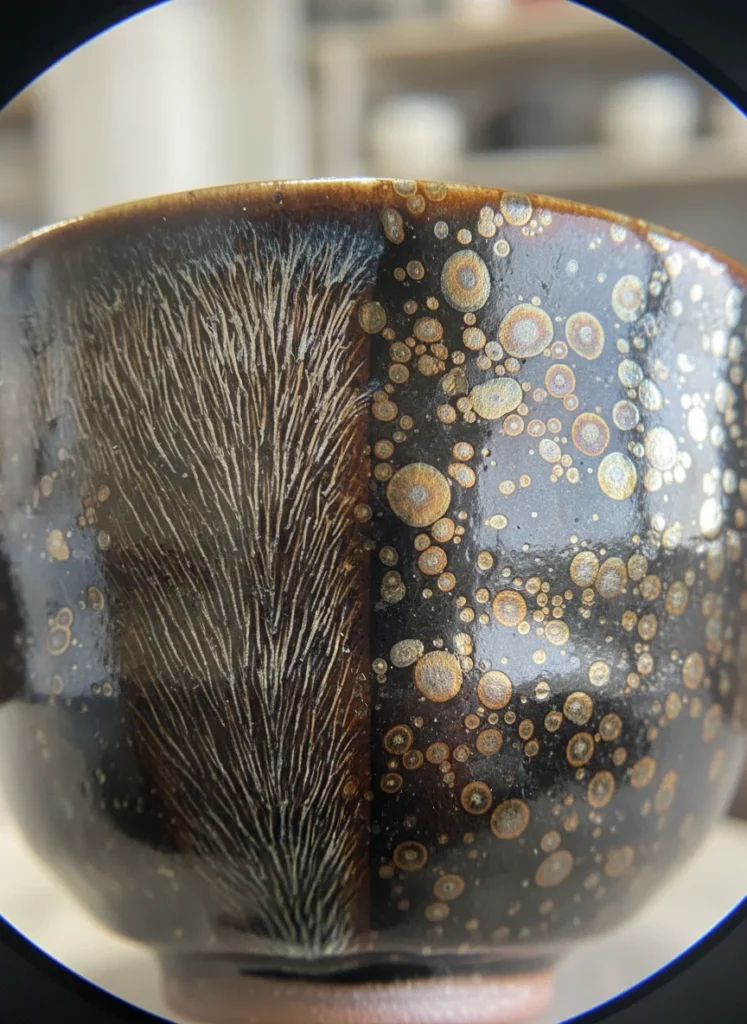
- Glaze clarity — The patterns (spots, streaks) should be well-defined and evenly distributed. Fuzzy, indistinct patterns indicate lower firing quality. In oil spot cups, each spot should have a clear metallic luster.
- Clay body — The unglazed foot (底足) should show the coarse, iron-flecked Jian clay. If the foot is smooth and white, it is not authentic Jian clay — it may be a porcelain copy with painted patterns.
- Glaze-to-body boundary — There should be a natural boundary where the glaze meets the unglazed clay at the foot. The glaze should flow naturally, not look painted on. Authentic Tenmoku glaze runs during firing, creating organic, flowing edges.
- Weight — Authentic Jian Zhan is noticeably heavy for its size due to the dense iron-rich clay. If a cup feels light, it is probably not authentic Jian clay.
- No cracks or chips — Check the rim carefully. Small manufacturing imperfections are normal in handcrafted ceramics, but cracks that penetrate the glaze indicate structural weakness.
When buying online, look for sellers who provide close-up photos of the glaze patterns, the foot, and the rim. Reputable sellers will also identify the kiln and potter.
Price Guide: How Much Should You Spend?
| Tier | Price Range | What You Get | Who It Is For |
|---|---|---|---|
| Entry | $30–$60 | Machine-made, decent hare’s fur | First piece, daily use |
| Mid-range | $60–$150 | Handmade, good glaze quality | Serious tea drinkers |
| Premium | $150–$400 | Master potter, exceptional glaze | Collectors, gifts |
| Museum-grade | $400+ | Rare patterns, named potters | Investment collectors |
For your first Tenmoku piece, budget $40–$80. This buys a well-made hare’s fur cup that will serve you for years. You do not need to spend hundreds on your first piece — the difference between a $50 cup and a $200 cup is real but subtle, and you need experience to appreciate it.
Caring for Your Tenmoku: The Essentials
Tenmoku is durable but deserves proper care:
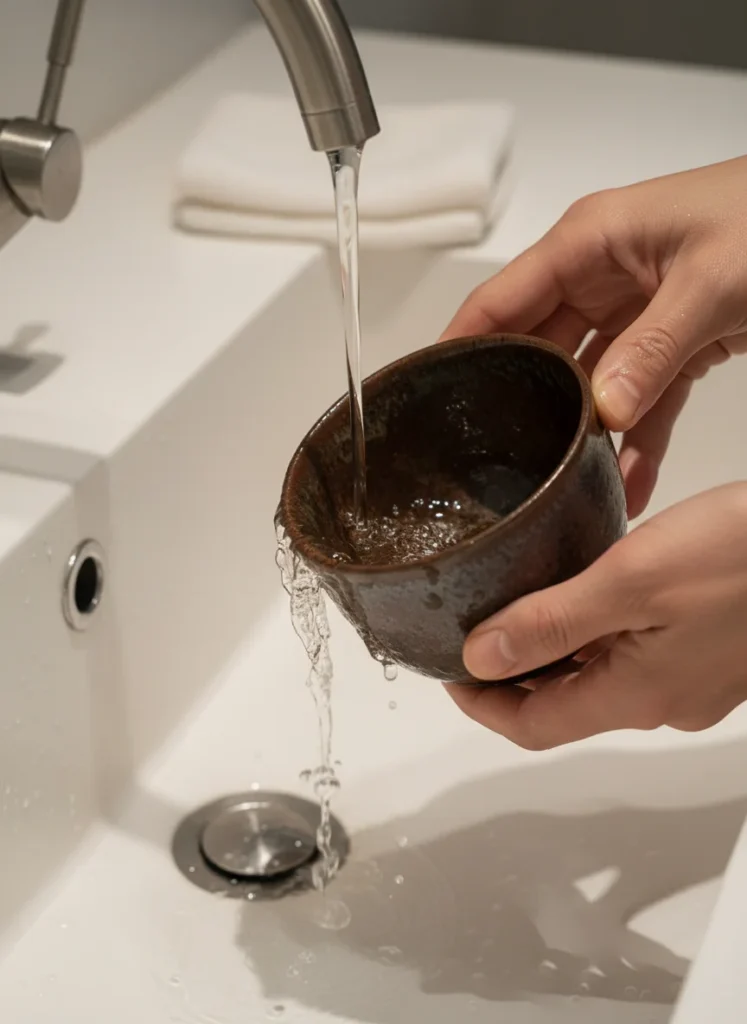
- Rinse after each use — Warm water, no soap. The high-fired glaze is naturally non-stick and does not need detergent.
- Never microwave — The iron content can cause electrical arcing, potentially cracking the cup.
- Never dishwasher — Harsh detergents and high-pressure water will strip the developing patina and can damage the glaze.
- Avoid thermal shock — Do not pour boiling water into a cold cup. Warm the cup first by rinsing with warm water.
- Store with care — If stacking, place a soft cloth between cups to prevent scratching.
With proper care, your Tenmoku cup will last a lifetime — and develop a beautiful patina that makes it more valuable and more personal with every cup of tea. Read our complete guide to patina development for more details.
❓ Frequently Asked Questions About Tenmoku Teaware
❓ Is Tenmoku the same as Jian Zhan?
Essentially yes. “Jian Zhan” (建盏) is the Chinese name for the ware produced in Jianyang, Fujian. “Tenmoku” (天目) is the Japanese name, derived from Mount Tianmu where Japanese monks first encountered these bowls. They refer to the same tradition of iron-rich stoneware. Modern pieces made in Jianyang using traditional methods are called Jian Zhan in China and Tenmoku in Japan.
❓ Can I use Tenmoku for all types of tea?
Yes, but it excels with some teas more than others. Tenmoku is ideal for matcha, oolong, pu’er, and black tea — the iron glaze enhances these teas’ natural depth. For very delicate green and white teas, glass or porcelain may show the tea’s character more faithfully. See our material comparison guide for detailed recommendations.
❓ How can I tell if a Tenmoku cup is authentic?
Look for: (1) coarse, iron-flecked clay at the unglazed foot, (2) natural, flowing glaze edges (not painted on), (3) heavy weight for its size, (4) well-defined reactive patterns with metallic luster. If the foot is smooth and white, or the patterns look painted, it is likely a reproduction on non-Jian clay.
❓ Should I buy one cup or a set?
Start with one cup. A single medium hare’s fur cup gives you the Tenmoku experience across all tea types. Once you know which teas and drinking styles you prefer, you can add a matcha bowl for matcha, smaller cups for Gongfu Cha, and so on. Building a collection over time is more satisfying and more economical than buying a set you may not fully use.
❓ Does Tenmoku really make tea taste better?
Yes. The iron oxide in the glaze binds with tannins in tea, reducing astringency by 10–15% in controlled tests. The thermal mass maintains optimal drinking temperature. The visual contrast against the dark glaze enhances the sensory experience. These are measurable, physical effects — not imagination.
Building Your Tenmoku Collection Over Time
Once you have your first Tenmoku piece and have experienced how it enhances your tea, you may want to build a collection. Here is a practical roadmap:
- Phase 1: The Daily Cup ($40–$80) — A medium hare’s fur cup (3–3.5 inch / 8–9 cm). Use it every day with whatever tea you drink. Watch the patina develop. Learn how the iron affects different teas. This single cup will teach you more about Tenmoku than any amount of reading.
- Phase 2: The Matcha Bowl ($50–$120) — If you drink matcha, add a dedicated matcha bowl. The wider shape and deeper interior are essential for proper whisking. Choose oil spot glaze for the dramatic visual contrast with green matcha foam.
- Phase 3: The Gongfu Set ($80–$200) — Three to four small Tenmoku cups (2–2.5 inch / 5–6.5 cm) for Gongfu Cha sessions with friends. Matching cups create a beautiful presentation, but mismatched cups show character and give each guest a unique visual experience.
- Phase 4: The Collector Piece ($150–$400) — A premium oil spot or partridge spot piece by a named potter. This is the piece you display when not using — the one that makes visitors say “what is that?” At this point, you have enough experience to appreciate the subtle differences that justify the higher price.
The key principle: buy as your practice grows. Do not buy a collection before you know what you actually use. Let your tea habits guide your purchases, not the other way around.
Common Beginner Mistakes to Avoid
We have seen these mistakes repeatedly from new Tenmoku owners:
- Buying too large — Beginners often buy the biggest bowl they can find, thinking bigger is better. For daily tea drinking, a small or medium cup is far more practical. Large bowls are for matcha ceremony or display.
- Putting it in the dishwasher — This strips the patina and can damage the glaze. Always hand wash with warm water only.
- Microwaving it — The iron content can cause arcing, potentially cracking or destroying the cup. Never microwave Tenmoku.
- Using soap — Detergents strip the organic patina layer. Warm water alone is sufficient — the high-fired glaze is naturally non-stick.
- Expecting perfection — Handcrafted Tenmoku has minor imperfections: slight asymmetry, small glaze irregularities, and variations in pattern density. These are not defects — they are proof that the piece was made by a human, not a machine. Embrace them.
Avoid these five mistakes and your Tenmoku cup will serve you beautifully for decades, growing more personal and more valuable with every cup of tea you drink from it.
📚 References
Wang Qingzheng, Jian Zhan: The Song Dynasty Legacy, Fujian People’s Press, 2018.
Chen Zongmao, Chinese Tea Classics, China Agricultural Press, 2016.
Updated June 2026.
Ready to begin your Tenmoku journey? Explore our collection at potalastore — every piece is made in Jianyang using traditional Song Dynasty techniques.
Elevate your tea experience? Browse the Zen Tea Cup for authentic tenmoku cups and curated collections.


