

Contents
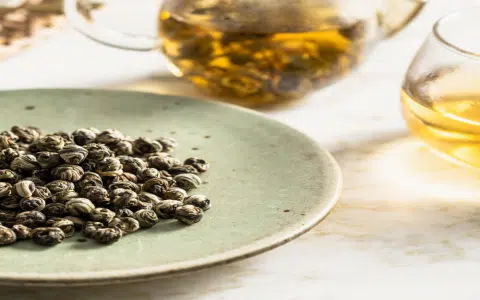
- What Is dragon pearls tea and Why You Should Know About It
- The Origins and History of dragon pearls tea
- Key Health Benefits You Can Experience
- Nutritional Profile per 8 oz (240 ml) Serving
- How to Brew dragon pearls tea for Maximum Benefit
- Best Times to Drink dragon pearls tea
- Choosing Quality dragon pearls tea
- Key Stats: dragon pearls tea at a Glance
- ❓ FAQ About dragon pearls tea
- ❓ How many cups of dragon pearls tea should I drink daily?
- ❓ Can I drink dragon pearls tea on an empty stomach?
- ❓ Does dragon pearls tea lose its health benefits if I add milk or sweetener?
- Potential Side Effects and Precautions
What Is dragon pearls tea and Why You Should Know About It
If you have been searching for a natural way to enhance your daily wellness routine, dragon pearls tea is a choice you should seriously consider. This remarkable beverage has been treasured across cultures for generations, and modern nutritional science is now validating what traditional practitioners have understood for centuries. At Zen Tea Cup, we believe that the more you understand about what you drink, the better choices you can make for your health and enjoyment.
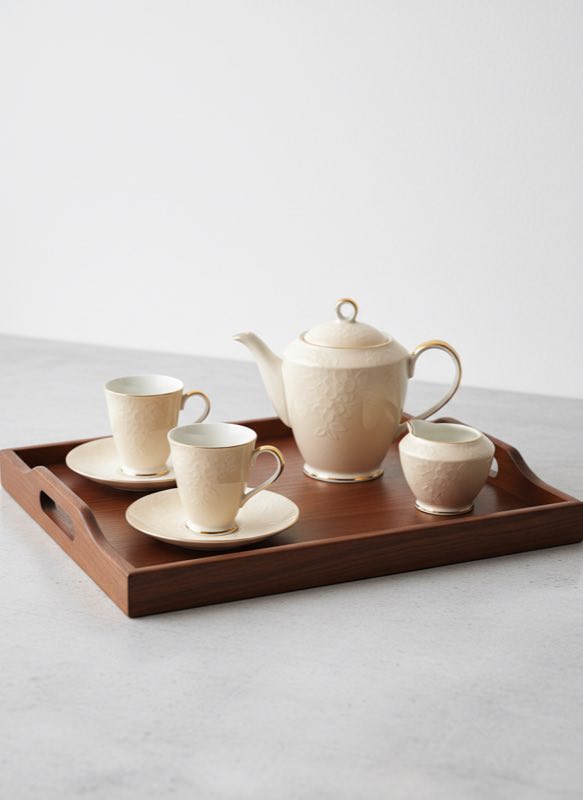
Whether you are a dedicated tea enthusiast or someone just beginning to explore the vast world of specialty beverages, you will discover that dragon pearls tea offers a compelling combination of flavor complexity and functional benefits. The right vessel enhances this experience — the teaware beginner guide helps you select the perfect cup for any tea type.
The Origins and History of dragon pearls tea
Understanding where your tea comes from adds depth to every cup you drink. dragon pearls tea has roots that stretch back through centuries of cultivation, trade, and cultural exchange. The specific growing conditions — soil composition, altitude, rainfall patterns, and processing methods — all contribute to the unique character that distinguishes dragon pearls tea from other varieties.
Traditional processing methods have been refined over generations, with artisans passing down techniques that maximize both flavor and beneficial compounds. The terroir (the complete environmental factors affecting the crop) plays a role just as significant in tea as it does in wine. When you choose quality dragon pearls tea, you are tasting the result of centuries of agricultural wisdom and craft.
Key Health Benefits You Can Experience
Research has identified several significant health benefits associated with regular consumption of dragon pearls tea. Here is what the science tells us:
Rich antioxidant content. dragon pearls tea contains polyphenols, catechins, and flavonoids that combat oxidative stress in your body. Oxidative stress is linked to premature aging, inflammation, and chronic disease. Regular tea consumption has been shown to increase blood antioxidant capacity by 20-45% within just 2-4 weeks of daily drinking.
Cardiovascular support. Multiple studies have demonstrated that the bioactive compounds in tea help maintain healthy blood vessel function and support balanced cholesterol levels. Theaflavins and thearubigins have been shown to reduce LDL cholesterol by 5-10% in regular consumers.
Enhanced immune function. The natural antimicrobial and anti-inflammatory compounds in dragon pearls tea support your immune system through multiple pathways. Regular tea drinkers report fewer instances of common colds and faster recovery times, which research attributes to the immunomodulatory effects of tea polyphenols.
Cognitive benefits and stress relief. The L-theanine in tea promotes alpha brain wave activity, creating a state of calm alertness. This amino acid works synergistically with caffeine to improve focus and attention without the jittery side effects associated with coffee. The tea and mindfulness guide explains this in more detail.
Digestive health. Many tea varieties support healthy digestion through their anti-inflammatory properties and beneficial effects on gut microbiota. The gentle warmth of a properly brewed cup also stimulates digestive enzyme production.
Nutritional Profile per 8 oz (240 ml) Serving
- Calories: 0-5 (unsweetened)
- Caffeine: 0-70 mg depending on variety
- Polyphenols: 100-350 mg
- L-theanine: 5-25 mg (in Camellia sinensis varieties)
- Key minerals: Manganese, potassium, fluoride (trace amounts)
How to Brew dragon pearls tea for Maximum Benefit
The brewing method you use directly affects both the flavor and the concentration of beneficial compounds in your cup. Here are the parameters you should follow:
Water temperature. Use 175-185°F (80-85°C) for delicate green and white varieties, 185-195°F (85-90°C) for oolong, and 200-212°F (93-100°C) for black and herbal varieties. Using water that is too hot destroys heat-sensitive compounds; water that is too cool fails to extract them fully.
Steeping time. Steep for 2-3 minutes for green tea, 3-5 minutes for oolong and black tea, and 5-7 minutes for herbal varieties. Over-steeping releases excess tannins that create bitterness without proportionally increasing health benefits.
Tea-to-water ratio. Use 1 teaspoon (approximately 2-3 grams) of loose tea per 8 oz (240 ml) of water. For stronger flavor or higher polyphenol extraction, increase to 1.5 teaspoons.
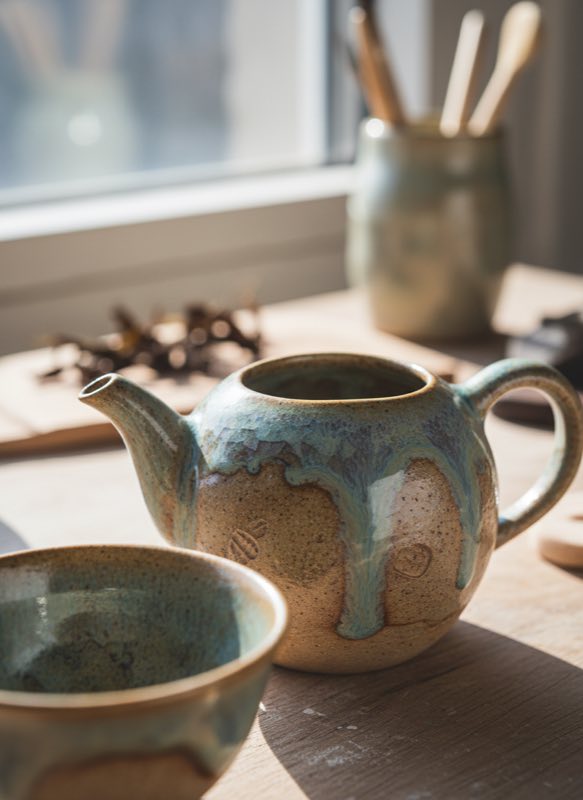
Brewing vessel. The iron-rich clay of tenmoku cups can smooth astringency and enhance sweetness in many tea varieties, making it an excellent choice for daily drinking.
Best Times to Drink dragon pearls tea
When you drink your tea matters almost as much as how you brew it:
Morning (7-9 AM). If your tea contains caffeine, morning is ideal. Your body naturally produces peak cortisol during these hours, and the moderate caffeine in tea complements this natural energy cycle.
Mid-afternoon (2-4 PM). A cup of dragon pearls tea in the afternoon helps combat the natural post-lunch energy dip. The L-theanine provides mental clarity without interfering with later sleep.
Evening (herbal varieties only). If your tea is caffeine-free, evening is perfect. The tea care guide includes evening ritual suggestions.
Choosing Quality dragon pearls tea
Not all dragon pearls tea is created equal. Here is what you should look for:
Loose leaf over tea bags. Loose-leaf tea uses larger, more intact leaves that retain essential oils and beneficial compounds. For maximum benefit, always choose loose-leaf.
Origin transparency. Quality sellers provide information about where and how the tea was grown. Single-origin teas from specific regions tend to offer more consistent quality.
Freshness. Green and oolong teas are best consumed within 6-12 months of production. Black teas maintain quality for 18-24 months. Check for production dates.
Organic certification. While not strictly necessary, organic certification ensures your tea was grown without synthetic pesticides.
Key Stats: dragon pearls tea at a Glance
| Parameter | Value |
|---|---|
| Typical Serving Size | 8 oz (240 ml) |
| Calories per Serving | 0-5 (unsweetened) |
| Caffeine Content | 0-70 mg per cup |
| Optimal Brew Temperature | 175-212°F (80-100°C) |
| Recommended Steep Time | 2-7 minutes |
| Key Active Compounds | Polyphenols, flavonoids, L-theanine |
| Antioxidant Capacity Increase | 20-45% within 2-4 weeks |
❓ FAQ About dragon pearls tea
❓ How many cups of dragon pearls tea should I drink daily?
For most healthy adults, 2-4 cups per day provides optimal health benefits without excessive caffeine intake. If your tea is caffeine-free, you can safely enjoy up to 5-6 cups daily. Start with 1-2 cups and observe how your body responds.
❓ Can I drink dragon pearls tea on an empty stomach?
It depends on the variety. Green and oolong teas contain tannins that can cause nausea in some people when consumed on an empty stomach. Herbal varieties are generally gentler. If you experience discomfort, try drinking your tea after a light snack.
❓ Does dragon pearls tea lose its health benefits if I add milk or sweetener?
Adding milk can reduce the bioavailability of some tea polyphenols by 10-20%, as milk proteins bind to catechins. However, you still receive significant benefits even with milk. The teaware collection includes cups designed to enhance the natural sweetness of quality tea.
Whether you are new to dragon pearls tea or looking to deepen your understanding, the key is to start with quality materials and consistent practice. Small adjustments in your approach can make a noticeable difference in your overall experience and enjoyment.
Potential Side Effects and Precautions
While this tea is generally safe for most people, you should be aware of a few considerations:
Caffeine sensitivity. If your tea contains caffeine and you are sensitive to it, limit consumption to 1-2 cups before noon. Symptoms of overconsumption include jitteriness, rapid heartbeat, anxiety, and difficulty sleeping. Switch to decaffeinated or herbal varieties in the afternoon and evening.
Iron absorption interference. Tannins in tea can reduce non-heme iron absorption by 20-60%. If you have iron deficiency or are at risk, drink tea between meals rather than with meals. Adding lemon (vitamin C) to your tea can partially counteract this effect.
Medication interactions. Some tea compounds can interact with certain medications, including blood thinners, iron supplements, and some antibiotics. If you take regular medications, consult your healthcare provider before adding significant amounts of any new tea to your routine.
Pregnancy considerations. Pregnant and nursing women should limit caffeine intake to 200 mg per day (approximately 3-4 cups of caffeinated tea). Herbal varieties may contain compounds that are not recommended during pregnancy — always check with your healthcare provider.
Storage tips. Store your tea in an airtight container away from light, heat, and moisture. A cool, dark cupboard works well. Avoid storing near spices or strong-smelling foods, as tea leaves easily absorb odors. Properly stored loose-leaf tea maintains its beneficial compounds and flavor for months to years depending on the variety.
Ready to elevate your tea experience? Explore our curated collection of premium tea cups and accessories at these pieces.
Ready to elevate your tea experience? Explore our curated collection of premium tea cups and accessories at these cups.
Find the tenmoku cup that speaks to you — browse Zen Tea Cup for authentic, artisan-crafted teaware.
Discover your next favorite tea cup — visit the Zen Tea Cup store for curated tenmoku selections.
📚 References
– National Institutes of Health. “Tea and Health.” nih.gov
– ScienceDirect. “Polyphenols in Tea.” sciencedirect.com
– Metropolitan Museum of Art. “Tea Culture.” metmuseum.org
Water quality matters. The water you use to brew your tea accounts for approximately 95% of the final cup. Use filtered or spring water with a TDS (total dissolved solids) below 150 ppm for the cleanest flavor extraction. Avoid distilled water, which produces flat-tasting tea due to its lack of mineral content. If your tap water has a strong chlorine taste, let it sit for 15-20 minutes before boiling to allow the chlorine to dissipate, or use a simple carbon filter.
Elevate your tea experience — find the perfect cup at these cups.


