

Discover authentic tenmoku at Zen Tea Cup.
Contents
- How to Hold a Tenmoku Tea Bowl Properly
- The Traditional Two-Handed Cradle Grip
- Step-by-Step Technique
- The Single-Handed Sip Grip
- Understanding Bowl Weight and Balance
- Balance Testing
- Common Mistakes to Avoid
- Cultural Context: Why Grip Matters
- Key Stats: Tenmoku Bowl Handling
- ❓ FAQ: Holding Tenmoku Bowls
- ❓ Should I hold the bowl differently for hot vs warm tea?
- ❓ Is it rude to lift the bowl off the table?
- ❓ How do I hold a very large tenmoku bowl?
- Adjusting Your Grip for Different Tea Types
How to Hold a Tenmoku Tea Bowl Properly
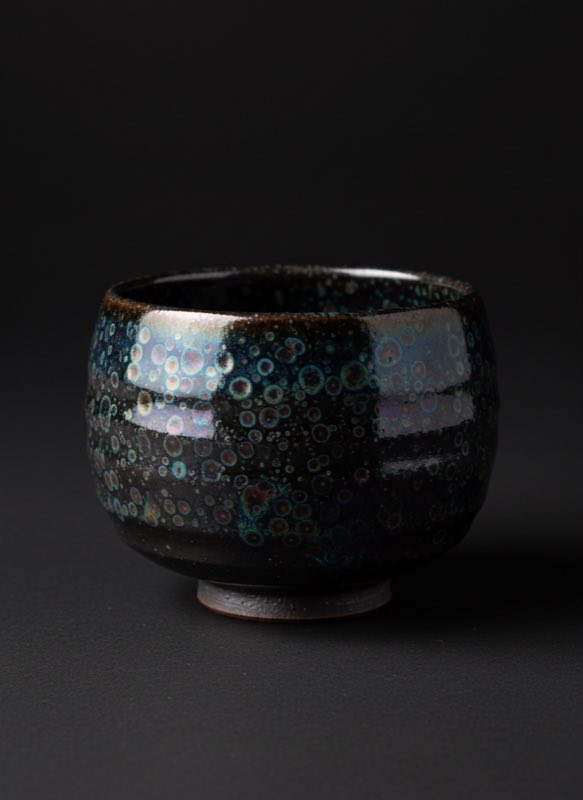
Holding a tenmoku tea bowl correctly enhances both your tea drinking experience and your appreciation of the bowl’s craftsmanship. If you have invested in a Jian Zhan tea cup, learning the proper grip technique will help you avoid accidents, appreciate the bowl’s weight and balance, and participate authentically in tea traditions that date back over a thousand years. You can explore the broader context in the tenmoku teaware beginner guide.
The way you hold your tenmoku bowl is not just about practicality — it reflects the mindful, intentional approach that defines both Chinese gongfu cha and Japanese tea ceremony traditions. When you pick up your bowl with awareness and care, you begin your tea session with the right mindset and establish a meaningful connection with the object that will accompany your entire tea experience.
The Traditional Two-Handed Cradle Grip
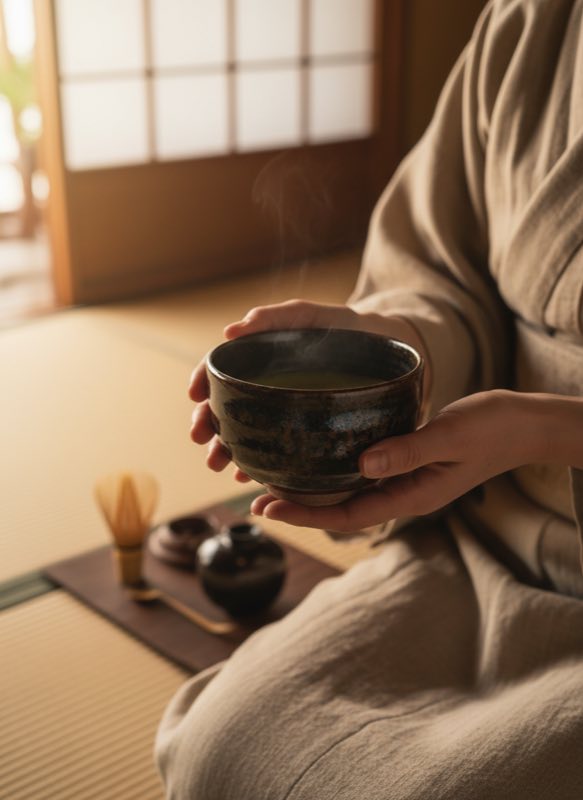
The most common and culturally authentic way to hold a tenmoku bowl is the two-handed cradle grip. This technique is used in both Chinese and Japanese tea traditions and provides maximum stability and warmth transfer.
Step-by-Step Technique
Place the bowl on the table in front of you. Bring your non-dominant hand beneath the bowl, fingers together, supporting the base and lower walls. Your thumb can rest lightly on the rim for additional control. Cup your dominant hand around the side of the bowl, with your fingers curved naturally around the belly. Your thumbs should meet or overlap near the rim. Lift the bowl smoothly, keeping it level. Bring it toward your mouth without extending your neck — lift the bowl to you, rather than bending toward it.
This traditional grip distributes the weight evenly across both hands, reducing fatigue during long tea sessions. This is particularly important during gongfu cha sessions where you may lift and drink from the bowl 8-12 times over the course of 30-45 minutes. The properly sized tenmoku bowl should fit comfortably in your cupped palms with the rim reaching approximately to your lower lip when held at chest height.
The Single-Handed Sip Grip
For quick sips between pourings during gongfu cha, you may prefer the single-handed grip. Hold the bowl by the rim between your thumb and index finger, with your middle finger supporting the base. This grip works best with smaller bowls under 4.5 inches (11.4 cm) in rim diameter.
You should use this grip primarily for lighter bowls under 7 oz (200 g). Heavier pieces feel unstable with one hand and increase the risk of dropping, especially when the bowl is hot.
Understanding Bowl Weight and Balance
The weight of your tenmoku bowl directly affects how you should hold it. Authentic Jian Zhan made from iron-rich Jianyang clay weighs between 5.3 and 9.9 oz (150-280 g), depending on shape and size. When you first pick up a quality tenmoku bowl, the weight may feel surprising — these are substantially heavier than porcelain cups of similar size.
The extra weight comes from the 7-8% iron oxide content in the clay, which increases density. You will find that the weight becomes comfortable and even pleasurable after a few sessions, as it provides a sense of substance and grounding that enhances the meditative quality of tea drinking.
Balance Testing
Before purchasing a tenmoku bowl, test its balance by holding it in the two-handed cradle grip. The center of gravity should sit in the lower third of the bowl, resting on your palm. A well-balanced bowl feels stable and secure, while a poorly balanced one feels top-heavy and requires constant grip adjustment.
Common Mistakes to Avoid
When you are learning to handle tenmoku bowls, be aware of these common errors that can lead to accidents or damage:
Pinch-gripping the rim — Holding the bowl by pinching the rim between thumb and fingers provides poor control and stresses the thinnest part of the bowl. If the bowl slips, it will likely chip the rim — the most vulnerable and difficult area to repair. A chipped rim not only affects the bowl’s appearance but can also create sharp edges that make drinking uncomfortable.
Grasping the foot ring only — The small foot ring (approximately 1.5 inches or 3.8 cm in diameter) does not provide adequate grip surface. Always support the bowl from beneath rather than trying to grip the foot.
Passing with one hand — When sharing tea in a social setting, always pass the bowl with both hands as a sign of respect. One-handed passing is considered casual at best and disrespectful at worst in traditional tea culture.
The handmade tenmoku identification guide explains why proper handling is especially important for authentic pieces — the iron-rich glaze is durable but can chip if the bowl is dropped on a hard surface. Always handle your tenmoku over a soft surface when possible, and never place it near the edge of a table.
Cultural Context: Why Grip Matters
In Japanese tea ceremony (chanoyu), the way you hold the tea bowl is prescribed by centuries of tradition. The bowl is always received with both hands, examined carefully before drinking, and returned with deliberate care. This mindful handling is not mere etiquette — it cultivates presence and appreciation for the object and the moment.
In Chinese gongfu cha, the approach is more relaxed but still emphasizes mindful engagement. You are encouraged to feel the warmth of the bowl, observe the tea’s color through the dark glaze, and appreciate the weight in your hands before each sip. The tea meditation tradition uses the physical sensation of holding the warm bowl as an anchor for mindfulness practice.
Key Stats: Tenmoku Bowl Handling
| Parameter | Value |
|———–|——-|
| Typical Weight | 5.3-9.9 oz (150-280 g) |
| Ideal Rim for Single-Hand | <4.5 in (11.4 cm) |
| Foot Ring Diameter | ~1.5 in (3.8 cm) |
| Iron Oxide Content | 7-8% |
| Center of Gravity | Lower third |
❓ FAQ: Holding Tenmoku Bowls
❓ Should I hold the bowl differently for hot vs warm tea?
Yes. When the tea is very hot (above 170°F or 77°C), use the two-handed cradle grip with your fingers on the lower walls where the bowl is cooler. As the tea cools, you can adjust to a more relaxed grip. The thick walls of Jian Zhan provide insulation, but the rim area can still be quite warm immediately after pouring.
❓ Is it rude to lift the bowl off the table?
Not at all — in both Chinese and Japanese tea traditions, lifting the bowl to drink is the standard practice. Drinking from a bowl that remains on the table is actually considered improper in formal settings. The physical act of lifting the bowl to your lips creates a more intimate connection with the tea and demonstrates respect for both the beverage and the vessel. The act of lifting the bowl shows engagement and appreciation for the tea.
❓ How do I hold a very large tenmoku bowl?
Large bowls over 5.5 inches (14 cm) in diameter require the two-handed cradle grip exclusively. Place both hands under the bowl, fingers spread wide for maximum support. You may need to lean slightly forward to sip from a very large bowl rather than trying to lift it to mouth height. Very large bowls were historically used for whisked tea competitions during the Song Dynasty, where the wide surface area was more important than portability.
📚 References
– Metropolitan Museum of Art. “Tea Ceremony and Cultural Practice.” metmuseum.org
– ScienceDirect. “Ceramic Thermal Properties and Handling.” sciencedirect.com
– Sen, S. (2005). “Tea Culture: The Way of the Bowl.” Journal of Japanese Studies, 31(2), 287-305.
Whether you are new to how to hold a tenmoku tea bowl properly or looking to deepen your understanding, the key is to start with quality materials and consistent practice. Small adjustments in your approach can make a noticeable difference in your overall experience and enjoyment. at Zen Tea Cup
Adjusting Your Grip for Different Tea Types
The way you hold your tenmoku bowl can vary depending on the tea you are drinking. Different teas are served at different temperatures and in different volumes, which affects how you should grip and lift the bowl.
Hot teas (pu-erh, dark oolong) — These are typically brewed at 200-212°F (93-100°C) and served in smaller volumes of 2-3 fl oz (60-90 ml). Use the two-handed cradle grip with your fingers positioned on the lower walls where the clay is thickest and coolest. The aged pu-erh pairs particularly well with the warmth-retaining Shu Kou shape, and the two-handed grip allows you to feel the comforting heat without discomfort.
Warm teas (green tea, white tea) — Brewed at 170-185°F (77-85°C), these lighter teas are often served in larger volumes. The bowl will be warm but not hot, allowing you to use either grip style comfortably. Many experienced tea drinkers actually prefer the single-handed grip for these casual sipping teas.
Matcha — Served at approximately 160°F (71°C) in the traditional preparation. The Shu Kou shape is standard for matcha, and the two-handed cradle grip is universal in formal tea ceremony settings.
Master the art of tenmoku — explore Zen Tea Cup’s collection of perfectly balanced handmade bowls, each designed to feel natural in your hands from the very first sip.


