

Jian Zhan cups work beautifully for sake because the thick walls (3-5 mm) regulate temperature, the iron-rich glaze subtly rounds the flavor, and the wide bowl shape releases aroma — turning every pour into something you will genuinely enjoy — a sensory experience that standard sake cups simply cannot match. If you already own a Jian Zhan tea cup, you are holding what might be the most underrated sake vessel in your cabinet.
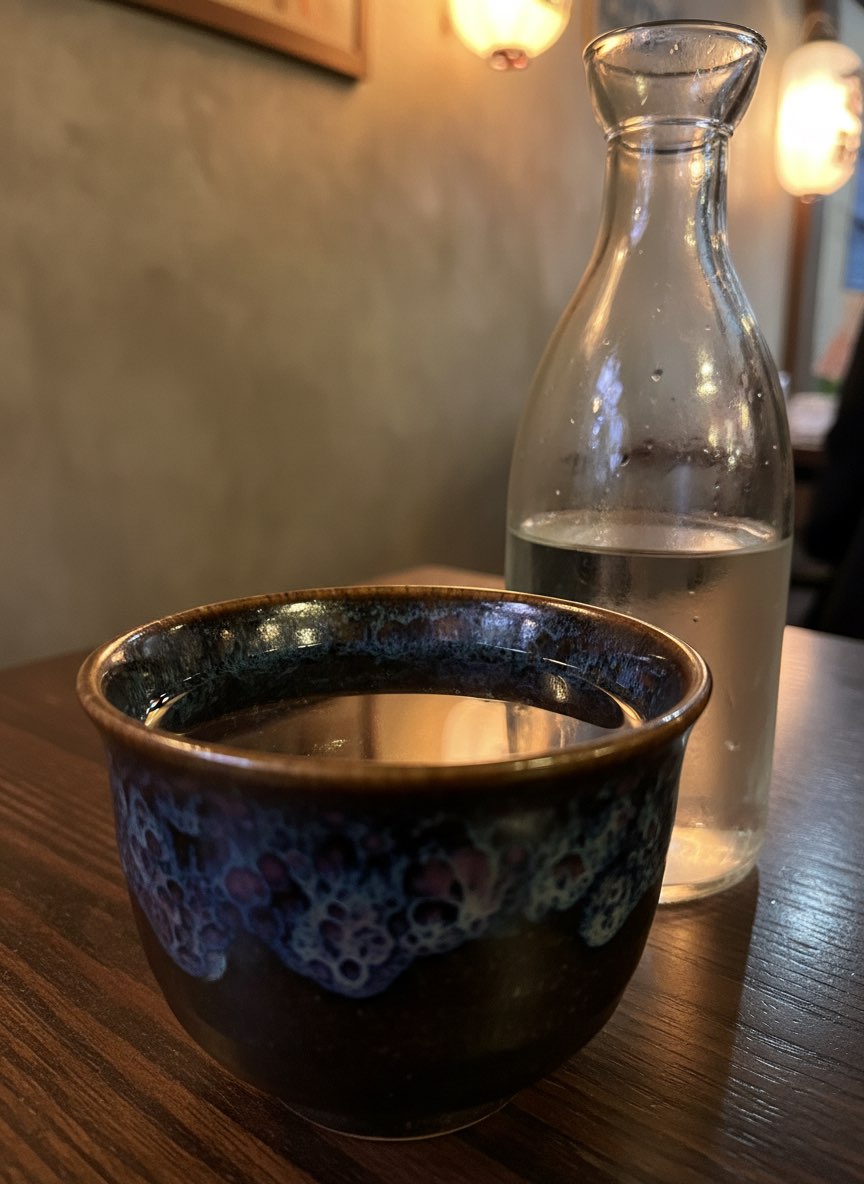
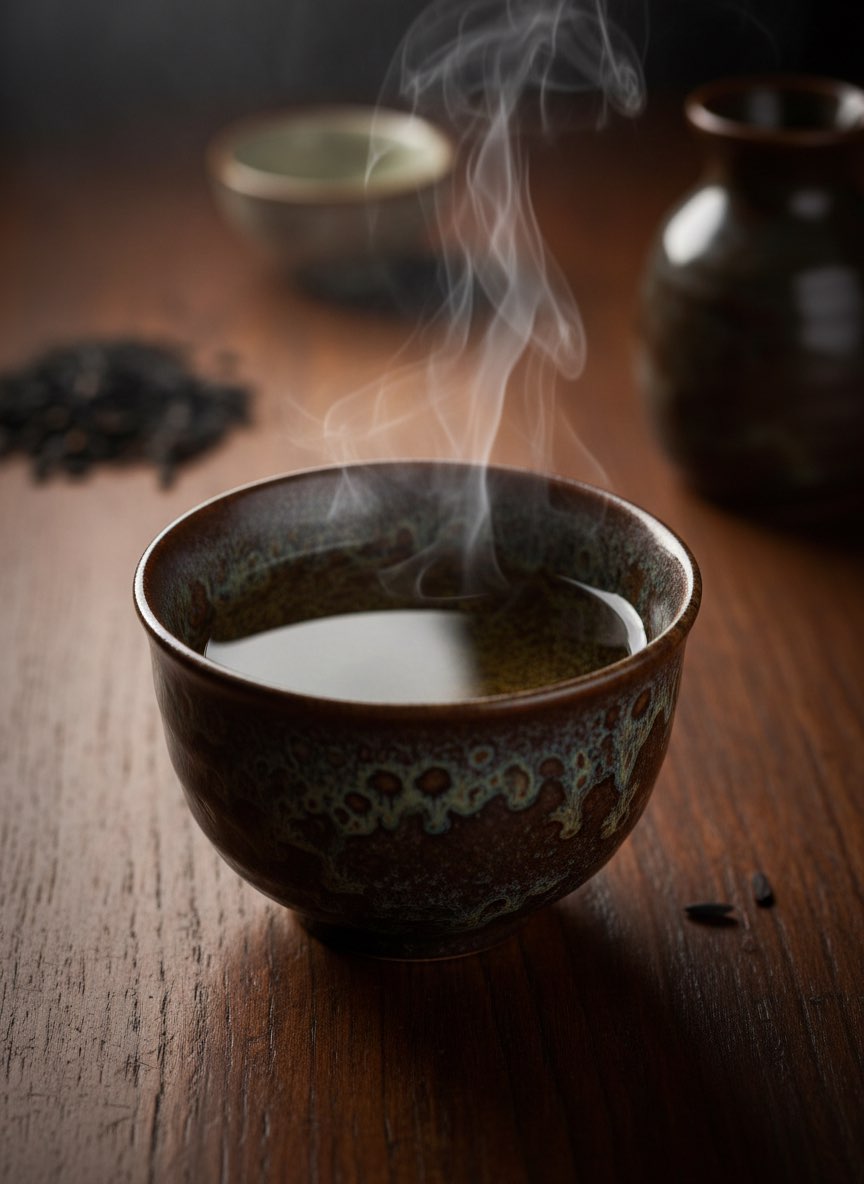
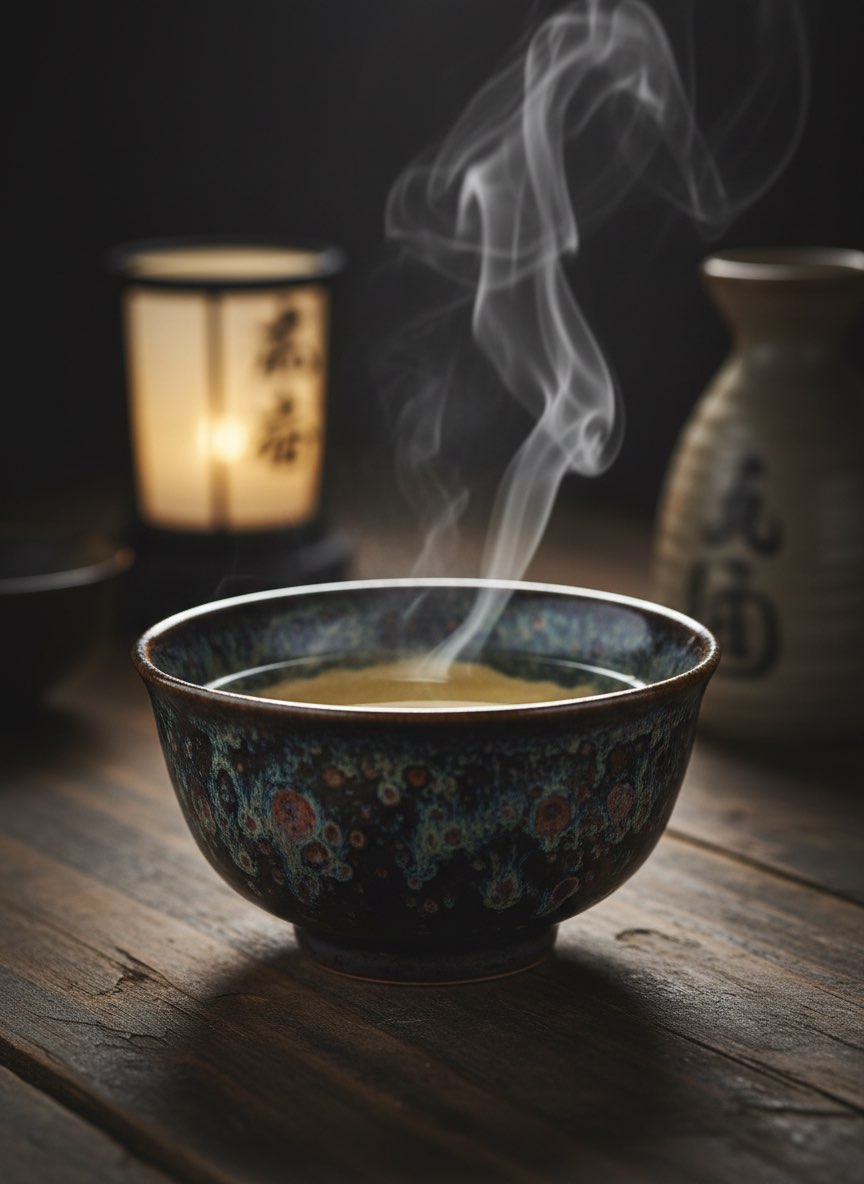
This guide explains why Jian Zhan doubles as an exceptional sake cup, which shapes work best, and how to serve both warm and cold sake with a piece you probably already own. Every recommendation comes from Zen Tea Cup — hand-fired at 1300°C (2372°F), individually inspected, and authenticated.
| Key Stat | Value |
|---|---|
| Sake Cup Capacity | 80-120 ml (2.7-4 oz) |
| Wall Thickness | 3-5 mm |
| Firing Temperature | 1300°C (2372°F) |
| Typical Diameter | 7-12 cm (2.8-4.7 in) |
| Sake Serving Range | 5-55°C (41-131°F) |
| Glaze Iron Content | 5-8% iron oxide |
Contents
- Why Your Jian Zhan Cup Is Perfect for Sake
- How Jian Zhan Changes the Sake Experience
- Warm Sake vs Cold Sake: Which Works Best?
- Choosing the Right Jian Zhan Shape for Sake
- From Tea to Sake: Enjoy Your Jian Zhan in a New Way
- ❓ Can You Serve Sake in a Jian Zhan Cup?
- ❓ What Is the Best Temperature for Sake in Tenmoku?
- ❓ Is Jian Zhan the Same as Tenmoku?
- ❓ How Do You Care for a Jian Zhan Sake Cup?
- 📚 References
Why Your Jian Zhan Cup Is Perfect for Sake
Most people associate Jian Zhan (also called Tenmoku) with Chinese tea culture — specifically matcha and gongfu tea. But the same physical properties that make it extraordinary for tea apply equally to sake: heat retention, glaze interaction, and a bowl shape that concentrates aroma. The result is a cup that elevates both beverages without compromise.
Think about it this way: the qualities you love about Jian Zhan for tea — the way it holds warmth, the way the glaze seems to deepen over time, the way it feels substantial in your hand — all of those qualities are exactly what makes a great sake cup, too. You do not need to buy separate drinkware for each beverage when one cup does both beautifully.
The thick walls (3-5 mm) are the key advantage. Unlike thin porcelain ochoko cups that let heat escape quickly, Jian Zhan holds temperature steadily. For warm sake served at 40-55°C (104-131°F), this means your drink stays in the optimal zone longer — no rushing through your cup before it cools. For cold sake at 5-10°C (41-50°F), the thick walls slow down the warming effect of your hand, keeping each sip crisp.
How Jian Zhan Changes the Sake Experience
The differences are not just theoretical — you can taste them. Three factors change how sake behaves in a Jian Zhan cup compared to standard glass or porcelain:
Temperature stability: The 3-5 mm walls maintain serving temperature 30-50% longer than thin porcelain. Warm sake stays warm; chilled sake stays chilled. This matters because sake’s flavor profile shifts significantly across even a 5°C range.
Glaze interaction: The iron-rich glaze (5-8% iron oxide) creates a micro-textured interior surface. Tea drinkers call the resulting flavor-smoothing effect yang zhan (raising the cup). The same principle applies to sake — the surface interaction subtly rounds sharp alcohol notes, especially in junmai and honjozo grades (and yes, sake enthusiasts confirm they can taste the difference between tenmoku and glass).
Aroma concentration: The wide, shallow bowl shape (7-12 cm diameter) acts like a scent funnel. Unlike narrow cylindrical ochoko cups, Jian Zhan lets volatile aromatics bloom outward toward your nose before you sip. This is the same reason wine tasters prefer wide-bowl glasses — surface area drives aroma release.
Warm Sake vs Cold Sake: Which Works Best?
Jian Zhan handles both well, but each temperature range highlights different strengths:
Warm sake (kanzake, 40-55°C / 104-131°F): This is where Jian Zhan truly shines. The thick walls keep warm sake at temperature through multiple pours. Try a junmai or tokubetsu honjozo — the heat brings out umami notes that get lost at room temperature, and the tenmoku glaze smooths the alcohol edge. Our matcha bowl guide covers several wide-bowl options that work especially well for warm sake.
Cold sake (reishu, 5-10°C / 41-50°F): For chilled sake, the thick walls slow the warming effect of your hand. Ginjo and daiginjo grades benefit from a smaller Jian Zhan cup (7-8 cm diameter) — the narrower bowl preserves the delicate floral and fruity notes that heat would erase.
Room temperature (jōon, 15-20°C / 59-68°F): The most flexible option. Any Jian Zhan shape works, and you get the full spectrum of flavor without temperature interference. If you are new to pairing Jian Zhan with sake, start here — you can always warm or chill your next pour once you understand how the cup affects the experience.
One practical tip: when warming sake in a Jian Zhan cup, pour the sake first and then place the cup in a warm water bath (not boiling — aim for 50°C / 122°F water). The thick walls absorb heat gradually, preventing the sudden temperature spikes that can make sake taste harsh. Never microwave a Jian Zhan cup — the rapid, uneven heating can crack the glaze.
Choosing the Right Jian Zhan Shape for Sake
Not every Jian Zhan cup is ideal for sake. Here is what to look for:
Small chawan (7-9 cm, 80-100 ml): Best for sipping sake in small portions, traditional style. The smaller volume means you finish each pour before the temperature shifts — perfect for premium ginjo sake.
Medium bowl (9-11 cm, 100-150 ml): The most versatile option. Works for both tea and sake. If you want one cup that does double duty, this is it. Our size guide helps you pick the exact right diameter.
Wide exhibition bowl (11-12 cm, 120-180 ml): For sharing sake with friends — these bowls make a dramatic centerpiece. The wide opening maximizes aroma, but they cool faster, so they are better for room-temperature or cold sake.
From Tea to Sake: Enjoy Your Jian Zhan in a New Way
The jump from tea to sake is smaller than you might think. Both traditions value mindfulness, craftsmanship, and the sensory experience of drinking from a handmade vessel. In fact, many Japanese tea ceremony practitioners historically used tenmoku chawan for both matcha and sake — the word chawan itself simply means “tea bowl” with no restriction to tea alone.
Try this: after your next gongfu tea session, rinse your Jian Zhan cup with warm water, pour in a serving of junmai sake at 45°C (113°F), and notice how the cup’s heat retention and glaze texture create a drinking experience that feels like a natural extension of your tea ritual (you might find you prefer sake in tenmoku over any dedicated sake cup you have tried).
The cultural crossover runs deeper than most people realize. During the Muromachi period (1336-1573), Japanese monks and samurai used tenmoku chawan for both matcha and sake at social gatherings — the same cup, the same aesthetic, two different beverages. The modern idea that “tea cups are for tea and sake cups are for sake” is actually a recent convention, not a historical rule. Using Jian Zhan for sake is not a creative reinterpretation — it is a return to the original way these cups were used.
For more on identifying quality pieces that work for both tea and sake, see our authentication guide.
❓ Can You Serve Sake in a Jian Zhan Cup?
Yes — Jian Zhan cups are excellent for sake. The thick walls (3-5 mm) regulate temperature, the iron-rich glaze subtly rounds the flavor, and the wide bowl shape releases aroma. Historically, tenmoku chawan were used for both tea and sake in Japanese culture.
❓ What Is the Best Temperature for Sake in Tenmoku?
Warm sake at 40-55°C (104-131°F) works best in Jian Zhan because the thick walls maintain heat through multiple pours. For cold sake (5-10°C / 41-50°F), the walls slow warming from your hand. Room temperature (15-20°C) is the most flexible starting point.
❓ Is Jian Zhan the Same as Tenmoku?
Yes — “Jian Zhan” is the Chinese name and “Tenmoku” is the Japanese reading of the same characters (天目). Both refer to the iron-glazed stoneware from Jianyang, Fujian, first produced during the Song Dynasty (960-1279).
❓ How Do You Care for a Jian Zhan Sake Cup?
Rinse with warm water after each use — no soap, no dishwasher. The same care routine for tea applies to sake: let the oils and minerals build a patina (yang zhan) that deepens the glaze and enhances future pours. Dry with a soft cloth and store in its wooden box.
One important note: if you alternate between tea and sake in the same cup, rinse thoroughly between uses. Tea tannins and sake rice proteins can create a film that affects the next pour’s flavor. A quick warm-water rinse and gentle wipe is all you need — the patina will still develop naturally over time, just more slowly than with single-use cups.
📚 References
- Japanese Ceramics Collection: The Tokyo National Museum preserves original Tenmoku chawan used in both tea and sake contexts during the Muromachi period. Tokyo National Museum
- Jian Ware Research: The Freer Gallery of Art at the Smithsonian Institution maintains one of the finest Jian ware research collections. Smithsonian Institution
- Sake Temperature Guide: The Sake Education Council documents the flavor shifts across different serving temperatures. Sake Education Council
Curious about using your Jian Zhan for sake? Explore our curated collection at Zen Tea Cup — each piece is hand-fired at 2,372°F, individually inspected, and ready for whatever you pour.


