

Contents
- Small Hands vs Large Hands: Quick Comparison
- How to Measure Your Hand for the Perfect Teacup
- Measuring Palm Width and Hand Span
- Understanding Grip Circumference
- Best Teacups for Small Hands: What to Look For
- Ideal Rim Diameter and Bowl Depth
- Why Lighter Cups Work Better
- Best Teacups for Large Hands: Finding the Right Fit
- Wider Rims and Heavier Bowls for Stability
- Handle-Free Options That Work for Large Hands
- Teacup Size and Tea Type: Why It Matters Beyond Hand Size
- 📚 References
- ❓ What size teacup is best for small hands?
- ❓ Can large hands use small gongfu cups comfortably?
- ❓ How do I measure my hand for a teacup?
- ❓ Does teacup material affect grip comfort?
Small Hands vs Large Hands: Quick Comparison
The best teacups for your hand size depend on your palm width — small hands (under 3.5 inches) need cups with narrower rims and lighter weights, while large hands (over 3.8 inches) prefer wider rims and heavier bowls for balance. Choosing the wrong size isn’t just uncomfortable — it can affect your grip, your pour, and even how your tea tastes. From Zen Tea Cup, here’s a straightforward comparison to help you find the right fit.
| Key Stat | Value |
|---|---|
| Average female palm width | 2.8–3.5 inches (7–9 cm) |
| Average male palm width | 3.5–4.5 inches (9–11.5 cm) |
| Standard tenmoku rim diameter | 3.1–3.5 inches (8–9 cm) |
| Ergonomic grip circumference ideal | 3.0–4.5 inches (7.5–11.5 cm) |
| Small gongfu cup capacity | 1.5–2 oz (45–60 ml) |
| Tenmoku cup weight range | 4.2–6.3 oz (120–180 g) |
(I used to think any cup would do — until a 6-ounce tenmoku bowl nearly slipped from my small-handed friend’s grip during a gongfu session.)
| Key Stat | Small Hands (Palm < 3.5 in) | Large Hands (Palm > 3.8 in) |
|---|---|---|
| Recommended rim diameter | 2.4–3.2 inches (6–8 cm) | 3.5–5.1 inches (9–13 cm) |
| Ideal cup weight | 3.5–5 oz (100–140 g) | 5–7 oz (140–200 g) |
| Handle finger clearance | ≥ 1.5 inches (3.8 cm) | ≥ 2.0 inches (5 cm) |
| Best cup style | Gongfu cup, small tenmoku | Matcha chawan, large tenmoku bowl |
| Typical capacity | 1.5–3 oz (45–90 ml) | 4–10 oz (120–300 ml) |
| Grip type | Three-finger cradle | Full-palm wrap |
How to Measure Your Hand for the Perfect Teacup
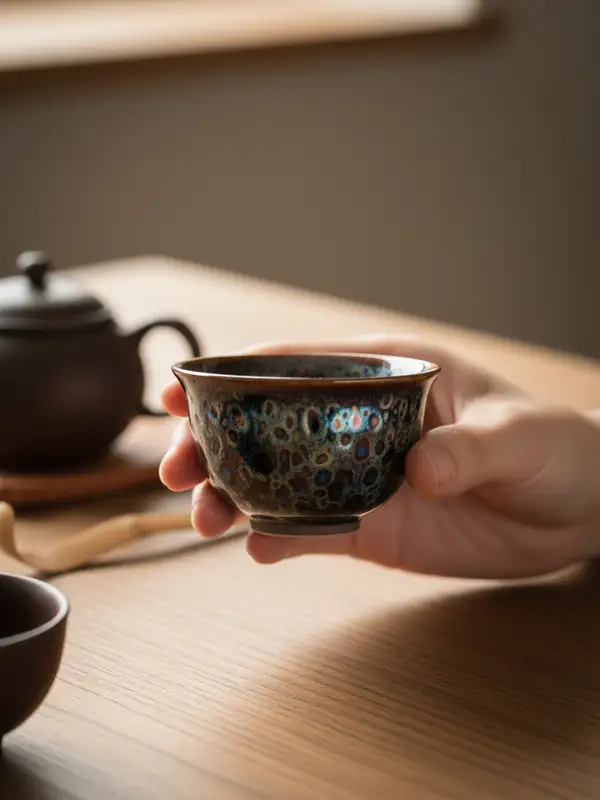
Measuring your hand takes under 60 seconds — and it eliminates the guesswork when choosing a teacup. You only need two measurements: palm width and hand span. Once you know your numbers, you can match them directly to cup dimensions and never second-guess a purchase again.
(The first time I measured my palm, I was surprised it fell right between “small” and “medium” — no wonder standard cups always felt hit-or-miss for me.)
Measuring Palm Width and Hand Span
Palm width is the distance across your palm at its widest point, excluding the thumb. Place a ruler flat across your hand just below your fingers — for most women, this measures 2.8–3.5 inches (7–9 cm), while most men fall between 3.5–4.5 inches (9–11.5 cm), according to the Craft Yarn Council’s hand size charts. Hand span — the distance from your thumb tip to your pinky tip with your hand fully open — gives you a secondary reference. A span under 7.5 inches usually pairs best with smaller cups, while a span over 8.5 inches suggests you’ll be more comfortable with wider bowls.
Understanding Grip Circumference
Grip circumference matters more than most people realize. It’s the distance around the cup body where your fingers naturally wrap. The ergonomic sweet spot falls between 3.0–4.5 inches (7.5–11.5 cm) — any smaller and your fingers overlap awkwardly; any larger and you can’t maintain a secure hold. If you have small hands, look for cups with a grip circumference under 3.5 inches. For large hands, a circumference of 4 inches or more feels stable and natural. This single measurement explains why a delicate gongfu cup feels perfect in small hands but precarious in large ones — and why a hefty matcha bowl is the exact opposite.
Best Teacups for Small Hands: What to Look For
If your palm width falls under 3.5 inches, you need a cup with a narrower rim and lighter body to maintain a secure, comfortable grip. The wrong cup — too wide, too heavy — forces your hand into an awkward stretch, and over a long tea session that strain adds up. Small hands actually have an advantage with certain tea styles: gongfu cha cups are designed to be small, and they fit your hand perfectly. For more on choosing the right size, check our Jian Zhan tea cup size guide.
My sister has 2.9-inch palms — she reaches for 2-oz gongfu cups every time because anything larger feels like holding a soup bowl. The comfort difference is immediate and obvious once you try the right size.
Ideal Rim Diameter and Bowl Depth
For small hands, aim for a rim diameter of 2.4–3.2 inches (6–8 cm). This range lets your thumb and middle finger meet comfortably around the cup’s widest point. Bowl depth should stay under 2 inches (5 cm) — deeper cups shift the center of gravity upward, making them top-heavy and harder to control. A shallow tenmoku cup with a 3-inch rim sits perfectly in a three-finger cradle grip, where your thumb rests on the rim and your middle and ring fingers support the base. This grip is the traditional way to hold a handleless cup, and it works beautifully when the proportions match your hand.
Why Lighter Cups Work Better
Weight matters more than most tea drinkers expect. A cup weighing 3.5–5 oz (100–140 g) is ideal for small hands — light enough to lift one-handed without wrist strain, but heavy enough to feel substantial. When a cup exceeds 5.5 oz, small-handed drinkers start compensating: gripping tighter, using two hands, or avoiding longer sessions altogether. That’s not just uncomfortable — it changes how you experience the tea. A lighter cup lets you focus on aroma, color, and taste rather than on keeping your grip steady. Explore our small tenmoku cups designed with these proportions in mind.
Best Teacups for Large Hands: Finding the Right Fit
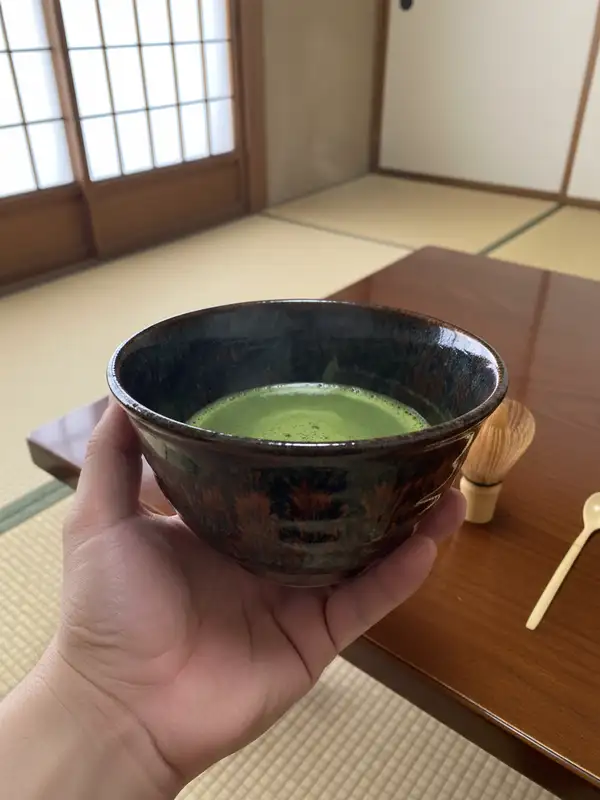
Larger hands — palm width above 3.8 inches — actually have an advantage with wider, heavier cups that small hands find unwieldy. A bigger hand can comfortably cradle a wide matcha bowl or wrap around a substantial tenmoku cup without any strain. The challenge for large hands isn’t finding a cup that fits — it’s finding one that doesn’t feel like a thimble. Standard Western teacups and small gongfu cups can feel cramped, forcing your fingers into an unnaturally tight grip.
— and that is precisely why a 5-inch matcha chawan feels natural in my 4.2-inch palm but clumsy in my wife’s 3-inch grip. The same cup, two completely different experiences.
Wider Rims and Heavier Bowls for Stability
For large hands, a rim diameter of 3.5–5.1 inches (9–13 cm) provides the surface area your hand naturally expects. Heavier bowls — 5–7 oz (140–200 g) — offer stability that lighter cups can’t match. When you lift a properly weighted tenmoku bowl, the weight sits low in your palm and the balance point falls right where your fingers grip. This isn’t accidental: Song Dynasty potters designed Jian Zhan bowls with this weight distribution in mind, firing them at 2,300°F (1,260°C) to create dense, iron-rich bodies that feel grounded in your hand. Browse our tenmoku collection to find bowls sized for larger hands.
Handle-Free Options That Work for Large Hands
Handleless cups — chawan, tenmoku bowls, and gongfu cups — are often better for large hands than handled teacups. Here’s why: handle spans on standard teacups are designed for average hands, typically offering 1.5–2 inches of finger clearance. If your fingers are longer or thicker, that handle becomes a constraint rather than a convenience. A handleless bowl lets you choose your own grip: full-palm wrap, thumb-on-rim cradle, or two-handed lift. The freedom to adjust your hold makes a real difference during a 45-minute tea session. The unique glaze patterns on tenmoku bowls also add tactile feedback — learn more in our tenmoku glaze patterns guide. For a deeper look at how materials affect the experience, see our Glass vs Ceramic vs Tenmoku comparison.
Teacup Size and Tea Type: Why It Matters Beyond Hand Size
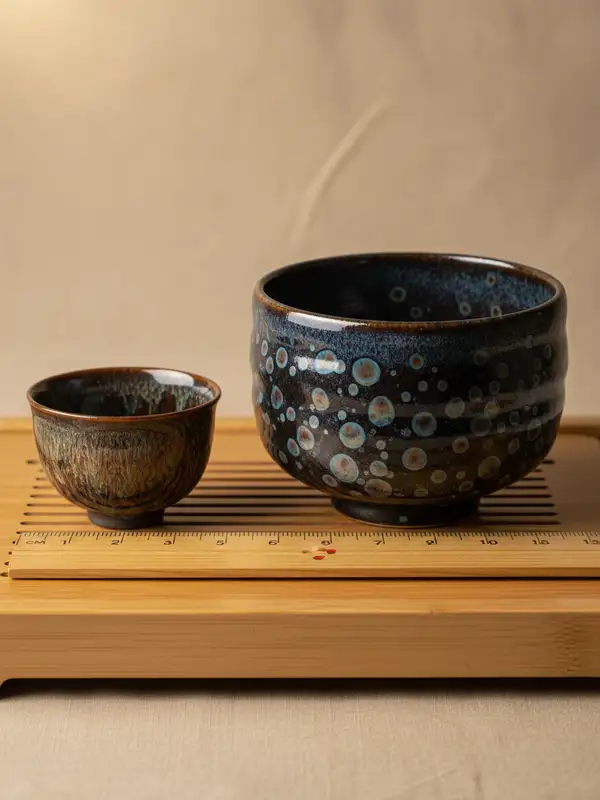
Hand size is only half the equation — the tea you drink determines the other half of your ideal cup. A small-handed oolong drinker and a small-handed matcha drinker need completely different cups. Gongfu cha demands 1.5–2 oz (45–60 ml) cups for short 30–60 second steeps across multiple infusions. Matcha requires a 6–10 oz (180–300 ml) bowl with a 4.5–5.1 inch rim for whisking at 175°F (80°C). English-style brewing calls for 6–8 oz handled cups for 3–5 minute steeps. The cup size isn’t arbitrary — it’s directly tied to the tea’s leaf-to-water ratio, steeping time, and serving temperature.
(I learned this the hard way: trying to gongfu-brew in a 10-ounce mug is a lesson in diluted disappointment — the leaf-to-water ratio is completely wrong, and you end up with weak tea no matter how many seconds you steep.)
If you have small hands but love matcha, you’ll need to adapt your grip for a larger bowl — the whisking motion requires that wider rim regardless of hand size. Conversely, if you have large hands but prefer gongfu-style brewing, you’ll be working with small cups by design. The key is understanding that comfort and function sometimes pull in different directions, and finding the cup that balances both for your specific situation.
| Tea Type | Ideal Cup Size | Rim Diameter | Steeping Time | Temperature |
|---|---|---|---|---|
| Gongfu Cha (Oolong/Pu’er) | 1.5–2 oz (45–60 ml) | 2.4–3.2 in (6–8 cm) | 30–60 seconds | 195–212°F (90–100°C) |
| Matcha | 6–10 oz (180–300 ml) | 4.5–5.1 in (11.5–13 cm) | Whisked 15–20 seconds | 175°F (80°C) |
| English Breakfast | 6–8 oz (180–240 ml) | 3.2–3.5 in (8–9 cm) | 3–5 minutes | 212°F (100°C) |
| Green Tea (Sencha) | 3–5 oz (90–150 ml) | 2.8–3.5 in (7–9 cm) | 1–2 minutes | 175°F (80°C) |
📚 References
- Hand Size Charts: Anthropometric data for palm width and hand span across adult populations. Craft Yarn Council
- Ergonomics of Grip Design: Research on optimal grip circumference and handle clearance for handheld objects. UCLA Ergonomics Program
- Tea Cup Standards and Traditions: Historical and cultural standards for teacup sizing across Chinese and Japanese tea ceremonies. Kyoto National Museum
Find your perfect fit and explore our full range of handcrafted tenmoku cups at Zen Tea Cup — whether you have small or large hands, every cup is sized for real comfort.
❓ What size teacup is best for small hands?
Small hands (palm width under 3.5 inches) do best with cups that have a rim diameter of 2.4–3.2 inches, weigh 3.5–5 oz, and hold 1.5–3 oz of liquid. Gongfu-style cups and small tenmoku bowls are ideal — their proportions match a three-finger cradle grip perfectly.
❓ Can large hands use small gongfu cups comfortably?
Large hands can use small gongfu cups, but the grip will feel cramped during extended sessions. If you have large hands and prefer gongfu-style brewing, look for cups at the upper end of the gongfu range — 2.5–3 oz capacity with a 3.2-inch rim — and use a thumb-on-rim grip rather than trying to wrap your full hand around the cup.
❓ How do I measure my hand for a teacup?
Measure your palm width across the widest point below your fingers (excluding the thumb) with a ruler. Under 3.5 inches = small hands; 3.5–3.8 inches = medium; over 3.8 inches = large. Also measure your hand span (thumb tip to pinky tip, hand fully open) as a secondary reference.
❓ Does teacup material affect grip comfort?
Yes — material affects weight, texture, and heat transfer, all of which influence grip comfort. Tenmoku clay (4–7 oz) provides a warm, textured surface that’s easier to grip than smooth porcelain. Glass runs cooler but can feel slippery. Ceramic sits in between. For the best balance of grip texture and heat retention, explore our tenmoku collection at Zen Tea Cup — whether you have small hands or large, the right cup makes every sip better.


