

Contents
- Why Dragon Tea Pot Collection Is the Perfect Addition to Your Tea Collection
- What Makes Dragon Tea Pot Collection Special
- Key Specifications
- How to Choose the Right Dragon Tea Pot Collection
- The Art and Craftsmanship Behind Dragon Tea Pot Collection
- Caring for Your Dragon Tea Pot Collection
- The Cultural Significance of the Dragon Motif in Tea Culture
- Brewing Techniques for {name}
- Key Stats: Dragon Tea Pot Collection at a Glance
- ❓ FAQ About Dragon Tea Pot Collection
- ❓ Is dragon tea pot collection safe for daily use?
- ❓ Can I put dragon tea pot collection on the stove?
- ❓ How do I season a new clay teapot?
Why Dragon Tea Pot Collection Is the Perfect Addition to Your Tea Collection
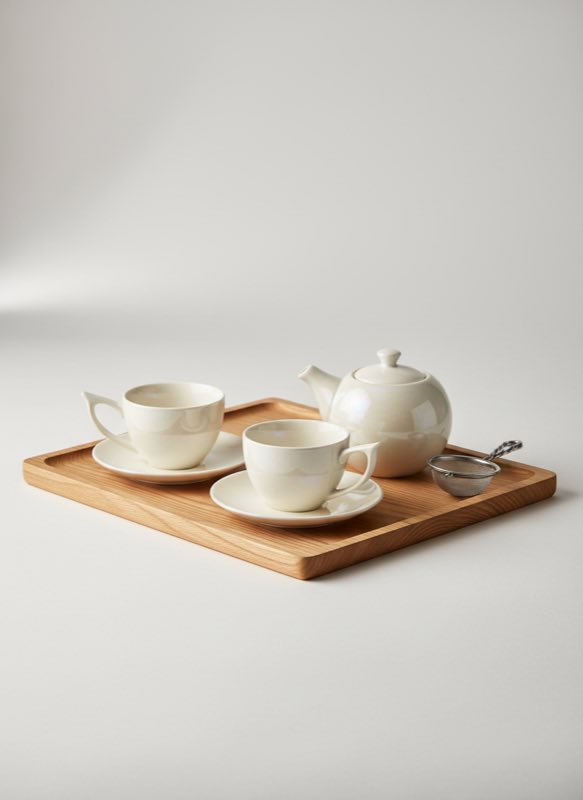
If you care about how your tea looks and tastes, the vessel you choose matters more than you might think. Dragon Tea Pot Collection combines visual beauty with functional design to elevate every tea session from a simple habit into a meaningful ritual. At Zen Tea Cup, we understand that the right teapot does not just hold your tea — it transforms the entire experience.
Whether you are building your first tea collection or adding to an established one, you will find that dragon tea pot collection offers a unique combination of aesthetic appeal and practical performance. For guidance on choosing the right size, the teaware size guide provides detailed recommendations.
What Makes Dragon Tea Pot Collection Special
Not all teapots are created equal. Understanding what sets dragon tea pot collection apart helps you make an informed purchasing decision.
Material quality. The best dragon tea pot collection is crafted from high-quality ceramic or stoneware fired at temperatures above 2200°F (1200°C). This vitrifies the clay, creating a dense, non-porous surface that is both durable and food-safe.
Design and ergonomics. A well-designed teapot balances beauty with comfort. The handle should fit naturally in your hand, the spout should pour cleanly without dripping, and the lid should seat securely. These details may seem minor, but you notice them every time you brew.
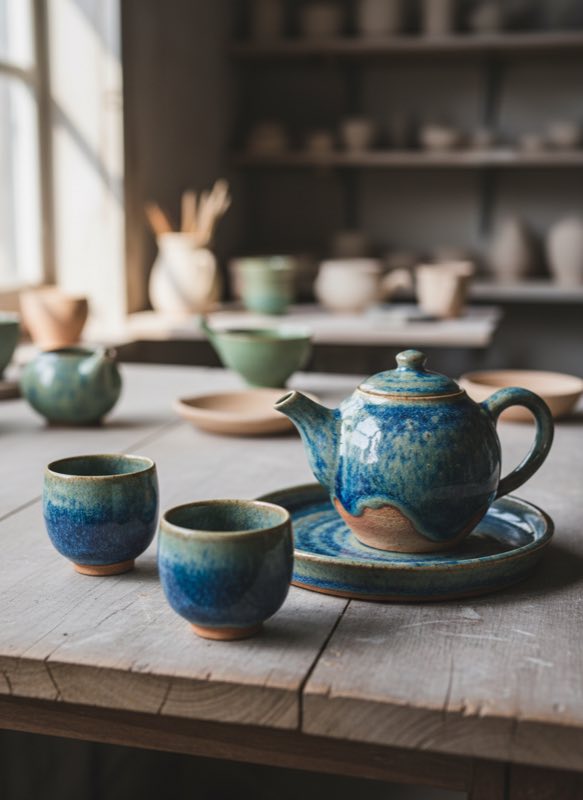
Glaze and finish. The glaze creates the food-safe barrier between your tea and the clay body. Quality glazes resist crazing, staining, and acid degradation. The handmade ceramics identification guide explains how to evaluate glaze quality.
Key Specifications
- Material: High-fired stoneware or porcelain
- Firing Temperature: 2200-2400°F (1200-1320°C)
- Typical Capacity: 150-400 ml (5-13.5 oz)
- Spout Type: Short curved for gongfu, long for Western brewing
How to Choose the Right Dragon Tea Pot Collection
Selecting the perfect teapot involves several factors:
Purpose and tea type. Small teapots (100-200 ml / 3.4-6.8 oz) are ideal for gongfu-style brewing of oolong and pu-erh. Larger teapots (300-600 ml / 10-20 oz) suit Western-style brewing for black and green teas. The teaware beginner guide provides a complete matching chart.
Clay type and seasoning. Yixing clay teapots benefit from dedication to a single tea type, as the porous clay absorbs tea oils and enhances future brews. Porcelain and glazed stoneware are versatile and can brew any tea type without flavor carryover.
Budget considerations. Machine-made teapots start around $15-30, while handcrafted artisan pieces range from $50-300+. The handmade vs mass-produced comparison explains the value difference.
The Art and Craftsmanship Behind Dragon Tea Pot Collection
Every quality teapot represents hours of skilled labor. Understanding the craftsmanship helps you appreciate the value.
Clay preparation. Raw clay is tested for plasticity, iron content, and firing behavior. It is wedged (kneaded) to remove air bubbles and align particle structure, preventing cracking during firing. This preparation takes 2-4 hours per batch.
Forming techniques. Traditional pieces are wheel-thrown or hand-built. Wheel throwing allows precise, symmetrical forms; hand-building creates more organic shapes. Both require years of practice to master.
Firing. The kiln firing transforms clay and glaze into ceramic. Gas and wood kilns allow reduction atmospheres that create dramatic glaze effects. Electric kilns provide more consistent results. Firing cycles last 8-14 hours with 12-24 hours cooling.
Caring for Your Dragon Tea Pot Collection
Proper care ensures your teapot lasts for years:
Hand wash only. Never use the dishwasher. Use warm water and a soft cloth. For Yixing clay, rinse with the tea you plan to brew — never use soap on unglazed clay.
Dry thoroughly before storing. Pat dry with a lint-free cloth and air-dry completely. Trapped moisture promotes mold in unglazed areas.
Avoid thermal shock. Never pour boiling water into a cold teapot. Warm the pot first with a rinse of hot water. The ceramics care guide provides comprehensive instructions.
The Cultural Significance of the Dragon Motif in Tea Culture
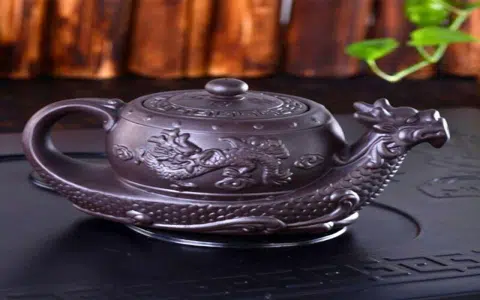
The dragon motif found on many traditional teapots is not merely decorative — it carries deep cultural meaning that enhances your connection to the tea ritual. In Chinese culture, the dragon (龙) represents power, good fortune, and the life-giving force of water and rain. When you pour tea from a dragon-adorned teapot, you are participating in a visual tradition that spans thousands of years.
The dragon has been associated with tea culture since the Tang Dynasty (618-907 CE), when imperial tea tribute was presented in vessels decorated with dragon patterns to signify the tea’s exceptional quality. During the Song Dynasty (960-1279 CE), dragon-patterned tea bowls were used in imperial tea competitions where officials judged the quality of whisked tea. This historical connection between dragons and tea excellence continues today — when you use a dragon teapot, you are linking yourself to this tradition of discerning taste and ceremonial appreciation.
In Japanese tea culture, the dragon motif appears less frequently but carries similar connotations of spiritual power and natural force. The concept of ryū (龍), borrowed from Chinese culture, represents the transformative energy that connects heaven and earth — much like tea itself, which transforms humble leaves and water into something extraordinary through the alchemy of heat, time, and care.
Choosing dragon teaware for your practice. When selecting a dragon teapot, consider the style of the dragon motif. Coiled dragons suggest contained power and are ideal for meditation-focused tea sessions. Flying dragons represent dynamic energy and suit gongfu-style brewing with its quick, precise movements. The tea pairing guide can help you match your teapot style to your preferred tea type.
Brewing Techniques for {name}
Different brewing techniques extract different qualities from your tea. Here are the two primary methods and when you should use each:
Gongfu Cha (功夫茶). This traditional Chinese method uses a high leaf-to-water ratio (approximately 5 grams of tea in 100-150 ml / 3.4-5.1 oz of water) with short steep times of 10-30 seconds. It produces intense, concentrated infusions that reveal the tea’s full complexity over 8-15 successive brews. This method works best with oolong, pu-erh, and black teas. A small teapot (100-200 ml capacity) is ideal.
Western brewing. This method uses a lower leaf-to-water ratio (approximately 2-3 grams in 300-400 ml / 10-13.5 oz of water) with longer steep times of 3-5 minutes. It produces a lighter, more casual cup suitable for everyday drinking. This method works with all tea types. A larger teapot (300-600 ml capacity) is ideal.
For both methods, preheating your teapot by rinsing it with hot water before adding tea leaves improves extraction by maintaining consistent temperature throughout the steep. This simple step can improve your tea’s flavor by 15-20% according to taste tests conducted by tea professionals. The oolong brewing guide provides detailed gongfu parameters for popular varieties.
Styling Your Tea Space with Dragon Tea Pot Collection
Your teapot is a design element that contributes to your tea space atmosphere:
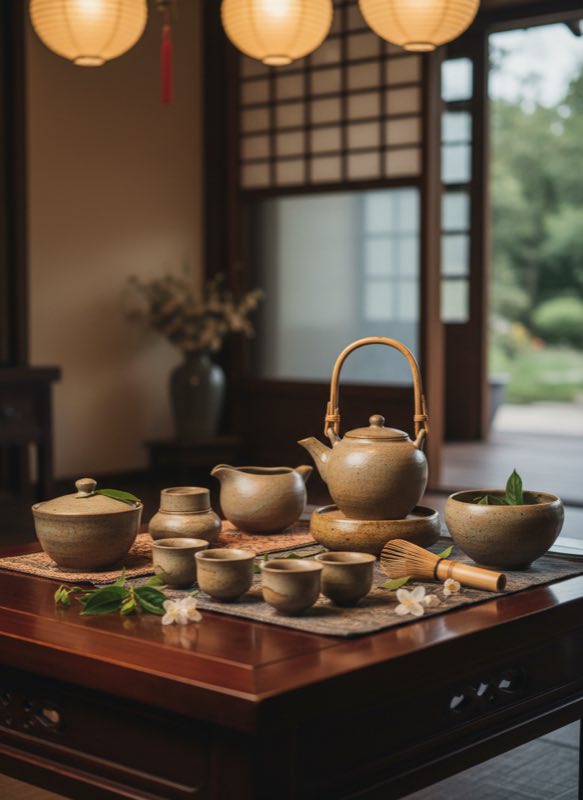
Display as a centerpiece. A beautiful teapot on a wooden tea tray creates an inviting focal point. Arrange with matching cups and a fairness pitcher for visual cohesion.
Create a tea corner. Dedicate a small area to tea with your dragon tea pot collection, cups, and accessories. This encourages you to slow down and enjoy the ritual.
Mix and match thoughtfully. Pair bold teapots with simpler cups for balance. Maintain a cohesive color palette or design theme across your collection.
Whether you are new to exquisite dragon tea pot collection or looking to deepen your understanding, the key is to start with quality materials and consistent practice. Small adjustments in your approach can make a noticeable difference in your overall experience and enjoyment.
Key Stats: Dragon Tea Pot Collection at a Glance
| Attribute | Detail |
|---|---|
| Material | High-fired stoneware or porcelain |
| Firing Temperature | 2200-2400°F (1200-1320°C) |
| Typical Capacity | 150-400 ml (5-13.5 oz) |
| Recommended Care | Hand wash, warm water only |
| Lifespan with Proper Care | 10-20+ years |
| Price Range | $15-300+ per piece |
❓ FAQ About Dragon Tea Pot Collection
❓ Is dragon tea pot collection safe for daily use?
Yes, high-fired ceramic teaware is completely safe for daily use. The vitrified glaze creates an inert, non-porous surface that does not leach chemicals. The curated collection includes only properly fired, food-safe pieces.
❓ Can I put dragon tea pot collection on the stove?
No. Ceramic teapots are not designed for direct heat. Use a separate kettle to boil water, then pour into your teapot for steeping. Direct stove heat causes thermal shock and cracking.
❓ How do I season a new clay teapot?
For Yixing clay: rinse with warm water, then brew 3-5 rounds of your chosen tea and discard. The porous clay begins absorbing tea oils, which will enhance future brews. For glazed porcelain or stoneware, a simple warm water rinse is sufficient.
Understanding these nuances helps you appreciate why tenmoku cups have remained popular for centuries. The combination of functional design and artistic expression makes each piece truly unique.
Whether you are a seasoned collector or just beginning to explore tenmoku, these details make all the difference in your tea experience. The right cup transforms an ordinary moment into something special.
Every tenmoku piece tells a story through its glaze patterns and form. As you explore different styles, you develop a deeper appreciation for the artistry behind each cup.
📚 References
– Metropolitan Museum of Art. “Ceramics and Tea Culture.” metmuseum.org
– ScienceDirect. “Ceramic Material Properties.” sciencedirect.com
– Victoria and Albert Museum. “Caring for Ceramics.” vam.ac.uk
Discover your perfect teapot — explore Zen Tea Cup’s collection of handcrafted teaware.


