

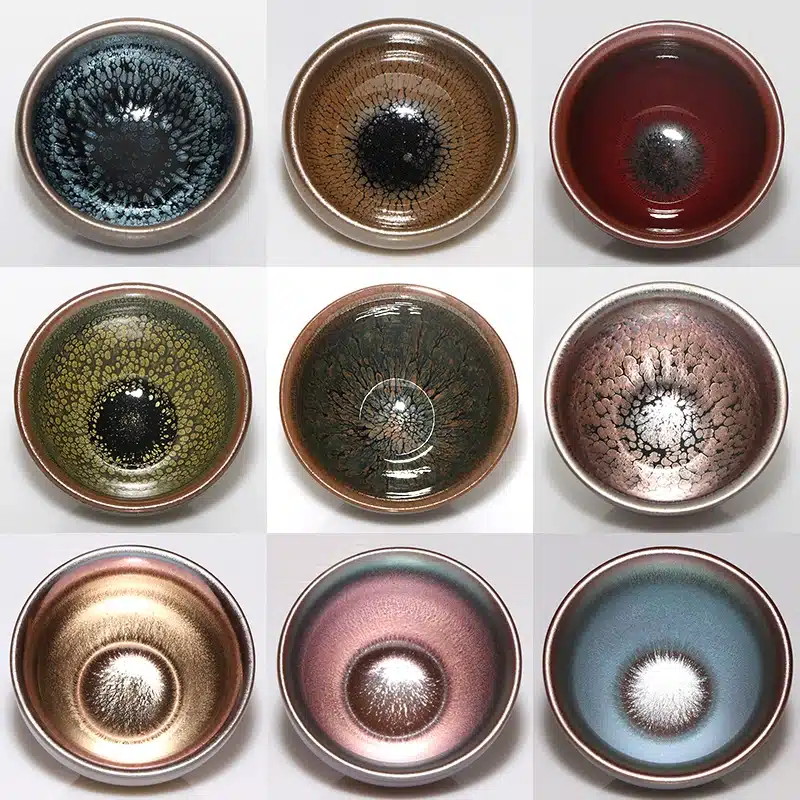
Discover authentic tenmoku at Zen Tea Cup.
Contents
- How to Choose Jian Zhan: A Practical Guide
- Step 1: Choose Your Shape
- Step 2: Select Your Glaze Pattern
- Hare’s Fur (Tu Hao 兔毫)
- Oil Spot (You Di 油滴)
- Partridge Spot (Gu Ban 鹧鸪斑)
- Step 3: Verify Authenticity
- Check the Foot Ring
- Examine the Glaze Under Light
- Step 4: Consider Your Budget
- Step 5: Match Your Tea Type
- Key Stats: Choosing Jian Zhan
- ❓ FAQ: Choosing Jian Zhan
- ❓ Should I buy one expensive Jian Zhan or several affordable ones?
- ❓ How do I know if a Jian Zhan is food-safe?
- ❓ Can I use my Jian Zhan every day?
- Where to Buy Authentic Jian Zhan
How to Choose Jian Zhan: A Practical Guide
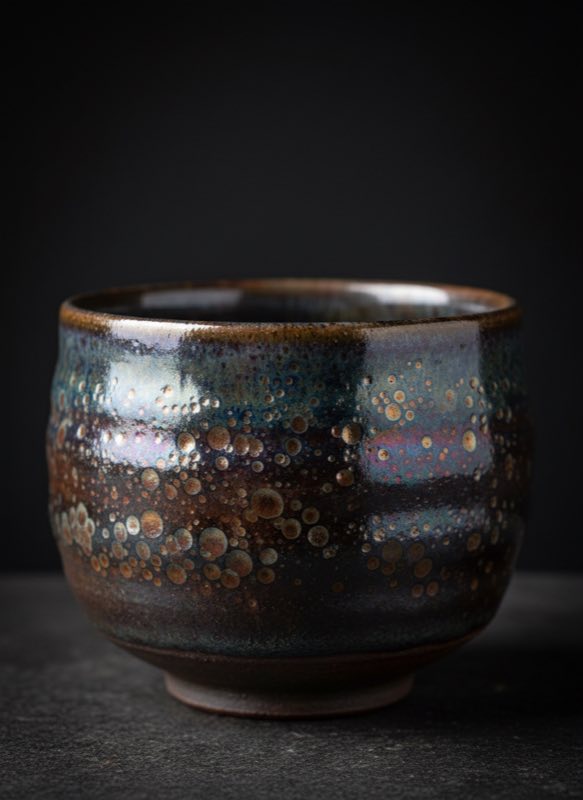
Choosing the right Jian Zhan tea cup can feel overwhelming when you first encounter the dazzling variety of glaze patterns, shapes, and sizes available. If you are new to tenmoku tea cups, this guide will walk you through every factor you need to consider before making your purchase. You can start with the tenmoku teaware beginner guide for foundational knowledge, then return here for detailed purchasing advice. We will cover shape selection, glaze pattern choices, authentication methods, budget considerations, and tea pairing recommendations so you can make a confident, informed decision.
Step 1: Choose Your Shape
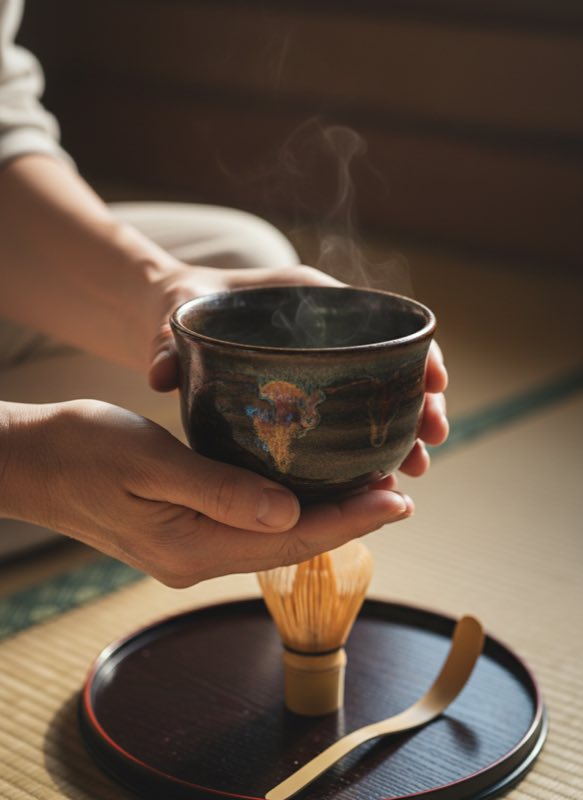
Jian Zhan comes in four classic shapes, each designed for different tea experiences. You should select the shape that matches your primary tea-drinking style:
Shu Kou (束口) — The inward-curving rim makes this the most versatile shape. If you drink multiple tea types or practice matcha, the Shu Kou is your best starting choice. It retains heat 15-20% longer than open shapes.
Chang Kou (敞口) — The wide-open rim maximizes aroma release. Choose this shape if you primarily drink fragrant teas like light oolong or white tea where aroma is the primary pleasure.
Pie Kou (撇口) — A slight outward flare creates a comfortable sipping experience. This is the best all-purpose shape if you want one bowl for daily use with various tea types.
Lian Kou (敛口) — A gentle inward curve provides excellent heat retention with moderate aroma release. Ideal for slow sipping of dark oolong or ripe pu-erh.
When considering shape, you should also think about how you typically hold your tea bowl — cradled in both palms for warmth, or pinched by the rim for quick sipping. Different shapes accommodate different holding styles.
You should also consider the physical size of your Jian Zhan relative to your hands. A bowl that is too large feels awkward and unstable, while one that is too small restricts the tea leaves and prevents proper infusion. Most adults find bowls with a 4.0-4.8 inch (10-12 cm) rim diameter most comfortable for daily use. If you have smaller hands, look for bowls in the 3.5-4.0 inch (9-10 cm) range. The weight should feel balanced — not so heavy that it causes fatigue during extended gongfu cha sessions, but substantial enough to feel stable when filled with hot tea. The tenmoku size guide provides detailed measurements for each shape to help you find the perfect fit.
Step 2: Select Your Glaze Pattern
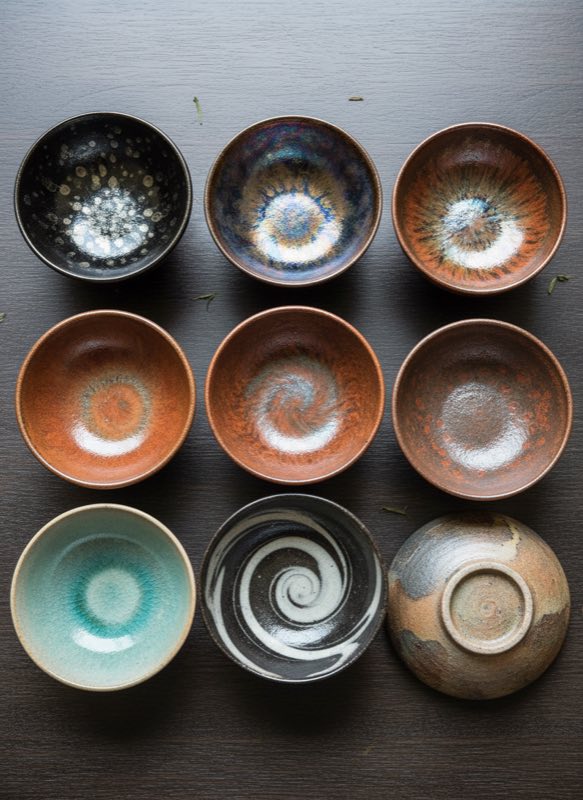
The glaze pattern is the most visually striking feature of any Jian Zhan, and it also affects your tea experience. Here are the main patterns you will encounter:
Hare’s Fur (Tu Hao 兔毫)
Fine parallel streaks resembling rabbit fur, typically silver or golden against a dark background. This is the most common pattern and an excellent choice for beginners. Hare’s fur bowls are widely available and represent the best value for your money, typically ranging from $30 to $150 USD for quality handmade pieces. The fine streaks create a subtle shimmer effect when you rotate the bowl under light, and no two hare’s fur patterns are ever exactly alike.
Oil Spot (You Di 油滴)
Round metallic spots scattered across the glaze surface. Oil spot patterns range from small, densely packed spots to large, dramatic circles. Prices start around $50 for basic oil spot and can exceed $500 for exceptional examples with large, lustrous spots.
Partridge Spot (Gu Ban 鹧鸪斑)
The rarest and most valuable pattern, featuring silvery-white spots that resemble partridge feathers. Due to the extreme difficulty of firing (only 1-2% success rate), genuine partridge spot bowls start at $200 and can reach thousands of dollars. The partridge spot bowls have the strongest investment potential among all Jian Zhan types.
Step 3: Verify Authenticity
The market contains many machine-made imitations that look similar to authentic Jian Zhan but lack the craftsmanship and tea-enhancing properties of handmade pieces. You should always verify authenticity before purchasing.
Check the Foot Ring
Authentic Jian Zhan has an unglazed foot ring showing dark, iron-rich clay. The clay should feel slightly rough and display natural variations in color and texture. Perfectly smooth, light-colored, or uniform foot rings suggest non-traditional production.
Examine the Glaze Under Light
When you tilt a genuine Jian Zhan under direct light, the glaze should display a metallic luster that shifts with the viewing angle. This optical effect results from the iron oxide crystal structure and cannot be replicated by surface printing or painting. Machine-made imitations may look similar in photographs, but in person they lack the depth, dimensionality, and color-shifting quality that distinguishes authentic Jian Zhan glaze. See the handmade tenmoku identification guide for detailed authentication techniques.
Step 4: Consider Your Budget
Jian Zhan prices vary dramatically based on glaze pattern, quality, and whether the piece is handmade or machine-produced. Here is a realistic budget guide:
| Category | Price Range (USD) | Characteristics |
|———-|——————-|—————–|
| Entry-Level Machine | $15-30 | Basic patterns, uniform glaze |
| Quality Handmade | $30-150 | Natural patterns, good craftsmanship |
| Collector Quality | $150-500 | Exceptional patterns, master potters |
| Investment Grade | $500-5000+ | Rare patterns, top-tier craftsmanship |
You should start with a quality handmade piece in the $30-150 range rather than buying multiple cheap machine-made bowls. One good Jian Zhan will provide a far better tea experience than several inferior ones. The iron-rich clay in handmade pieces actually enhances tea flavor by interacting with tannins and polyphenols, a benefit that mass-produced ceramic bowls simply cannot provide.
Step 5: Match Your Tea Type
Different Jian Zhan shapes and glaze patterns pair better with certain teas. If you primarily drink one type of tea, optimize your choice accordingly:
Aged pu-erh — Choose a Shu Kou or Lian Kou shape for heat retention. The iron-rich glaze interacts with pu-erh compounds to soften tannins and enhance earthy notes.
Oolong — A Chang Kou shape releases the complex aromas of high-quality oolong. Pour at 195°F (90°C) and enjoy the fragrance that blooms in the wide opening.
Matcha — The Shu Kou is the traditional choice for matcha preparation. The inward rim contains the whisked tea and the thick walls maintain temperature during the ceremony.
Key Stats: Choosing Jian Zhan
| Factor | Recommendation |
|——–|—————|
| Best Beginner Shape | Shu Kou (束口) |
| Best Beginner Pattern | Hare’s Fur (兔毫) |
| Ideal Budget Range | $30-150 USD |
| Minimum Weight | 5.3 oz (150 g) |
| Firing Temperature | 1300°C (2372°F) |
| Iron Oxide Content | 7-8% |
❓ FAQ: Choosing Jian Zhan
❓ Should I buy one expensive Jian Zhan or several affordable ones?
One quality handmade piece is always better than several machine-made ones. The tea experience in a handmade Jian Zhan — with its natural glaze patterns, iron-rich clay, and proper heat retention — is fundamentally different from what machine-produced bowls can offer. Start with one good piece and expand your collection gradually.
❓ How do I know if a Jian Zhan is food-safe?
Authentic Jian Zhan fired at 1300°C (2372°F) is completely food-safe. The high firing temperature vitrifies the glaze, creating a non-porous, chemically stable surface. However, you should avoid bowls with cracked or flaking glaze, and never use bowls with interior copper or red overglaze decorations, which may contain lead or cadmium. Always purchase from reputable dealers who can verify their firing processes.
❓ Can I use my Jian Zhan every day?
Absolutely. Jian Zhan was designed for daily tea drinking, and regular use actually improves the bowl through patina development. Daily tea contact creates a protective layer on the interior surface and enhances the glaze luster over time. The key is proper care — rinse with warm water, dry thoroughly, and store in a well-ventilated area. You can find complete care instructions in the new tenmoku cup owner guide.
📚 References
– ScienceDirect. “Iron Oxide Ceramics and Tea Interaction.” sciencedirect.com
– Metropolitan Museum of Art. “Song Dynasty Ceramics.” metmuseum.org
– Chen, K. S. (2017). “The Art of Jian Zhan: From Song to Modern.” Asian Ceramic Review, 33(1), 78-95.
Where to Buy Authentic Jian Zhan
You have several options when purchasing Jian Zhan, and the source you choose significantly affects both authenticity and value. Direct-from-kiln purchases from Jianyang offer the widest selection and lowest prices, but require knowledge of Chinese language and shipping logistics. Online retailers specializing in tenmoku tea ware provide curated selections with verified authenticity, though at somewhat higher prices. The handmade pieces from established retailers typically include quality guarantees and care instructions that direct purchases may not provide.
Avoid general marketplace listings that lack provenance information or authentication details. If a deal seems too good to be true — a “partridge spot” bowl for $15, for example — it almost certainly is. Authentic handmade Jian Zhan requires significant labor, skill, and firing resources that dictate a minimum price floor.
Find your perfect first Jian Zhan at Zen Tea Cup’s tenmoku collection — authentic handmade bowls with free US shipping.


