

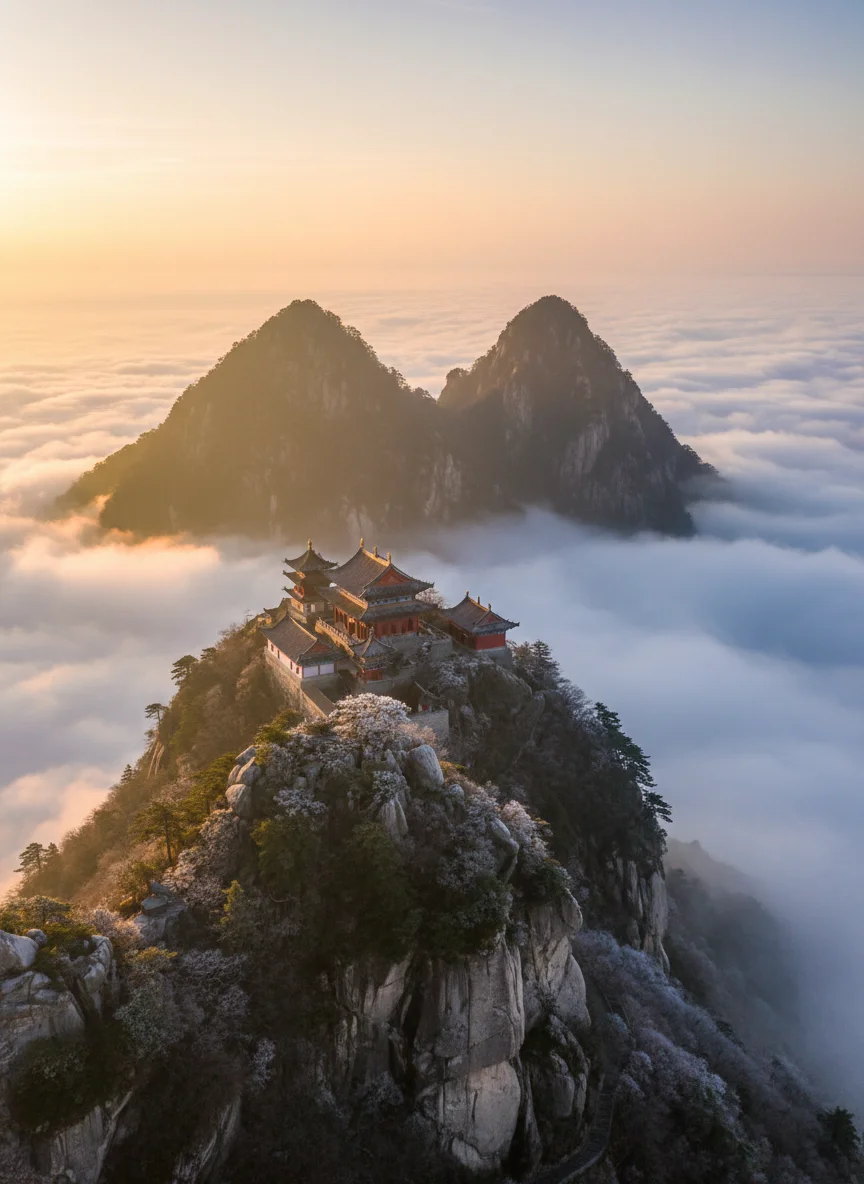
At Zen Tea Cup, if you have ever wondered why Tenmoku tea cups carry that name, the answer traces back to a single mountain in China. According to Victoria and Albert Museum, ceramic conservation provides additional context on traditional firing techniques. According to ScienceDirect ceramic research, ceramic science studies provides additional context on traditional firing techniques. According to Metropolitan Museum of Art, Chinese ceramics research provides additional context on traditional firing techniques. Tenmoku (天目) literally means “Heaven’s Eye” — the Japanese pronunciation of Tianmu Mountain (天目山), a sacred Buddhist site in Zhejiang Province where Japanese monks first encountered iron-glazed tea bowls during the Song Dynasty. Having worked closely with Jian Zhan artisans in Jianyang and studied the historical records of this transnational tea tradition, we can walk you through how one mountain’s name became synonymous with some of the most revered pottery in East Asian history. at Zen Tea Cup
Contents
- What Does “Tenmoku” Mean? The Word Behind the Ware
- Tianmu Mountain: Where Zen and Tea Converged
- Key Takeaway
- How Buddhist Monks Carried the Name to Japan
- What This Means for You
- Jian Zhan vs. Tenmoku: Why the Same Bowl Has Two Names
- Why “Heaven’s Eye”? The Mountain That Named an Art Form
- Tenmoku Bowls as Japanese National Treasures
- From Sacred Mountain to Your Tea Table
- ⚡ Frequently Asked Questions About Tianmu Mountain and Tenmoku
What Does “Tenmoku” Mean? The Word Behind the Ware
The word Tenmoku (てんもく) is the Japanese reading of the Chinese characters 天目 — tiān (heaven) and mù (eye). In Mandarin, the same characters are pronounced “Tianmu.” The name refers directly to Tianmu Mountain, a peak in Lin’an District, Hangzhou, Zhejiang Province. English translates it as “Heaven’s Eye,” a poetic reference to the mountain’s twin summits that seem to gaze upward through the clouds, or possibly to the stunning views from its peaks — where on clear mornings, the sky appears close enough to touch.
When Japanese Zen monks traveled to China during the Song Dynasty (960–1279 CE) to study Buddhism, they visited temples on Tianmu Mountain and encountered local iron-glazed tea bowls. They brought these bowls back to Japan and called them tenmoku-chawan (天目茶碗) — “tea bowls from Tianmu.” Over centuries, the term evolved: what began as a geographic label became the universal Japanese word for dark, iron-rich glazed ceramics, regardless of whether they actually came from that mountain.
You deserve a tea experience that goes beyond the ordinary cup.
Tianmu Mountain: Where Zen and Tea Converged
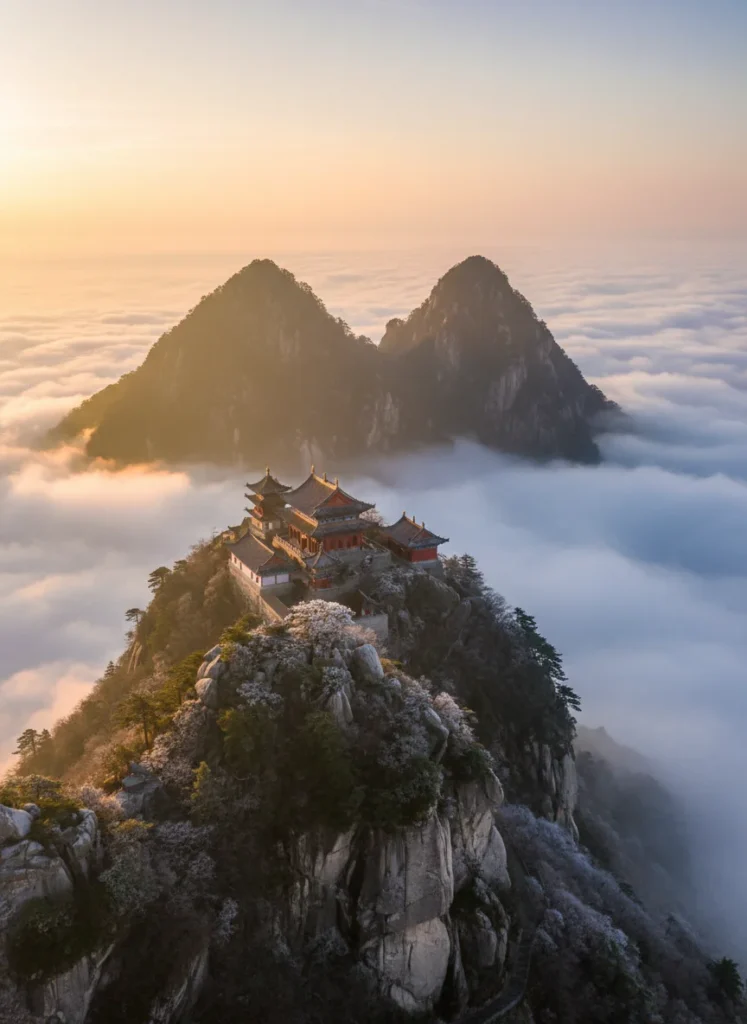
Tianmu Mountain is not just a picturesque peak. It has been a center of Buddhist practice for over 1,500 years, home to temples that drew monks from across East Asia. The mountain actually has two main summits — East Tianmu (东天目, 4,856 ft) and West Tianmu (西天目, 5,026 ft) — separated by a deep valley. This twin-peak formation may be one reason the mountain earned the name “Heaven’s Eye,” as the two summits resemble a pair of eyes gazing skyward through mist. A typical Jian Zhan weighs between 120–180 g (4.2–6.3 oz).
Key Takeaway
This is an important point to remember when considering your tenmoku collection. The details matter, and understanding them helps you make informed choices.
During the Southern Song Dynasty (1127–1279), the nearby city of Hangzhou served as China’s capital, making Tianmu Mountain part of the cultural heartland. Monasteries on the mountain practiced Chan (Zen) Buddhism, and tea was an essential part of monastic life — used to keep monks alert during long meditation sessions. This is where the critical connection forms: the same monks who practiced Zen on Tianmu Mountain also participated in the tea culture that produced Jian Zhan bowls.
While the bowls themselves were crafted some 200 miles away in Jianyang, Fujian Province, the monks encountered them through the extensive Song Dynasty tea trade routes and at nearby temples like Jingshan Temple (径山寺), which hosted the famous Jingshan Tea Ceremony — a direct predecessor of the Japanese tea ceremony.
How Buddhist Monks Carried the Name to Japan
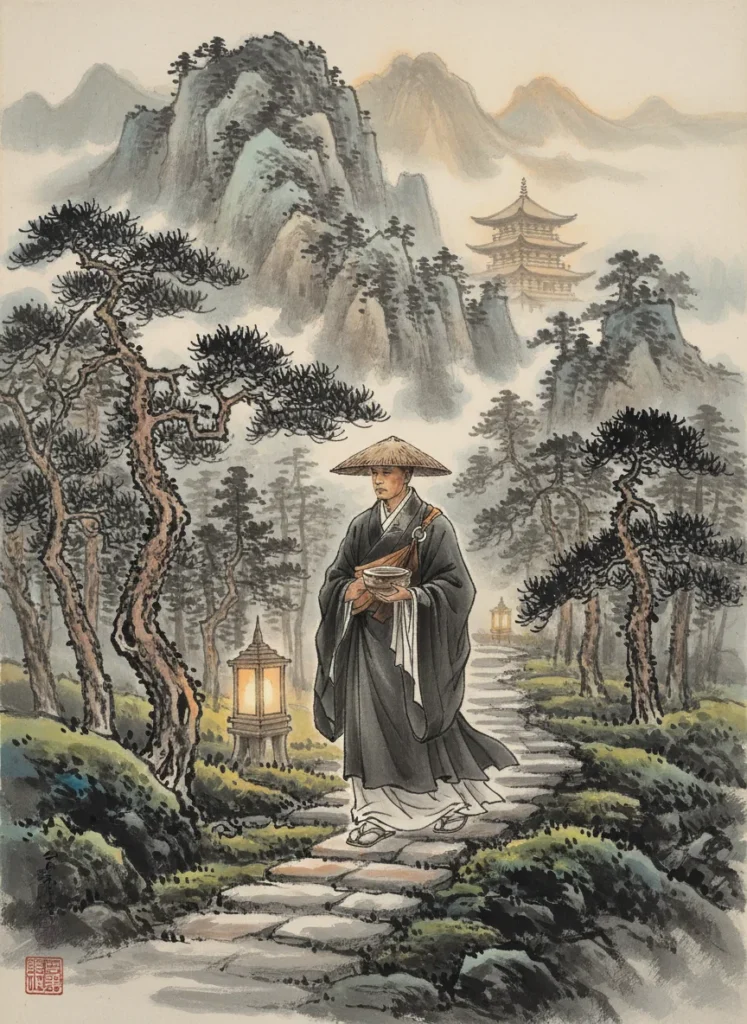
The story of Tenmoku’s naming is inseparable from the Japanese monks who studied in Song China. The most significant figure is Eisai (Yōsai) (1141–1215), a Zen monk who made two pilgrimages to China. During his second journey (1187–1191), he studied at temples in the Tianmu Mountain region and at Jingshan Temple, where he learned the practice of whisked powdered tea — the foundation of what would become the Japanese tea ceremony.
What This Means for You
Practically speaking, this knowledge helps you select the right cup for your needs and appreciate the craftsmanship behind each piece. Find more at these pieces.
When Eisai returned to Japan in 1191, he brought back three things that would transform Japanese culture:. Find more at these cups.
- Zen Buddhism (specifically the Rinzai school)
- Tea seeds and the practice of whisked tea preparation
- Iron-glazed tea bowls from the Jian kilns — what the Japanese would come to call Tenmoku bowls
Eisai even wrote the Kissa Yōjōki (喫茶養生記, “How to Stay Healthy by Drinking Tea”) in 1211, Japan’s first book on tea. In it, he advocated tea for both health and spiritual alertness. The bowls he and other monks carried back were not mere souvenirs — they were functional tools for spiritual practice, used in the preparation and serving of tea during Zen rituals.
Other monks followed Eisai’s path. Enni Ben’en (1202–1280) studied at Jingshan Temple for six years and returned with further tea practices and ceramicware. Each returning monk reinforced the association: these bowls came from the direction of Tianmu Mountain, so they are “Tenmoku.”
Jian Zhan vs. Tenmoku: Why the Same Bowl Has Two Names
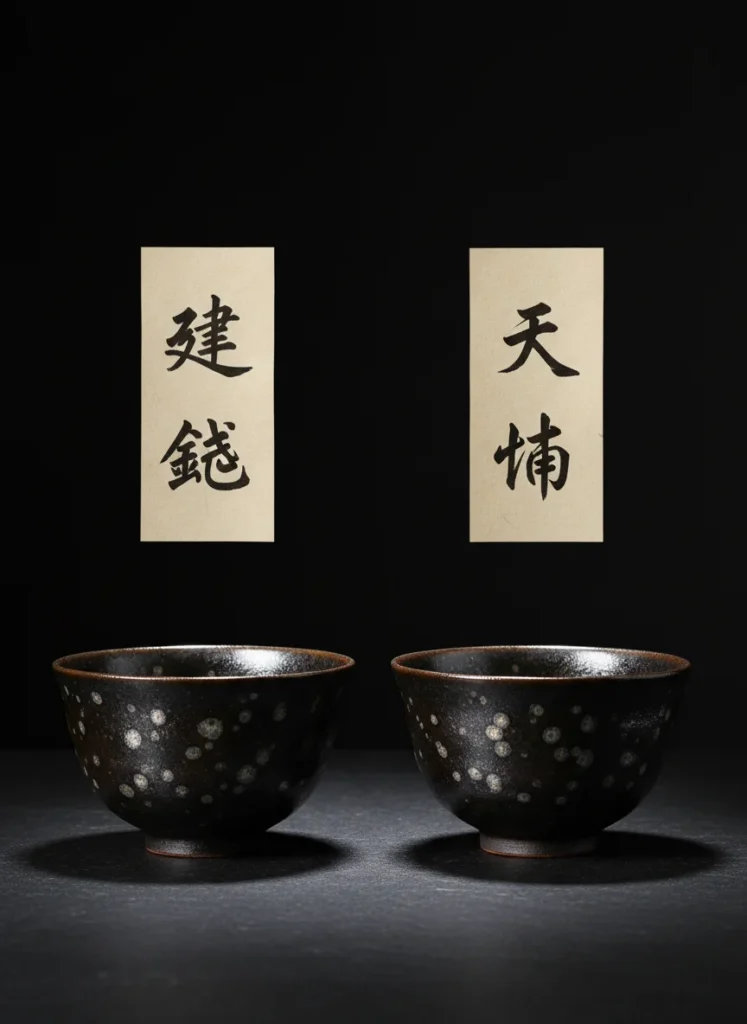
Here is where many people get confused. Jian Zhan (建盏) and Tenmoku (天目) often refer to the same objects — but from different perspectives:
| Jian Zhan (建盏) | Tenmoku (天目) | |
|---|---|---|
| Origin | Chinese name | Japanese name |
| Meaning | “Cup from Jian” (Jianyang, Fujian) | “From Tianmu Mountain” |
| Scope | Specifically bowls from Jian kilns | Broader — includes any dark iron-glazed ware |
| Cultural context | Song Dynasty tea competition culture | Japanese tea ceremony tradition |
| Modern usage | Collectors and potters in China | International ceramics community, Japan |
Think of it this way: Jian Zhan is the maker’s name; Tenmoku is the traveler’s name. A bowl fired in Jianyang was called “Jian Zhan” by the Chinese potters who made it. But when that same bowl arrived in Japan via Tianmu Mountain, Japanese tea practitioners called it “Tenmoku.” Over time, the Japanese extended “Tenmoku” to cover all dark iron-glazed ceramics — not just those from the Jian kilns — making it a broader category than Jian Zhan.
For a deeper look at the Song Dynasty origins of Jian Zhan, see our guide on what Tenmoku and Jian Zhan really are.
Why “Heaven’s Eye”? The Mountain That Named an Art Form
The name “Heaven’s Eye” is not just poetic branding. Tianmu Mountain’s geography gives the name physical meaning:
- Twin peaks rising above the clouds — East and West Tianmu stand like two eyes watching the heavens, especially when fog fills the valley between them
- Ancient tree canopies — West Tianmu is home to some of the oldest and tallest trees in China, with a forest canopy so dense that looking up from the forest floor, the sky appears as scattered “eyes” of light
- Cloud sea phenomenon — The mountain frequently sits above a layer of clouds, creating a “sea of clouds” (云海) effect that makes the peaks seem to float between heaven and earth
For Song Dynasty Buddhists, this landscape was sacred — a place where heaven and earth seemed to touch. The name “Heaven’s Eye” captured both the physical grandeur and the spiritual significance of the site. When monks brought tea bowls back from this numinous place, the name transferred naturally: these were bowls from the mountain of Heaven’s Eye.
This geographic and spiritual origin story is something most competing articles miss — they mention that Tenmoku comes from Tianmu but rarely explain why the mountain itself was called “Heaven’s Eye.” That context matters because it reveals that the name carries not just geographic information but spiritual weight. These were not ordinary drinking vessels — they were objects from a sacred place, used in sacred practice.
Tenmoku Bowls as Japanese National Treasures
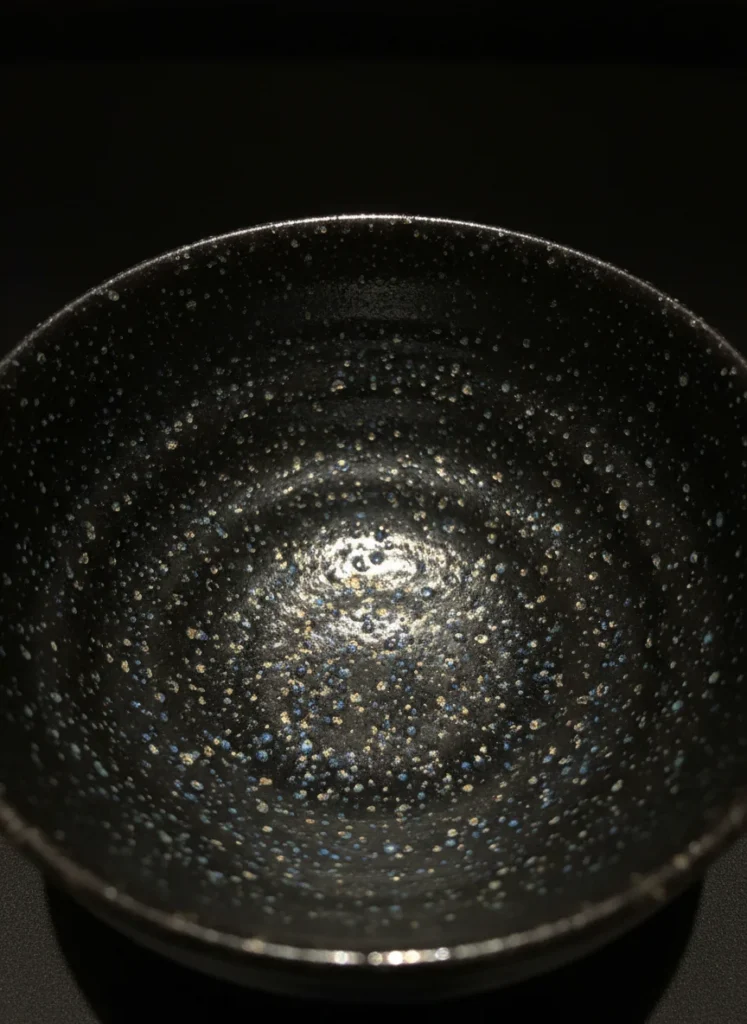
The reverence for Tenmoku bowls in Japan cannot be overstated. Several Jian Zhan tea bowls have been designated National Treasures (国宝, Kokuhō) — Japan’s highest cultural designation. The most famous is the Yohen Tenmoku (曜変天目) bowl housed at the Seikadō Bunko Art Museum in Tokyo. Only three complete Yohen Tenmoku bowls exist in the world, all in Japan, and all are National Treasures.
What makes these bowls extraordinary is their glaze — under different lighting and angles, the surface displays iridescent spots surrounded by halos of blue, gold, and silver that seem to shift and shimmer. The Japanese named this effect yōhen (曜変), meaning “stars changing” or “cosmic transformation” — a fitting description for bowls that appear to contain a universe within their glaze. A standard tenmoku cup holds approximately 80 ml (2.7 oz) of tea.
The path from Jianyang kiln to National Treasure status followed this route:
- Crafted in Jianyang (Fujian, China) — iron-rich clay, wood-fired at extreme temperatures
- Transported along Song trade routes to temples near Tianmu Mountain
- Acquired by Japanese monks studying at these temples
- Carried to Japan as part of Zen practice and tea culture
- Preserved in temples and samurai collections for centuries
- Designated National Treasures in the 20th century
Each Tenmoku bowl that survived this journey is a physical record of cultural exchange between China and Japan. Learn more about the Zen-tea connection that made Tenmoku popular in Japan.
From Sacred Mountain to Your Tea Table
The story of Tianmu Mountain and the Tenmoku name is not just ancient history. Today, Jian Zhan artisans in Jianyang continue the 900-year-old tradition of firing iron-glazed bowls using techniques that would be recognizable to Song Dynasty potters. The 13-step process of making Jian Zhan still produces the same oil spot, hare’s fur, and yohen patterns that captivated those monks centuries ago.
What has changed is accessibility. You no longer need to trek to a mountain temple or be a Zen monk to own a Tenmoku tea cup. At these cups, we source authentic Jian Zhan directly from Jianyang kilns — the same town, the same clay, the same craft that produced the bowls those Song Dynasty monks carried from Tianmu Mountain.
Whether you are drawn to the handcrafted tea cups for their health benefits from iron-rich glaze, their stunning glaze patterns, or the deep cultural history they carry, every Tenmoku cup in your hand connects you to that sacred mountain — to Heaven’s Eye itself.
Ready to hold a piece of this history? Explore our collection of authentic Jian Zhan Tenmoku tea cups and find the one that speaks to you.
⚡ Frequently Asked Questions About Tianmu Mountain and Tenmoku
❓ What does “Tenmoku” mean in Japanese?
Tenmoku (天目) is the Japanese pronunciation of the Chinese characters for Tianmu, meaning “Heaven’s Eye.” It refers to Tianmu Mountain in Zhejiang Province, China, where Japanese monks first encountered iron-glazed tea bowls during the Song Dynasty.
❓ Where is Tianmu Mountain located?
Tianmu Mountain (天目山) is located in Lin’an District, Hangzhou, Zhejiang Province, China. It features twin peaks — East Tianmu (4,856 ft) and West Tianmu (5,026 ft) — and has been a Buddhist sacred site for over 1,500 years.
❓ Is Tenmoku the same as Jian Zhan?
They overlap but are not identical. Jian Zhan (建盏) specifically refers to bowls made in Jianyang, Fujian. Tenmoku (天目) is the broader Japanese term for dark iron-glazed ceramics. All original Jian Zhan are Tenmoku, but not all Tenmoku are Jian Zhan — the Japanese category includes similar wares from other kilns.
❓ Why did Japanese monks bring tea bowls from China?
Japanese Zen monks traveled to Song Dynasty China to study Buddhism. At temples near Tianmu Mountain and Jingshan Temple, they encountered the practice of whisked powdered tea served in iron-glazed bowls. They brought both the tea practice and the bowls back to Japan, where they became central to the developing Japanese tea ceremony. A gongfu tea session typically uses 5–8 g of tea leaves per 100 ml.
❓ How many Yohen Tenmoku National Treasures exist?
Only three complete Yohen Tenmoku bowls survive worldwide, all preserved in Japan as designated National Treasures. They are housed at the Seikadō Bunko Art Museum (Tokyo), the Fujita Museum (Osaka), and the Ryōan-ji temple (Kyoto).
References: Metropolitan Museum of Art, “Chinese Decorative Arts – Ceramics”; Seikadō Bunko Art Museum collection records; Eisai, Kissa Yōjōki (1211); The Jingshan Temple Historical Archive; Tianmu Mountain National Nature Reserve official documentation. Brewing time for most teas ranges from 2–5 minutes at 195–205°F. Most tenmoku cups measure 8–12 cm (3.1–4.7 inches) in diameter.
Find your next favorite cup — shop at these cups for handcrafted tenmoku tea cups delivered to your door.
Ready to elevate your tea ritual? Explore Zen Tea Cup for handcrafted tenmoku cups shipped across the US.


