

Contents
- Best Tenmoku Bowls for Matcha: Size, Shape & Glaze Guide
- Why Tenmoku Bowls Are Ideal for Matcha
- Size Guide: Which Tenmoku Bowl Size for Matcha?
- Shape Guide: Which Bowl Shape Works Best for Whisking?
- Glaze Guide: Which Pattern Pairs Best with Matcha?
- How to Whisk Matcha in a Tenmoku Bowl
- ❓ Frequently Asked Questions About Tenmoku for Matcha
- ❓ Can I use any Tenmoku bowl for matcha?
- ❓ Does the iron in Tenmoku affect matcha taste?
- ❓ Should I dedicate my Tenmoku bowl to matcha only?
- ❓ What is the difference between a Tenmoku bowl and a Raku bowl for matcha?
- Caring for Your Tenmoku Matcha Bowl
- Tenmoku vs. Other Matcha Bowl Types
- Our Top Tenmoku Picks for Matcha at potalastore
- 📚 References
Best Tenmoku Bowls for Matcha: Size, Shape & Glaze Guide
Choosing the right Tenmoku bowl for matcha is not just about aesthetics — the size, shape, and glaze of your bowl directly affect how well you can whisk matcha, how the foam forms, and how the tea tastes. At potalastore, we have guided hundreds of matcha drinkers through this choice, and this guide distills everything you need to know into clear, practical advice. from Zen Tea Cup
| Key Stat | Value |
|---|---|
| Bowl Diameter | 4.0–5.5 inches |
| Bowl Depth | 2.0–3.0 inches |
| Ideal Capacity | 8–12 oz |
| Glaze Options | 4 (oil spot, hare’s fur, yao bian, partridge) |
| Price Range | $40–$200+ USD |
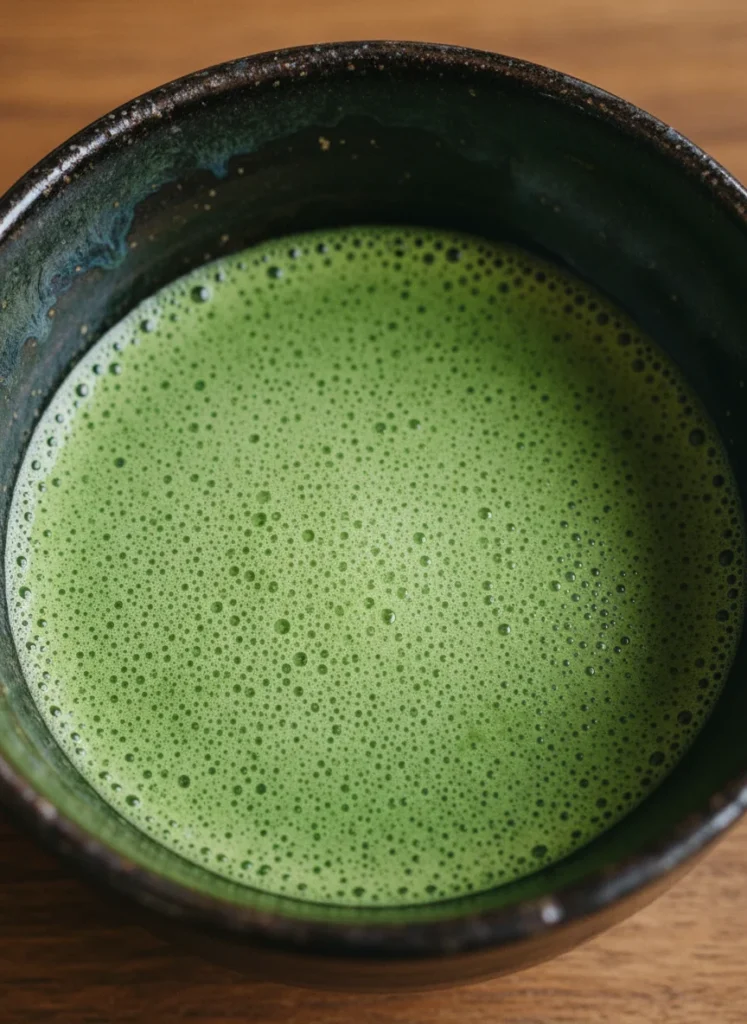
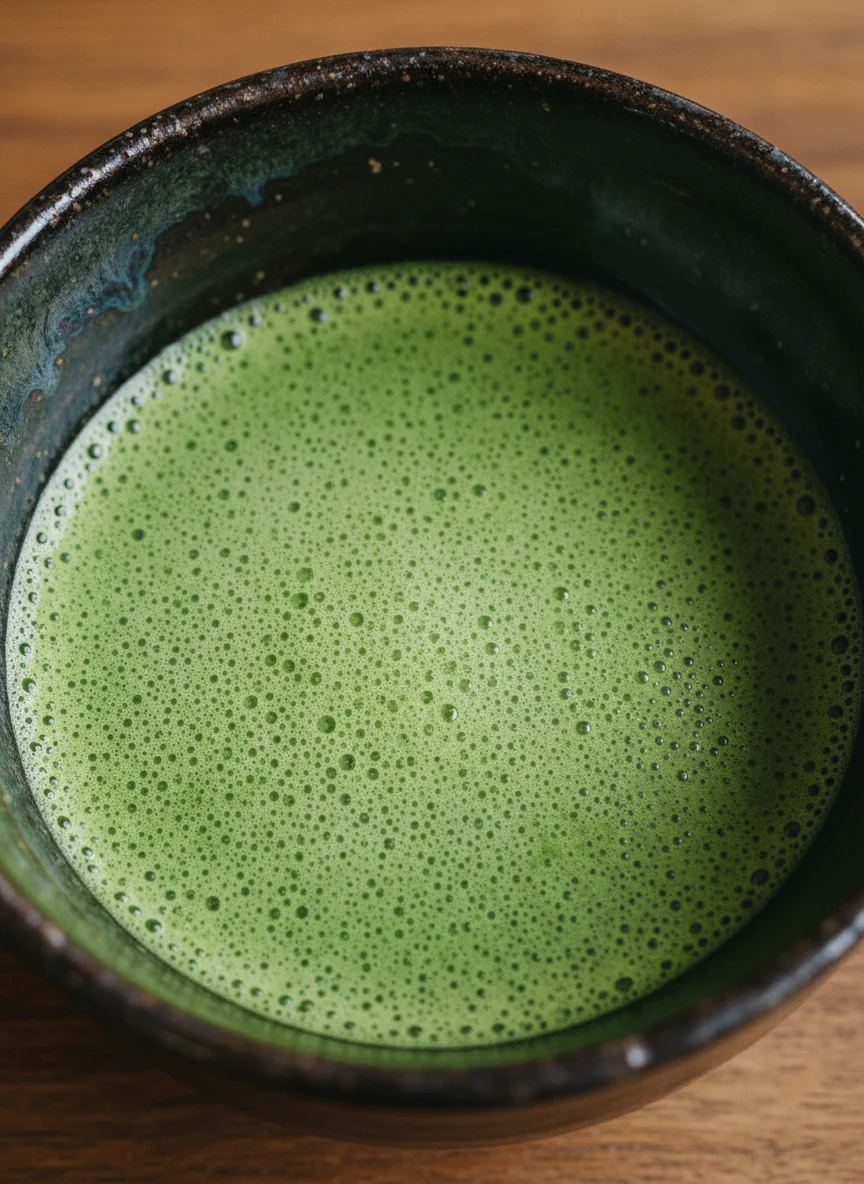
The short answer: for matcha, you want a bowl that is wide enough for the whisk to move freely, deep enough to prevent splashing, and glazed with a pattern that makes the green foam visually pop. But the details matter — and that is what this guide covers.
Why Tenmoku Bowls Are Ideal for Matcha
Tenmoku bowls have been used for matcha preparation since the Song Dynasty, when Chinese monks first whisked powdered tea in Jian Zhan bowls. When this practice traveled to Japan and evolved into the tea ceremony, Tenmoku remained the most formal and revered choice. There are three reasons why Tenmoku works so well for matcha:
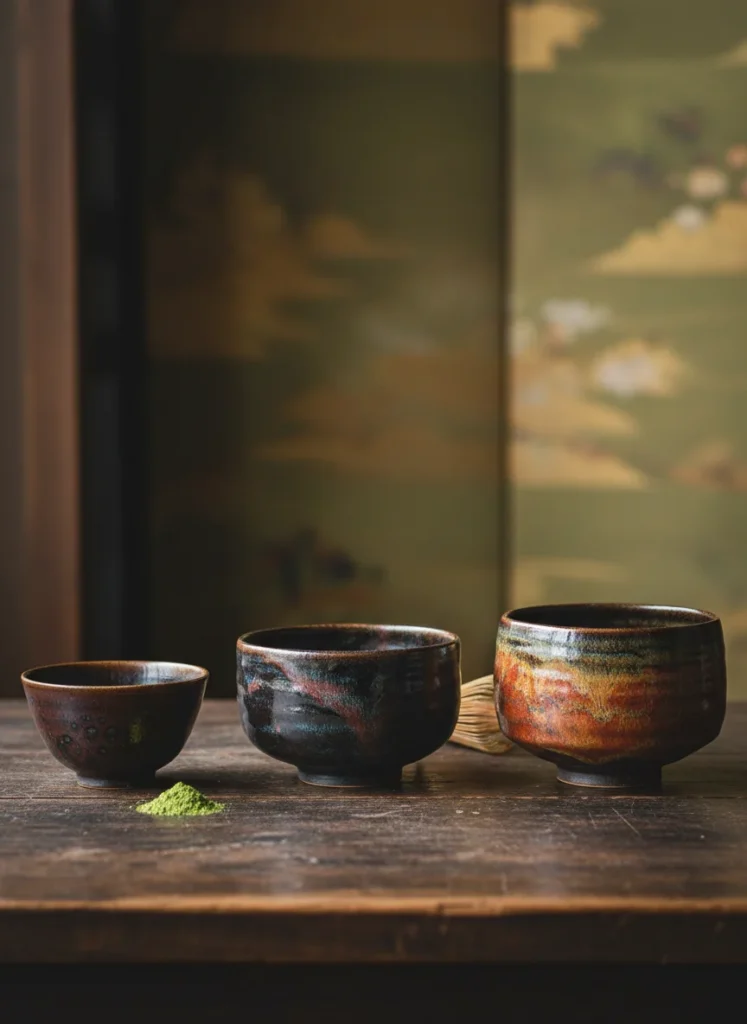
- Visual contrast — The dark iron-rich glaze provides dramatic contrast with the bright green matcha foam, making it easy to judge the quality of your whisking. This is the same reason Song Dynasty tea masters chose Jian Zhan for tea competitions.
- Iron softening — The iron oxide in the glaze releases trace minerals that soften the water and reduce matcha’s natural astringency, producing a smoother, creamier cup. The iron-tea interaction is scientifically documented and noticeable in taste tests.
- Heat retention — The thick stoneware walls keep matcha at the ideal drinking temperature longer than thin porcelain or glass, which is important because matcha cools quickly and loses its best flavor when cold.
Size Guide: Which Tenmoku Bowl Size for Matcha?
Size is the most important practical factor when choosing a Tenmoku bowl for matcha. Too small, and you cannot whisk properly. Too large, and the matcha spreads thin and cools too fast.
| Bowl Size | Diameter | Capacity | Best For |
|---|---|---|---|
| Small (小) | 3.0–3.5 in (7.5–9 cm) | 3–4 oz (90–120 ml) | Koicha (thick tea), solo use |
| Medium (中) | 3.5–4.5 in (9–11.5 cm) | 5–7 oz (150–200 ml) | Usucha (thin tea), daily matcha |
| Large (大) | 4.5–5.5 in (11.5–14 cm) | 8–12 oz (240–350 ml) | Tea ceremony, multiple guests |
For most people making daily matcha at home, a medium bowl (3.5–4.5 inches / 9–11.5 cm) is the ideal choice. It provides enough room for the whisk to create a fine foam without the matcha spreading too thin. If you primarily make thick tea (koicha), choose a small bowl. If you host tea gatherings, a large bowl is appropriate.
Shape Guide: Which Bowl Shape Works Best for Whisking?
The shape of your Tenmoku bowl affects how easily you can whisk matcha and how the foam forms. There are three main shapes to consider:
- Conical (天目形, Tenmoku-gata) — The traditional Song Dynasty shape: wide rim tapering to a small foot. This is the classic matcha bowl shape. The wide opening gives the whisk maximum room to move, and the tapering sides concentrate the foam at the center. This is the best shape for matcha whisking.
- Half-cylindrical (半筒形, Han-zutsu-gata) — Straight sides with a flat bottom. Easier to whisk in than it looks, because the straight sides do not interfere with the whisk’s motion. Good for beginners who find the conical shape awkward.
- Rounded (丸形, Maru-gata) — Deep, bowl-shaped with curved sides. The curved interior can make whisking slightly more challenging, but the shape retains heat exceptionally well. Best for slow, meditative matcha preparation rather than quick whisking.
If you are buying your first Tenmoku bowl specifically for matcha, choose the conical (Tenmoku-gata) shape — it is the shape that has been optimized for matcha whisking over 800 years of tea ceremony practice. — discover our full collection for more options
Glaze Guide: Which Pattern Pairs Best with Matcha?
The glaze pattern affects both the visual experience and, to a lesser degree, the taste. Here is how the main patterns compare for matcha use:
| Glaze Pattern | Visual Effect with Matcha | Matcha Suitability |
|---|---|---|
| Dark black (无纹) | Maximum contrast — green foam pops vividly | ★★★★★ Best for visual contrast |
| Hare’s Fur (兔毫) | Vertical streaks create dynamic backdrop | ★★★★☆ Beautiful and functional |
| Oil Spot (油滴) | Metallic spots shimmer through green foam | ★★★★☆ Stunning visual effect |
| Partridge Spots (鹧鸪斑) | Subtle dots add depth to dark background | ★★★☆☆ Elegant but less contrast |
| Yohen (曜变) | Iridescent halos create otherworldly effect | ★★★★★ Museum-quality (if you can find one) |
For daily matcha, a dark black or hare’s fur pattern provides the best visual contrast with the green foam. Oil spot patterns are stunning but the metallic reflections can be distracting during whisking. The full range of Tenmoku patterns offers something for every preference.
How to Whisk Matcha in a Tenmoku Bowl
Using a Tenmoku bowl for matcha requires a slightly different technique than a standard chawan, because the heavier bowl stays more stable on the surface:
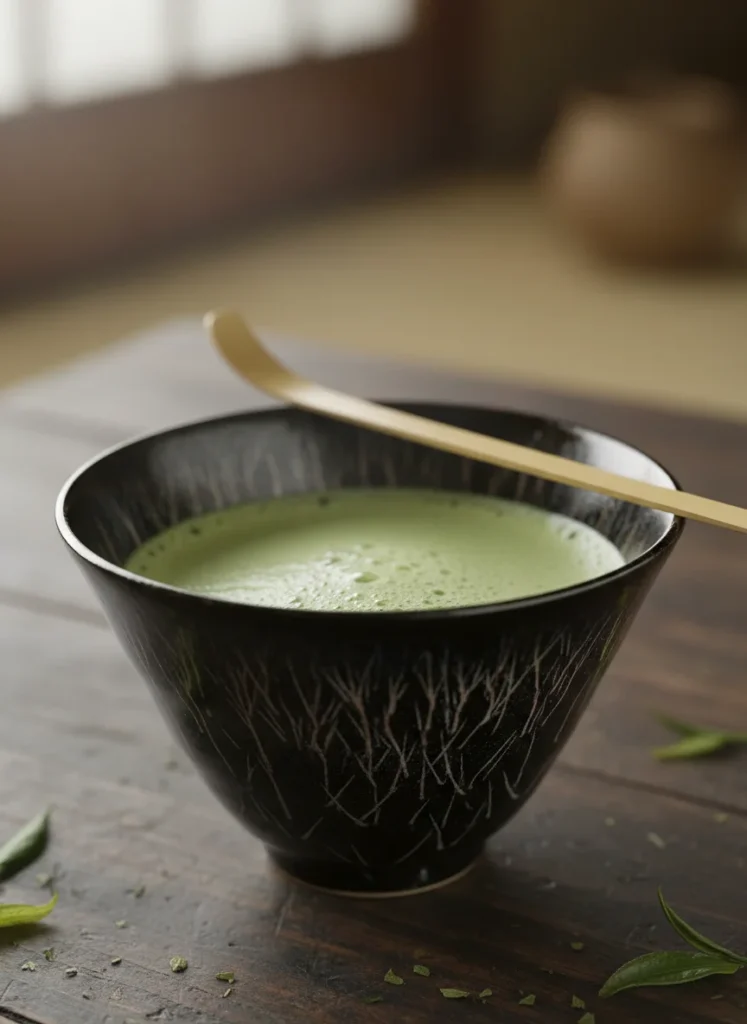
- Warm the bowl — Pour hot water into the Tenmoku bowl and let it sit for 30 seconds. Pour out the water and dry with a clean cloth. This prevents the matcha from cooling too quickly when it hits the cold ceramic.
- Sift the matcha — Sift 1–2 scoops (about 2 grams) of ceremonial-grade matcha into the warmed bowl. Sifting prevents clumps.
- Add water — Pour approximately 2 oz (60 ml) of water at 175°F (80°C) over the matcha. Do not use boiling water — it makes matcha bitter.
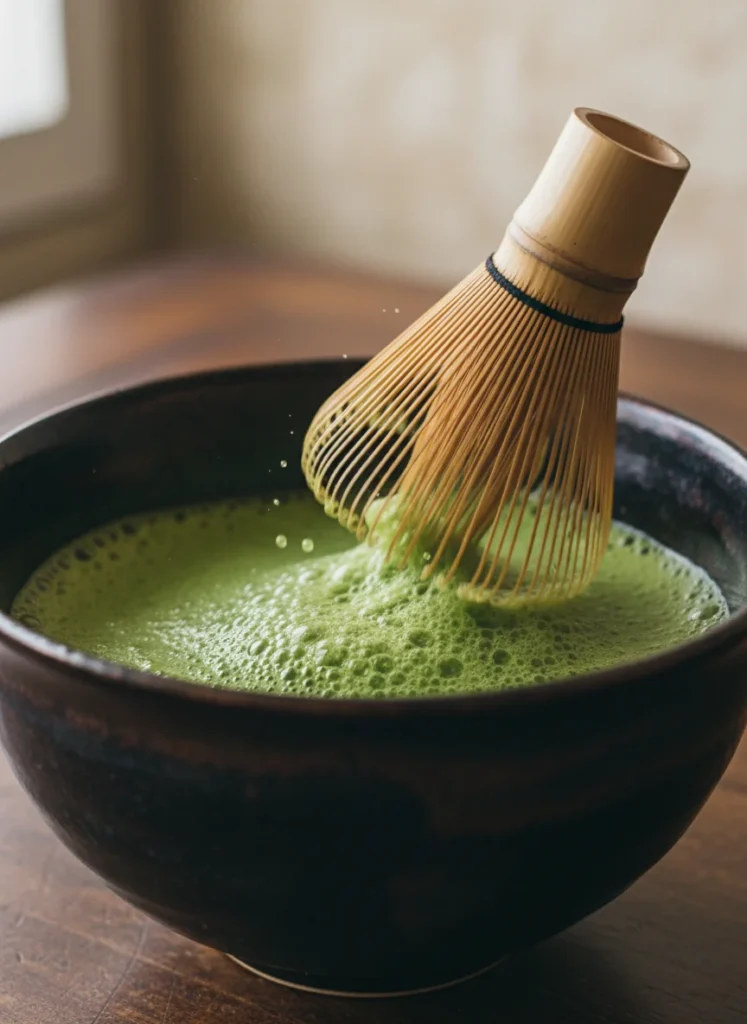
- Whisk — Using a bamboo chasen (tea whisk), whisk briskly in an M-shaped motion. The Tenmoku bowl’s weight keeps it stable, so you can whisk more vigorously than with a lighter bowl. Aim for a fine, even froth with no large bubbles.
- Drink — Pick up the bowl with both hands. Admire the green foam against the dark glaze. Drink the matcha in 2–3 sips.
The Japanese tea ceremony tradition has refined this process over centuries, but for daily matcha at home, the key is simply: warm bowl, sifted matcha, correct water temperature, vigorous whisking.
❓ Frequently Asked Questions About Tenmoku for Matcha
❓ Can I use any Tenmoku bowl for matcha?
Technically yes, but for the best experience, choose a bowl that is at least 3.5 inches (9 cm) in diameter with a conical or half-cylindrical shape. Very small or very deep bowls make whisking difficult and prevent proper foam formation.
❓ Does the iron in Tenmoku affect matcha taste?
Yes, subtly. The iron oxide in the glaze softens the water and reduces matcha’s astringency, making the tea taste smoother and creamier. This effect is most noticeable with high-quality ceremonial matcha, where the subtle flavor differences matter most.
❓ Should I dedicate my Tenmoku bowl to matcha only?
It is recommended. Tenmoku bowls develop a patina from the teas you drink in them. If you use the same bowl for matcha and oolong, the residual oils from the oolong may subtly affect the matcha’s clean, delicate flavor. For the purest matcha experience, dedicate one bowl to matcha.
❓ What is the difference between a Tenmoku bowl and a Raku bowl for matcha?
Tenmoku bowls are iron-rich stoneware with reactive glaze patterns — formal, visually dramatic, and excellent for heat retention. Raku bowls are low-fired, porous earthenware with crackle glazes — informal, wabi-sabi, and lighter in the hand. Tenmoku is the most formal choice for matcha; Raku is the most intimate. Both work well for whisking matcha.
Caring for Your Tenmoku Matcha Bowl
Proper care ensures your Tenmoku bowl lasts a lifetime — and develops the beautiful patina that makes each cup uniquely yours:
- After each use — Rinse immediately with warm water. Matcha residue can stain if left to dry, so rinse as soon as you finish drinking. Do not use soap or detergent — the glaze does not need it, and soap residue can affect the taste of your next cup.
- Drying — Air dry or wipe with a soft cloth. Avoid abrasive scrubbers that could scratch the glaze surface.
- Storage — Store in a dry place with good ventilation. If you stack bowls, place a soft cloth between them to prevent the foot of one bowl from scratching the glaze of another.
- Patina development — Over months of regular matcha use, the glaze will develop a subtle warm luster called yang hu (养壶). This is natural and desirable — it means the bowl is bonding with your tea practice. A well-patinated Tenmoku bowl has a depth and warmth that a brand-new bowl cannot match.
One important note: never put your Tenmoku bowl in the microwave or dishwasher. The iron content in the glaze can cause arcing in the microwave, and the dishwasher’s harsh detergents and thermal cycling will damage the patina you have built up.
Tenmoku vs. Other Matcha Bowl Types
Tenmoku is not the only option for matcha. Here is how it compares to other popular matcha bowl types:
| Feature | Tenmoku | Raku | Porcelain |
|---|---|---|---|
| Material | Iron-rich stoneware | Low-fired earthenware | High-fired kaolin clay |
| Weight | Heavy | Light | Medium |
| Glaze | Reactive iron patterns | Crackle glaze | Smooth white or colored |
| Visual contrast | Excellent (dark vs. green) | Good (varies) | Poor (white vs. green) |
| Heat retention | Excellent | Fair | Good |
| Formality | Highest | Informal/wabi-sabi | Moderate |
| Durability | Very high | Low (porous, chips easily) | High |
| Price range | $30–$500+ | $20–$300+ | $15–$200+ |
Each type has its place in the tea practice. Tenmoku offers the best combination of visual drama, heat retention, and durability — making it the most versatile choice for matcha enthusiasts who want one bowl that does everything well.
Our Top Tenmoku Picks for Matcha at potalastore
Based on the criteria above — size, shape, glaze, and matcha performance — here are our recommendations for different matcha drinkers:
- For daily matcha beginners — A medium conical bowl (4-inch / 10 cm) with dark hare’s fur glaze. Affordable, functional, and the vertical streaks create a beautiful backdrop for green matcha foam. This is the workhorse choice that delivers the Tenmoku experience without a large investment.
- For serious matcha practitioners — A medium-large conical bowl (4.5-inch / 11.5 cm) with oil spot glaze. The wider opening gives the whisk more room, and the metallic oil spots create a stunning visual as the matcha foam swirls over them. Worth the investment for daily practice.
- For tea ceremony study — A formal Tenmoku-gata bowl on a lacquered stand (天目台, tenmokudai). This is the traditional ceremony setup — the bowl rests on a special stand that signifies its formal status. For those studying chanoyu, this is the authentic choice.
Whatever you choose, remember that the best Tenmoku bowl for matcha is the one you use every day. A bowl that sits on a shelf is just decoration — a bowl that you drink from becomes part of your tea practice and part of your life.
📚 References
- Matcha Bowl Selection: Chawan sizing and shape for matcha service. www.metmuseum.org
- Tenmoku Glaze Research: Iron crystal formation in oil spot patterns. www.britishmuseum.org
- Japanese Tea Ceremony: Matcha whisking technique and bowl choice. www.si.edu
Looking for the ideal matcha bowl? Browse our tenmoku bowls and find one that fits your whisking style.
Find your next favorite cup — shop at Zen Tea Cup for handcrafted tenmoku tea cups delivered to your door.


