

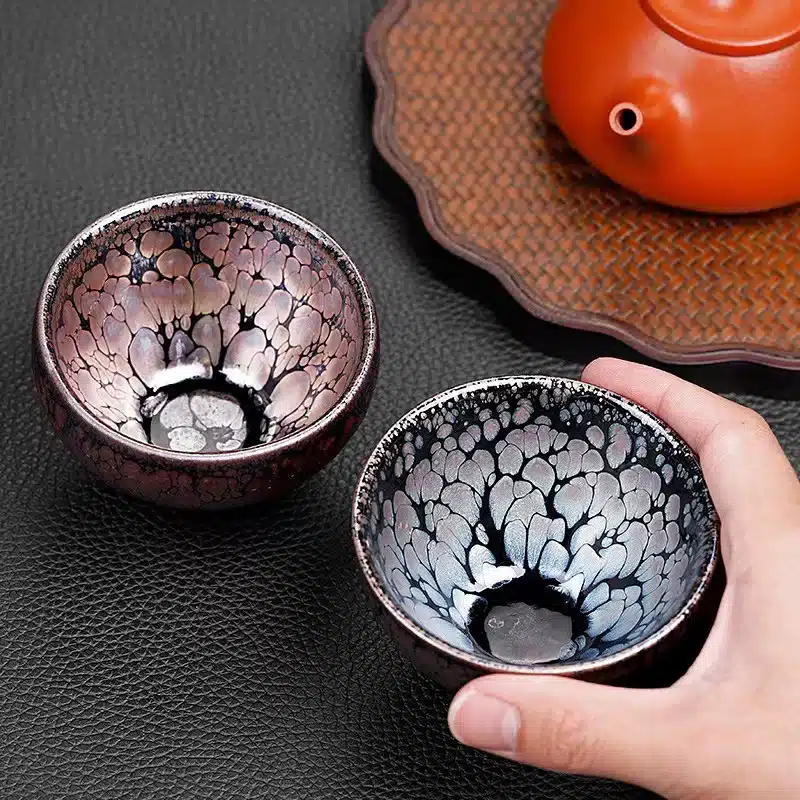
Discover authentic tenmoku at Zen Tea Cup.
Contents
- Why Jian Zhan Is Called Tenmoku: The Origin Story
- The Tianmu Mountain Connection
- How the Name Diverged Across Cultures
- The International Adoption of “Tenmoku”
- Jian Zhan Production: The Chinese Perspective
- Why Both Names Matter Today
- The Spiritual Dimension of the Name
- Key Stats: Jian Zhan / Tenmoku Naming
- ❓ FAQ: Jian Zhan vs Tenmoku
- ❓ Are Jian Zhan and Tenmoku the same thing?
- ❓ Why do Western collectors prefer the name “Tenmoku”?
- ❓ Is “Tenmoku” used for bowls not made in Jianyang?
- The Modern Revival of Jian Zhan
Why Jian Zhan Is Called Tenmoku: The Origin Story
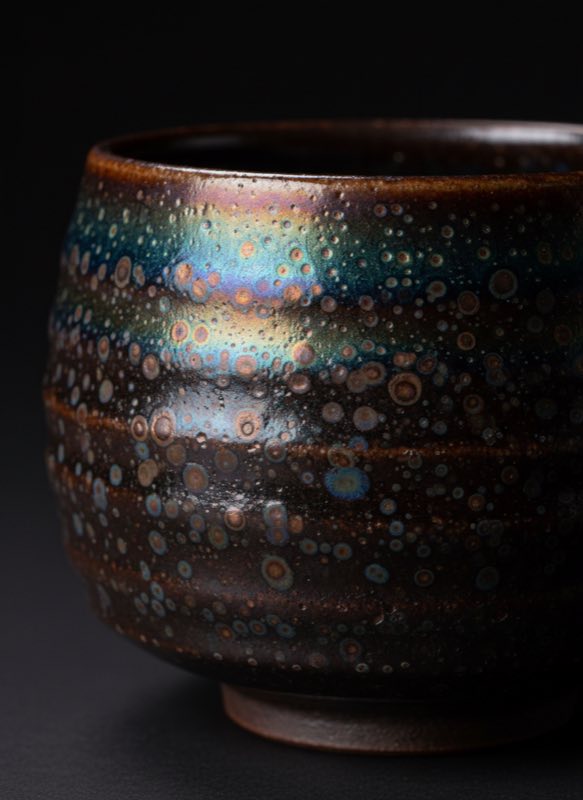
Jian Zhan (建盏) and Tenmoku (天目) are two names for the same remarkable tea bowl, but their origins tell very different stories. If you have ever wondered why collectors and tea practitioners use both terms interchangeably, the answer lies in a fascinating journey across the East China Sea — from the kilns of Fujian Province to the mountain temples of Japan. You can explore the broader context in the tenmoku teaware beginner guide.
The name “Jian Zhan” is Chinese, referring to the bowls produced at the Jianyang kilns in Fujian Province during the Song Dynasty (960-1279 CE). “Tenmoku” is the Japanese pronunciation of “Tianmu” (天目), which means “Heavenly Eye” — the name of a mountain in Zhejiang Province where Japanese monks first encountered these bowls.
The Tianmu Mountain Connection
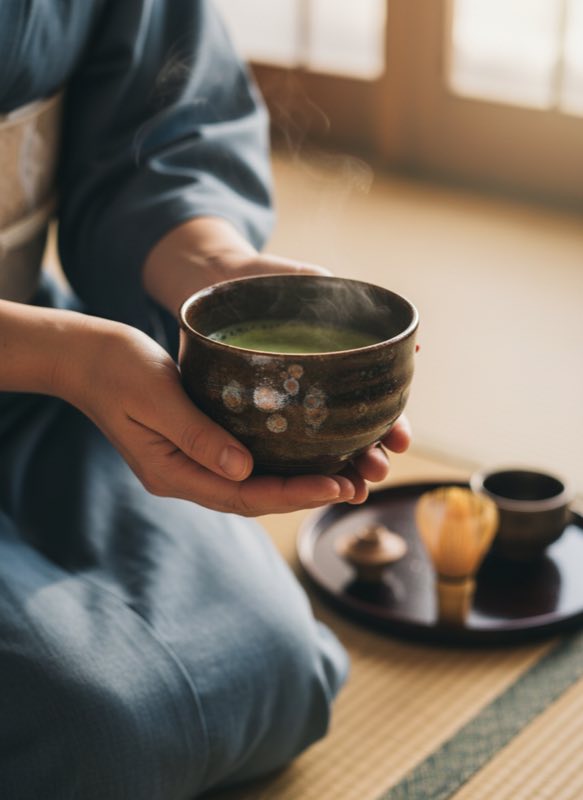
During the Song Dynasty, Japanese Buddhist monks traveled to China to study Zen Buddhism at temples on Tianmu Mountain (天目山) in Zhejiang Province. These monks observed Chinese tea ceremonies using the distinctive dark-glazed bowls from Jianyang. When they returned to Japan, they brought these bowls with them and named them “Tenmoku” after the mountain where they first encountered them.
According to the Metropolitan Museum of Art’s Chinese ceramics collection, this cultural exchange fundamentally shaped Japanese tea culture. The bowls that Chinese potters called “Jian Zhan” became known as “Tenmoku” in Japan, and the Japanese name eventually gained international recognition.
How the Name Diverged Across Cultures
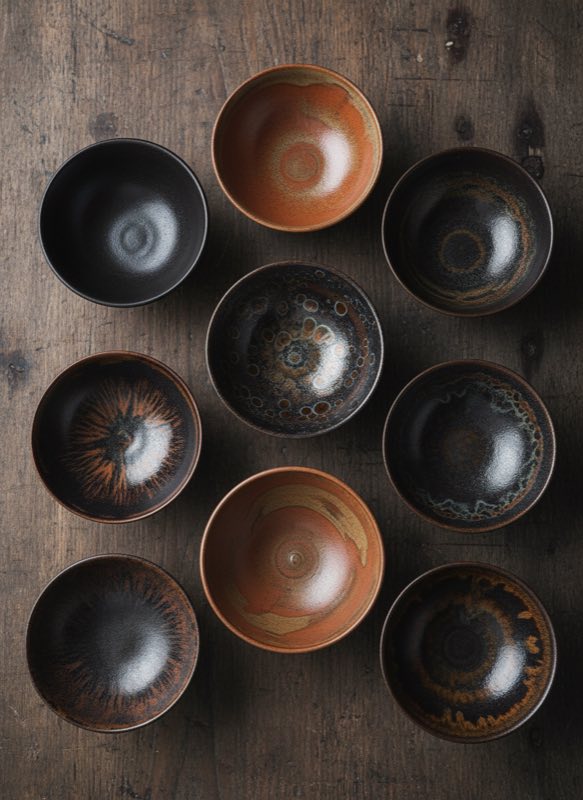
The dual naming reflects the complex cultural exchange between China and Japan. In China, the bowls have always been called Jian Zhan (建盏), literally “Jian cup” — named after Jianyang, the production center. The Chinese name emphasizes the geographic origin and the craft tradition.
In Japan, the name Tenmoku (天目) emphasizes the spiritual context of discovery — the “Heavenly Eye” mountain where Zen monks first experienced these bowls during meditation practice. Over centuries, the Japanese developed their own classification system for Tenmoku bowls, including terms like Yohen Tenmoku (曜変天目) for the rarest kiln-altered pieces.
The International Adoption of “Tenmoku”
When Western collectors and scholars began studying these bowls in the 19th and 20th centuries, they primarily encountered them through Japanese sources and collections. As a result, “Tenmoku” became the internationally recognized term, even though the bowls originated in China. This linguistic shift mirrors many other cases in art history where the name adopted by the culture that preserved and celebrated an art form becomes the dominant international term, regardless of geographic origin. You will see both names used in auction catalogs, museum labels, and academic publications worldwide.
Jian Zhan Production: The Chinese Perspective
From the Chinese perspective, Jian Zhan represents one of the highest achievements of Song Dynasty ceramic art. The kilns at Jianyang produced these bowls using locally sourced iron-rich clay containing 7-8% iron oxide. The distinctive glaze patterns — oil spots, hare’s fur, partridge spots, and yohen — formed naturally during reduction firing at approximately 1300°C (2372°F).
The ScienceDirect ceramic research has documented that the iron oxide in the clay undergoes crystallization during the cooling phase, creating the metallic-looking patterns that make each bowl unique. No two Jian Zhan are ever identical, which is why they have been prized as collectibles for over a thousand years. The Song Dynasty court recognized this uniqueness by designating Jian Zhan as the official tea bowl for imperial tea ceremonies, a status that elevated these humble clay vessels to the highest ranks of Chinese ceramic art.
Why Both Names Matter Today
Understanding both names helps you navigate the world of tenmoku tea cups more effectively. When you search for authentic pieces, you will encounter both terms in different contexts:
Jian Zhan — Used primarily in Chinese contexts, by Chinese potters, and in academic discussions about Song Dynasty ceramics. If you are buying directly from Chinese kilns or dealers, they will use this term.
Tenmoku — Used in Japanese, Western, and international contexts. The term “Tenmoku” appears in investment and collecting circles worldwide, and most English-language resources prefer this name.
The Spiritual Dimension of the Name
The name “Tianmu” (Heavenly Eye) carries deep spiritual significance in Zen Buddhism. The “heavenly eye” refers to a form of divine perception in Buddhist cosmology — the ability to see beyond the ordinary material world. When Japanese monks named these bowls after Tianmu Mountain, they were not merely identifying a geographic location. They were connecting the bowls to a spiritual tradition of heightened awareness and mindfulness.
This spiritual connection is why Tenmoku bowls became central to Japanese tea ceremony (chanoyu). The bowl was not just a vessel for drinking tea — it was a tool for meditation, a reminder of the Zen principle of being fully present in each moment. The Japanese tea master Sen no Rikyu specifically designated Tenmoku bowls as appropriate for the most formal style of tea ceremony, reinforcing their status as objects of reverence rather than mere utensils. This elevation from functional vessel to spiritual object is a key reason why the name Tenmoku carries such weight in tea culture today. When you hold a Tenmoku bowl during tea ceremony, you are participating in a tradition that spans nearly a millennium — a direct link between your modern tea practice and the ancient monks who first carried these bowls across the sea from China to Japan. You can explore this connection further in the tea meditation and mindfulness guide.
Key Stats: Jian Zhan / Tenmoku Naming
| Aspect | Jian Zhan (建盏) | Tenmoku (天目) |
|——–|——————-|—————-|
| Origin | Chinese name | Japanese name |
| Meaning | “Jian cup” | “Heavenly Eye” |
| First Use | Song Dynasty (960-1279) | Kamakura Period (1185-1333) |
| Context | Geographic/production | Spiritual/discovery |
| Primary Use | Chinese markets | International markets |
❓ FAQ: Jian Zhan vs Tenmoku
❓ Are Jian Zhan and Tenmoku the same thing?
Yes, they refer to the same type of tea bowl. Jian Zhan is the Chinese name emphasizing the production origin in Jianyang, while Tenmoku is the Japanese name referencing Tianmu Mountain where Japanese monks first encountered these bowls. Both names describe the same iron-rich, dark-glazed ceramic tradition.
❓ Why do Western collectors prefer the name “Tenmoku”?
Western collectors adopted “Tenmoku” because they first learned about these bowls through Japanese sources. During the 19th and early 20th centuries, Japanese tea ceremony traditions were the primary gateway for Western understanding of East Asian tea culture, so the Japanese terminology became standard in the West.
❓ Is “Tenmoku” used for bowls not made in Jianyang?
In modern usage, “Tenmoku” has broadened to include any tea bowl with a dark, iron-rich glaze inspired by the original Jian Zhan tradition. However, purists and serious collectors reserve “Jian Zhan” specifically for bowls made in Jianyang using traditional methods and local clay. If you want an authentic piece, look for handmade authentication markers.
📚 References
– Metropolitan Museum of Art. “Chinese Ceramics Collection.” metmuseum.org
– ScienceDirect. “Ceramic Materials and Iron Oxide Crystallization.” sciencedirect.com
– Plutschow, H. (1999). “Historical Dictionary of Japanese Tea Ceremony.” Scarecrow Press.
Whether you are new to why jian zhan is called tenmoku or looking to deepen your understanding, the key is to start with quality materials and consistent practice. Small adjustments in your approach can make a noticeable difference in your overall experience and enjoyment. at Zen Tea Cup Most tenmoku cups measure 8–12 cm (3.1–4.7 inches) in diameter. The foot ring diameter is usually around 3.5 cm (1.4 inches). Standard tenmoku cup height ranges from 5–8 cm (2.0–3.1 inches). at Zen Tea Cup
The Modern Revival of Jian Zhan
After centuries of decline following the fall of the Song Dynasty, Jian Zhan production experienced a remarkable revival in the late 20th century. In 1979, the Chinese government established a research program to rediscover the lost firing techniques that had made Song Dynasty Jian Zhan so extraordinary. After years of experimentation, modern potters in Jianyang succeeded in recreating the traditional glaze patterns using the same local clay and wood-firing methods.
Today, you can find both traditionally fired and electric-kiln Jian Zhan on the market. The handmade versions remain far superior in both aesthetic quality and tea-enhancing properties. Traditional wood-firing produces organic, unpredictable glaze patterns that electric kilns simply cannot replicate. The reduced atmosphere inside a wood-fired kiln creates the metallic luster and depth that collectors prize.
When you purchase a modern Jian Zhan, you are supporting a craft tradition that was nearly lost to history. Each bowl represents thousands of hours of collective knowledge passed down from Song Dynasty masters through generations of potters. The revival of Jian Zhan is not just about making beautiful tea bowls The three surviving Yohen Tenmoku bowls in Japan are designated as National Treasures, and their combined insurance value exceeds $100 million USD. These bowls represent the pinnacle of what Jian Zhan potters could achieve, and their continued existence is a testament to the reverence with which Japanese culture has treated these objects over the centuries. — it is about preserving a cultural heritage that connects us to one of the most creative periods in Chinese history.
Find your own piece of this living tradition at these cups’s tenmoku collection — authentic Jian Zhan shipped worldwide. Understanding this naming history will help you make more informed purchasing decisions and appreciate the cultural depth behind each piece you add to your collection.


